Otopl

Key Takeaways
- Otopl is most commonly performed to improve ear shape, position, or symmetry.
- It can be appropriate for both children and adults, depending on ear development and individual goals.
- A careful consultation helps determine whether surgery, non-surgical care, or no treatment is the best option.
- Recovery is usually straightforward, but protection of the ears and follow-up care are important.
- A qualified ENT or plastic surgery specialist can explain realistic expectations and surgical choices.
Otopl surgery, often called otoplasty, is a procedure used to reshape or reposition the ears. It may be considered for children or adults who are bothered by prominent, uneven, or irregularly shaped ears.
Overview
Otopl is commonly used as a shortened reference to otoplasty, a procedure that changes the shape, position, or proportion of the outer ear. People usually seek it because the ears appear prominent, uneven, or differently shaped after birth, growth, or injury.
For some patients, the concern is mainly cosmetic. For others, the ears may catch on clothing, interfere with glasses, or draw unwanted attention in social settings. Although the procedure is often associated with childhood, adults also choose it when they want a long-considered change.
In a consultation, the specialist looks at the ear cartilage, facial balance, skin quality, and the patient’s goals. That conversation matters because the best plan is not only about making the ears smaller or closer to the head; it is about creating a natural-looking result that fits the face as a whole.
Symptoms and reasons people seek otopl surgery
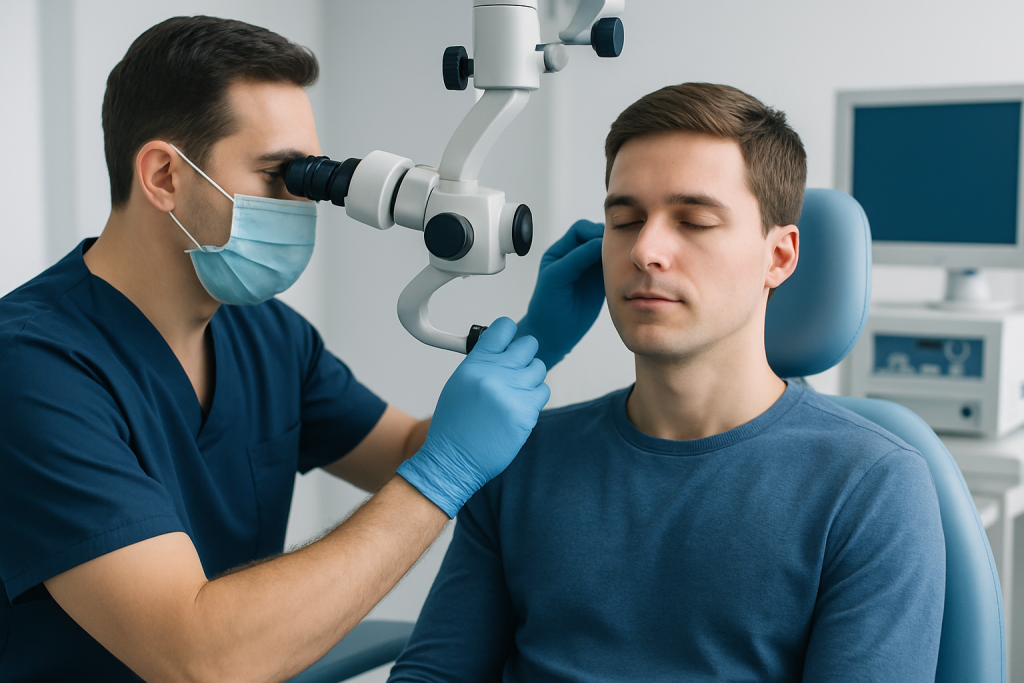
There is no “symptom” in the medical sense that must be present before otoplasty is considered. Instead, people usually notice one or more visible concerns that affect confidence or comfort.
Common reasons include ears that stick out more than expected, an ear fold that is underdeveloped, asymmetry between the two ears, or a shape difference after trauma. Some patients say the ears feel too large, while others feel that one ear draws attention more than the rest of the face.
- Prominent ears that project away from the head
- Uneven ear position or size
- Folded, misshapen, or underdeveloped outer ear contour
- Changes after injury or previous surgery
- Self-consciousness, especially in school-age children or young adults
Children may become aware of ear prominence when classmates comment on their appearance. Adults often describe a quieter, long-standing concern that they have finally decided to address after years of thinking about it.
Causes and risk factors

Ear shape is influenced by cartilage development, genetics, and the natural way the ear folds during growth. In many people, prominent ears are simply a normal variation rather than a sign of illness.
Some ear differences are present from birth, while others develop because of injury, repeated pressure, or changes after previous procedures. Family history can play a role, but the pattern does not always repeat exactly from one relative to another.
Risk factors for seeking otoplasty are less about medical danger and more about whether the shape difference is meaningful to the patient. A specialist may also consider whether the ears are still developing, since timing can influence planning. For international patients, this often becomes part of deciding whether to schedule care around school breaks, work leave, or travel convenience.
Diagnosis and consultation
Otoplasty is not diagnosed with a scan or blood test. It begins with a detailed clinical examination and a conversation about what the patient hopes to change. The surgeon or ENT specialist measures ear position, checks cartilage strength, and reviews symmetry from several angles.
The consultation also helps rule out other issues, such as skin irritation, previous injury, or rare structural conditions that may need a different approach. Photographs are often taken for planning and comparison, with the patient’s consent.
For families travelling from another country, the first consultation may be especially important because it sets expectations before any procedure is booked. The team typically explains whether surgery is suitable now, whether ear growth is complete enough, and what kind of recovery support will be needed after returning home.
Treatment options
Otopl surgery is usually planned as an outpatient procedure, meaning the patient goes home the same day. The exact technique depends on the ear shape and the desired correction, but the overall goal is to reshape cartilage and create a more balanced contour.
In many cases, the surgeon places an incision behind the ear so the scar is less visible. The cartilage may be scored, folded, sutured, or combined with other shaping steps to bring the ear closer to the head or refine the natural fold. If the ear shape difference is subtle, a more limited correction may be enough.
Some patients may not need surgery at all. If the concern is mild and the patient is comfortable, observation can be a reasonable choice. For young children, non-surgical options are only effective in a narrow early window after birth and are not suitable in every case, so a specialist’s guidance is essential.
Because patients arrive with different expectations, the best treatment plan is individualized. A careful surgeon will explain what can be improved, what cannot be changed completely, and how the result is likely to look in real life rather than only in a preoperative drawing.
What recovery usually looks like
After surgery, the ears are commonly wrapped with a protective dressing or soft bandage to support the new shape. Once that dressing is removed, many patients wear a headband at night for a period of time to help protect the ears while sleeping.
Mild swelling, tightness, and temporary soreness are common early on. These usually improve gradually. The specialist may advise avoiding pressure on the ears, rough play, contact sports, or sleeping directly on the side until healing is more secure.
International patients often want to know how much follow-up is needed before returning home. In many cases, the early postoperative review is straightforward, but the care team should provide clear instructions for wound care, activity limits, and signs that warrant a call to the clinic after travel. That plan matters as much as the surgery itself.
Prevention and self-care
Otopl surgery cannot prevent naturally shaped ears from developing, but people considering the procedure can support the best outcome by preparing thoughtfully and following instructions closely.
Before surgery, it helps to share all medications, supplements, allergies, and previous ear procedures with the medical team. Stopping or adjusting certain medicines should only happen with professional guidance. After surgery, careful protection of the ears is one of the most useful forms of self-care.
- Wear the recommended dressing or headband as instructed
- Avoid sleeping on the ears until the surgeon says it is safe
- Keep the incision area clean and follow wound-care guidance
- Protect the ears from bumps, pulling, and sports-related contact
- Attend all follow-up appointments, including remote follow-up if arranged
Good self-care also includes realistic expectations. The aim is usually improvement and balance, not perfect symmetry. Small differences between ears are normal in most faces, and a natural result often looks better than an overcorrected one.
When to see a doctor
A doctor or ENT specialist should be consulted when ear shape concerns are causing physical discomfort, repeated irritation, or emotional distress. Families may also seek advice when a child is being teased or seems increasingly self-conscious about their ears.
Medical review is important if the ear shape changed after trauma, if there is pain, redness, drainage, or swelling that does not settle, or if there are concerns about hearing or the ear canal. Those issues may point to a separate condition that needs evaluation.
For patients thinking about travelling for care, it is wise to contact a qualified team early enough to discuss candidacy, recovery time, and follow-up needs. Acibadem Health Point’s multidisciplinary specialists and JCI-accredited hospitals can help diagnose and treat otopl-related concerns for international patients, while keeping the process organized and understandable from consultation to recovery.
Living with the decision
Choosing otoplasty is often less about vanity than about wanting the outside appearance to match the way a person feels inside. That decision is personal, and it deserves careful, unhurried discussion.
Some patients feel relieved simply after learning that the problem is common and treatable. Others decide that surgery is the right next step after considering age, travel, time off work or school, and how much the concern affects daily life. A good consultation supports either outcome.
When the plan is made thoughtfully, patients usually move forward with clearer expectations and a better sense of control. That is often the most reassuring part of the journey, especially for families and international patients navigating care away from home.
Frequently asked questions
What is otopl surgery used for?
Otopl surgery, or otoplasty, is used to reshape or reposition the outer ears. It is commonly chosen for prominent ears, uneven ears, or differences in ear shape after injury or development.
At what age can a child have otoplasty?
Many specialists consider otoplasty once the ears are close to full development, but timing depends on the child and the surgeon’s assessment. A consultation is the best way to decide whether the child is ready.
Is otoplasty painful?
Most patients describe the recovery as uncomfortable rather than severely painful, especially in the first few days. The care team usually provides guidance to help manage soreness and swelling safely.
Will there be a visible scar?
The incision is often placed behind the ear, where it is less noticeable. Any surgery leaves some scar tissue, but surgeons aim to keep the scar as discreet as possible.
How long is recovery after otoplasty?
Initial healing is usually fairly quick, but the ears need protection for several weeks while they settle into their new shape. The exact timeline varies with the surgical technique and the patient’s healing response.
Can otoplasty be done for adults?
Yes, adults commonly have otoplasty and may do very well with it. The key is a proper consultation to confirm the ears are healthy and to discuss realistic goals.
References
- American Academy of Otolaryngology–Head and Neck Surgery
- MedlinePlus
- National Health Service
- Cleveland Clinic
- Mayo Clinic
This article is for general information only and is not a substitute for professional medical advice. Please consult a qualified doctor about your individual situation.