Audiology

Key Takeaways
- Audiology covers hearing, sound processing, and balance care.
- Hearing changes can be gradual, so symptoms are sometimes noticed by family first.
- Testing helps determine whether hearing loss is conductive, sensorineural, or mixed.
- Treatment may include medical care, hearing aids, implants, or rehabilitation.
- Early assessment is useful when hearing loss affects communication, work, or safety.
Audiology focuses on how people hear, understand sound, and maintain balance. It also helps identify why hearing changes happen and what can be done to support communication, comfort, and day-to-day safety.
Overview
Audiology is the field of healthcare that evaluates hearing, tinnitus, and balance function. It is closely connected to ear, nose, and throat care, but its focus is broader: understanding how sound is received, processed, and used in everyday life.
For many people, the first concern is not a dramatic loss of hearing. It may be subtle signs such as asking others to repeat themselves, turning up the television, or struggling in noisy rooms. Because these changes can develop slowly, an audiology assessment can be helpful even when the problem seems minor.
International patients often seek audiology care when they need a clear diagnosis, a second opinion, or a treatment plan that combines hearing assessment with ENT evaluation. That approach can be especially valuable when symptoms involve hearing, ear fullness, ringing, dizziness, or communication difficulties after illness or travel.
Symptoms
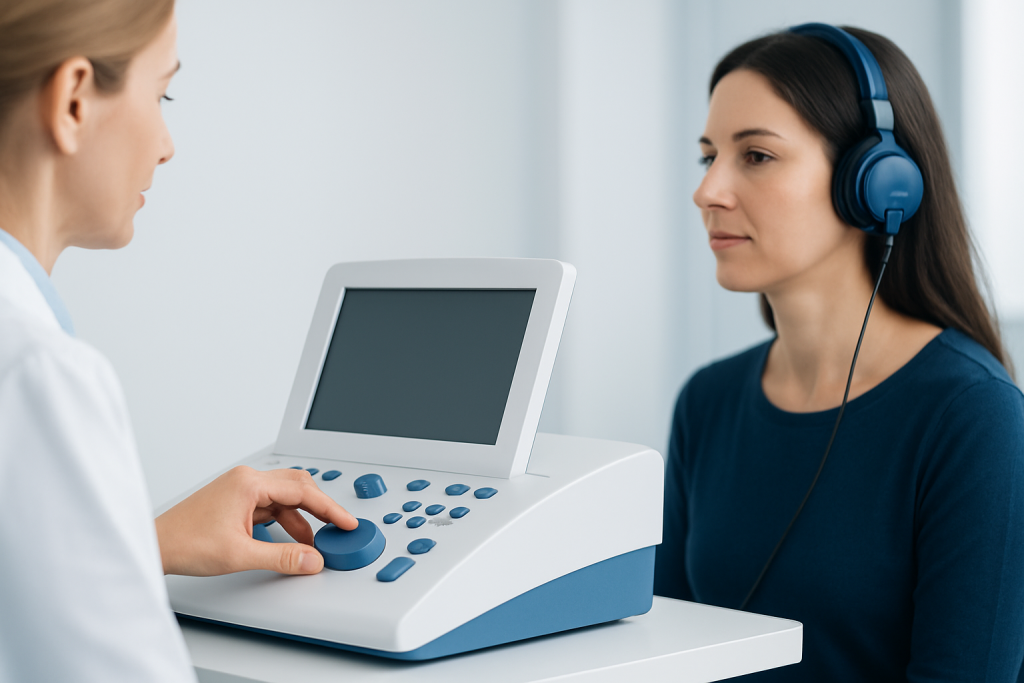
Hearing concerns do not always feel the same from one person to another. Some people notice that speech sounds muffled, while others can hear sounds but have trouble understanding words, especially in groups or background noise.
Common signs that an audiology evaluation may be useful include:
- Frequently asking people to repeat themselves
- Turning up the volume on devices more than usual
- Difficulty following conversations in noisy places
- Ringing, buzzing, or roaring in the ears
- Feeling that one ear hears differently from the other
- Dizziness, imbalance, or a sensation that the room is moving
Children may show hearing concerns in different ways, such as delayed speech, inattentiveness, or not responding when spoken to. In adults, hearing changes can affect work performance, confidence in social settings, and fatigue from concentrating too hard during conversations.
Causes & Risk Factors

Hearing and balance symptoms can have many causes. Some are temporary and reversible, such as earwax blockage, fluid in the middle ear, or infection. Others are longer-term and may involve the inner ear, auditory nerve, or the brain’s processing of sound.
Sensorineural hearing loss is often linked to aging, long-term noise exposure, certain medications, genetics, viral illness, or inner-ear conditions. Conductive hearing loss is more likely when sound cannot move normally through the outer or middle ear, such as with infection, perforation of the eardrum, or changes in the tiny middle-ear bones.
Risk can be higher in people who:
- Work around loud machinery or music
- Have repeated ear infections
- Use ototoxic medications under medical supervision
- Have a family history of hearing loss
- Live with diabetes, cardiovascular disease, or autoimmune conditions
- Experience head injury or chronic dizziness
Balance problems can arise from the inner ear, but they may also be related to neurological or medication-related causes. This is why a careful medical history matters as much as the hearing test itself.
Diagnosis
An audiology workup usually begins with a conversation about symptoms, lifestyle, noise exposure, medications, and medical history. The clinician then chooses tests based on the pattern of concern rather than using a single exam for everyone.
Hearing assessment may include pure-tone audiometry, speech testing, tympanometry, and other checks that look at how well the ear canal, eardrum, middle ear, and auditory pathways are functioning. If balance symptoms are present, additional tests may be used to study how the inner ear and nervous system respond to motion and position changes.
Sometimes imaging or further ENT review is recommended, especially if symptoms affect only one ear, come on suddenly, or are accompanied by neurological signs. For international patients, this step-by-step evaluation can be especially practical because it helps clarify which findings need treatment during the same visit and which can be followed after returning home.
Treatment Options
Treatment depends on the cause, degree of hearing change, and how much daily life is affected. If a treatable medical issue is found, such as infection or fluid buildup, the priority is addressing that underlying problem first. When hearing loss is permanent or progressive, support focuses on improving communication and quality of life.
Options may include hearing aids, assistive listening devices, cochlear implants for selected patients, tinnitus management strategies, or vestibular rehabilitation for certain balance disorders. Speech and communication strategies can also make a meaningful difference, especially for people who are trying to stay active in work and family settings.
In some cases, treatment is a combination of medical care and rehabilitation. That may involve ENT review, audiology follow-up, device fitting, counseling on realistic expectations, and later adjustments based on how the patient hears in real environments. This follow-up is particularly important for patients traveling from abroad, since device tuning and recovery planning should be matched to the person’s home routine and access to care.
Prevention & Self-care
Not every type of hearing loss can be prevented, but there are sensible habits that help protect ear health over time. One of the most effective is reducing exposure to loud sound, whether from machinery, concerts, headphones, or repeated environmental noise.
Practical self-care steps include:
- Using hearing protection in loud environments
- Keeping personal audio at a moderate volume
- Seeking care early for ear pain, discharge, or fullness
- Avoiding cotton swabs or other objects in the ear canal
- Following medication advice carefully, especially for drugs that may affect hearing
- Managing chronic conditions such as diabetes and high blood pressure
For people already living with hearing loss, communication tips can reduce strain: face the speaker, choose quieter rooms when possible, and ask for written instructions when medical information is complex. These simple steps can make conversations easier during clinic visits, work meetings, and travel.
When to See a Doctor
Audiology evaluation is worth considering when hearing changes interfere with everyday life, even if the symptoms seem mild. It is also wise to seek care when there is ringing in the ears, repeated ear infections, persistent dizziness, or a sense that one ear is not working normally.
Some situations need prompt medical assessment, including sudden hearing loss, severe vertigo, ear drainage, a recent head injury, or hearing changes with facial weakness, severe headache, or other neurological symptoms. In these cases, timely evaluation helps determine whether urgent treatment is needed.
People traveling for care often want a clear plan before leaving home. A specialist team can help determine which tests should be completed, whether treatment can begin immediately, and what follow-up will be needed after return. Acibadem Health Point’s multidisciplinary specialists and JCI-accredited hospitals diagnose and treat hearing and balance conditions for international patients with coordinated care.
Living Well With Hearing Changes
Hearing loss does not have to mean stepping back from work, family, or social life. With the right assessment and support, many people adapt successfully and continue doing the activities that matter most to them.
Adjustment is often easier when the plan is practical and individualized. That may include device education, communication coaching, balance therapy, or checking whether an ear-related medical issue is still active. Small improvements in hearing clarity can reduce fatigue and make daily interactions feel less effortful.
Because hearing and balance issues can overlap with general health, regular follow-up is valuable. A thoughtful audiology pathway gives patients a clearer picture of what is happening, what can improve, and how to manage the condition safely over time.
Frequently asked questions
What does an audiologist do?
An audiologist evaluates hearing, tinnitus, and balance concerns using specialized tests. They also help recommend treatment options such as hearing aids, rehabilitation, or further medical evaluation when needed.
Is hearing loss always permanent?
No. Some hearing changes are caused by temporary issues such as wax buildup, infection, or fluid in the middle ear. Other types can be long-term, which is why proper testing matters before assuming the cause.
How is audiology different from ENT care?
Audiology focuses on testing and managing hearing and balance function, while ENT doctors diagnose and treat ear, nose, and throat conditions medically and surgically. In many cases, the two specialties work together.
Can hearing loss affect balance?
Yes, some inner-ear conditions can affect both hearing and balance because these functions are closely connected. Dizziness or unsteadiness should be assessed, especially if it happens with hearing changes.
When should someone get a hearing test?
A hearing test is a good idea when conversations become harder, others notice hearing changes, or there is ringing, dizziness, or one-sided ear symptoms. Sudden hearing loss should be evaluated promptly.
Do hearing aids restore normal hearing?
Hearing aids do not restore hearing to exactly what it was before, but they can significantly improve sound access for many people. The benefit depends on the type of hearing loss and how well the device is fitted and adjusted.
References
- World Health Organization
- National Institute on Deafness and Other Communication Disorders
- American Speech-Language-Hearing Association
- British Society of Audiology
This article is for general information only and is not a substitute for professional medical advice. Please consult a qualified doctor about your individual situation.