Hair Transplant Follow-Up From Another Country: What Can Be Managed Remotely?

Key Takeaways
- Remote follow-up can help monitor healing, swelling, shedding, and early growth after a hair transplant.
- Clear photos, video calls, and written instructions are often enough for many routine check-ins.
- Pain that worsens, signs of infection, or sudden graft concerns should be reviewed promptly by a clinician.
- Patients traveling home after surgery benefit from a follow-up plan that includes local emergency options and a timeline for updates.
- Long-term results depend on patience, gentle scalp care, and consistent communication with the surgical team.
Medically reviewed by the Acıbadem clinical team — June 13, 2026
Hair transplant recovery does not end when a patient boards a plane home. Many parts of follow-up can be managed remotely, while others still require clear local instructions and timely medical review.
Overview
A hair transplant is often only the first step in a longer process. For international patients, the question is not just how the procedure is done, but how recovery is supervised once they return home. Much of that early care can be coordinated from a distance, provided the patient and surgical team have a clear plan before travel.
Remote follow-up is especially useful for routine recovery checks: how the scalp is healing, whether swelling is settling, and whether the transplanted area looks as expected. It can also support patients through the quieter stages of recovery, when shedding starts and regrowth has not yet become visible. These phases are normal, but they are often easier to understand when someone experienced is available to review progress.
That said, not every concern can be handled online. Some symptoms need in-person examination, and some questions are best answered before the patient leaves the treatment country. A thoughtful aftercare plan should explain what can be monitored remotely, what should be managed locally, and when the patient should seek urgent medical attention.
What Remote Follow-Up Can Usually Cover
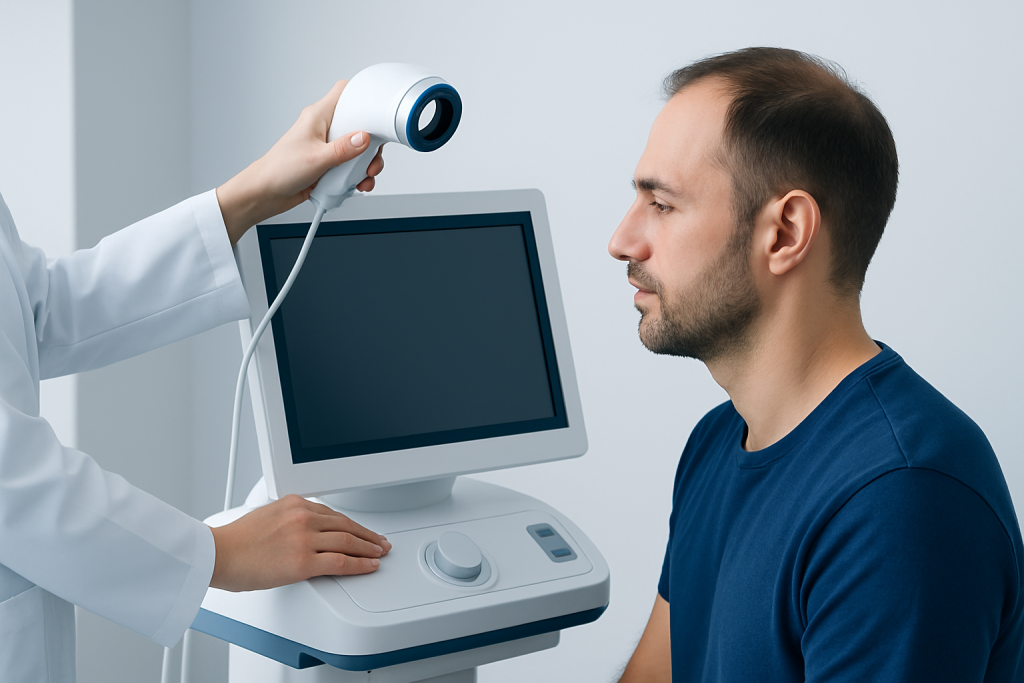
Many everyday follow-up needs after a hair transplant can be reviewed through telemedicine, secure messaging, or scheduled photo updates. The team may ask for images of the donor area, the transplanted zone, and any areas of redness, crusting, or swelling. When photographs are clear and taken from the right angles, they often give enough information to assess healing progress.
Remote follow-up can also guide practical recovery questions. Patients may want to know when they can wash their hair more comfortably, how to interpret shedding in the first weeks, or whether mild tightness and itching are within the expected range. These conversations help reduce uncertainty and keep the recovery process steady.
In many cases, the following can be managed from abroad:
- Routine healing checks
- Review of standard scalp photographs
- General advice on washing and scalp hygiene
- Questions about temporary shedding or “shock loss”
- Clarification of the recovery timeline and follow-up schedule
Remote care works best when the patient knows exactly how and when to send updates. A simple structure, such as weekly photos at first and then less frequent check-ins, often makes the process more reliable.
What Usually Needs In-Person Assessment
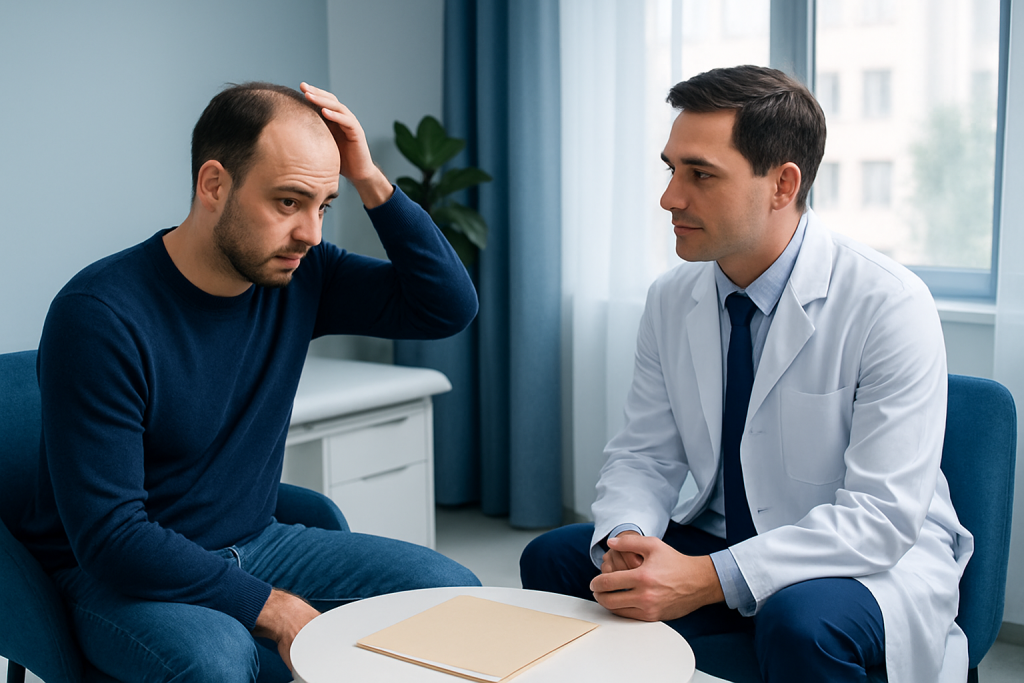
Some issues are not suitable for remote review alone. If a clinician needs to feel the scalp, inspect drainage closely, or compare areas in person, the patient may need local medical help or a return visit to the treating clinic. This is less about alarm and more about making sure the healing process is accurately assessed.
In-person assessment is more likely to be needed if there are signs that do not fit the usual recovery pattern. These can include persistent or spreading redness, increasing pain, pus, fever, unusual odor, marked swelling that is getting worse, or sudden changes in the appearance of the donor area. A hands-on examination may also be important if the patient is worried about graft survival or there has been an early injury to the scalp.
Patients should also understand that long-term hair growth cannot be fully judged during the first few weeks. Early appearance is not the final result, and visible density changes take months to develop. If there is uncertainty about progress, a clinician can often decide remotely whether the situation is normal or whether an in-person review is warranted.
How the Timeline of Recovery Shapes Follow-Up
After a hair transplant, the most useful follow-up questions change over time. In the first days, attention is usually on swelling, scabbing, comfort, and how to protect the grafts. By the second or third week, many patients are more concerned about shedding, which can be unsettling even though it is commonly expected.
Later, the focus shifts to the slower stages of hair growth. Patients may notice the scalp looking unchanged for a while, then see fine new hairs appear gradually. Because this process is slow, follow-up is often as much about reassurance and interpretation as it is about medical management. Patients traveling internationally can benefit from a schedule that anticipates these milestones instead of waiting until a concern becomes urgent.
A practical timeline often includes an early review soon after surgery, a check once the initial healing phase has passed, and additional updates during the months when new growth begins to emerge. This gives the clinic a better sense of the patient’s progress and helps the patient know what is normal at each stage.
What Patients Should Prepare Before Leaving the Country
Good remote follow-up starts before the return flight. Patients should leave the clinic with written aftercare instructions, contact details for questions, and a clear understanding of which symptoms are expected and which are not. It is also helpful to know whether the clinic prefers photos, video calls, or message-based updates.
Travel plans should include a small amount of flexibility. Patients may need time for the first dressing, a scheduled check, or a brief review before they leave. If they are returning to a country with a different time zone, they should know the best hours to contact the team and how to reach someone if a question arises outside office hours.
Before departure, patients should ideally confirm:
- How to wash and protect the scalp during the first days
- Which medicines or topical products, if any, were recommended
- When the first remote follow-up should happen
- What the clinic considers an urgent issue
- How to obtain local medical help if needed
The Role of Local Care at Home
Even when the surgery is performed abroad, patients should not feel as though they are managing recovery alone. If a non-urgent issue appears after they return home, a local physician, dermatologist, or urgent care service may help with examination and basic treatment, especially if the treating clinic is not immediately reachable. This is particularly important for symptoms that suggest infection or a reaction to medication.
Local care also matters for patients who have other health conditions, such as diabetes, circulation problems, or immune-related concerns, because these can affect healing. A good international care plan should make room for the patient’s existing medical needs rather than focusing only on the procedure itself.
Patients can make local care easier by keeping their discharge summary, procedure notes, and any medication list available. Clear records help another clinician understand what was done, what stage of recovery the patient is in, and what kinds of scalp changes are expected.
Prevention & Self-care During Remote Recovery
Self-care after a hair transplant is mostly about protecting the grafts, avoiding unnecessary irritation, and letting the scalp heal at its own pace. Gentle washing, careful sleeping position, sun protection, and avoiding scratching are common recommendations, but the exact plan should always follow the surgeon’s instructions.
Patients should be cautious about anything that puts pressure, friction, or contamination on the scalp too early. That includes tight hats if they were not approved, vigorous exercise before clearance, and hair products that the clinic has not recommended. It is better to keep the routine simple until the scalp is fully settled.
Helpful habits during recovery often include:
- Taking clear photos in consistent lighting for follow-up
- Keeping hands off the transplanted area as much as possible
- Following washing instructions exactly as given
- Staying hydrated and resting enough during early healing
- Reporting unusual symptoms rather than guessing about them
Patients should also remember that results take time. Temporary shedding is a common part of the process, and early density should not be treated as the final outcome. Patience is one of the most important tools in aftercare.
When to See a Doctor
Most recovery concerns after a hair transplant are mild and settle with time, but some symptoms deserve prompt medical review. The patient should contact the treating team or seek local medical care if there is increasing redness, warmth, swelling, fever, drainage, foul odor, or pain that gets worse instead of better.
They should also seek advice if a scabbed area becomes very tender, if there is sudden bleeding after the early healing period, or if there are concerns that the grafts may have been injured. A new rash, facial swelling, or breathing difficulty requires urgent attention and should not be managed through routine messaging alone.
When patients travel abroad for hair restoration, the safest approach is to assume that any unexpected change is worth asking about. A brief message or video review is often enough to rule out a problem, and if it is not, the clinic can guide the patient toward the right next step. Acibadem Health Point’s multidisciplinary specialists and JCI-accredited hospitals support international patients through diagnosis, treatment, and follow-up planning with that same practical approach.
Long-Term Follow-Up and Realistic Expectations
Hair transplant follow-up does not end when the scalp looks healed. The months after surgery are when patients begin to understand how the hairline settles, how density develops, and whether the overall pattern matches their goals. Remote follow-up can still be valuable during this period, especially for patients who live far away or need help interpreting gradual changes.
Patients should expect the result to mature slowly. If they are checking their progress every day, it is easy to miss the bigger picture. Periodic photo reviews, ideally taken under similar conditions each time, can show progress more clearly than memory alone. This is one reason a planned follow-up schedule is useful: it creates a calm, organized way to track healing and regrowth.
For international patients, the best outcome often comes from a partnership model: the surgical team provides guidance, the patient shares accurate updates, and local clinicians are available if an in-person assessment is needed. When that system is in place, distance becomes much less of a barrier to safe recovery.
Frequently asked questions
Can hair transplant follow-up be done online?
Yes, many routine follow-up questions can be handled remotely with photos, video calls, or secure messages. This is especially useful for checking healing, swelling, shedding, and early recovery progress. However, symptoms that seem unusual or severe may still need in-person assessment.
What photos should a patient send to the clinic?
Clear photos of the recipient area and donor area are usually most helpful. They should be taken in good light from multiple angles, ideally with the same setup each time so changes are easier to compare. The clinic may also ask for close-up images if there is a specific concern.
Is shedding after a hair transplant normal?
Temporary shedding is commonly expected during the early recovery period. It can look concerning, but it does not necessarily mean the transplant has failed. The clinic can explain what is normal for the patient’s stage of recovery.
What problems cannot be managed remotely?
Possible infection, increasing pain, significant swelling, fever, or sudden bleeding may need in-person evaluation. Remote care can help identify whether symptoms are likely routine or not, but it cannot replace a hands-on exam when a problem is unclear. Patients should not delay seeking help if symptoms worsen.
How long should an international patient keep in contact with the clinic?
Contact often continues for months, not just days, because hair growth takes time to appear. Early follow-up usually focuses on healing, while later updates help track regrowth and answer questions about the final result. The exact schedule depends on the clinic’s protocol and the patient’s progress.
What if a patient returns home before all questions are answered?
It is better to ask for clarification before leaving the treatment country whenever possible. If something is still unclear afterward, the patient should contact the clinic with photos and a specific question. Most teams can guide next steps even after the patient has returned abroad.
References
- International Society of Hair Restoration Surgery
- American Academy of Dermatology
- Mayo Clinic
- National Health Service
This article is for general information only and is not a substitute for professional medical advice. Please consult a qualified doctor about your individual situation.