Growing Pains: Symptoms, Causes and Treatment

Key Takeaways
- Growing pains usually affect the legs and often come and go rather than staying constant.
- They are typically felt in the evening or overnight and are not usually linked to swelling or limping.
- Simple comfort measures such as rest, stretching, and gentle massage may help.
- Persistent, one-sided, swollen, or activity-limiting pain deserves medical evaluation.
- A doctor can help rule out injuries, infections, inflammatory conditions, and other causes of limb pain.
Medically reviewed by the Acıbadem clinical team — August 19, 2026
Growing pains are a common cause of intermittent leg discomfort in children, often noticed in the evening or at night. They are usually harmless, but understanding the pattern helps families know when simple care is enough and when a doctor should take a closer look.
Overview
Growing pains are a familiar childhood complaint, especially in the years when children are active, rapidly changing, and often hard on their bodies without realizing it. Despite the name, they are not proven to be caused by growth itself. Instead, they describe a pattern of recurring limb pain that is common in otherwise healthy children.
These pains most often appear in the legs, commonly in the calves, shins, thighs, or behind the knees. They tend to show up later in the day, settle at night, and then disappear by morning. The pain may be described as aching, throbbing, or “sore,” and it often comes and goes rather than staying in one place.
For families deciding what to do, the most useful clue is the overall pattern. Growing pains usually do not come with fever, swelling, rash, limp, or a clear injury. When the story does not fit that pattern, it is worth asking a pediatrician or orthopedist to review it carefully.
Symptoms
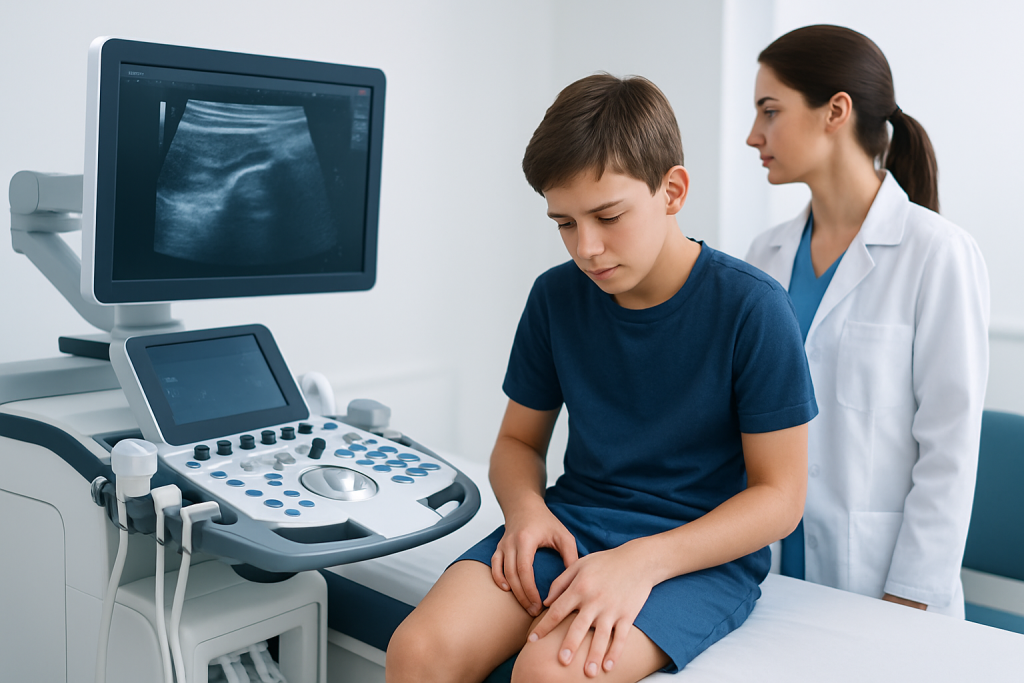
Children may describe growing pains in a few different ways, so parents often have to listen to both words and behavior. Some children point to both legs, while others seem to hurt more on one side at a time. The discomfort may be mild on some nights and stronger on others.
Typical features include:
- Pain in the thighs, calves, shins, or behind the knees
- Symptoms that begin in the evening or wake the child from sleep
- Pain on both sides, although the location can shift
- No visible swelling, redness, or warmth
- Normal walking and activity the next day
Some children also seem unsettled, tired, or reluctant to move around when the pain is present. That said, a child with growing pains usually remains well between episodes. If the pain is consistently in one joint, lasts through the day, or leads to limping, the explanation may be something else.
Causes & Risk Factors
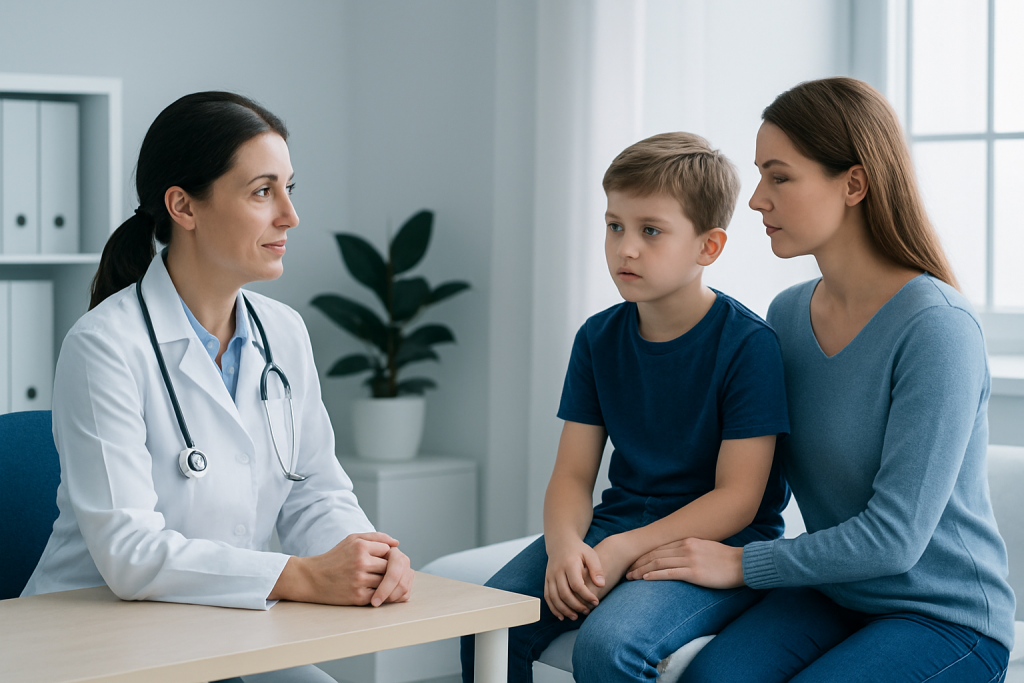
The exact cause of growing pains is still not fully understood. The term is widely used because the complaint often appears during childhood, but research has not confirmed that bone growth itself is the direct reason. Several theories have been proposed, including muscle fatigue, overuse during active days, and individual pain sensitivity.
Because the cause is not singular, there is no single risk factor that explains every case. Children who are very active, those with flexible joints, and some children who also experience headaches or abdominal pain may seem more prone to aches at the end of the day. Family history may also play a role in how pain is perceived and reported.
It is helpful for parents to remember that growing pains are a diagnosis based on the overall pattern, not on one lab test or scan. Doctors look for signs that the pain is harmless and temporary, while also checking for clues that point toward injury, infection, bone problems, inflammatory disease, or vitamin deficiencies.
Diagnosis
Diagnosis usually starts with a careful conversation. A doctor may ask when the pain happens, where it is felt, whether it affects one or both legs, and what the child is able to do during the day. The pattern matters more than the intensity alone.
In many children, no test is needed if the story sounds typical and the physical examination is normal. The doctor may simply reassure the family and suggest ways to manage the discomfort at home. If there are unusual features, such as persistent pain, limp, swelling, fever, night sweats, weight loss, or a history of injury, additional evaluation may be recommended.
Depending on the situation, the doctor may consider blood tests, X-rays, or other imaging to rule out other causes. For international families seeking care, clear records of prior evaluations, symptom timing, and any treatments already tried can make the consultation more efficient and help the specialist compare findings across visits.
Treatment Options
Most children with growing pains do not need medication or procedure-based treatment. Comfort and reassurance are often the most effective tools. A warm bath, gentle massage, a heating pad used safely and briefly, or a few quiet minutes of stretching may ease the discomfort enough for the child to fall asleep.
Rest after particularly active days can help some children, especially if the pain seems to follow sports, playground activity, or long periods of running and jumping. Supportive shoes and sensible pacing during high-energy days may also make a difference. When needed, a doctor may suggest simple pain relief options appropriate for the child’s age and health history.
It is important not to assume every repeated leg pain episode is growing pains. If the pain pattern changes, if the child begins to avoid activity, or if the pain becomes frequent and daytime-limiting, the treatment plan may need to shift from home comfort measures to a fuller medical workup.
Prevention & Self-care
There is no guaranteed way to prevent growing pains, but families can often reduce how disruptive they feel. A predictable bedtime routine, regular movement during the day, and a calm response when pain appears may help children feel more secure and recover more easily.
Helpful self-care steps can include:
- Gentle stretching of the legs before bed, if advised by the child’s doctor
- Warmth, such as a bath or warm compress, used safely
- Massage or soothing touch during painful episodes
- A balance between active play and adequate rest
- Keeping a simple symptom diary to notice timing and triggers
For families traveling across borders for care, it can be useful to note the child’s pain pattern before the trip and bring any prior reports or images. That information helps specialists compare what has already been checked and supports a smoother follow-up plan after returning home.
When to See a Doctor
Medical evaluation is recommended when the pain does not match the usual pattern of growing pains. Red flags include pain in a single area that keeps returning, swelling, redness, warmth, fever, a limp, morning stiffness, nighttime pain that is worsening, or pain that keeps the child from normal play.
A doctor should also be consulted if the child has pain after an injury, if there is unexplained weight loss, if the child seems unusually tired, or if the pain is persistent rather than occasional. In younger children, vague symptoms are worth taking seriously because they may not describe discomfort clearly.
When families need a second opinion or more specialized assessment, a pediatrician, pediatric orthopedist, or pediatric rheumatology team can help sort out the cause. Acibadem Health Point’s multidisciplinary specialists and JCI-accredited hospitals diagnose and treat this condition for international patients, with care pathways that can support both evaluation and follow-up planning.
Frequently asked questions
Are growing pains caused by a child growing taller?
Not exactly. The name is common, but growth itself has not been proven to be the direct cause. Doctors use the term to describe a typical pattern of childhood leg pain that usually appears in the evening and fades by morning.
Do growing pains usually happen in both legs?
They often affect both legs, though one side may seem worse on a given night. Pain that stays in one spot all the time is less typical and should be reviewed by a doctor.
Can exercise trigger growing pains?
Busy or highly active days may make some children more aware of aches later in the evening. That does not mean activity is harmful, but pacing, stretching, and rest may help if discomfort seems to follow intense play.
Should parents wake a child for leg pain at night?
If the child is already awake because of discomfort, comfort measures such as massage, warmth, or reassurance may help. If the pain is frequent, severe, or disturbing sleep often, a doctor should evaluate it.
When is leg pain not likely to be growing pains?
Pain with swelling, redness, fever, a limp, or persistent daytime symptoms is not typical of growing pains. Ongoing pain after an injury or pain that limits normal activity also deserves medical assessment.
Are tests always needed for growing pains?
No. If the symptoms fit the usual pattern and the physical examination is normal, a doctor may diagnose growing pains without tests. Imaging or blood work is more likely when the story is unusual or concerning.
References
- American Academy of Pediatrics
- Nemours KidsHealth
- Mayo Clinic
- National Health Service
- Merck Manual Consumer Version
This article is for general information only and is not a substitute for professional medical advice. Please consult a qualified doctor about your individual situation.
Joint and spine care in Turkey — expert assessment & treatment
JCI-accredited · board-certified surgeons · reply within 24h
Add us as a Preferred Source to see more of our trusted health content across Google Search, AI Overviews and Discover.