Infant Zits

Key Takeaways
- Infant zits are most often a mild, temporary form of baby acne or a similar newborn skin rash.
- They usually improve without treatment and do not mean the baby is dirty or being fed incorrectly.
- Gentle cleansing and avoiding harsh products are usually the safest first steps.
- A pediatrician should assess rashes that spread quickly, look infected, or come with fever or poor feeding.
- Parents seeking care from another country can still get clear diagnosis, reassurance, and follow-up planning before they travel home.
Infant zits are a common skin concern in the first weeks or months of life, and they are usually harmless. Most cases improve on their own with gentle skin care and simple observation, while a doctor can help rule out other causes if the bumps look unusual or the baby seems unwell.
Overview
“Infant zits” is a casual way parents describe small bumps, whiteheads, or red spots on a baby’s face, scalp, or upper body. In many cases, these spots are part of a very common newborn skin pattern called baby acne, although other harmless rashes can look similar at first glance.
For families, the main concern is often whether the skin changes signal an allergy, poor hygiene, or a problem with feeding. In most infants, the answer is no. These tiny blemishes are usually temporary and clear without leaving a mark.
Because newborn skin changes quickly, the appearance can be confusing. A careful look at the timing, location, and the baby’s overall comfort usually helps separate a routine rash from something that deserves medical attention.
Symptoms
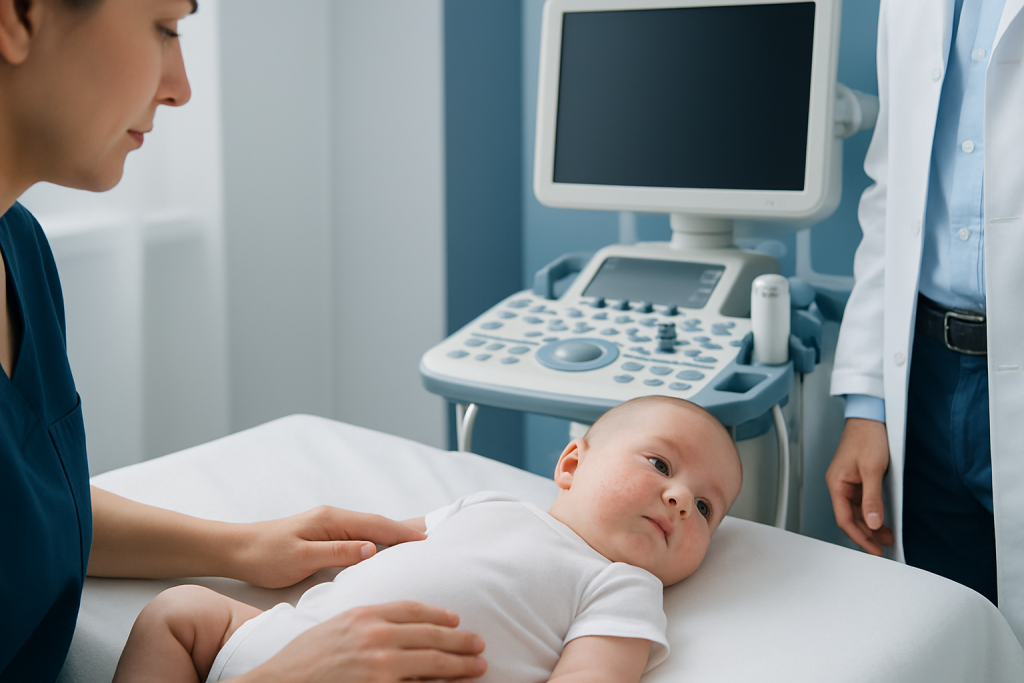
Infant zits commonly appear as small red bumps, white-topped pimples, or tiny clogged-looking spots. They are often seen on the cheeks, forehead, nose, and chin, but they can also show up on the scalp, neck, or upper chest.
In many babies, the skin around the bumps looks otherwise healthy. The rash usually does not bother the infant, and many babies continue to sleep, feed, and behave normally. Some babies may have a mix of small pimples and mild skin redness.
Signs that suggest something other than simple baby acne include blisters, yellow crusting, swelling, bleeding, or rash in areas that are very moist and irritated. A widespread rash or one that seems to cause discomfort deserves a closer look.
Causes & Risk Factors

The exact reason for infant zits is not always clear, but hormones play an important role. Babies are exposed to maternal hormones before birth, and these can stimulate oil glands after delivery, leading to plugged pores and small pimples.
Other newborn skin conditions can look similar and may be triggered by heat, sweat, irritation from fabrics, or normal changes as the skin adjusts to life outside the womb. In some infants, yeast-related or inflammatory rashes may also resemble acne at first.
Common factors that may make the rash more noticeable include:
- Early newborn age, especially the first weeks of life
- Family tendency toward sensitive or acne-prone skin
- Heat, sweating, or over-bundling
- Frequent rubbing from clothing, hats, or blankets
- Use of oily or fragranced skin products
It is important to know that infant zits are not usually caused by diet, formula choice, or inadequate washing. Parents often feel reassured when they learn that the rash is not a sign of poor care.
Diagnosis
Most cases are diagnosed by a pediatrician or dermatologist simply by looking at the skin and asking a few questions about when the bumps appeared, where they started, and whether the baby seems comfortable. A physical examination is usually enough.
Doctors may ask about newborn age, any recent changes in products used on the skin, feeding patterns, fever, or exposure to heat. They may also check whether the rash has features that fit eczema, heat rash, infection, or another infant skin condition.
Tests are not commonly needed for ordinary baby acne. If the rash is unusual, persistent, or accompanied by other symptoms, the doctor may consider a swab, closer skin examination, or follow-up visit to confirm the cause.
Treatment Options
Simple infant zits usually need no medication. The skin often improves on its own as the baby grows and hormone levels settle. The goal of treatment is generally to protect the skin barrier and avoid making the bumps more irritated.
Gentle care is usually enough:
- Wash the face once daily with lukewarm water and a mild, fragrance-free baby cleanser if needed
- Pat the skin dry rather than rubbing
- Avoid scrubbing, exfoliating, or squeezing the bumps
- Choose fragrance-free lotions and laundry products
- Keep hats, blankets, and clothing light enough to reduce sweating
Medicinal creams are rarely needed for routine infant zits and should only be used if a doctor recommends them. This is especially important for very young babies, because infant skin absorbs products more readily than adult skin does.
Prevention & Self-care
Parents cannot fully prevent infant zits, but they can reduce irritation and keep the skin comfortable while it resolves. The best approach is usually calm, consistent, and minimal.
When caring for a baby with facial bumps, it helps to avoid layering multiple products. Oils, heavy ointments, and fragranced washes can clog or irritate delicate skin, so simpler is often better. If a moisturizer is needed, a pediatrician can suggest an appropriate non-irritating option.
Self-care also includes watching the rash over time rather than trying to force it away. A helpful habit is to note whether the bumps are improving, spreading, or changing in color or texture. That record can be useful if a doctor needs to review the skin later, especially for families who may be traveling or preparing for follow-up care in another country.
When to See a Doctor
A pediatrician should assess the baby if the rash is spreading quickly, looks infected, or is accompanied by fever, poor feeding, unusual sleepiness, or irritability. These symptoms do not always point to a serious problem, but they should not be ignored.
Medical review is also helpful if the bumps are blister-like, very crusted, involve the diaper area or skin folds in a painful way, or do not improve over time. Rashes that begin after a new product is introduced may suggest irritation or sensitivity rather than simple infant zits.
Families seeking care abroad often appreciate a clear plan before travel home: what the rash most likely is, what changes would be concerning, and when to schedule a follow-up. Acibadem Health Point’s multidisciplinary specialists and JCI-accredited hospitals diagnose and treat infant skin conditions for international patients with a focus on coordinated, family-friendly care.
Living With the Rash While It Clears
Although infant zits are medically minor, they can still be emotionally stressful for parents who are staring at their newborn’s face every day. It is common to worry that the skin looks worse before it looks better, especially in the first weeks of life when many normal infant rashes overlap.
A useful mindset is to treat the skin gently and then step back. In many babies, the bumps fade gradually without medication and without causing discomfort. If the rash changes in a way that feels uncertain, a simple pediatric review can usually bring clarity and reassurance.
For families managing care across borders, keeping a few photos can help doctors compare the rash over time. That small step can make remote follow-up easier and supports a smoother handoff if the baby is seen by another clinician after returning home.
Frequently asked questions
Are infant zits the same as baby acne?
Often, yes. Parents commonly use “infant zits” to describe baby acne or a similar mild newborn rash. A doctor can help distinguish it from heat rash, eczema, or irritation if the appearance is unclear.
Does baby acne mean something is wrong with feeding or hygiene?
No, it usually does not. Infant zits are generally linked to normal newborn skin changes, especially hormone effects, rather than cleanliness or feeding method. Gentle care is usually the best approach.
Should parents wash the baby’s face more often to clear the bumps?
Not usually. Overwashing or scrubbing can irritate delicate skin and make the rash look worse. Mild cleansing once daily, or less if the skin is sensitive, is typically enough unless a doctor advises otherwise.
How long do infant zits usually last?
The rash often improves on its own over time, sometimes over a few weeks. If the bumps linger, spread, or change in appearance, a pediatrician should take another look.
Can lotion or oil make infant zits worse?
Yes, some heavy or fragranced products can clog or irritate baby skin. A fragrance-free, pediatrician-approved moisturizer is usually a safer choice if the skin seems dry.
When should parents seek urgent care?
Urgent review is sensible if the baby has a fever, is feeding poorly, seems unusually sleepy, or the rash looks blistered, infected, or rapidly worsening. Those signs deserve medical assessment even if the rash started out looking mild.
References
- American Academy of Pediatrics
- Mayo Clinic
- DermNet NZ
- NHS
This article is for general information only and is not a substitute for professional medical advice. Please consult a qualified doctor about your individual situation.