Groin

Key Takeaways
- Groin pain is a symptom, not a diagnosis, and its cause may be muscular, joint-related, hernia-related, or less commonly linked to infection or referred pain.
- A careful history and physical examination usually guide the first steps, with imaging or other tests used when needed.
- Rest, activity modification, targeted physiotherapy, and treatment of the underlying cause are common approaches.
- Sudden severe pain, a new bulge, fever, testicular pain, or inability to bear weight should be assessed promptly.
- People traveling for care often benefit from a structured evaluation plan and clear follow-up instructions before returning home.
Groin discomfort can come from muscles, joints, nerves, hernias, or other nearby structures, so the meaning of the symptom depends on the whole picture. This article explains what groin pain may signal, how it is assessed, and what steps can help patients recover safely.
Overview
Groin pain can feel minor at first and still disrupt walking, sitting, exercise, or sleep. Because the groin sits where the lower abdomen, hips, inner thighs, and reproductive structures overlap, pain in this area can come from several different sources.
That is why the word “groin” is not a diagnosis on its own. For some people, the issue is a strained muscle after sport or lifting. For others, it may be a hernia, a hip problem, a urinary or genital condition, or pain that is being referred from somewhere else.
Understanding the pattern matters. Whether care is sought locally or during travel, a thoughtful evaluation helps narrow the cause and choose treatment that fits the person’s activity level, age, and overall health.
Symptoms
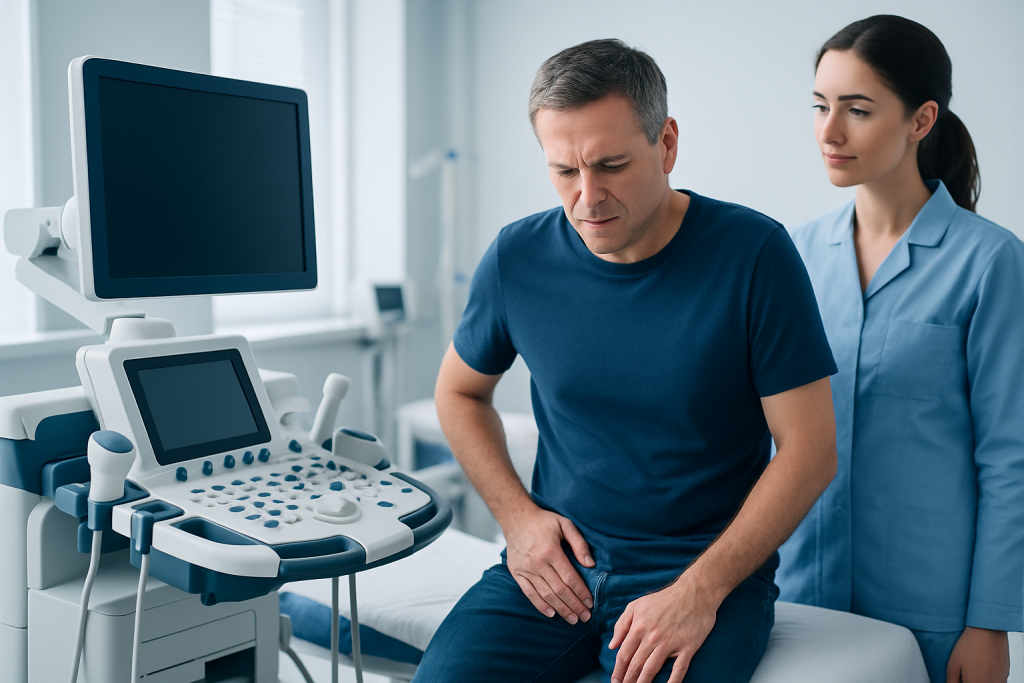
Groin symptoms are not always limited to pain. Some people describe pulling, tightness, aching, burning, pressure, or sharp pain that appears with movement. The discomfort may be on one side or both sides, and it may come and go or stay present throughout the day.
Activity often reveals clues. Groin strain may worsen with running, pivoting, kicking, rising from a chair, or bringing the legs together. A hernia may cause a noticeable bulge or heaviness, especially with coughing or lifting. Hip-related pain can be felt deep in the groin and may be accompanied by stiffness or reduced range of motion.
- Pain during walking, climbing stairs, or sports
- Swelling, a lump, or fullness in the groin
- Stiffness in the hip or difficulty changing direction
- Pain with coughing, straining, or lifting
- Testicular, lower abdominal, or inner-thigh discomfort in some cases
Because symptoms overlap, a person should avoid assuming that all groin pain is a simple muscle pull. The full story usually provides the most useful clues.
Causes & Risk Factors
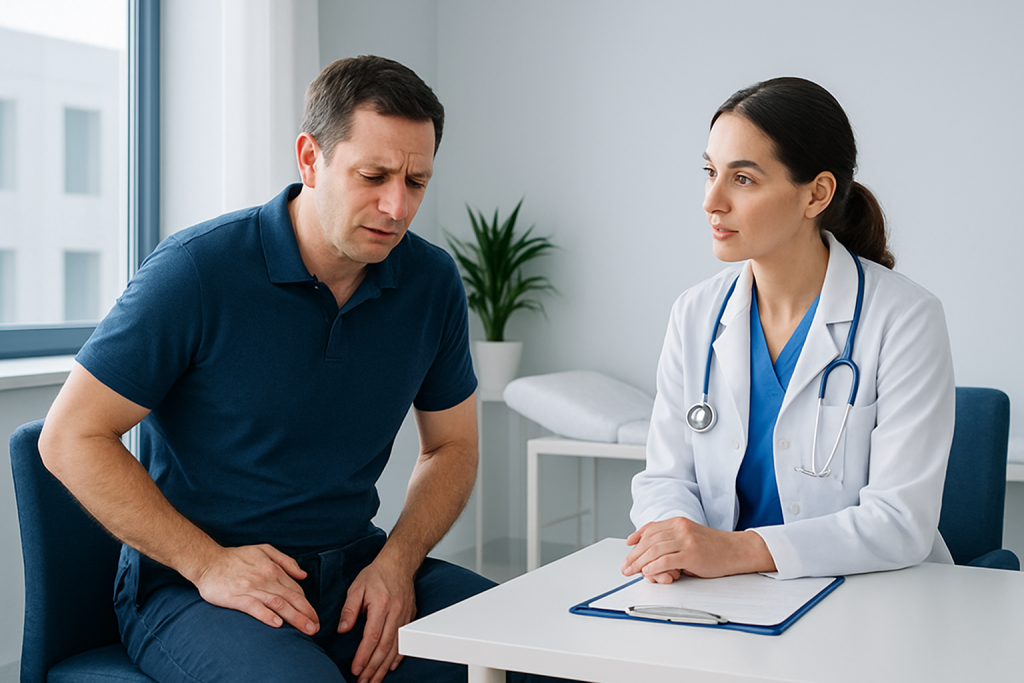
Muscle strain is one of the most common reasons for groin pain. The adductor muscles, which help draw the legs together, can be stressed during sports, sudden acceleration, slipping, or heavy lifting. A strain may happen after a single incident or develop gradually from repeated load.
Other frequent causes include inguinal hernia, hip joint conditions such as osteoarthritis or labral irritation, and tendon problems around the pelvis. Less commonly, pain may come from urinary tract issues, kidney stones, lymph node swelling, nerve irritation, testicular conditions, or inflammatory problems affecting the pelvis and lower spine.
Certain factors can raise the chance of groin pain: high-impact sports, inadequate warm-up, weak core or hip muscles, previous injury, repetitive twisting, and occupations that involve frequent lifting or squatting. In older adults, hip degeneration and hernia become more likely considerations, while in younger athletes, overuse and strain often come first on the list.
For international patients, it can be helpful to collect prior imaging, written reports, and a timeline of the symptom before traveling. That preparation often makes the evaluation more efficient and reduces the need to repeat unnecessary tests.
Diagnosis
Diagnosis begins with a careful discussion of when the pain started, what makes it better or worse, and whether there was a specific trigger such as exercise, trauma, coughing, or lifting. A clinician will also ask about urinary symptoms, fever, testicular discomfort, bowel changes, and hip movement.
The physical examination usually focuses on the groin, abdomen, hips, and sometimes the testicles or pelvic area, depending on the person’s sex and symptoms. The doctor may check walking, leg strength, range of motion, and whether pressing on certain areas reproduces the pain.
Tests are chosen only when they add clarity. Ultrasound can help assess hernia or soft tissue problems, while X-rays or MRI may be used for hip-related pain or persistent symptoms. Blood or urine tests may be appropriate if infection, inflammation, or urinary causes are suspected.
When a patient is traveling for care, a coordinated plan is especially useful. Clear timing for tests, results review, and follow-up before departure can make the experience smoother and safer.
Treatment Options
Treatment depends entirely on the underlying cause. A mild muscle strain may improve with rest from aggravating activities, short-term modification of exercise, cold or warm compresses, and a gradual return to movement. Physiotherapy is often valuable for restoring strength, flexibility, and control around the hip and pelvis.
If a hernia is present, the approach may range from watchful follow-up in selected cases to surgical repair when symptoms are bothersome or the hernia poses a risk of complications. Hip disorders may require targeted rehabilitation, anti-inflammatory strategies, or, in some situations, orthopedic procedures.
General measures are often part of recovery, whichever cause is found:
- Avoiding sudden increases in activity
- Using supportive footwear and good lifting technique
- Returning to sport in stages rather than all at once
- Following a physiotherapist’s home exercise plan
- Reporting worsening pain, swelling, or new symptoms early
It is important not to self-treat persistent groin pain for too long without an assessment. Treating the wrong problem can delay recovery, especially when the source is a hernia, hip condition, or another issue that needs a specific plan.
Prevention & Self-care
Not every cause of groin pain can be prevented, but sensible habits can reduce strain on the area. Warm-up routines before exercise, balanced strengthening of the core and hips, and gradual progression of training load all help tissues tolerate movement better.
For people who lift at work or at home, technique matters. Keeping loads close to the body, avoiding twisting under weight, and asking for help with heavy objects can reduce stress on the groin and lower abdomen. A physiotherapist or sports medicine specialist can suggest exercises if weakness or movement imbalance is contributing.
Self-care is usually most effective when it matches the presumed cause. Mild soreness after activity may improve with relative rest and careful stretching, but pain that keeps returning, limits walking, or appears with a bulge deserves medical assessment rather than repeated rest alone.
Travelers who develop groin pain before or during a trip should keep their planned follow-up realistic. If they are leaving the country after treatment, they should ask for written instructions, warning signs to watch for, and guidance on when it is safe to fly, exercise, or resume long journeys.
When to See a Doctor
Medical evaluation is advisable if groin pain lasts more than a short period, keeps returning, or interferes with normal movement. A consultation is also important when the discomfort follows an injury, comes with a lump or swelling, or is accompanied by hip stiffness or limping.
Prompt assessment is especially important if the pain is sudden and severe, the groin bulge becomes tender or cannot be pushed back in, or there are symptoms such as fever, vomiting, testicular pain, difficulty urinating, numbness, or an inability to bear weight. These findings do not always signal a serious problem, but they should be checked without delay.
For people seeking care across borders, a second opinion or a planned specialist review can be very helpful. Acibadem Health Point’s multidisciplinary specialists and JCI-accredited hospitals diagnose and treat groin-related conditions for international patients, with attention to coordinated testing, treatment, and follow-up planning.
Living with Groin Pain During Recovery
Recovery is often less about “doing nothing” and more about making the right adjustments at the right time. Many people heal well when they respect pain signals, rebuild activity in stages, and avoid returning to sport or heavy work before strength and mobility have recovered.
Tracking symptoms can be useful. Notes about when the pain appears, what movements trigger it, and whether there is swelling, stiffness, or a bulge can help the clinician refine the diagnosis and monitor progress over time. This is particularly helpful for patients who are seeing different doctors in different countries.
If a treatment plan includes rehabilitation, consistency matters more than intensity. Small, regular exercises and follow-up visits are usually more effective than occasional bursts of effort. When questions remain, a qualified doctor or physiotherapist should guide the next step rather than guesswork or online self-diagnosis.
Frequently asked questions
Is groin pain usually a muscle strain?
Not always. Muscle strain is common, especially after sport or lifting, but groin pain can also come from a hernia, hip joint problem, urinary issue, or another nearby structure. The pattern of symptoms helps determine the cause.
What does a groin hernia feel like?
A hernia may cause a bulge, heaviness, or aching in the groin that becomes more noticeable with coughing, straining, or lifting. Some hernias are only mildly uncomfortable at first, so a medical exam is important if a lump is present.
Can hip problems cause groin pain?
Yes. Pain from the hip joint is often felt deeply in the groin, and people may also notice stiffness or reduced movement. This is one reason clinicians examine the hip as well as the groin itself.
Should groin pain be treated with rest only?
Short periods of rest may help a minor strain, but ongoing or recurrent pain should be evaluated. If the pain is caused by a hernia, hip condition, or another specific problem, treatment usually needs to address that cause directly.
When is groin pain urgent?
Urgent assessment is wise if pain is sudden and severe, there is a tender or non-reducible bulge, or symptoms include fever, vomiting, testicular pain, numbness, or trouble walking. These signs need prompt medical attention.
What tests are commonly used for groin pain?
Doctors often start with a physical examination and may use ultrasound, X-ray, MRI, urine tests, or blood tests depending on the suspected cause. Not every person needs all of these tests.
References
- Mayo Clinic
- NHS
- American Academy of Orthopaedic Surgeons
- Merck Manual Professional Edition
- World Health Organization
This article is for general information only and is not a substitute for professional medical advice. Please consult a qualified doctor about your individual situation.