Glute Bridges: Benefits, How To Do Them and Risks
Key Takeaways
- Glute bridges mainly target the gluteal muscles, but they also involve the hamstrings, core, and lower back stabilizers.
- Good form matters more than height or speed; the movement should feel controlled and comfortable.
- They may be useful in rehabilitation plans for people recovering from back, hip, or lower-body weakness, depending on individual needs.
- Pain, numbness, or worsening symptoms during exercise should be reviewed by a healthcare professional.
- Progressions and variations can make glute bridges easier or more challenging, but they should be chosen carefully.
Medically reviewed by the Acıbadem clinical team — August 19, 2026
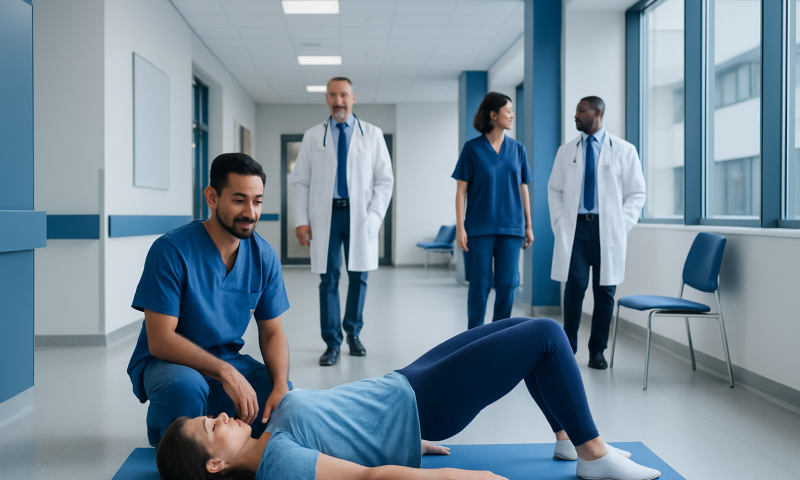
Glute bridges are a simple floor exercise that can help strengthen the glutes, support the hips and lower back, and improve everyday movement. They are often used in rehabilitation, fitness routines, and mobility programs when performed with good technique and appropriate guidance.
Overview
Glute bridges are one of the most familiar strengthening exercises in rehabilitation and general fitness, yet their value is easy to overlook because the movement looks so simple. Lying on the back, bending the knees, and lifting the hips can help activate the gluteal muscles, which play a central role in walking, climbing stairs, standing from a chair, and maintaining pelvic control.
For many people, glute bridges are appealing because they can be done with little space and minimal equipment. They are often introduced in home programs, physical therapy sessions, and return-to-activity plans. That said, they are not a one-size-fits-all exercise; the right version depends on a person’s current strength, pain level, mobility, and recovery goals.
In a rehabilitation setting, a clinician may use glute bridges to help restore movement patterns after periods of inactivity, support core and hip stability, or build a foundation before more demanding exercises. In international-patient care, this kind of exercise is often part of a broader plan that can continue after discharge, with instructions adapted for follow-up at home.
How to Perform a Glute Bridge
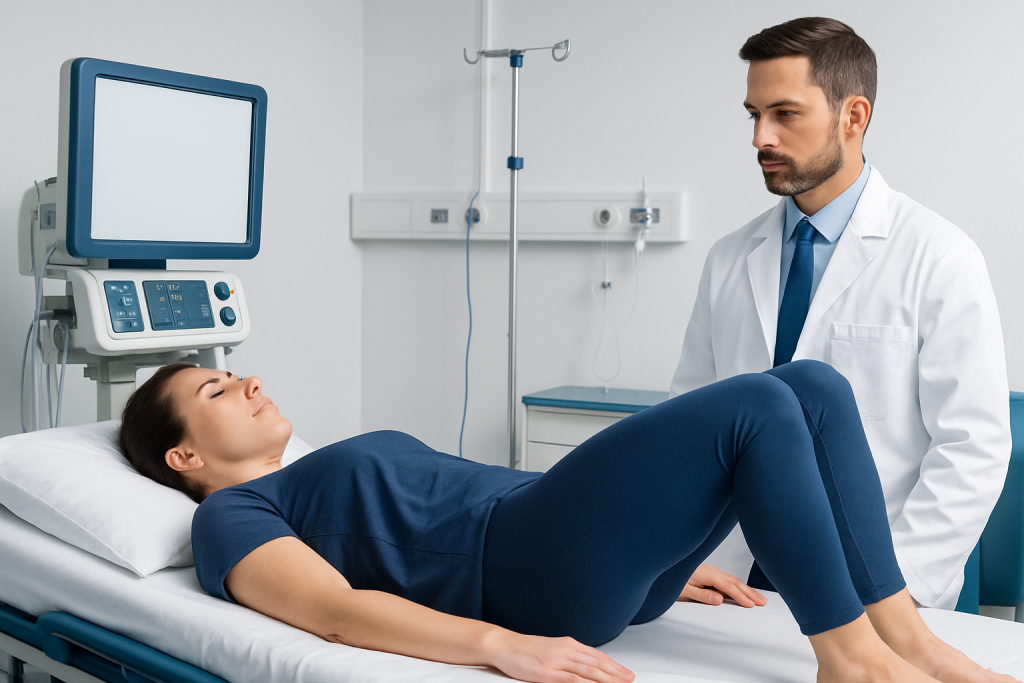
A standard glute bridge begins with the person lying on the back, knees bent, feet flat on the floor, and arms resting by the sides. The feet are usually placed hip-width apart, and the heels are kept far enough from the body to allow the hips to lift without strain. From there, the hips are raised until the body forms a straight line from shoulders to knees.
The most important cue is to move with control rather than force. The lift should come from the glutes and supporting muscles, not from arching the lower back. At the top of the movement, there is usually a brief pause before lowering the hips slowly back to the floor.
Useful technique points include:
- Keep the ribcage relaxed rather than flaring upward.
- Press evenly through both feet.
- Maintain a neutral neck and avoid turning the head side to side.
- Lift only as high as can be done without discomfort.
Some people feel the exercise more strongly in the hamstrings at first. That does not always mean the movement is wrong, but it may suggest the foot position, range of motion, or muscle control needs adjustment.
What Muscles Do Glute Bridges Work?
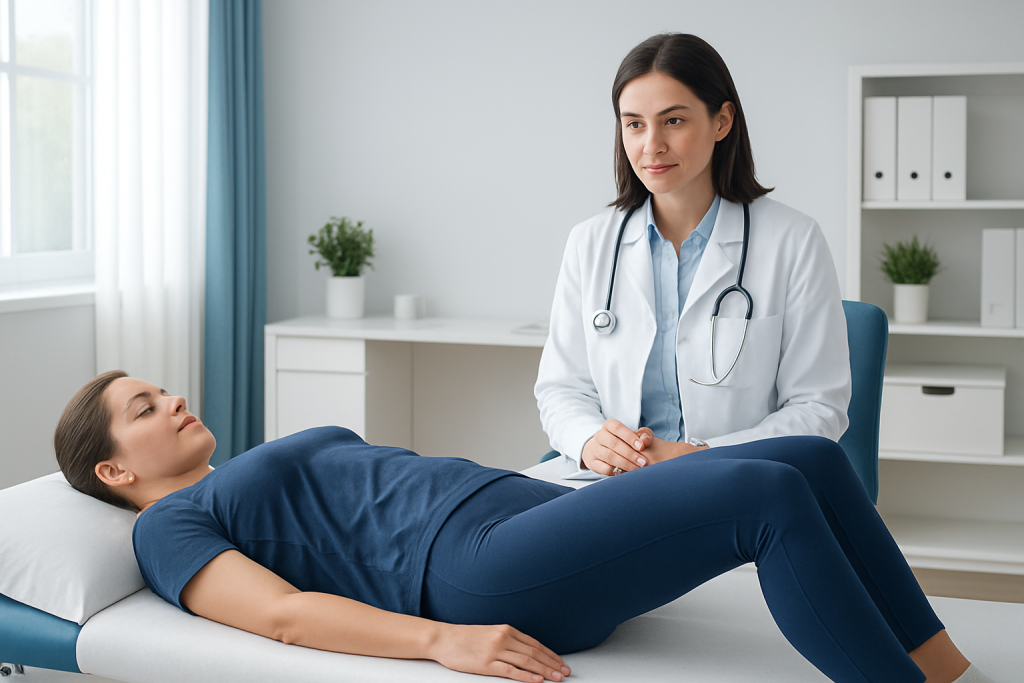
Glute bridges primarily activate the gluteus maximus, the largest muscle in the buttocks. This muscle helps extend the hip, which is essential for standing up, walking uphill, and rising from low surfaces. The gluteus medius and other hip stabilizers also contribute, especially when the exercise is performed with proper alignment.
Although the glutes are the main focus, the exercise also involves the hamstrings, abdominal muscles, and muscles that help stabilize the pelvis and spine. This makes the glute bridge useful in programs that aim to improve both strength and movement control. For some people, especially those recovering from back discomfort, it can be a practical way to rebuild support around the trunk and hips.
Because the body works as a chain, improving glute function may influence how the knees, hips, and lower back behave during daily activities. That is one reason clinicians often pair glute bridges with other exercises that address posture, balance, and mobility rather than using them alone.
Benefits in Rehabilitation and Daily Movement
Glute bridges can be valuable because they train a movement pattern that shows up in everyday life: hip extension. When the glutes are not contributing well, other areas may compensate, sometimes making motions feel less efficient or more tiring. A well-taught bridge can help reintroduce a smoother, more coordinated effort between the hips and trunk.
In rehabilitation, this exercise may support recovery in people with mild lower-back discomfort, deconditioning after illness or surgery, or weakness related to inactivity. It may also be used to prepare the body for more demanding exercises such as squats, step-ups, or walking drills. However, it should be selected by a clinician when pain, joint disease, pregnancy, or recent surgery changes what is safe.
Outside formal rehab, glute bridges may help people who spend long periods sitting and want to reactivate the posterior chain. They are also easy to modify for different fitness levels, which makes them practical for home programs. Still, the benefit comes from consistency and correct form, not from forcing large numbers of repetitions.
Common Causes of Difficulty or Poor Form
Not everyone finds glute bridges easy. Tight hip flexors, weak glutes, limited core control, or discomfort in the knees or lower back can make the movement awkward. Some people also have trouble because their feet are too close or too far away, which shifts the effort away from the target muscles.
Another common issue is overusing the lower back. If the hips rise by arching the spine instead of extending through the hips, the exercise may feel strained rather than strengthening. This can happen when a person tries to lift too high, moves too quickly, or lacks the pelvic control needed to stay aligned.
Older adults, people recovering from injury, and those with neurologic or orthopedic conditions may need a gentler starting version. In those cases, a therapist may begin with very small movements, isometric holds, or supported variations before progressing to a full bridge.
Diagnosis and Professional Assessment
Glute bridges themselves do not require a medical diagnosis, but the reason a person is doing them often does. If the exercise is being used to address pain, weakness, balance problems, or recovery after surgery, a healthcare professional may assess posture, hip range of motion, muscle strength, and movement quality before recommending a plan.
Assessment can also help identify whether the issue truly involves the glutes, or whether the back, hips, knees, or nervous system are contributing. A physical therapist or physician may observe how the person stands, walks, squats, and performs a bridge to look for compensation patterns. This helps tailor the program to the individual rather than relying on a generic routine.
For international patients, evaluation sometimes happens in stages: an in-person assessment during travel, followed by remote follow-up once they return home. That model can be especially helpful when exercise technique needs adjustment over time.
Treatment Options and Exercise Variations
Glute bridges are often one part of a broader treatment plan rather than the entire plan. Depending on the person’s needs, treatment may also include manual therapy, stretching, mobility work, walking programs, balance exercises, or other strengthening drills. The goal is usually to restore function in a way that is safe and realistic for the person’s current condition.
There are several common variations:
- Basic bridge: The standard version with both feet on the floor.
- Mini bridge: A smaller lift for beginners or people with limited tolerance.
- Single-leg bridge: More advanced and places greater demand on stability.
- Bridge with resistance: A band or light weight may be added under professional guidance.
Progression should be gradual. A person should be able to complete the current version with steady control, no symptom flare, and good alignment before moving on. In rehabilitation, quality usually matters more than increasing the challenge quickly.
Prevention, Self-care, and Safe Practice
Safe practice starts with listening to the body. Mild muscle effort is normal, but sharp pain, pinching, numbness, or a sense that the lower back is doing most of the work should prompt a pause. A small adjustment in foot position, range, or pace may improve comfort, but persistent symptoms deserve professional review.
Warm muscles generally respond better than cold ones, so a brief walk or gentle mobility routine may help before exercise. It is also sensible to balance strengthening with recovery, especially if bridges are being done frequently. Overuse can irritate the hips, hamstrings, or lower back, particularly when form deteriorates with fatigue.
People recovering in another country often benefit from written or video instructions before leaving the clinic, plus a clear follow-up plan once they are home. Acibadem Health Point’s multidisciplinary specialists and JCI-accredited hospitals can diagnose and treat conditions related to hip and lower-back function for international patients, while supporting continuity of care across borders.
When to See a Doctor
Medical advice is appropriate if glute bridges consistently cause pain, if there is numbness or weakness in the legs, or if the exercise seems to worsen back or hip symptoms. A clinician should also be consulted when movement becomes suddenly difficult after an injury, surgery, or a noticeable change in health.
It is especially important to seek assessment if walking, standing from a chair, or climbing stairs has become harder over time. These changes can reflect a range of issues, from deconditioning to joint or nerve problems, and a careful examination helps clarify the cause.
For anyone using glute bridges as part of rehabilitation, periodic review is useful even when symptoms are mild. A therapist or physician can confirm that the exercise remains appropriate and adjust the program as strength and mobility improve.
Frequently asked questions
Are glute bridges good for beginners?
Yes, glute bridges are often used with beginners because they are simple and low impact. The key is to start with a comfortable range of motion and focus on slow, controlled technique rather than doing many repetitions.
How often should glute bridges be done?
Frequency depends on the person’s goals, symptoms, and overall program. Some people do them a few times a week, while others use them more often in rehabilitation, but a clinician can suggest the safest schedule.
Should glute bridges cause lower-back pain?
No, they should not cause pain in the lower back. If the lower back feels strained, it may mean the hips are not doing enough of the work or the movement needs to be modified.
What if the exercise is felt mostly in the hamstrings?
That can happen, especially early on, and it does not always mean something is wrong. Adjusting foot position, slowing the movement, or reducing the height of the lift may help shift more work to the glutes.
Can glute bridges help with posture?
They may support better posture indirectly by strengthening the hips and trunk, which help with standing and moving efficiently. They are not a complete posture fix on their own, so they are best used as part of a broader movement program.
Do people need equipment to do glute bridges?
No, the basic exercise does not require equipment. Bands or weights can be added later if a healthcare professional or trainer feels the person is ready for more resistance.
References
- National Institute of Arthritis and Musculoskeletal and Skin Diseases
- American Academy of Orthopaedic Surgeons
- NHS
- World Health Organization
- American Physical Therapy Association
This article is for general information only and is not a substitute for professional medical advice. Please consult a qualified doctor about your individual situation.
Joint and spine care in Turkey — expert assessment & treatment
JCI-accredited · board-certified surgeons · reply within 24h
Add us as a Preferred Source to see more of our trusted health content across Google Search, AI Overviews and Discover.
More from the Health Library


Related Specialists

Fzt. Elif Tokgöz Nizam
Physical Medicine & Rehabilitation
Fzt. Gizem Aydın
Physical Medicine & Rehabilitation
Dr. Safiye Sayilir
Physical Medicine & Rehabilitation
Dr. Özgün Barış Çolak
Physical Medicine & Rehabilitation