

Follow-Up After Surgery From Another Country: How Remote Care Usually Works

Key Takeaways
- Remote follow-up helps a surgical team monitor healing after the patient returns home.
- A good post-op plan includes wound care guidance, symptom monitoring, medication review, and timelines for activity.
- Patients should know which warning signs need urgent medical attention and which can wait for the next virtual visit.
- Sharing photos, test results, and local doctor updates can make remote care more effective.
- Time zone differences and language barriers can be managed with clear scheduling and written instructions.
Medically reviewed by the Acıbadem clinical team — June 13, 2026
Recovering after surgery does not always end when a patient leaves the hospital. For international patients, follow-up care often continues across borders through remote check-ins, wound photos, test results, and clear instructions that support safer healing at home.
Overview
For many international patients, surgery is only the middle of the story. The operation may happen in one country, but much of the healing takes place somewhere else, often with a suitcase, a time difference, and a local doctor or nurse helping to bridge the gap. Follow-up after surgery from another country is designed for that reality: it keeps the treating team involved even after the patient has gone home.
Remote follow-up usually relies on a combination of scheduled video calls, secure messages, photo updates, lab reports, and detailed recovery instructions. The goal is not to replace in-person care when it is truly needed, but to make sure the patient still has access to the surgical team’s guidance while recovering in a familiar environment.
When this process is well organized, it can help patients know what is normal, what is not, and when they should seek help locally. It also gives the surgical team a clearer picture of healing, so adjustments can be made early if something looks off track.
What Remote Follow-Up Usually Includes
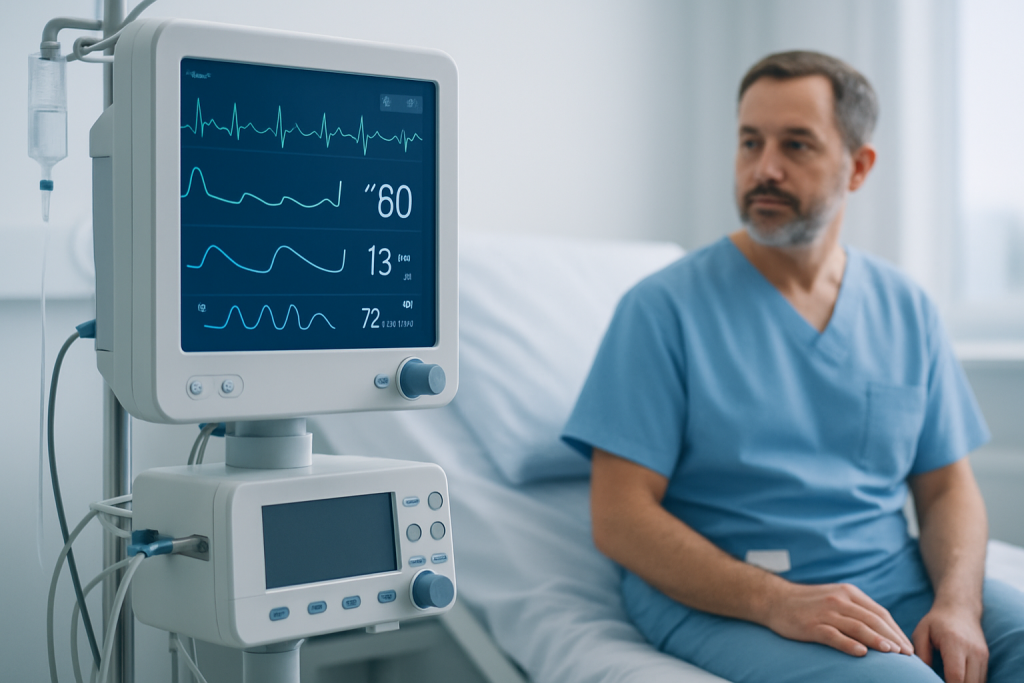
Remote postoperative care is most useful when it is planned before discharge. Patients are often given a written recovery schedule that explains when to rest, when to increase movement, how to care for dressings, and which medications or supplements should be continued or avoided. The instructions may also explain how long swelling, bruising, drainage, or fatigue are expected to last.
Many teams arrange a sequence of virtual follow-ups rather than a single check-in. The first contact may focus on pain control, wound appearance, eating and drinking, and whether the patient is moving safely. Later visits often address activity progression, scar care, and the return to work, driving, travel, or exercise.
Typical remote follow-up tools may include:
- Video appointments for direct discussion and visual review
- Secure messaging for questions that do not require a full visit
- Photos or short videos of the incision or surgical area
- Sharing laboratory tests, imaging results, or discharge summaries from the local country
- Care coordination with a primary care clinician or local specialist when needed
The most effective systems are simple, specific, and realistic. Patients do not need to guess which platform to use or how often to send updates; that plan should be agreed on before they fly home.
Signs of Normal Healing and Common Early Concerns

After surgery, some discomfort is expected. Mild pain, temporary swelling, limited energy, changes in appetite, and a gradual return of mobility are common parts of healing for many procedures. Depending on the operation, the incision may feel tight or itchy as it closes and the surrounding tissues settle.
Patients are often more comfortable when they know that recovery does not happen in a straight line. One day may feel noticeably better than the next, especially after activity, travel, or a poor night’s sleep. That does not automatically mean that something is wrong, but it is one reason follow-up matters: the surgical team can help distinguish ordinary ups and downs from patterns that deserve attention.
Possible issues that should be discussed during remote care include:
- Redness that is increasing rather than fading
- Drainage that becomes cloudy, foul-smelling, or suddenly heavier
- Pain that is worsening instead of gradually improving
- Fever or chills
- New swelling, shortness of breath, chest pain, or calf pain
Because patients are recovering away from the original hospital, even small concerns can feel uncertain. A clear follow-up plan helps reduce that uncertainty and gives the patient a reliable way to ask, “Is this expected?” before anxiety builds.
Why International Patients Need a Different Kind of Plan
Recovering in another country can be straightforward when the plan is thoughtful, but it introduces practical challenges that local patients may not face. Time zones can make it harder to reach the surgical team quickly. Language differences can lead to misunderstandings about wound care, medication timing, or activity limits. Even simple issues, such as knowing where to buy medical supplies or which local clinic to visit, can become stressful without guidance.
International patients may also have limited access to the exact surgeon who performed the procedure. That makes the discharge process especially important. A strong handover should include a diagnosis or procedure summary, the type of surgery performed, implant or device details if relevant, expected recovery milestones, and the names of symptoms that should trigger urgent medical attention.
Some patients also need coordination between multiple professionals. For example, the operating surgeon may review healing, while a local clinician handles blood tests, wound checks, pain control, or physical therapy referrals. When everyone understands the plan, remote follow-up becomes a practical extension of care rather than an isolated conversation.
How Diagnosis and Monitoring Work at a Distance
Remote follow-up is less about making a single diagnosis and more about watching the recovery trend. The surgical team may ask the patient to describe symptoms in a structured way: where the pain is located, whether it is improving, whether walking or eating is easier, and whether the incision looks different from the previous day. These details help the clinician judge whether healing is progressing as expected.
Visual review can also be helpful. Well-lit photos of the incision, taken according to the team’s instructions, may show swelling, bruising, skin color, or drainage patterns over time. For some surgeries, patients may be asked to submit measurements, such as temperature, blood pressure, or fluid output if they have drains. Lab work or imaging done locally can be shared electronically for interpretation.
If the surgical team suspects a problem that cannot be resolved remotely, they may advise an urgent local evaluation. This might include a physical examination, imaging, or blood tests in the patient’s home country. Remote care works best when patients understand that it is part of a broader system, not a substitute for emergency services when something serious is developing.
Treatment Options and Recovery Support
In the context of follow-up care, “treatment” usually means the ongoing steps that support healing rather than a new operation. The plan may include pain relief guidance, wound dressing changes, mobility recommendations, hydration and nutrition advice, and instructions for gradually returning to normal activity. For some procedures, physical therapy or breathing exercises are part of the recovery pathway.
Medication review is another important part of remote follow-up. Patients may need help understanding which medicines should be continued, which should be stopped, and which should only be used for a limited period. Because over-the-counter drugs and supplements can differ from country to country, it is useful to review everything by name rather than assuming equivalents are the same.
If a complication is suspected, the plan may change. The patient might be asked to start a local treatment, adjust activity, obtain imaging, or seek an in-person assessment. In some cases, the original surgical team may recommend returning for review, but that decision depends on the procedure, the symptom pattern, and the patient’s location. A flexible plan is usually safer than a rigid one.
Prevention & Self-care
The best remote follow-up starts with prevention before discharge. Patients benefit from leaving the hospital with a complete written plan, clear contact details, and a list of warning signs that should not wait for the next appointment. If possible, they should know how to send photos securely, which time zone the team uses for appointments, and what to do if their internet connection fails during a scheduled call.
At home, self-care is mostly about consistency. Taking medications on schedule, keeping the incision clean and dry as instructed, moving around safely, and following activity restrictions all support recovery. Patients are usually encouraged to avoid long periods of immobility, stay hydrated, eat protein-rich meals if tolerated, and ask for help with errands or lifting when needed.
Helpful self-care habits during international recovery often include:
- Keeping a simple daily log of pain, temperature, swelling, and symptoms
- Photographing the incision at regular intervals if advised
- Using the same local pharmacy or clinic when possible for continuity
- Saving discharge papers, operative notes, and test results in one place
- Planning follow-up visits around travel, work, and time-zone differences
Patients sometimes feel they are being “difficult” by asking many questions. In reality, good questions make remote recovery safer and more efficient. Clear communication is part of good surgical aftercare.
When to See a Doctor
Some postoperative symptoms are expected, but others deserve prompt medical review. Patients should contact the surgical team or seek local medical care if they develop fever, rapidly increasing pain, spreading redness, significant drainage, bleeding that does not stop, shortness of breath, chest pain, fainting, confusion, or a painful swollen leg. These symptoms may need urgent assessment, even if the surgery itself was done far away.
Patients should also reach out if the incision opens, a drain stops working suddenly, medications are causing troublesome side effects, or recovery is moving in the wrong direction rather than gradually improving. When in doubt, it is safer to ask early than to wait for the next scheduled check-in.
For international patients, it helps to know in advance which symptoms should go to the operating team, which should go to a local doctor, and which should go straight to emergency care. That simple map can make a difficult moment much easier to manage. Acibadem Health Point’s multidisciplinary specialists and JCI-accredited hospitals support diagnosis and treatment for international patients, including coordinated follow-up after surgery.
Frequently asked questions
How does remote follow-up after surgery usually happen?
It commonly happens through scheduled video visits, secure messaging, and the sharing of photos or test results. The surgical team uses these updates to monitor healing, answer questions, and decide whether local care is needed.
What should an international patient prepare before leaving the hospital?
They should leave with a written recovery plan, medication instructions, wound care guidance, emergency contacts, and the schedule for remote check-ins. It also helps to know how to send photos or reports securely if the team requests them.
Can a local doctor help with follow-up if the surgery was done abroad?
Yes. A local clinician can often help with wound checks, blood tests, symptom assessment, or urgent evaluation if needed. This works best when the operating team shares a clear operative summary and recovery plan.
Which symptoms should never wait for the next virtual appointment?
Shortness of breath, chest pain, fainting, severe bleeding, fever with worsening symptoms, or a painful swollen leg should be assessed urgently. A wound that is opening or draining heavily also needs prompt attention.
Is it normal to feel worse on some days during recovery?
Yes, many patients have ups and downs as they heal, especially after more activity or a poor night’s sleep. What matters most is the overall trend and whether symptoms are slowly improving over time.
What if the time zone makes it hard to reach the surgeon?
That is common in international care, so the follow-up plan should include realistic contact windows and backup instructions. Patients should also know when to contact local medical services instead of waiting for the next remote appointment.
References
- World Health Organization
- Centers for Disease Control and Prevention
- American College of Surgeons
- National Health Service
- Mayo Clinic
This article is for general information only and is not a substitute for professional medical advice. Please consult a qualified doctor about your individual situation.
More from the Health Library



Related Specialists

Dr. Onur Öztürk
Neurosurgery
Ceyhun Cesur
Aesthetic Plastic & Reconstructive Surgery
Prof. Dr. Ufuk Aydınlı
Orthopedic Surgery & Traumatology
Prof. Dr. Nur Dilek Bakan
Pulmonology