Flea Bites on Humans: Symptoms, Treatment and Prevention

Key Takeaways
- Flea bites often appear as clustered, very itchy red bumps, especially on the lower legs and ankles.
- The main goal of care is to reduce itching, protect the skin, and stop further bites by treating the source.
- Scratching can lead to skin irritation or infection, so gentle skin care matters.
- People with allergies, sensitive skin, or frequent exposure to pets may react more strongly.
- Medical review is sensible if the rash spreads, becomes painful, or does not improve as expected.
Medically reviewed by the Acıbadem clinical team — August 19, 2026
Flea bites on humans are common skin reactions that usually cause small, itchy bumps, often on the legs, ankles, or feet. Most cases improve with simple home care, but persistent itching, signs of infection, or a recurring exposure source may need medical attention.
Overview
Flea bites on humans are small skin reactions caused when fleas feed on blood and leave behind saliva that can trigger irritation. For many people, the bites are more annoying than dangerous, but they can be intensely itchy and may become inflamed if the skin is scratched repeatedly.
These bites often appear after exposure to infested pets, carpets, bedding, upholstered furniture, or outdoor areas where fleas live. Because the same environment can cause repeated bites, understanding the source is just as important as treating the skin itself.
For travelers or people moving between homes, hotels, or family stays, a new itchy rash can be confusing. A careful look at where the bumps are located, how they cluster, and whether pets or bedding exposures are involved can help separate flea bites from other common causes of itchy skin.
Symptoms
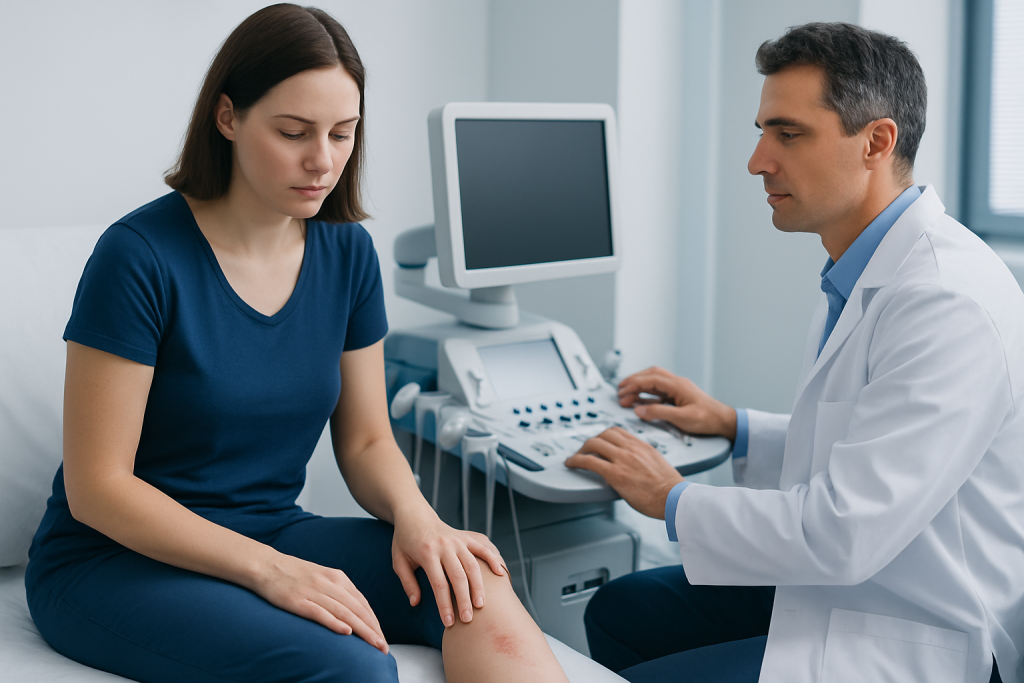
Flea bites usually show up as small, raised, red bumps that itch more than they hurt. They may appear in groups or short lines, and they often favor the ankles, feet, calves, or waistline because fleas tend to reach exposed skin close to the ground.
Some people notice a tiny center point where the bite occurred, while others develop a larger area of redness around the bump. The skin may feel warm or tender after scratching, and the itch can be worse at night or after the person has been sitting or resting in an infested area.
Common features may include:
- Clusters of itchy bumps, often on the lower legs
- Small red dots or raised papules
- Scratch marks or irritated skin from rubbing
- Occasional swelling around the bite
Children and people with sensitive skin may react more strongly, and some individuals can develop a hive-like response or a wider rash. If the skin becomes crusted, very painful, or starts draining fluid, another problem such as infection may be developing.
Causes & Risk Factors
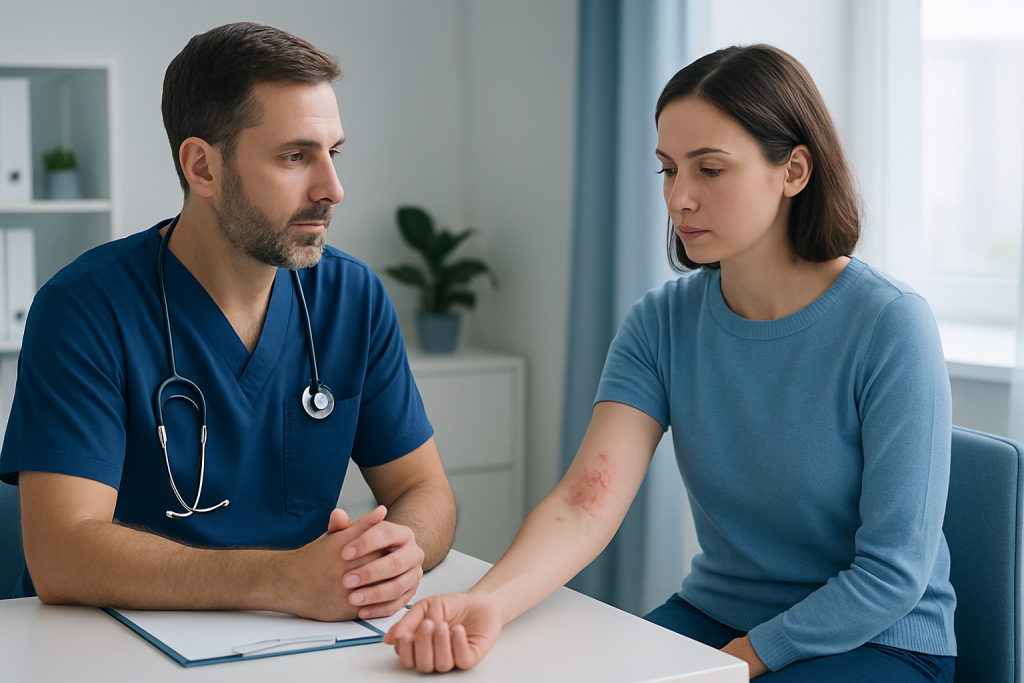
Flea bites happen when fleas jump onto a person and feed briefly before moving away. Human skin is not their preferred long-term home, but fleas will bite opportunistically if they have access to people, pets, or indoor spaces where they can live and breed.
Pets are a common source, especially cats and dogs, but fleas can also come from carpeted homes, secondhand furniture, shared sleeping spaces, or wildlife around the property. Warm climates, humid environments, and close contact with animals can all increase the chances of exposure.
Risk can be higher when a person:
- Lives with untreated pets
- Spends time in flea-prone housing or outdoor settings
- Has a history of strong skin reactions to insect bites
- Shares bedding or furniture with infested animals
In international travel settings, exposure may happen during stays in unfamiliar accommodations, visiting family homes, or when handling animals in a new environment. The source is not always obvious right away, which is why a practical check of the surroundings is often needed alongside skin care.
Diagnosis
Flea bites on humans are usually identified by their appearance, location, and the story of recent exposure. A clinician may ask whether pets are present, whether the itching started after sleeping in a specific place, and whether other household members have similar bumps.
There is no single test for an ordinary flea bite. Instead, diagnosis is generally clinical, meaning it relies on the pattern of the rash and the likely exposure source. This also helps distinguish flea bites from bedbug bites, scabies, allergic rashes, or other insect bites that can look similar at first glance.
If the skin reaction is unusually strong, keeps returning, or seems infected, a doctor may examine the rash more closely. In some cases, they may look for signs of secondary infection, dermatitis, or another skin condition that is being mistaken for flea bites.
Treatment Options
Most flea bites on humans improve with supportive care while the skin heals. The first step is usually to wash the area gently with soap and water, then use a cool compress to calm the itch and reduce swelling.
Over-the-counter options may help some people, including soothing lotions or oral antihistamines, but the best choice depends on age, medical history, and other medicines being taken. People should avoid overusing strong topical products or putting many different creams on irritated skin, since that can add more irritation rather than relieve it.
Care typically focuses on three goals:
- Calming the itch and inflammation
- Preventing scratching and skin damage
- Treating the flea source so new bites stop
If the skin becomes infected, a clinician may recommend prescription treatment. That becomes more important when there is increasing pain, pus, spreading redness, or fever, because those features suggest the issue is no longer just a simple bite reaction.
When bites recur during travel or after relocation, a broader look at the environment can be useful. New bedding, luggage, pets, carpets, and upholstered surfaces may all need attention so the person is not repeatedly exposed while trying to recover.
Prevention & Self-care
The most effective prevention is reducing contact with fleas at their source. If pets are involved, they usually need veterinary flea control, and the home environment may need thorough cleaning so eggs and larvae are addressed as well as adult insects.
For skin comfort, people can avoid scratching, keep nails short, and wear loose clothing that does not rub the bites. A cool compress may be helpful for short periods, and gentle skin care can support healing while the inflammation settles.
Practical prevention steps may include:
- Washing bedding, pet blankets, and washable fabrics regularly
- Vacuuming carpets, rugs, and upholstered furniture carefully
- Checking pets and their resting areas for fleas
- Using veterinarian-recommended flea prevention for animals
- Inspecting luggage, bedding, and sleeping areas after travel if bites appear
People with sensitive skin may also benefit from moisturizing intact skin so it is less easily irritated. If the source of bites is unclear, a systematic review of the home, pets, and sleeping spaces is often more effective than treating the rash alone.
When to See a Doctor
Medical advice is sensible if the bites are very widespread, the itch is severe enough to disturb sleep, or the skin is not settling after a reasonable period. A doctor can confirm whether the rash is truly from fleas or whether another condition needs different care.
Prompt evaluation is especially important if there are signs of infection, such as increasing warmth, swelling, pain, pus, or red streaking. A doctor should also be consulted if a person has a strong allergic reaction, breathing difficulty, or swelling of the face or lips, since those symptoms require urgent care.
People who keep getting new bites may need help identifying the source, especially if they are traveling, staying in a shared home, or caring for pets. In such situations, a clinician can guide both skin treatment and the next steps for environmental control so the problem does not keep returning. Acibadem Health Point’s multidisciplinary specialists and JCI-accredited hospitals can help diagnose and treat skin concerns like this for international patients who need coordinated care.
Living With Recurrent Bites While Traveling or Away From Home
Repeated flea bites can be frustrating when someone is far from their usual doctor or pet-care routine. The practical challenge is often not the itch itself, but the uncertainty about where the bites are coming from and how to stop them in a temporary setting.
When traveling, it helps to check sleeping areas, keep luggage off carpets if possible, and monitor any new rash soon after exposure. If bites appear after staying in one location, saving photos of the rash and noting where and when it started can make it easier for a clinician to assess the pattern later.
Recovery is usually straightforward once the source is addressed, but patience matters. The skin may take several days to calm, especially if there has been repeated scratching, and a calm, step-by-step approach usually works better than trying to force the rash to disappear quickly.
Frequently asked questions
What do flea bites on humans usually look like?
They often appear as small, itchy red bumps, sometimes in clusters or short lines. The ankles, feet, and lower legs are common sites because fleas tend to bite areas close to the ground.
How can flea bites be told apart from bedbug bites?
Both can cause itchy clustered bumps, so the appearance alone may not be enough. The exposure history matters: flea bites are often linked to pets or carpets, while bedbug bites are more often associated with sleeping areas and travel accommodations.
Do flea bites need prescription treatment?
Most do not. Simple care such as washing the area, using a cool compress, and avoiding scratching is often enough, but prescription treatment may be needed if the skin becomes infected or the reaction is unusually strong.
Can fleas bite people even if they do not have pets?
Yes, they can. Fleas may be present in carpets, furniture, wildlife areas, or temporary sleeping spaces, so pets are common but not the only source.
How long do flea bites take to heal?
Many improve over several days, though itching can linger longer if the skin is scratched. Healing is usually smoother once the source of fleas is removed and the skin is kept clean and protected.
When should someone worry about flea bites?
Medical review is a good idea if the rash is spreading, very painful, infected-looking, or associated with swelling of the face or breathing difficulty. It is also sensible to seek advice if the bites keep returning and the source cannot be found.
References
- Centers for Disease Control and Prevention
- World Health Organization
- American Academy of Dermatology
- Mayo Clinic
- Merck Manual Professional Edition
This article is for general information only and is not a substitute for professional medical advice. Please consult a qualified doctor about your individual situation.
Explore treatments in Turkey — costs, top hospitals & a free quote
JCI-accredited · board-certified surgeons · reply within 24h
Add us as a Preferred Source to see more of our trusted health content across Google Search, AI Overviews and Discover.