Fifth Disease: Symptoms, Causes and Treatment

Key Takeaways
- Fifths disease is caused by parvovirus B19 and is usually mild in healthy children and adults.
- The classic sign is a bright red facial rash, sometimes followed by a lacy rash on the body.
- Diagnosis is often clinical, but blood tests may help in pregnancy, anemia, or unclear cases.
- Treatment focuses on rest, fluids, and symptom relief rather than antiviral medicine.
- Pregnant people, individuals with anemia, and those with weakened immunity should seek medical advice promptly if exposed or symptomatic.
Medically reviewed by the Acıbadem clinical team — August 19, 2026
Fifths disease, also called erythema infectiosum, is a common viral illness most often seen in children. It usually causes a mild fever, cold-like symptoms, and a distinctive facial rash that often clears without specific treatment.
Overview
Fifths disease is a viral infection that most families first notice through a rash, but it often begins quietly with mild cold-like symptoms. It is caused by parvovirus B19 and is common in school-age children, although adults can catch it too.
The name comes from an older grouping of childhood rashes, but the medical term most often used today is erythema infectiosum. In everyday life, what matters most is recognizing that the illness is usually mild and self-limited, while also understanding when it deserves closer attention.
For families making decisions from another country, the diagnosis is often straightforward once the typical rash appears. If there is uncertainty, pregnancy, anemia, or a weakened immune system in the household, a doctor may recommend a more careful evaluation.
Symptoms
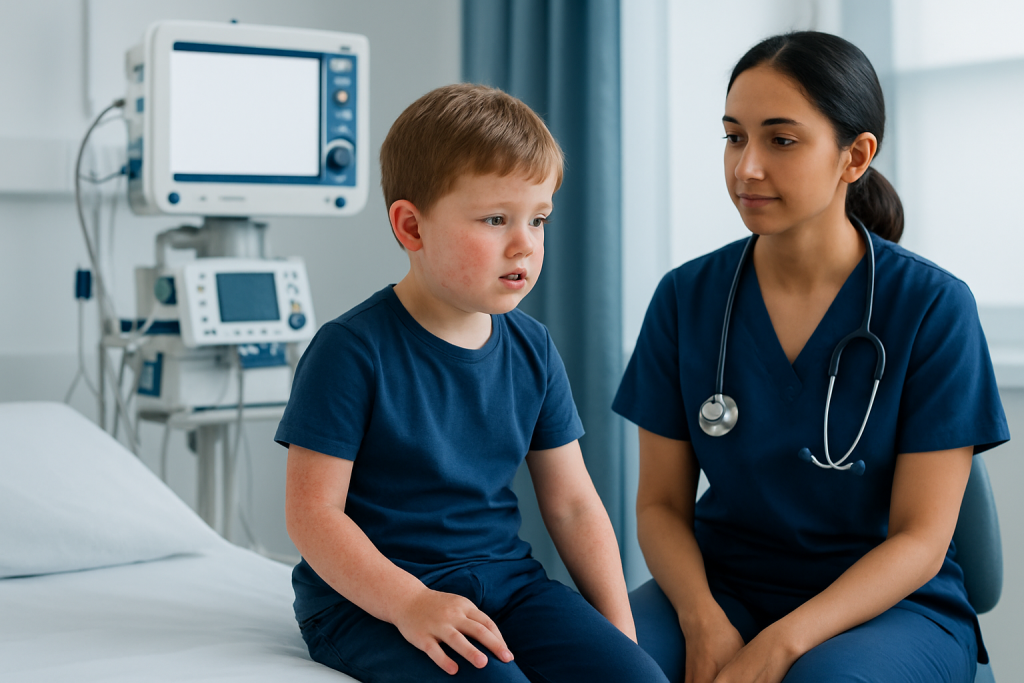
Fifths disease often starts with low-grade fever, fatigue, headache, sore throat, or a runny nose. Some children seem slightly unwell for a few days and then improve before the rash appears.
The best-known feature is the “slapped cheek” rash on the face, which can look bright red and warm. A few days later, a lacy or net-like rash may spread to the arms, legs, and trunk; it may come and go, especially with heat, exercise, or sun exposure.
Not everyone has the full pattern. Adults are more likely than children to notice joint aches, stiffness, or generalized discomfort, and in some cases the rash may be subtle or absent.
- Early mild fever or cold-like symptoms
- Red cheeks with a pale area around the mouth
- Lacy rash on the body or limbs
- Itching in some cases
- Joint pain, especially in adults
Causes & Risk Factors
The illness is caused by parvovirus B19, which spreads mainly through respiratory droplets when an infected person coughs or sneezes. It can also spread through close contact, and less commonly through blood products or from parent to baby during pregnancy.
Children in group settings such as schools and day care centers are more likely to be exposed. Adults who work with children, caregivers, teachers, and family members living in the same home may also encounter the virus.
Most healthy people recover without complications, but certain groups need extra caution. These include pregnant people, individuals with chronic anemia or blood disorders, and those with weakened immune systems, since the virus can affect blood cell production more seriously in these situations.
Diagnosis
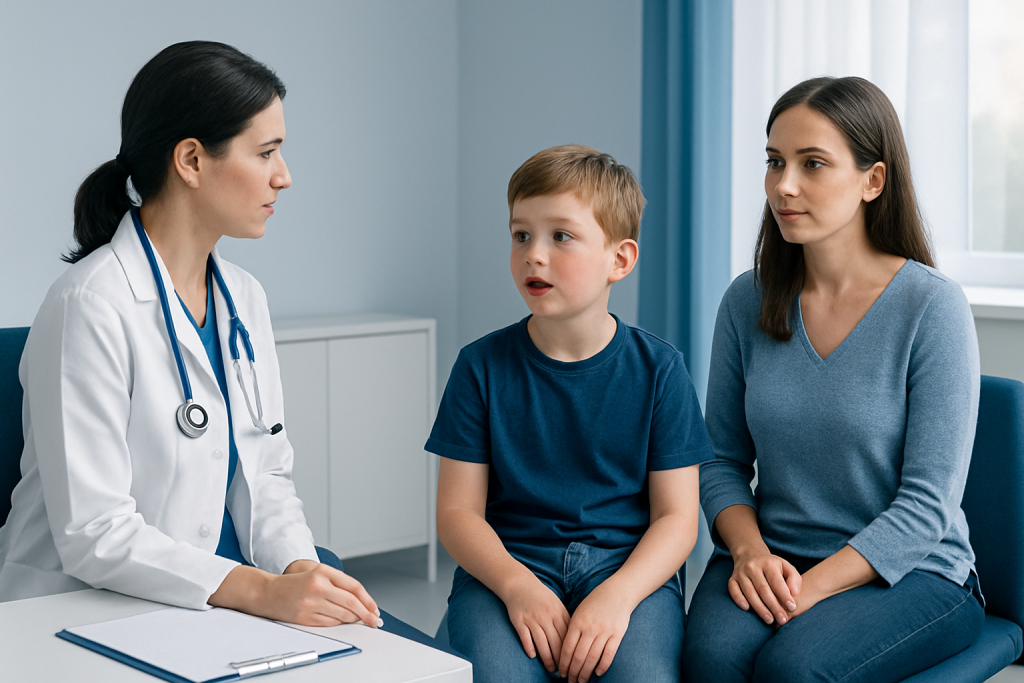
In many cases, a clinician can diagnose fifths disease by examining the rash and hearing the recent history of mild fever or exposure to a sick child. The classic appearance is often enough to make the diagnosis without extensive testing.
When the pattern is less typical, blood tests may be used to look for parvovirus B19 antibodies or evidence of recent infection. Testing is more likely to be considered if the patient is pregnant, has anemia, has immune suppression, or needs a clearer explanation for joint symptoms or unusual fatigue.
From an international-patient perspective, this is often a condition that does not require urgent imaging or hospital-based procedures. Still, a medical review is important when the rash is unclear, symptoms are prolonged, or another illness could be causing a similar skin eruption.
Treatment Options
There is no specific antiviral treatment for routine fifths disease in otherwise healthy people. Care is usually supportive, meaning it focuses on easing symptoms while the immune system clears the infection.
Rest, adequate fluids, and gentle symptom relief are usually enough. Fever or aches may be managed with common over-the-counter medicines if a doctor or pharmacist says they are appropriate for the person’s age and medical history.
If joint pain is bothersome, adults may need temporary activity modification and medical guidance. People with anemia, weakened immunity, or more complex health needs may require closer follow-up, and pregnant patients should be assessed promptly after exposure or if infection is suspected.
- Rest and hydration
- Symptom relief for fever, aches, or itching
- Follow-up if anemia or pregnancy is a concern
- Medical monitoring for immune-related or blood-related complications
Prevention & Self-care
Prevention starts with the same habits that reduce many respiratory infections: careful hand hygiene, covering coughs and sneezes, and avoiding close contact with people who are obviously unwell when possible. Because people are often contagious before the rash appears, these steps help reduce spread even when no one yet knows an infection is present.
Once the rash has appeared, many people are no longer considered contagious, though a clinician may give more specific guidance in special situations. Families often find it helpful to keep children comfortable, encourage fluids, and avoid overheating, which can make the rash more noticeable.
If the affected person has chronic anemia, a blood disorder, or a weakened immune system, self-care should be paired with medical advice. Pregnant individuals should contact their obstetric provider after a known exposure, even if they feel well, so the next steps can be planned appropriately.
When to See a Doctor
Medical advice is sensible if the rash is unusual, the fever is high or persistent, or the person seems more unwell than expected for a typical viral illness. It is also important to seek care if symptoms are not improving or if the diagnosis is uncertain.
Prompt evaluation is especially important for pregnant people, people with sickle cell disease or other blood disorders, those with weakened immunity, and anyone with signs of significant anemia such as unusual paleness, marked fatigue, shortness of breath, or dizziness. New joint swelling or severe pain also deserves attention.
For families coordinating care across borders, a clinician can help decide whether simple monitoring is enough or whether testing and follow-up are needed. Acibadem Health Point’s multidisciplinary specialists and JCI-accredited hospitals diagnose and treat this condition for international patients, with care plans tailored to age, risk factors, and travel needs.
Frequently asked questions
Is fifths disease the same as hand, foot, and mouth disease?
No. Fifths disease is caused by parvovirus B19 and usually causes the classic slapped-cheek rash, while hand, foot, and mouth disease is a different viral illness that often affects the mouth, hands, and feet. A clinician can help distinguish them if the rash pattern is unclear.
How long does fifths disease usually last?
The mild cold-like phase often improves within a few days, while the rash can linger or return intermittently for one to three weeks. In some people, especially adults, joint symptoms may last longer than the rash.
Can a child go to school with fifths disease?
Many children are most contagious before the rash appears, so once the rash is present they may already be past the most infectious stage. School policies can vary, and a doctor or school health team can advise if the child has fever, feels unwell, or has another condition that changes the situation.
Is fifths disease dangerous during pregnancy?
Most pregnancies are not affected, but parvovirus B19 can sometimes cause complications, so exposure should be discussed with an obstetric doctor. Blood tests and follow-up may be recommended depending on the timing and whether infection is suspected.
Why do adults with fifths disease often have joint pain?
Adults are more likely than children to develop joint aches or stiffness as part of the immune response to the virus. The discomfort is usually temporary, but persistent or severe symptoms should be assessed by a doctor.
Can fifths disease happen more than once?
It is uncommon to get the same infection repeatedly because people usually develop immunity after infection. However, different rashes and viral illnesses can look similar, so a new rash does not always mean the same virus has returned.
References
- Centers for Disease Control and Prevention
- World Health Organization
- American Academy of Pediatrics
- Mayo Clinic
- National Health Service
This article is for general information only and is not a substitute for professional medical advice. Please consult a qualified doctor about your individual situation.
Explore treatments in Turkey — costs, top hospitals & a free quote
JCI-accredited · board-certified surgeons · reply within 24h
Add us as a Preferred Source to see more of our trusted health content across Google Search, AI Overviews and Discover.