Fifth Disease

Key Takeaways
- Fifth disease is a contagious viral infection caused by parvovirus B19.
- The classic sign is a red, “slapped cheek” rash that may be followed by a lacy rash on the body.
- Many children feel well or have only mild cold-like symptoms before the rash appears.
- Most cases improve with rest, fluids, and symptom relief at home.
- Medical advice is especially important in pregnancy, anemia, or weakened immunity.
Fifth disease is a common viral illness caused by parvovirus B19, best known for its bright cheek rash in children. It is usually mild and self-limited, but it can matter more in pregnancy, certain blood disorders, and immune conditions.
Overview
Fifth disease is a common childhood infection caused by parvovirus B19. It earned its name from an older list of illnesses that caused rashes in children, but its everyday story is simpler: a brief viral illness that often passes with little more than supportive care.
For many families, the first clue is the look of the rash rather than a fever or cough. A child may seem fine, then develop bright red cheeks that can resemble a “slapped cheek” pattern. Over the next few days, a lacy rash may spread to the arms, legs, and trunk, sometimes fading and reappearing with heat or sun exposure.
Although fifth disease is usually mild, it deserves attention because it can be more important in pregnancy, in people with certain blood disorders, and in those with weakened immune systems. Understanding when it is likely to be harmless and when it needs medical guidance can make home care much calmer and more effective.
Symptoms
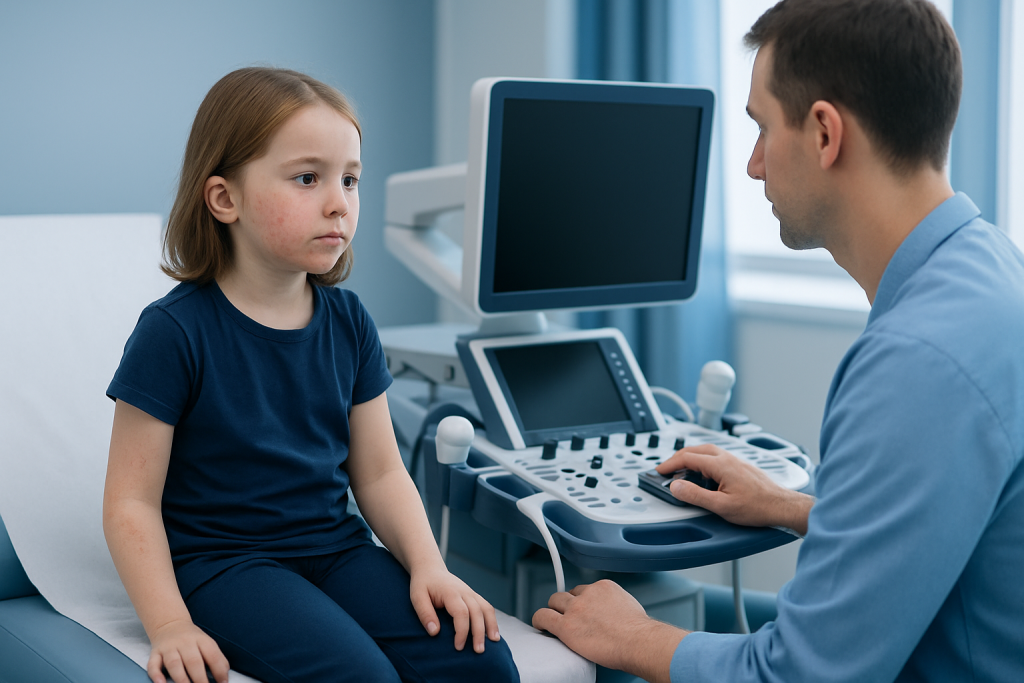
The illness often begins quietly. Some people, especially children, have no early symptoms at all. Others notice a low fever, tiredness, headache, sore throat, runny nose, or mild stomach discomfort before the rash arrives.
The most recognizable sign is the facial rash. The cheeks can become red, warm, and vivid, while the area around the mouth often stays pale. After that, a second rash may appear on the body. It is commonly lacy or net-like and may be slightly itchy.
Symptoms can vary by age. Older children and adults may be more likely to notice joint aches or stiffness, particularly in the hands, wrists, knees, or ankles. In many cases, the rash is the most visible part of the illness, but the person is already on the road to recovery by the time it appears.
- Red cheeks with a “slapped cheek” appearance
- Lacy rash on the arms, legs, or trunk
- Mild fever or fatigue
- Headache, sore throat, or runny nose
- Joint discomfort, especially in adolescents and adults
Causes & Risk Factors

Fifth disease is caused by parvovirus B19, a virus that spreads mainly through respiratory droplets when an infected person coughs, sneezes, or talks. It can also spread through close contact and, less commonly, through blood or from mother to baby during pregnancy.
The infection is most common in school-aged children, but adults can catch it too. Because many people are exposed during childhood, some adults already have immunity from a past infection and will not become ill again.
Certain situations call for extra care. A person with chronic anemia, sickle cell disease, thalassemia, a weakened immune system, or pregnancy may have a more significant response to parvovirus B19. In these settings, a virus that is usually mild can require closer follow-up and, sometimes, specialist evaluation.
Diagnosis
Doctors often diagnose fifth disease based on the appearance of the rash and the pattern of symptoms. In a child with the classic facial rash and a mild preceding illness, the diagnosis may be made without extensive testing.
When the picture is less clear, blood tests may help. These tests can show whether the person has recent or past exposure to parvovirus B19 and may be useful if pregnancy, anemia, or immune suppression is involved. In some cases, additional evaluation is needed to rule out other causes of rash or joint pain.
For international patients who are seeking care while traveling or arranging follow-up from abroad, it helps to bring any previous test results, vaccination records, medication lists, and a timeline of symptoms. A clear history often saves time and makes the consultation more useful.
Treatment Options
There is no specific cure for fifth disease in most uncomplicated cases. Treatment focuses on comfort while the body clears the virus. Rest, fluids, and simple measures for fever or aches are usually enough.
Because the illness is viral, antibiotics do not treat it. The rash itself does not usually need a special medicine unless itching is bothersome. Over-the-counter pain relievers may be suggested by a clinician for fever or joint discomfort, but the choice depends on age, health history, and other medications.
When fifth disease affects a pregnancy, blood condition, or immune system, the plan may be different. Doctors may recommend monitoring, repeat blood tests, ultrasound assessment in pregnancy, or other targeted care. In rare situations, treatment may need to address anemia or another complication rather than the rash itself.
- Rest and adequate hydration
- Symptom relief for fever, soreness, or itching
- Avoiding unnecessary antibiotics
- Medical monitoring for pregnancy or blood-related risk
- Follow-up if symptoms persist or worsen
Prevention & Self-care
Prevention centers on reducing spread, especially in homes, schools, and daycare settings. Hand hygiene, covering coughs and sneezes, and staying home when acutely unwell can help limit transmission, although the virus can spread before the rash appears.
Once the facial rash develops, many people are no longer very contagious, but that does not mean every situation is the same. A clinician may give specific guidance about school attendance, work, or contact with pregnant people based on timing and household exposure.
At home, comfort matters most. A cool room, gentle skin care, and loose clothing can help if the rash is itchy or irritated. Families caring for a child or adult with fifth disease should watch for hydration, energy level, and any new symptoms such as shortness of breath, unusual pallor, or worsening joint pain.
- Wash hands regularly
- Use tissues or elbow-coughing etiquette
- Keep sick children home during the early febrile phase if advised
- Support rest, fluids, and comfortable skin care
- Seek advice promptly if pregnancy or anemia is involved
When to See a Doctor
Medical review is wise if the diagnosis is uncertain, if the rash is accompanied by significant fever, or if a child or adult seems more unwell than expected. It is also important to seek care when joint pain is substantial, when symptoms do not follow the usual improving pattern, or when dehydration is a concern.
Special attention is needed during pregnancy, because parvovirus B19 exposure may affect the fetus in some cases. People with chronic anemia, sickle cell disease, thalassemia, or immune suppression should also contact a doctor early, even if symptoms seem mild at first.
If someone develops trouble breathing, marked weakness, chest pain, signs of severe anemia, or confusion, urgent medical assessment is appropriate. For patients organizing care across borders, it can be helpful to arrange a prompt consultation with a pediatrician, infectious disease specialist, or obstetric team, depending on the situation. Acibadem Health Point’s multidisciplinary specialists and JCI-accredited hospitals can diagnose and treat this condition for international patients when coordinated care is needed.
Frequently asked questions
What causes fifth disease?
Fifth disease is caused by parvovirus B19. It spreads mainly through respiratory droplets and close contact, which is why it is common in schools and households. Most infections are mild, but the timing and setting of exposure can matter in pregnancy or certain medical conditions.
Is the rash from fifth disease contagious?
The person is usually most contagious before the rash appears, during the early cold-like phase. Once the rash is present, contagiousness is often lower, but the exact timing can vary. A doctor can advise more specifically if there is exposure to pregnancy or a high-risk condition.
Can adults get fifth disease?
Yes, adults can get fifth disease, even though it is often seen in children. Adults may have joint pain or stiffness more often than children. Some adults already have immunity from a previous infection and will not get it again.
How is fifth disease diagnosed?
Doctors often diagnose it by the pattern of symptoms and the typical rash. Blood tests may be used when the diagnosis is unclear or when pregnancy, anemia, or immune suppression needs closer review. The right approach depends on the person’s health background and timing of symptoms.
Does fifth disease need antibiotics?
No, antibiotics do not treat fifth disease because it is caused by a virus, not bacteria. Care usually focuses on rest, fluids, and relief of fever, aches, or itching. If symptoms suggest another illness, a doctor may investigate further rather than prescribe antibiotics automatically.
What should pregnant people do after exposure?
They should contact their obstetric care team or doctor for individualized guidance. Many exposures do not lead to complications, but evaluation may be recommended to check for recent infection and to plan follow-up if needed. Prompt advice is the safest way to manage uncertainty.
References
- Centers for Disease Control and Prevention
- World Health Organization
- Mayo Clinic
- American Academy of Pediatrics
This article is for general information only and is not a substitute for professional medical advice. Please consult a qualified doctor about your individual situation.
More from the Health Library



Related Specialists

Dt. Aydın Akçakoca
Oral & Dental Health
Prof. Dr. Yeşim Eralp
Medical Oncology
Assoc. Prof. Dr. Tonguç Utku Yilmaz
General Surgery
Prof. Dr. Ayşe Sarioğlu
Pediatric Cardiology