Fetal Alcohol Syndrome Face

Key Takeaways
- Facial features are only one part of fetal alcohol syndrome and should be interpreted alongside growth, brain, and developmental findings.
- Diagnosis is clinical and often involves a pediatric specialist, developmental assessment, and review of prenatal history.
- There is no cure for the condition, but early support can improve daily functioning, learning, and family routines.
- A child with these features needs a calm, nonjudgmental evaluation rather than assumptions or labels.
- Avoiding alcohol during pregnancy is the most reliable way to prevent fetal alcohol spectrum disorders.
Fetal alcohol syndrome face refers to a set of facial features that may be seen in children affected by prenatal alcohol exposure. Understanding these signs can help families seek timely pediatric evaluation, developmental support, and compassionate guidance.
Overview
Fetal alcohol syndrome face is a phrase often used to describe a cluster of facial characteristics that may appear in a child exposed to alcohol before birth. These features can include a smooth area between the nose and upper lip, a thin upper lip, and smaller eye openings, but no single facial sign confirms the condition on its own.
What matters clinically is the full picture. Doctors look at facial appearance together with growth patterns, learning and behavior, developmental milestones, and the pregnancy history when it is available. For families searching for answers, the most useful first step is not guessing from photos or online lists, but arranging a careful pediatric assessment.
The term is closely linked to fetal alcohol spectrum disorders, a broader group of conditions that can affect the brain, behavior, and physical development. Some children have obvious facial features, while others do not, even when prenatal alcohol exposure has caused significant developmental challenges.
Recognizing the Facial Features
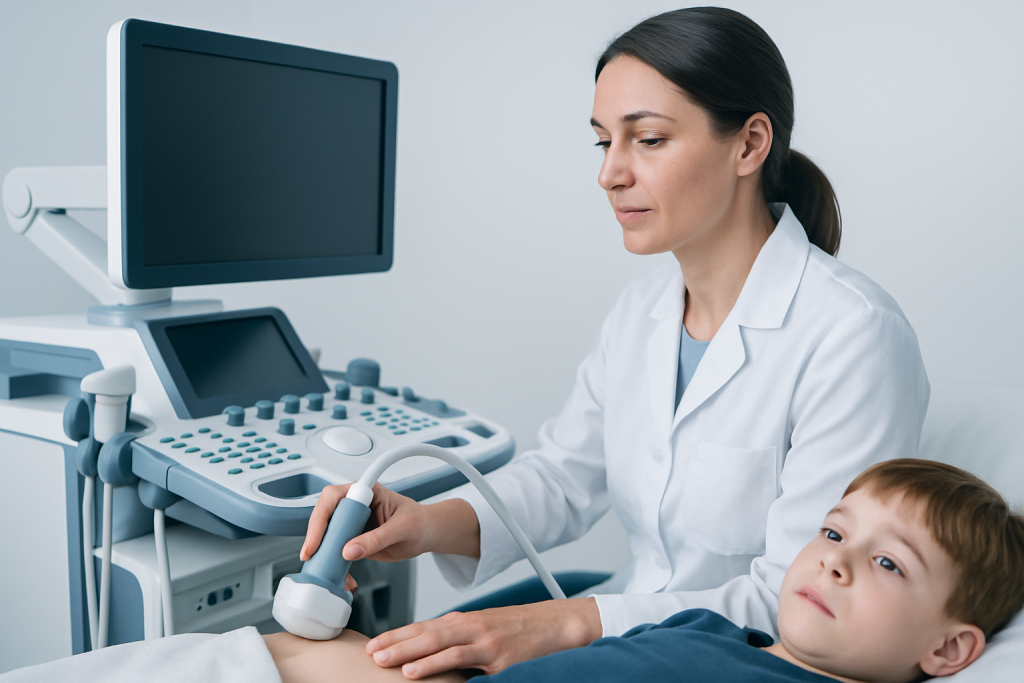
The facial findings associated with fetal alcohol syndrome are usually subtle rather than dramatic. They are most meaningful when seen by a clinician familiar with child development and craniofacial assessment. In many children, the features are easiest to notice in early childhood and may become less apparent with age.
Commonly described features may include:
- A smooth philtrum, the groove between the nose and upper lip
- A thin upper lip
- Small eye openings
- A short or upturned nose
- A flatter midface appearance
Not every child with prenatal alcohol exposure will show these traits, and similar facial patterns can appear in other genetic or developmental conditions. That is why a diagnosis should never be based on appearance alone, especially when a family is trying to decide whether to travel for specialist care or seek follow-up close to home.
Causes and Risk Factors

The cause is prenatal alcohol exposure. Alcohol can cross the placenta and affect how a fetus develops, including the formation of facial structures and the developing brain. The timing of exposure during pregnancy can influence which features are seen and how severe they may be.
Risk is not determined by one simple factor. The amount and pattern of alcohol use, the stage of pregnancy, and individual differences in fetal development can all play a role. Because there is no known safe amount of alcohol during pregnancy, prevention focuses on avoiding alcohol entirely once pregnancy is possible or confirmed.
Families sometimes feel guilt or confusion when they first hear the diagnosis. A supportive medical conversation should focus on care needs rather than blame. In cross-border care settings, clear communication about pregnancy history, past records, and developmental concerns can help the specialist team build a more complete understanding.
How Doctors Diagnose It
Diagnosis is usually made by a pediatrician, developmental specialist, clinical geneticist, or multidisciplinary team. The doctor examines facial features, checks growth measurements, reviews speech, learning, and behavior, and asks about pregnancy and early life history when available.
Because several conditions can resemble parts of fetal alcohol syndrome, evaluation may also include genetic testing or other assessments to rule out alternative explanations. This is especially important when a child has developmental delay, attention difficulties, feeding issues, or growth concerns without a clear prenatal history.
For international patients, diagnosis may happen over more than one visit. A first consultation may focus on history and physical findings, followed by developmental testing, hearing or vision checks, and a plan for ongoing follow-up after returning home. Families often find it helpful to bring school reports, old medical notes, and any birth records they can access.
Treatment Options and Support
There is no treatment that removes the facial features or reverses prenatal alcohol exposure, but there are many ways to support a child’s health and development. Care is usually tailored to the child’s needs and may involve pediatrics, speech therapy, occupational therapy, psychology, education support, and sometimes neurology or genetics.
Support may include:
- Speech and language therapy for communication skills
- Occupational therapy for daily routines and sensory needs
- Behavioral and educational support for attention, learning, and planning
- Regular vision, hearing, and growth monitoring
- Family counseling to help caregivers build consistent routines
When children are seen in a specialist center, the goal is not only to name the condition but also to map out practical next steps that can continue after the family returns home. That plan may include written therapy goals, school recommendations, and follow-up instructions that are easy to share with local doctors.
Prevention and Self-care
Prevention begins before pregnancy and continues throughout it. Avoiding alcohol entirely during pregnancy is the clearest way to prevent fetal alcohol spectrum disorders. For people trying to conceive, stopping alcohol before pregnancy is the safest approach because pregnancy may not be recognized right away.
For caregivers already raising a child with fetal alcohol syndrome face or related findings, self-care matters too. Predictable routines, simple instructions, quiet environments, and close communication with teachers and therapists can reduce daily stress. Children often do better when adults respond calmly and consistently rather than assuming poor behavior is intentional.
Families traveling for evaluation can prepare by organizing questions, medications, school documents, and a list of observed concerns. After the visit, keeping a single written care plan can make it easier to coordinate with pediatricians and therapists in another country.
When to See a Doctor
A child should be seen by a doctor if facial features raise concern along with delayed speech, learning difficulties, poor growth, attention problems, unusual sleep patterns, or trouble with coordination. Even if the facial signs are mild, developmental concerns deserve attention.
Medical evaluation is also appropriate when parents, teachers, or pediatricians notice that a child struggles more than expected with memory, self-regulation, or understanding routines. Early assessment can open the door to school support and therapies that fit the child’s strengths and challenges.
If a family is considering specialist care abroad, it can be reasonable to seek a center that offers coordinated pediatrics and developmental assessment, especially when multiple concerns need to be reviewed in a short time. Acibadem Health Point’s multidisciplinary specialists and JCI-accredited hospitals can diagnose and treat this condition for international patients, with follow-up planning designed to support continuity of care.
Frequently asked questions
What does fetal alcohol syndrome face mean?
It refers to a set of facial features that can be seen in some children exposed to alcohol before birth. These features may suggest fetal alcohol syndrome, but they do not confirm it on their own. Doctors also consider growth, development, behavior, and prenatal history before making a diagnosis.
Can facial features alone diagnose fetal alcohol syndrome?
No. Facial features are only one part of the assessment, and similar features can appear in other conditions. A diagnosis usually requires a broader pediatric evaluation, sometimes including genetic testing and developmental assessment.
Do the facial features change as a child gets older?
They can become less obvious with age, which is one reason early evaluation is helpful. Even if the facial features are mild later on, learning, behavior, and development may still need support. Follow-up with a pediatric specialist can help track those needs over time.
Is fetal alcohol syndrome preventable?
Yes. Avoiding alcohol during pregnancy is the most reliable way to prevent fetal alcohol spectrum disorders. If someone is planning pregnancy or could become pregnant, it is safest to stop alcohol use beforehand and discuss concerns with a healthcare professional.
What should parents do if they think their child has these features?
The best next step is to arrange a pediatric appointment rather than relying on internet images or self-diagnosis. A doctor can review the child’s appearance, growth, and development and decide whether additional testing or specialist referral is needed.
Can children with fetal alcohol syndrome benefit from therapy?
Yes. Speech, occupational, behavioral, and educational support can make a meaningful difference in daily life. The earlier the child is assessed, the sooner a practical care plan can begin.
References
- Centers for Disease Control and Prevention
- World Health Organization
- National Institute on Alcohol Abuse and Alcoholism
- American Academy of Pediatrics
- Mayo Clinic
This article is for general information only and is not a substitute for professional medical advice. Please consult a qualified doctor about your individual situation.