How Long Should You Stay in Turkey After Cosmetic Surgery? A Procedure-by-Procedure Timeline

Key Takeaways
- There is no single travel timeline for cosmetic surgery; each procedure has its own recovery window.
- Many patients need a few extra days after surgery for early follow-up, dressing changes, or drain checks.
- Long-haul travel should be planned only after the surgeon confirms it is medically appropriate.
- Swelling, bruising, and limited movement can affect comfort during flights and may require special precautions.
- A clear aftercare plan is especially important for international patients who will continue recovery at home.
The right length of stay after cosmetic surgery in Turkey depends on the procedure, the healing pace, and whether follow-up checks or drain removal are needed. A safe travel plan should always leave enough time for the surgeon to review early recovery before the return journey.
Overview
For patients considering cosmetic surgery in Turkey, one of the most practical questions comes before the suitcase is packed: how long is enough? The answer is not the same for every procedure. A breast augmentation, a facelift, a tummy tuck, and a rhinoplasty all heal at different speeds, and the safest departure date depends on the operation, the patient’s general health, and the surgeon’s early post-operative assessment.
For international patients, the stay is shaped by more than the surgery itself. It also needs to account for travel fatigue, clinic follow-up, pain control, mobility, and the possibility of unexpected but manageable issues such as swelling or minor wound care. The goal is not to remain in Turkey longer than necessary, but to stay long enough to travel home safely and continue recovery with confidence.
A well-planned timeline usually includes time for the initial consultation, surgery day, early recovery, and one or more post-operative checks before flying. In many cases, surgeons prefer to see the patient at least once after the procedure and again before discharge from the country. That window gives the care team a chance to confirm that healing is progressing normally and that the patient understands home-care instructions.
Why the Length of Stay Matters
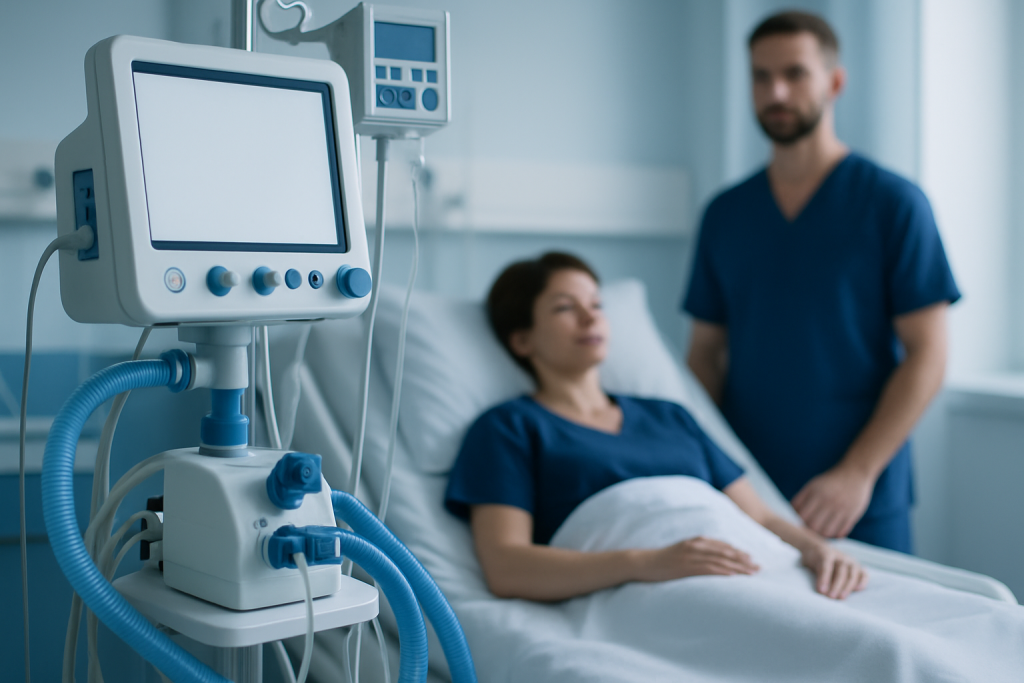
Leaving too early can turn a straightforward recovery into a stressful one. Pain, swelling, dizziness, nausea, or restricted movement can make a long flight uncomfortable, and a patient who is still within the most delicate phase of healing may need medical attention that is easier to access before travel. For procedures involving drains, sutures, compression garments, or dressing changes, the timing of departure can be especially important.
In cosmetic surgery, the first days often carry the most visible changes. Bruising peaks, swelling builds, and the body begins its repair work. That is why many surgeons schedule early reviews shortly after surgery. These visits are not simply formalities; they help confirm that the incision lines look appropriate, the patient is moving safely, and any medications or support garments are being used correctly.
International patients also need to think about follow-up continuity. Once they return home, routine care may shift to a local physician, but that handover is smoother when the surgical team has already provided clear discharge notes, warning signs to watch for, and a realistic expectation of what normal recovery looks like in the days and weeks ahead.
Procedure-by-Procedure Timeline

The exact stay depends on the procedure and the surgeon’s recommendations, but the following timelines are commonly considered when planning travel. They are general guides rather than fixed rules, because every patient’s healing pattern is unique.
- Rhinoplasty: Many patients stay around 7 to 10 days, mainly to allow for early review and removal of splints or dressings if used.
- Breast augmentation: A stay of about 5 to 7 days is often considered, especially if the patient needs a post-op check before flying.
- Liposuction: Some patients may travel after 5 to 7 days, though larger-area procedures can require longer monitoring.
- Tummy tuck (abdominoplasty): This usually requires a longer stay, often around 10 to 14 days, because movement is more limited and wound care may be more involved.
- Facelift or neck lift: Around 7 to 10 days is commonly planned to allow for swelling control and early follow-up.
- Breast reduction or breast lift: Many patients remain for 7 to 10 days, depending on drainage, dressing care, and comfort.
These time frames can be shorter or longer depending on the extent of surgery, whether multiple procedures are combined, and how the body responds in the first days after the operation. A patient who has a single minor procedure may need less time, while someone having a combined body-contouring surgery may need a more cautious schedule.
It is also worth remembering that “safe to fly” and “fully recovered” are not the same thing. A patient may be ready for a return flight while still needing several more weeks of activity restrictions, scar care, and follow-up at home.
What Affects the Recommended Stay
Several details shape the final travel plan. The extent of the surgery is one of the biggest factors, but it is only part of the picture. General health, age, smoking status, previous surgeries, blood clot risk, and the need for drains or compression therapy all influence how long a patient should remain nearby.
Combining procedures often lengthens the stay. For example, a patient having liposuction together with a tummy tuck or breast surgery may need more time than someone having a single procedure. This is because combined surgery can increase swelling, fatigue, and the amount of post-operative monitoring required. The surgeon may also want more than one follow-up visit before approving travel.
Practical issues matter too. Patients who need to sit for long periods, manage luggage, or travel with limited help may need extra time to regain enough comfort and mobility. A good plan takes into account not just the operation, but the journey home, airport transfers, and whether the patient will have support once back in their own country.
The First Days After Surgery in Turkey
The earliest recovery period is usually the most important for planning a stay. During this time, the clinic team checks the incision area, reviews symptoms, and adjusts care if needed. Some patients feel well enough to walk gently and rest in their accommodation, while others need more help with movement, bathing, or managing dressings.
Patients are often advised to keep expectations practical. Even when surgery goes smoothly, the body may feel tired and puffy, and sleep may be interrupted. Short, slow walks may be encouraged, but intense activity, heavy lifting, and unnecessary movement are typically avoided. The surgeon’s instructions should always come first, especially when different procedures have different limitations.
For international patients, this phase is when questions should be asked and answered in detail. It is useful to confirm what normal swelling looks like, which medicines are safe to continue, how to wear compression garments, how to clean the surgical area, and whom to contact if symptoms change after departure. Clear communication before the flight can prevent confusion later.
Travel Readiness and Flight Safety
Flying too soon after cosmetic surgery is not ideal, particularly after operations that increase swelling or reduce mobility. A long-haul flight can be tiring even without surgery; after surgery, the body may be more sensitive to pressure changes, dehydration, and prolonged sitting. The surgeon may advise waiting until mobility is adequate, pain is controlled, and the wound is stable enough for travel.
Patients should also ask about blood clot prevention, especially after longer operations or when the lower body has been treated. Moving around the cabin, staying hydrated, and following any individual medical advice can help reduce travel discomfort. Compression garments or other supports may be recommended, but these should be used exactly as instructed by the surgical team.
It is wise to keep documents easily accessible during the trip home. Discharge notes, medication lists, follow-up instructions, and any imaging or wound-care records can be useful if a local doctor needs to review the case later. For international patients, this simple step helps bridge the gap between treatment abroad and recovery at home.
Recovery at Home After Returning from Turkey
The return flight is only one milestone. Most cosmetic surgery patients continue healing for weeks or months after they leave Turkey, and the early phase at home still needs structure. Rest, gentle movement, proper nutrition, hydration, and careful incision care all support recovery. The surgeon’s instructions about showering, sleeping position, activity limits, and scar care should be followed closely.
Some patients schedule a local follow-up with a doctor in their home country, especially if they are far from the original surgical team. This can be helpful for routine checks, but it is important that the original surgeon’s guidance is available to the new clinician. Good aftercare depends on continuity, not guesswork.
Patients should also be patient with the appearance of the results. Swelling can obscure the final shape for quite some time, and normal healing often includes small changes from day to day. A realistic timeline helps reduce anxiety and makes the recovery feel more manageable.
When to See a Doctor
Most recovery experiences are uneventful, but certain changes deserve prompt medical review. These include worsening pain rather than gradual improvement, heavy bleeding, a sudden increase in swelling on one side, fever, shortness of breath, chest pain, or a wound that appears to be opening or draining unexpectedly. Concerns are best addressed early rather than waited out.
Patients should also contact their surgeon if they are unsure about medications, garment use, travel timing, or any symptom that feels different from what was explained during discharge. International patients may worry about disturbing the team, but follow-up questions are part of good surgical care, not an inconvenience.
At Acibadem Health Point, multidisciplinary specialists and JCI-accredited hospitals support international patients through diagnosis, surgery, and recovery planning, including the practical steps needed before travel home. A well-organized aftercare plan can make the recovery process feel steadier and safer.
Frequently asked questions
How many days do patients usually stay in Turkey after cosmetic surgery?
It depends on the procedure. Smaller operations may need around 5 to 7 days, while more involved surgeries such as a tummy tuck may require 10 to 14 days or more. The surgeon’s post-operative review should guide the final decision.
Can a patient fly home immediately after cosmetic surgery?
Usually not. Most patients need at least a short recovery period so the surgeon can check healing, manage dressings, and confirm that travel is medically appropriate. Flying too soon can be uncomfortable and may not be safe for some procedures.
Does combining procedures mean a longer stay in Turkey?
Often, yes. Combined surgery can increase swelling, tiredness, and the need for follow-up, so the surgeon may recommend additional days before travel. The exact timeline depends on the procedures performed and the patient’s recovery.
What should international patients bring for the trip home?
It helps to carry discharge notes, medication instructions, compression garment guidance, and contact details for the surgical team. These documents make it easier to continue care at home and to speak with a local doctor if needed.
How long does cosmetic surgery recovery continue after leaving Turkey?
Recovery usually continues long after the flight home. Swelling, scar maturation, and gradual return to normal activity can take weeks or months, depending on the operation. The patient should follow the surgeon’s instructions even after returning home.
What if a patient feels fine but the surgeon advises staying longer?
The surgeon’s advice should be followed. Some complications or healing issues are not obvious at first, and a short extra stay can provide valuable monitoring. The aim is safe travel, not just feeling well for one day.
References
- American Society of Plastic Surgeons
- International Society of Aesthetic Plastic Surgery
- NHS
- Mayo Clinic
This article is for general information only and is not a substitute for professional medical advice. Please consult a qualified doctor about your individual situation.
More from the Health Library

How to Prepare for a Medical Screening Visit Abroad: Fasting, Medications, and Timing Pitfalls

Male Chest Contouring: When Is It Fat, Gland, or Loose Skin?