

Eyelid Surgery (Blepharoplasty): When Is It Recommended?

Key Takeaways
- Blepharoplasty can be done for appearance, vision, or both, depending on the eyelids’ condition.
- Not every droopy eyelid needs surgery; a doctor first checks whether the issue is cosmetic, functional, or related to another medical problem.
- Recovery is usually gradual, with swelling and bruising improving over the first weeks, while final results take longer to settle.
- Good candidates are generally healthy people with realistic expectations and a clear reason for surgery.
- Any sudden eyelid drooping, pain, or vision change should be assessed promptly.
- A careful consultation helps determine whether surgery, monitoring, or another treatment is the better option.
Medically reviewed by the Acıbadem clinical team — June 13, 2026
Eyelid surgery, also called blepharoplasty, is used to address excess skin, puffiness, or drooping around the upper or lower eyelids. It may be recommended for cosmetic reasons, to improve vision when sagging skin blocks the field of view, or to relieve discomfort caused by heavy eyelids.
Overview
Eyelids do more than frame the eyes. They protect the eye surface, help spread tears evenly, and contribute to facial expression. When the skin above or below the eyes becomes loose, puffy, or heavy, blepharoplasty may be discussed as a treatment option. In simple terms, eyelid surgery removes or repositions tissue to create a smoother eyelid contour and, in some cases, reduce obstruction to vision.
The recommendation for surgery depends on the reason for the eyelid change. Some people seek blepharoplasty because they feel their eyes look tired or aged. Others notice that upper eyelid skin hangs low enough to interfere with reading, driving, or seeing upward. In international patients, the decision often combines medical assessment with travel planning, recovery timing, and the need for follow-up after returning home.
Blepharoplasty is not a one-size-fits-all procedure. A qualified specialist evaluates the eyelids, the brows, the eyes’ dryness level, and the person’s general health before advising whether surgery is appropriate. In many cases, the consultation clarifies whether the concern is truly the eyelids alone or part of a broader facial or eye-related issue.
Symptoms
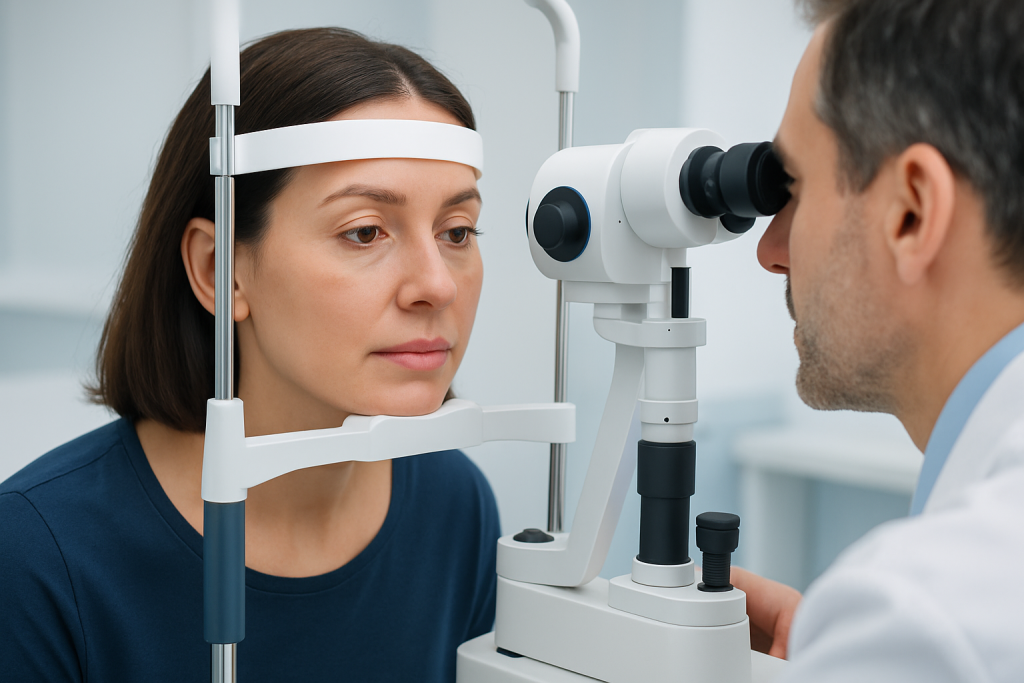
People who consider eyelid surgery often describe more than a change in appearance. A common sign is upper eyelid skin that folds over the lash line or feels heavy by the end of the day. Some people also notice that they unconsciously raise their eyebrows to see better, which can create forehead tension or headaches.
Lower eyelid concerns may look different. Puffiness, under-eye bags, or loose skin can make the eyes appear swollen or tired, even after adequate rest. In some cases, the lower lids may appear to sit away from the eye surface, which can contribute to irritation or a feeling of dryness.
- Drooping upper eyelid skin
- Reduced upper field of vision
- Under-eye bags or puffiness
- Heavy or tired-looking eyelids
- Eye strain from compensating with the forehead
- Makeup difficulty or skin irritation in the crease
It is important to note that sudden drooping of one eyelid is not the same as gradual age-related change. A new eyelid droop, especially if it appears quickly or is paired with double vision, weakness, or pain, needs medical evaluation rather than routine cosmetic planning.
Causes & Risk Factors

The most common reason blepharoplasty is considered is the natural aging process. Over time, the skin loses elasticity, muscles may weaken, and fat around the eyelids can shift or become more noticeable. These changes may affect the upper lids, the lower lids, or both.
Inherited traits also matter. Some people develop fullness or hooding around the eyes earlier in life because of family anatomy rather than age alone. Sun exposure, smoking, and chronic eye rubbing can accelerate visible changes in the eyelid area. Allergies or fluid retention may make puffiness more noticeable, although these issues do not always require surgery.
Risk factors that can influence the surgical decision include dry eye symptoms, a history of eye disease, thyroid eye problems, poor wound healing, and certain medications or health conditions. The surgeon also considers whether brow droop is contributing to the eyelid appearance, because lifting only the eyelid when the brow is the real issue may not produce the best result.
Diagnosis
Blepharoplasty begins with a detailed consultation, not a quick look in the mirror. The specialist examines the eyelids while the patient is sitting upright, because gravity changes the shape and position of the lids. Vision symptoms, eyelid closure, skin quality, brow position, and eye surface health are all reviewed.
If the upper lids seem to interfere with vision, the doctor may ask questions about daily tasks such as reading, driving, or using a computer. In some settings, the evaluation can include visual field testing or photographs to document the degree of hooding. These steps help distinguish a functional need from a purely cosmetic concern.
The doctor also checks for conditions that can imitate eyelid aging, such as ptosis, thyroid-related eye changes, or swelling from allergy or inflammation. This matters because the treatment plan changes depending on the cause. For patients traveling from another country, it is helpful when this assessment is organized clearly so that the surgical plan, recovery timeline, and follow-up needs are understood before arrival.
Treatment Options
When surgery is recommended, the technique depends on which part of the eyelid needs attention. Upper eyelid blepharoplasty usually focuses on removing or reshaping excess skin, and sometimes a small amount of muscle or fat. Lower eyelid surgery may involve smoothing puffiness, tightening loose tissue, or adjusting fat pads to reduce a baggy appearance.
The procedure is commonly performed as an outpatient operation. Local anesthesia with sedation or general anesthesia may be used, depending on the plan and the patient’s overall health. Incisions are placed where they can be well concealed, often along the natural eyelid crease or just below the lash line, with the goal of blending the result into the surrounding anatomy.
Not everyone with eyelid concerns needs surgery. In some situations, lubricating drops, allergy treatment, skin care, or observation is more appropriate. If brow position is contributing significantly, a brow-lift procedure may be discussed instead of, or together with, blepharoplasty. The best plan is individualized rather than based on appearance alone.
For patients who must coordinate care across borders, the treatment pathway should include pre-operative instructions, expected time off from work or travel, and a plan for postoperative checks. That is especially important when the patient will return home before all healing is complete.
Prevention & Self-care
Age-related eyelid changes cannot be completely prevented, but certain habits may help protect the delicate skin around the eyes and support overall eyelid health. Daily sun protection is important, because ultraviolet exposure can contribute to skin laxity over time. Avoiding smoking is also helpful for skin quality and wound healing.
People with mild puffiness or tired-looking eyes may notice improvement from sleep, hydration, allergy management, and reducing salt intake when fluid retention is a factor. Gentle skin care around the eyes can reduce irritation, but it will not reverse structural eyelid changes. Self-care is therefore best viewed as supportive rather than curative.
- Use sunglasses and broad-spectrum sunscreen around the eyes
- Do not rub the eyelids repeatedly
- Manage allergies with a clinician’s guidance
- Follow instructions for contact lens use and eye makeup removal
- Seek evaluation if drooping is sudden, one-sided, or worsening
After surgery, self-care becomes part of recovery. Patients are usually advised to rest with the head elevated, use cold compresses if recommended, avoid strenuous activity for a period of time, and attend follow-up visits. Careful adherence to postoperative guidance is especially valuable when healing is taking place away from the treating center.
When to See a Doctor
A consultation is worthwhile when eyelid changes begin to interfere with daily life, vision, or comfort. If the upper lids make reading, driving, or seeing clearly more difficult, the issue should be assessed rather than dismissed as simple aging. A doctor can determine whether blepharoplasty is appropriate or whether another problem is present.
Prompt medical review is important if eyelid drooping appears suddenly, affects only one side, or comes with eye pain, double vision, facial weakness, severe headache, or changes in pupil size. These symptoms are not typical of routine cosmetic aging and may signal a more urgent condition.
It is also sensible to discuss surgery before making travel plans or scheduling major events. Because recovery includes swelling and bruising, patients benefit from realistic timing and a clear aftercare plan. Acibadem Health Point’s multidisciplinary specialists and JCI-accredited hospitals can diagnose and treat eyelid conditions for international patients, with coordinated evaluation and follow-up when surgery is the right choice.
Recovery and What to Expect
Recovery after blepharoplasty is usually gradual and manageable, but it does take patience. Swelling, bruising, tightness, and mild discomfort are common early on. Many people find that the first several days are the most noticeable, with improvement continuing over the following weeks.
Most patients can expect temporary activity limits, including avoiding heavy lifting, vigorous exercise, and eye strain as advised by the surgical team. The eyes may feel dry or sensitive during healing, so the doctor may suggest lubricating drops or ointment. Follow-up visits help ensure that the eyelids are closing well and that healing is progressing as expected.
Final results are not immediate. The eyelids continue to settle as swelling fades and tissues soften. For international patients, it is helpful to plan enough time before flying home and to have a local physician or the surgical team guide longer-term follow-up if needed.
Frequently asked questions
When is eyelid surgery medically recommended rather than cosmetic?
It is medically recommended when drooping upper eyelids block part of the visual field, cause eye strain, or make daily activities harder. A specialist may use an eye exam or visual field testing to confirm that the eyelids are affecting function. If the concern is mainly appearance, the procedure is considered elective rather than medically necessary.
What is the difference between blepharoplasty and ptosis repair?
Blepharoplasty removes or reshapes excess skin and sometimes fat around the eyelids. Ptosis repair addresses a weak eyelid-lifting muscle that causes the eyelid itself to sit too low. A careful exam helps determine which problem is present, because the treatments are not the same.
Can eyelid surgery help with dark circles?
It may help in some cases if the darkness is caused by shadows from puffiness or under-eye hollowing. However, dark circles can also result from thin skin, pigmentation, allergies, or blood vessel visibility, which blepharoplasty may not fully correct. The surgeon should explain what improvement is realistic before surgery.
How long does recovery usually take?
Initial swelling and bruising often improve over the first one to two weeks, but subtle healing continues longer. People may feel ready for light activities earlier than for exercise or travel, depending on the operation and their doctor’s advice. The exact timeline varies from person to person.
Is eyelid surgery painful?
Most people describe it more as soreness, tightness, or discomfort rather than severe pain. The medical team usually provides instructions to keep the area comfortable during early healing. If pain becomes strong or suddenly worse, the doctor should be contacted.
Who may not be a good candidate for blepharoplasty?
People with poorly controlled medical conditions, significant dry eye, active eye disease, or eyelid problems caused by another untreated condition may need a different approach first. A surgeon also considers whether the person has realistic expectations and can follow postoperative care instructions. The safest decision comes from an individual assessment rather than assumptions based on age alone.
References
- American Academy of Ophthalmology
- American Society of Plastic Surgeons
- Mayo Clinic
- National Eye Institute
- MedlinePlus
This article is for general information only and is not a substitute for professional medical advice. Please consult a qualified doctor about your individual situation.
More from the Health Library

Blepharoplasty and Dry Eyes: What Needs Checking Before Eyelid Surgery Abroad

Eyelid Surgery and Dry Eyes: What Surgeons Check Before They Recommend Blepharoplasty

Blepharoplasty Planning: When Upper, Lower, or Combined Eyelid Surgery Makes Sense
Related Specialists

Dr. Serkan Tokgönül
Aesthetic Plastic & Reconstructive Surgery
Dr. Ömercan Yağız Öksüz
Aesthetic Plastic & Reconstructive Surgery
Prof. Dr. Mehmet Veli Karaaltın
Aesthetic Plastic & Reconstructive Surgery
Dr. Nezail Demirciler
Plastic, Reconstructive and Aesthetic Surgery