

Blepharoplasty Planning: When Upper, Lower, or Combined Eyelid Surgery Makes Sense

Key Takeaways
- Upper blepharoplasty is usually considered when excess upper-lid skin affects comfort, field of vision, or eyelid appearance.
- Lower blepharoplasty focuses on under-eye bags, loose skin, or a tired appearance beneath the eyes.
- Combined eyelid surgery may be sensible when both upper and lower lids contribute to the concern and recovery can be combined.
- A careful consultation looks beyond wrinkles and puffiness to eye health, tear production, brow position, and overall facial balance.
- Good planning includes discussion of travel timing, healing support, and follow-up if the patient is an international visitor.
Medically reviewed by the Acıbadem clinical team — July 13, 2026
Blepharoplasty planning starts with understanding what is actually changing around the eyes: excess upper-lid skin, puffiness below the eyes, or both. The best surgical plan depends on anatomy, vision-related concerns, skin quality, and the patient’s goals, especially when care is being coordinated from another country.
Overview
Blepharoplasty is eyelid surgery designed to reshape the upper eyelids, lower eyelids, or both. People often ask which version is “best,” but the more useful question is which area is responsible for the change they see in the mirror or feel during daily life. Sometimes the upper lids become heavy and hooded. In other cases, the lower lids develop puffiness or looseness. Many patients have a combination of both.
Planning matters because eyelid surgery is highly individualized. A surgeon does not simply remove skin or fat; the evaluation also considers eyebrow position, eye dryness, skin thickness, muscle tone, and whether the eyelid changes are aging-related or linked to another medical issue. When patients travel for treatment, this planning step is especially important, since the procedure, recovery time, and follow-up visits need to fit into a practical schedule.
For international patients, blepharoplasty planning often includes more than choosing a technique. It may involve preoperative photos, medical records review, travel timing, a temporary stay near the clinic, and clear instructions for aftercare once the patient returns home. A thoughtful plan helps make the experience smoother and supports a natural-looking result that matches the person’s face rather than changing it too dramatically.
Symptoms and Signs That Point to a Specific Approach
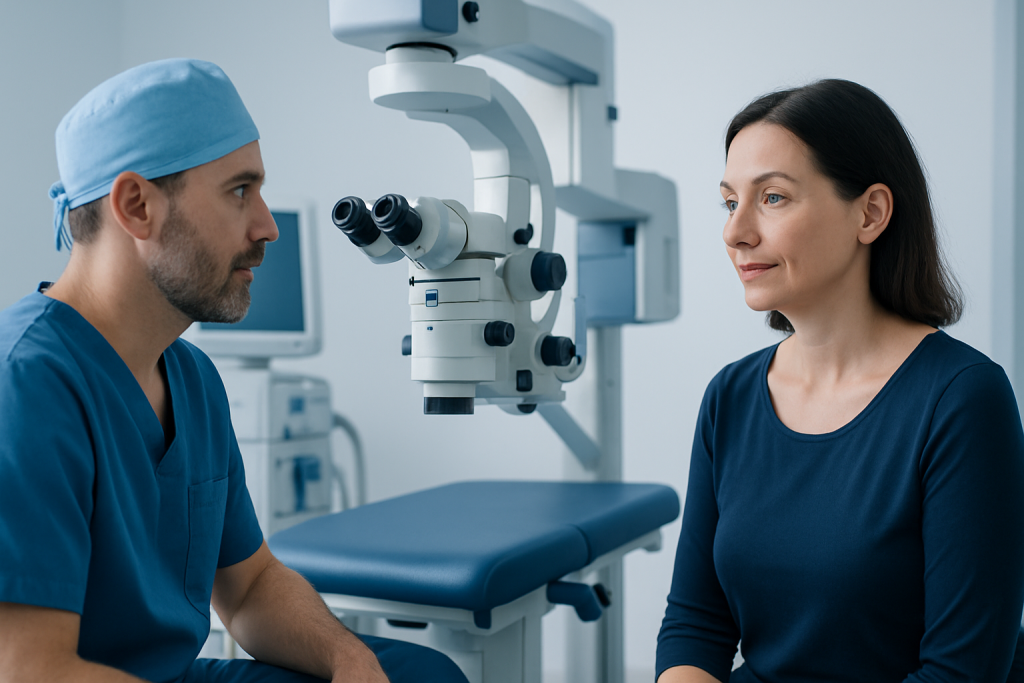
Upper eyelid concerns usually show up as drooping or folded skin that rests on the lash line, a feeling of heaviness, or the need to raise the brows to see clearly. Some people notice makeup smudging, difficulty wearing contact lenses comfortably, or a tired look that does not match how they feel. In selected cases, the skin may hang low enough to reduce the upper visual field.
Lower eyelid concerns tend to look different. Puffiness under the eyes, a shadowed trough, loose skin, or fine wrinkling can make the lower lids appear swollen or fatigued. Some patients notice that the lower eyelid area looks worse after poor sleep or at the end of the day, while others have a more constant appearance caused by fat prominence or tissue laxity.
When both upper and lower eyelids contribute to the concern, a combined approach may make sense. That decision is not based on appearance alone. A surgeon may also ask whether one side is more bothersome than the other, whether eyelid heaviness is affecting work or reading, and whether the patient’s goal is a refreshed look, improved function, or both.
- Upper-lid clues: hooding, heaviness, skin fold over lashes, reduced field of vision
- Lower-lid clues: bags, puffiness, loose skin, under-eye shadowing
- Combined clues: both upper and lower changes affecting the overall eye area
Causes and Risk Factors

Age-related eyelid changes are the most common reason people seek blepharoplasty planning. As the tissues around the eyes lose elasticity, skin can become looser, fat pads may become more visible, and the brow may gradually descend. These changes often happen slowly, which is why many people only notice them after comparing older and recent photos.
Genetics also plays a major role. Some people develop prominent under-eye bags or heavier upper lids earlier in adulthood, even before the changes are strongly associated with aging. Lifestyle factors such as sun exposure, smoking, poor sleep, and chronic eye rubbing can influence the skin’s appearance and may make the area look more tired over time, although they are not the sole cause.
Medical and anatomical factors can also affect surgical planning. Dry eye, thyroid eye disease, previous eye surgery, facial asymmetry, allergies, and weak eyelid support may all influence whether upper, lower, or combined surgery is appropriate. In some patients, the brows rather than the eyelids are the main source of heaviness, so a careful exam is needed before deciding on surgery. This is one reason a consultation should be detailed rather than rushed.
How the Evaluation and Diagnosis Work
Blepharoplasty planning starts with a clinical examination rather than a checklist of cosmetic concerns. The surgeon typically studies the eyelids at rest and with movement, checks how much excess skin is present, and assesses the position of the brows and cheeks. For the lower lids, the surgeon may look at fat prominence, skin laxity, and whether the eyelid pulls away from the eye surface when gently examined.
Eye health is part of the assessment. A person who has significant dryness, incomplete eyelid closure, or a history of contact lens intolerance may need a different strategy than someone with no ocular symptoms. The surgeon may also ask about medications, previous surgeries, allergies, and any tendency to bruise or heal slowly. Photographs are often taken because they help document the starting point and support surgical planning.
For patients traveling internationally, virtual pre-assessment may begin before arrival, but an in-person exam is still essential. This allows the team to confirm what can be addressed safely, what should be treated separately, and whether the patient is a better candidate for upper surgery, lower surgery, a combined procedure, or a non-surgical alternative. The aim is not simply to offer surgery, but to match the plan to the person’s anatomy and recovery needs.
Treatment Options and How Surgeons Choose Between Them
Upper blepharoplasty is generally considered when the main issue is extra skin or fullness in the upper eyelids. During the procedure, the surgeon removes or repositions selected tissue through an incision placed in a natural crease, which helps conceal the scar as it heals. In some cases, only a small amount of tissue needs to be adjusted; in others, more extensive reshaping is appropriate. The goal is to reduce heaviness without making the eye look hollow or overcorrected.
Lower blepharoplasty is often used for under-eye bags, loose skin, or persistent puffiness. Depending on the anatomy, the surgeon may work through an incision just below the lash line or from the inside of the eyelid. The choice depends on whether skin needs tightening, fat needs repositioning, or both. Lower-lid surgery is planned carefully because this area is delicate and the eyelid must continue to rest smoothly against the eye.
Combined blepharoplasty can be sensible when both upper and lower eyelids contribute to the patient’s concern. Doing both areas in one operation may reduce the need for two separate recovery periods, but it also means a more involved surgical day and potentially a longer initial healing phase. For some patients, a combined procedure offers the most balanced improvement. For others, it is wiser to stage the surgeries or treat only the area that is truly dominant.
Not every patient needs surgery right away. In selected situations, the surgeon may recommend postponing the procedure until dry eye, inflammation, or another eye condition is under better control. Some patients may also benefit from brow evaluation, since a low brow can create the appearance of extra upper eyelid skin. Careful selection is what keeps the outcome natural and proportionate.
What Recovery Usually Involves
Recovery after eyelid surgery is usually measured in days and weeks, not months, but it still deserves realistic planning. Swelling and bruising are common early on, especially around the upper cheeks and lower lids. Patients are often advised to rest with the head elevated, use cold compresses as directed, and avoid rubbing the eyes. The eyes may feel dry, tight, or slightly sensitive at first.
Most people need a period away from work, exercise, and social events while the first stage of healing settles. Upper eyelid surgery may recover somewhat faster than combined surgery, while lower eyelid surgery can take a bit longer to look settled because swelling in that area may linger. Sutures, if used externally, are typically removed during a follow-up visit. Makeup, contact lenses, and strenuous activity are usually resumed only when the surgeon confirms it is safe.
International patients should think ahead about where recovery will take place. A comfortable hotel or recovery accommodation near the clinic, a companion if needed, and a clear plan for postoperative checks can make the process easier. Before traveling home, the patient should understand wound care, warning signs, and how to reach the surgical team if questions arise after departure.
Prevention and Self-care
Self-care cannot prevent every eyelid change, but it can support healthier skin and more comfortable healing. Daily sun protection is helpful because ultraviolet exposure contributes to skin aging around the eyes. Avoiding smoking is also important, since smoking can impair healing and affect skin quality. Gentle skin care and adequate sleep may improve the appearance of the eye area, even though they do not replace surgery when tissue laxity is significant.
Before surgery, patients are usually asked to share a full medication list, including supplements, because some products can affect bruising or bleeding. The surgeon may advise pausing certain agents temporarily if appropriate. It is also wise to tell the clinician about dry eye symptoms, allergy history, previous laser or eyelid procedures, and whether the patient has had any problems with anesthesia or wound healing in the past.
After surgery, the most helpful habits are simple ones: follow the written instructions, attend scheduled reviews, protect the eyes from sun and dust, and avoid self-directed products on the incision line unless approved. Patients should not try to “speed up” healing with unverified remedies. Steady, uncomplicated care usually works best.
When to See a Doctor
A consultation is appropriate when the eyelids begin to interfere with vision, makeup application, contact lens wear, comfort, or confidence in a sustained way. It is also reasonable to seek advice when the under-eye area looks more puffy or loose than before and the change does not improve with rest or allergy management. People who are unsure whether the concern is truly in the eyelid or the brow area often benefit from an expert exam.
Prompt medical review is important if there is pain, sudden swelling, redness, infection symptoms, double vision, or a sudden change in how the eyelids close. These features are not typical cosmetic concerns and should be assessed. Patients with dry eye, thyroid disease, or prior eye surgery should mention these conditions early in planning so the surgeon can tailor the approach safely.
For international patients, it is helpful to begin the conversation before travel, especially if time abroad is limited. Acibadem Health Point’s multidisciplinary specialists and JCI-accredited hospitals can help diagnose and treat eyelid concerns for international patients in a coordinated setting. The best time to seek care is when a qualified clinician can evaluate the whole picture and help choose the least invasive option that still meets the patient’s goals.
Frequently asked questions
How does a surgeon decide between upper and lower blepharoplasty?
The decision is based on where the main anatomical issue is located. Upper surgery addresses heavy or hooded upper lids, while lower surgery targets bags, laxity, or under-eye fullness. Many consultations focus on whether one area is clearly dominant or whether both contribute enough to justify a combined plan.
Is combined eyelid surgery always better than doing one area at a time?
Not always. Combined surgery can be efficient when both upper and lower lids need attention, but it also means a larger initial recovery. Some patients do better with a staged plan, especially if eye dryness, healing concerns, or subtle asymmetry need to be managed carefully.
Can blepharoplasty improve vision?
Upper blepharoplasty may help when excess skin hangs low enough to reduce the upper visual field. The operation is not a treatment for all vision problems, so a formal eye and surgical assessment is still necessary. If vision changes are sudden or severe, they should be evaluated promptly.
How long does recovery usually take?
Early swelling and bruising are common in the first days and often improve over the following weeks. Many patients return to routine activities after a short rest period, but the exact timeline depends on whether upper, lower, or combined surgery was performed and how the individual heals. The surgeon’s instructions should guide the return to work, exercise, and travel.
What should international patients plan for before traveling home?
They should allow enough time for an initial postoperative check and for the surgical team to confirm that healing is on track. It helps to have clear written instructions, a way to contact the clinic, and a comfortable setting for the first phase of recovery. If possible, a companion can make the travel period easier.
Are non-surgical options ever enough?
For mild concerns, non-surgical measures such as skin care, sun protection, or treatment of allergies and dry eye may improve comfort or appearance. However, they cannot remove excess skin or reposition eyelid tissue in the way surgery can. A surgeon can help determine whether surgery is truly needed or whether a conservative approach is reasonable.
References
- American Society of Plastic Surgeons
- American Academy of Ophthalmology
- British Association of Aesthetic Plastic Surgeons
- Mayo Clinic
- National Eye Institute
This article is for general information only and is not a substitute for professional medical advice. Please consult a qualified doctor about your individual situation.
Explore treatments in Turkey — costs, top hospitals & a free quote
JCI-accredited · board-certified surgeons · reply within 24h
Add us as a Preferred Source to see more of our trusted health content across Google Search, AI Overviews and Discover.
More from the Health Library



Related Specialists

Dr. İlker Altundağ
Aesthetic Plastic & Reconstructive Surgery
Dr. Serkan Tokgönül
Aesthetic Plastic & Reconstructive Surgery
Dr. Ömercan Yağız Öksüz
Aesthetic Plastic & Reconstructive Surgery
Prof. Dr. Mehmet Veli Karaaltın
Aesthetic Plastic & Reconstructive Surgery