Erythematous Mucosa In The Antrum

Key Takeaways
- Erythematous mucosa in the antrum means the stomach lining in the antrum looks red or inflamed during endoscopy.
- It can be linked to gastritis, H. pylori infection, acid irritation, medications, alcohol, or other stomach conditions.
- The finding itself does not reveal the full cause, so doctors often combine endoscopy with biopsy and lab testing.
- Treatment focuses on the underlying cause and may include medicines, dietary changes, and stopping triggers when appropriate.
- Most people improve once the source of irritation is identified and managed under medical guidance.
Erythematous mucosa in the antrum is an endoscopy finding that describes redness in the lower part of the stomach. It is not a diagnosis on its own, but a sign that the stomach lining may be irritated or inflamed and should be interpreted alongside symptoms, test results, and medical history.
Overview
“Erythematous mucosa in the antrum” is a phrase patients often see on an endoscopy report and then understandably stop to decode. In simple terms, it means the lining of the lower part of the stomach — the antrum — looked red during the examination. Redness suggests irritation or inflammation, but it does not by itself name the exact problem.
The antrum plays an active role in digestion, helping regulate acid and the movement of food toward the small intestine. When this area is irritated, a person may have no symptoms at all, or may notice burning discomfort, nausea, bloating, or indigestion. The endoscopy finding is therefore a clue, not a complete diagnosis.
For international patients who are already planning care from another country, this wording can sound more alarming than it is. In most cases, the next step is simply to connect the visual finding with biopsy results, medication history, and symptoms so the care team can determine whether the issue is gastritis, infection, medication-related irritation, or something else.
Symptoms
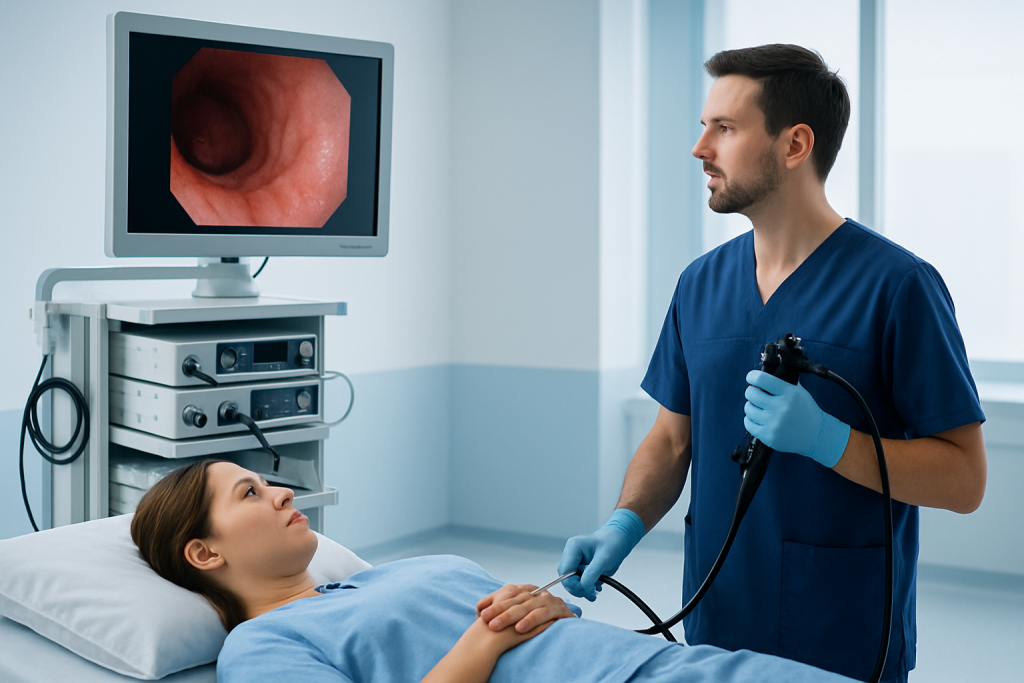
Some people with erythematous mucosa in the antrum feel perfectly well and learn about it only after a test done for reflux, anemia, abdominal pain, or a check-up. Others notice upper abdominal discomfort that comes and goes, especially after meals or at night.
When symptoms are present, they may include:
- Burning or aching pain in the upper abdomen
- Fullness, bloating, or early satiety
- Nausea or occasional vomiting
- Loss of appetite
- Heartburn or indigestion-like discomfort
Symptoms alone cannot confirm the cause of the redness. Similar complaints may occur with gastritis, peptic ulcer disease, reflux, gallbladder problems, or functional digestive disorders, which is why an endoscopy report should be interpreted in context.
Causes & Risk Factors
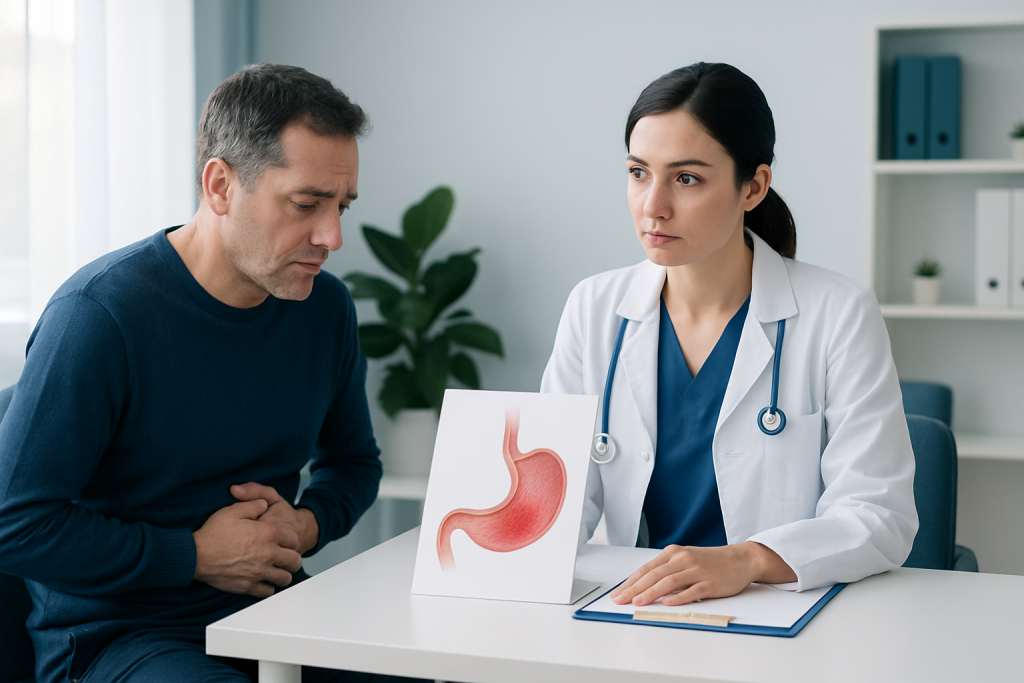
Redness in the antrum usually reflects inflammation of the stomach lining. One of the most common reasons is gastritis, which can develop when the stomach’s protective lining is irritated or weakened.
Frequent causes and contributing factors include:
- Helicobacter pylori infection
- Regular use of certain pain relievers, especially NSAIDs
- Alcohol use
- Smoking
- Severe physiological stress, such as major illness or surgery
- Bile reflux or chemical irritation
Some people are more likely to develop stomach lining irritation if they have a history of ulcers, recurrent digestive complaints, autoimmune conditions affecting the stomach, or ongoing medication exposure that can irritate the lining. A doctor may also consider whether the redness is localized or part of a broader inflammatory pattern.
Diagnosis
The finding is usually made during upper endoscopy, when a specialist uses a flexible camera to look at the esophagus, stomach, and first part of the small intestine. The appearance of the antral lining may show diffuse redness, patchy erythema, or a more fragile surface, but visual inspection alone rarely answers every question.
Doctors often add biopsy samples to look for inflammation, infection, precancerous changes, or other microscopic patterns. Depending on the case, testing may also include:
- H. pylori testing from biopsy, breath, stool, or blood-based methods
- Blood tests to check for anemia or inflammation
- Medication review, especially NSAID use
- Additional imaging or follow-up if symptoms suggest another condition
For patients traveling for care, this stepwise approach is especially helpful because it reduces guesswork. A precise diagnosis allows the care team to plan treatment that can continue safely after the patient returns home.
Treatment Options
Treatment depends on what is causing the irritation rather than the redness itself. If H. pylori is present, doctors usually recommend eradication therapy tailored to the person’s medical history and local resistance patterns. If a medication is contributing, the prescribing clinician may suggest an alternative or a protective strategy.
When acid-related inflammation is suspected, treatment may include acid-reducing medicines or other stomach-protective approaches chosen by a gastroenterologist. If bile reflux, alcohol exposure, or repeated irritation is part of the picture, the plan may focus on reducing those triggers and allowing the lining to heal.
In more persistent or complex cases, the doctor may arrange follow-up endoscopy or further testing to confirm that inflammation is settling and to rule out conditions that need longer-term management. The overall goal is not just to calm the redness, but to address the reason it appeared.
Prevention & Self-care
Not every case can be prevented, but several practical habits can support stomach lining health. People who are prone to gastritis-like symptoms often do better when they avoid unnecessary NSAID use and discuss pain-relief options with a doctor, especially if they already have stomach sensitivity.
Helpful self-care measures may include:
- Eating regular meals and avoiding very large, heavy portions if they worsen symptoms
- Limiting alcohol and stopping smoking
- Taking prescribed medicines exactly as directed
- Reporting persistent indigestion rather than repeatedly self-treating
- Following any H. pylori treatment plan through to completion
For international patients, keeping a simple record of symptoms, medicines, and test reports can make follow-up much smoother. That record helps a new clinician understand what has already been tried and what still needs attention.
When to See a Doctor
Medical review is appropriate if upper abdominal symptoms persist, return often, or interfere with eating, sleep, or daily life. A doctor should also be consulted if the endoscopy report mentions erythematous mucosa in the antrum and the next steps are unclear, since the wording requires interpretation rather than self-diagnosis.
Prompt care is especially important if there are warning signs such as vomiting blood, black stools, difficulty swallowing, unexplained weight loss, severe abdominal pain, or symptoms of anemia such as unusual fatigue or shortness of breath. These symptoms do not automatically mean something serious, but they do deserve timely assessment.
Patients arranging care across borders may benefit from a gastroenterology team that can review prior tests, confirm the cause, and coordinate follow-up before travel. Acibadem Health Point’s multidisciplinary specialists and JCI-accredited hospitals diagnose and treat gastrointestinal conditions for international patients with coordinated care planning.
Frequently asked questions
Is erythematous mucosa in the antrum a disease?
No, it is a descriptive endoscopy finding, not a final diagnosis. It means the antral lining looks red or inflamed, and the doctor must look for the underlying cause.
Does this finding always mean gastritis?
Not always, although gastritis is a common reason. Similar redness can appear with H. pylori infection, medication irritation, alcohol-related irritation, or other stomach conditions.
Can it go away on its own?
Sometimes mild irritation improves if the trigger is removed, but that depends on the cause. If H. pylori, NSAID use, or another ongoing factor is present, treatment is usually needed for proper healing.
Do I always need a biopsy if the report mentions antral erythema?
Not always, but biopsy is often helpful because it can show inflammation and check for infection or other changes that the camera cannot see. The doctor decides based on what was seen and why the endoscopy was done.
What foods should be avoided?
There is no single stomach diet that fits everyone, but some people feel worse with alcohol, very spicy foods, or large heavy meals. It is best to notice personal triggers and discuss persistent symptoms with a doctor.
Should I worry if I have no symptoms?
If there are no symptoms, the finding may still be worth explaining, but it is not automatically serious. The most useful step is to review the report with a gastroenterologist so it can be matched with biopsy results and medical history.
References
- American College of Gastroenterology
- Mayo Clinic
- National Institute of Diabetes and Digestive and Kidney Diseases
- World Gastroenterology Organisation
- Cleveland Clinic
This article is for general information only and is not a substitute for professional medical advice. Please consult a qualified doctor about your individual situation.