Endotracheal Tube

Key Takeaways
- An endotracheal tube is placed in the windpipe to help maintain a clear airway and support ventilation.
- It may be used for anesthesia, breathing failure, severe illness, or airway protection during emergencies.
- Placement is done by trained clinicians and the tube is carefully monitored to reduce complications.
- Temporary throat discomfort, hoarseness, or a sore throat can happen after removal and usually improve.
- Good communication with the care team helps families understand the plan before, during, and after intubation.
An endotracheal tube is a medical device used to keep the airway open and support breathing during surgery, emergencies, or critical illness. Understanding how it is placed, monitored, and removed can help patients and families feel more prepared if intubation is needed.
Overview
An endotracheal tube is a soft, hollow tube that is passed through the mouth or nose and into the trachea, also called the windpipe. Once in place, it provides a direct passage for air and connects to equipment that can assist or fully control breathing.
This device is not a treatment by itself; it is a tool used to stabilize breathing while the underlying illness or procedure is managed. In everyday language, people often call this process intubation. For patients and families, the word can sound intimidating, yet in clinical practice it is a familiar and carefully controlled step in many settings.
Endotracheal tubes are commonly used during surgery, after major injury, in intensive care, or when breathing becomes too weak or unsafe to manage on its own. In international patient care, the need for a tube may arise suddenly during an emergency, or it may be planned in advance before a complex procedure, with the team explaining what to expect as clearly as possible.
Symptoms and Situations That Lead to Intubation
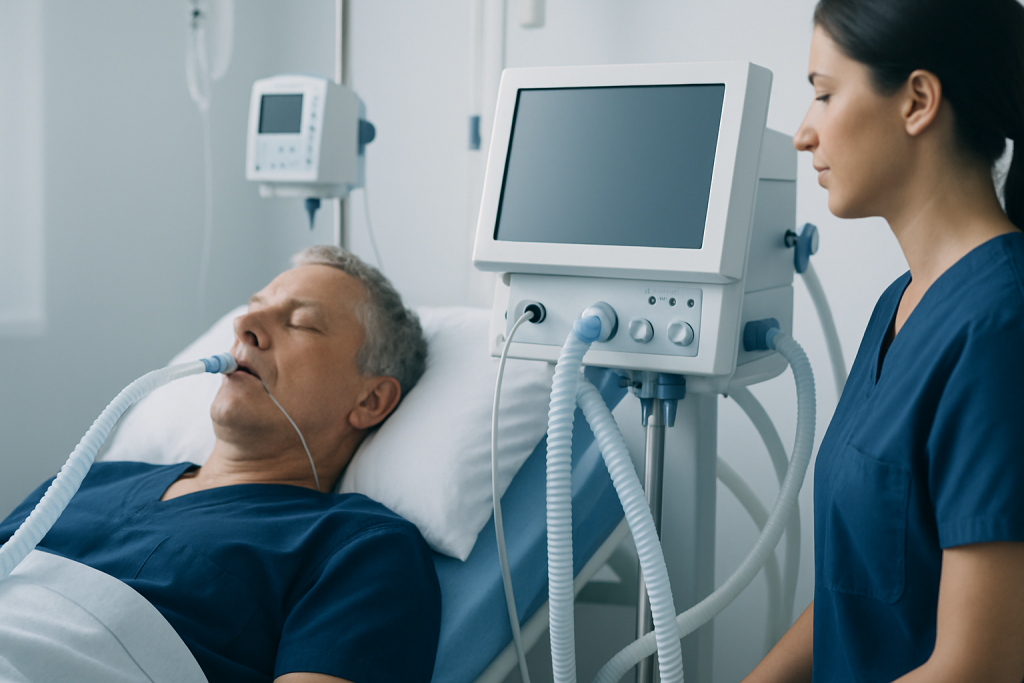
An endotracheal tube is usually considered when a person cannot breathe well enough to maintain oxygen levels, remove carbon dioxide, or protect the airway. The decision is based on the person’s overall condition rather than on one single symptom.
Common situations include severe asthma or COPD flare-ups, pneumonia, major trauma, stroke, drug overdose, reduced consciousness, and certain surgeries that require general anesthesia. A person may also need intubation if swelling, bleeding, or another blockage is making the airway unsafe.
- Difficulty maintaining oxygen levels
- Marked breathing fatigue or distress
- Loss of consciousness or reduced alertness
- Inability to clear secretions or protect the airway
- Need for a secure airway during surgery or procedures
Families sometimes notice fast breathing, confusion, blue-tinged lips, or a patient becoming too tired to speak. These signs do not always mean intubation will happen, but they do mean the care team should assess the airway promptly.
Causes and Risk Factors

The need for an endotracheal tube is usually caused by an acute medical problem or by the plan for a procedure rather than by the tube itself. In other words, the tube is a response to an airway or breathing problem, not a disease.
People with severe lung disease, neurological conditions that affect swallowing or consciousness, facial or neck trauma, burns, or a history of difficult airways may be more likely to need special airway planning. In surgery, the type and length of the operation, the need for muscle relaxation, and the patient’s medical history all influence the anesthesia team’s decision.
From a practical point of view, travel for treatment can add another layer of planning. Patients arriving from another country may need their airway and anesthesia history reviewed carefully, especially if they have had prior intubation, snoring or sleep apnea, prior neck surgery, or any known difficulty with anesthesia.
Diagnosis and Airway Assessment
Doctors decide on intubation by assessing breathing, oxygen levels, consciousness, circulation, and the likely course of the illness. They may use a physical examination, pulse oximetry, blood tests, arterial blood gas analysis, chest imaging, and bedside monitoring to understand how urgent the situation is.
Before planned surgery or a planned procedure, the anesthesia team reviews the medical history and airway features such as mouth opening, neck movement, jaw structure, and previous anesthesia records. This helps the team choose the safest approach and prepare backup options if the airway is likely to be challenging.
In emergency situations, there is often little time for detailed testing. Even then, the team follows a structured airway assessment so that the tube is placed as safely and efficiently as possible, with careful attention to oxygenation throughout the process.
Treatment Options and What the Tube Does
An endotracheal tube is inserted by trained clinicians, usually with medications that reduce discomfort and help the muscles relax when the situation allows. Once the tube reaches the windpipe, its cuff is gently inflated to help keep it in position and reduce leakage of air around it.
The tube may be connected to a ventilator, which can deliver breaths or assist the patient’s own breathing. In some cases, the patient may breathe spontaneously through the tube with support from the machine; in others, the ventilator does most or all of the work until the lungs and body recover.
While the tube is in place, the care team monitors oxygen levels, breathing pattern, tube position, secretions, comfort, and signs of pressure injury or infection. If the patient improves and no longer needs this support, the tube is removed in a process called extubation, usually after the team confirms that breathing is stable enough to continue without it.
For patients recovering away from home, the team may coordinate with family members and follow-up clinicians so that the reason for intubation, the duration of support, and any remaining concerns are clearly documented for the next stage of care.
Prevention and Self-care
Not every need for intubation can be prevented, because emergencies and major illnesses can develop quickly. Still, some steps can lower the chance of breathing problems becoming severe or help clinicians plan more safely if a tube is needed.
Managing chronic lung disease, taking prescribed medications correctly, avoiding smoking, keeping vaccinations current, and seeking early care for worsening breathing symptoms can all help reduce risk. For surgery, sharing a full medical history, previous anesthesia issues, allergies, and any sleep apnea or reflux symptoms gives the anesthesia team better information for planning.
After extubation, self-care usually focuses on rest, hydration if allowed, and gentle voice use while the throat recovers. A sore throat, hoarseness, or a mild cough can occur for a short time, but persistent symptoms should be reported. If the patient is traveling home after treatment, the discharge plan should include clear instructions about medications, follow-up visits, and warning signs that should prompt medical review.
When to See a Doctor
Any sudden or severe breathing difficulty needs urgent medical attention, especially if it is accompanied by confusion, blue lips, chest pain, or inability to speak in full sentences. These symptoms can signal a potentially serious airway or lung problem.
After extubation, patients should contact a doctor if hoarseness, throat pain, noisy breathing, fever, blood in the sputum, or swallowing problems persist or worsen. A small amount of discomfort is common, but symptoms that do not improve deserve review.
People with known lung, heart, or neurological conditions should seek medical advice early if they notice a change in breathing rather than waiting for symptoms to become severe. In complex cases, Acibadem Health Point’s multidisciplinary specialists and JCI-accredited hospitals can diagnose and treat airway-related conditions for international patients, with coordinated care from evaluation through recovery.
Living With an Endotracheal Tube in Critical Care
For patients who are awake enough to notice the tube, communication can be difficult at first. The care team may use writing boards, hand signals, or simple yes-or-no questions to reduce frustration and keep the patient involved in decisions as much as possible.
Mouth care, turning the patient regularly, suctioning secretions when needed, and careful sedation management all help improve comfort and reduce complications. Families can also help by speaking calmly, keeping messages short, and asking the team how they can best support the patient’s recovery.
The overall goal is always temporary support while the body heals. When breathing improves, the team will plan the safest possible removal, followed by observation to make sure the patient can continue breathing independently.
Frequently asked questions
What is an endotracheal tube used for?
An endotracheal tube keeps the airway open and helps a person breathe when they cannot do so safely on their own. It is used in emergencies, during surgery, and in intensive care when breathing support is needed.
Is intubation the same as being put on a ventilator?
Not exactly. Intubation is the placement of the tube into the windpipe, while a ventilator is the machine that may connect to the tube to help with breathing. Some patients need both, while others may only need the tube for airway protection during a procedure.
Does the tube hurt?
The procedure is usually done with medications to reduce discomfort, and patients who are sedated may not feel it being placed. After removal, a sore throat or hoarse voice is common for a short time and usually improves.
How long can an endotracheal tube stay in place?
It depends on why it was needed and how quickly the person improves. The care team checks regularly to see whether it can be removed safely, because the tube is meant for temporary support rather than long-term use.
What complications can happen?
Possible complications include sore throat, hoarseness, pressure injury, dental injury, aspiration, or irritation of the airway. Clinicians monitor closely to lower these risks and to remove the tube as soon as it is safe.
What should families ask if a loved one is intubated abroad?
They can ask why the tube was needed, how long support may be required, what signs show recovery, and what follow-up will be needed after discharge. It is also helpful to request a written summary for the next doctor at home.
References
- MedlinePlus
- Mayo Clinic
- American Thoracic Society
- Merck Manual Professional Edition
- World Health Organization
This article is for general information only and is not a substitute for professional medical advice. Please consult a qualified doctor about your individual situation.