Duoneb

Key Takeaways
- Duoneb combines two bronchodilators that work in different ways to ease airway narrowing.
- It is often used for bronchospasm related to COPD and similar breathing conditions, not as a rescue replacement for every type of inhaler.
- Common side effects can include shakiness, dry mouth, and a faster heartbeat.
- Correct nebulizer technique and a clear treatment plan help the medicine work more effectively.
- Seek medical advice if breathing worsens, symptoms change, or side effects become troublesome.
Duoneb is a nebulized combination medicine used to help open the airways when breathing becomes tight from bronchospasm. It is commonly prescribed for certain chronic lung conditions, including COPD, and should be used under medical guidance.
Overview
Duoneb is a prescription nebulized medicine used to help relax the muscles around the airways so air can move more freely. It contains two active ingredients: ipratropium bromide and albuterol. Because the medicines work in different ways, they can provide broader bronchodilation than either ingredient alone.
For patients managing chronic lung disease, especially chronic obstructive pulmonary disease (COPD), breathing treatment is often about finding the right tool for the right moment. Duoneb is commonly used when the airways are narrowed and symptoms such as wheezing, chest tightness, or shortness of breath need relief. It is usually delivered through a nebulizer, which turns the liquid medication into a mist that can be inhaled over several minutes.
International patients sometimes first encounter Duoneb during a flare-up, after a hospital visit, or when a specialist wants to simplify inhaled therapy for someone who has trouble using handheld inhalers. Understanding how it fits into the overall care plan can make home treatment safer and more effective, especially when follow-up continues across borders.
Symptoms Duoneb May Help Relieve
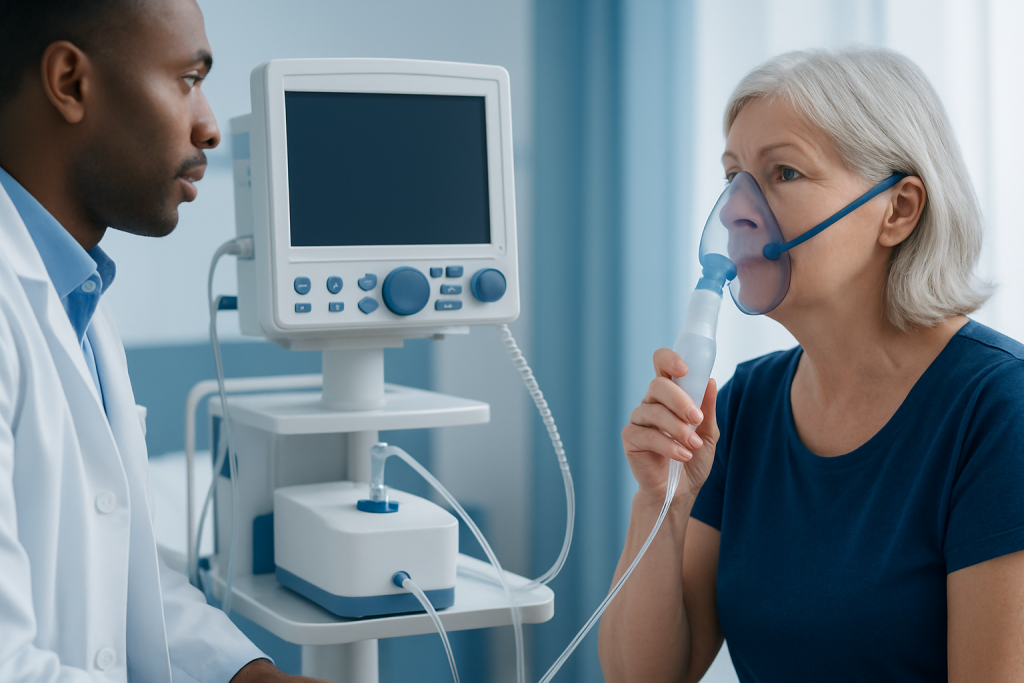
Duoneb is used for symptoms caused by bronchospasm, which means the muscles around the airways tighten and make breathing harder. People may notice wheezing, coughing, a sense of tightness in the chest, or shortness of breath that feels more stubborn than usual. The medicine is not intended to treat every cause of breathing difficulty, but it can be helpful when airway narrowing is part of the problem.
In everyday life, these symptoms may become more noticeable during respiratory infections, exposure to irritants, cold air, or a worsening of chronic lung disease. Some people also find it easier to use a nebulizer during more difficult breathing episodes because it does not require the same coordination as certain handheld devices.
It is important to remember that symptoms such as high fever, blue lips, confusion, or rapidly worsening breathlessness need prompt medical attention. Those signs may point to a more serious issue than simple bronchospasm.
Causes & Risk Factors

Duoneb is most often prescribed for airway narrowing linked to COPD, including chronic bronchitis and emphysema. These conditions can make the airways more sensitive and more likely to tighten, particularly during flare-ups. In some care settings, the medicine may also be used for other bronchospastic problems when a clinician believes the combination is appropriate.
Several factors can increase the chance of needing this type of treatment. Smoking history is a major one, but not the only one. Long-term exposure to dust, chemical fumes, indoor pollution, repeated respiratory infections, and certain occupational exposures can all contribute to airway irritation over time.
Risk is also influenced by overall health and by how stable the underlying lung condition is. People who have frequent flare-ups, difficulty using inhalers correctly, or limited ability to clear mucus may be more likely to have Duoneb included in their treatment plan.
- Current or past smoking
- COPD or related chronic lung disease
- Repeated airway irritation or infections
- Exposure to smoke, dust, or workplace chemicals
- Difficulty coordinating handheld inhaler use
Diagnosis and When It Is Considered
Before Duoneb is prescribed, a clinician usually confirms the underlying breathing problem and checks whether the symptoms are coming from bronchospasm. This may involve a physical exam, listening for wheezing, reviewing the patient’s history, and sometimes arranging lung function testing. In a hospital or specialist setting, oxygen levels and response to treatment may also be monitored.
For international patients, the diagnostic process often starts before travel or during an initial consultation after arrival. A careful medication review is especially important because a person may already be taking other inhaled bronchodilators, steroid inhalers, or medicines for heart conditions that could affect Sleep Apnea Treatment Choices: CPAP, Oral Devices, or Surgery—What Fits Your Case?" class="ahp-ilk">treatment choices. The goal is not simply to add another inhaler, but to make sure the full plan matches the patient’s current lung function and daily needs.
Duoneb is generally considered when symptoms suggest reversible airway narrowing and a nebulized option is practical or preferred. A clinician may also decide that another medicine, a different inhaler format, or additional testing is more appropriate if the pattern of symptoms does not fit bronchospasm.
Treatment Options
Duoneb itself is one treatment option among several for airway narrowing. Because it combines ipratropium and albuterol, it can reduce bronchospasm through two complementary pathways: one helps block signals that tighten the airways, and the other relaxes airway muscles. This dual action is one reason it is often used in COPD care plans.
How it is used depends on the person’s condition, the setting, and the clinician’s instructions. Some patients use it during symptomatic periods, while others receive it on a schedule for a limited time. It is important to follow the prescribed plan carefully and not assume it should replace all other inhaled medicines.
Other parts of treatment may include long-acting inhalers, inhaled corticosteroids in selected cases, oxygen therapy if needed, pulmonary rehabilitation, trigger avoidance, and management of infections or other conditions that can worsen breathing. When travel is involved, the treatment plan should be arranged with enough supply and clear instructions for use at home, hotel, or during follow-up care in another country.
Possible side effects can include tremor, nervousness, dry mouth, headache, cough, and a faster heartbeat. Less commonly, people may notice blurred vision, urinary difficulty, or palpitations. Any side effect that feels severe, unusual, or persistent should be discussed with a doctor.
Prevention & Self-care
Self-care with Duoneb is less about “taking the medicine” and more about using it correctly as part of a broader breathing plan. A nebulizer works best when the mask or mouthpiece fits properly, the device is cleaned as directed, and the patient understands how long a treatment should take. A healthcare professional can demonstrate the setup before discharge or before the patient returns home.
Preventing flare-ups also matters. Avoiding tobacco smoke, reducing exposure to dust and strong fumes, keeping vaccinations up to date when recommended, and staying alert to early signs of infection can all support more stable breathing. People with chronic lung disease may also benefit from having a written action plan that explains what to do if symptoms start worsening.
For patients coordinating care internationally, it helps to keep a list of medications, carry prescriptions or treatment summaries, and know where follow-up will happen after travel. If the nebulizer machine, connectors, or medication supply will be used away from the original care center, checking compatibility and instructions in advance can prevent avoidable interruptions.
- Use the nebulizer exactly as instructed
- Clean equipment regularly
- Avoid smoke and strong irritants
- Monitor symptoms and response to treatment
- Keep follow-up appointments and medication lists accessible
When to See a Doctor
Medical review is needed if breathing symptoms are not improving as expected, if a person needs Duoneb more often than usual, or if side effects are becoming bothersome. A change in symptom pattern can mean the underlying lung condition is changing, a trigger has been missed, or another treatment is needed.
Urgent care is appropriate if breathlessness becomes severe, speech is difficult because of shortness of breath, lips or fingertips look blue, chest pain develops, or the person becomes unusually drowsy or confused. These signs should not be waited out at home.
If a patient is traveling or receiving care from abroad, it is especially useful to know which clinic or emergency department should be contacted if symptoms worsen. Acibadem Health Point’s multidisciplinary specialists and JCI-accredited hospitals diagnose and treat this condition for international patients, with care pathways that can support both treatment and follow-up planning.
Living With the Condition Behind Duoneb
Duoneb is best understood as part of a larger breathing strategy rather than a stand-alone answer. Many people using it are managing a long-term lung condition, and the daily goal is to keep symptoms controlled enough to breathe, sleep, walk, and travel more comfortably. That often means balancing medication use with lifestyle changes, monitoring, and regular medical review.
Clear communication with the care team is valuable, particularly when the patient is crossing health systems or returning home after treatment abroad. Questions about inhaler technique, when to use the nebulizer, how to store medication, and what symptoms should trigger a call can save time and reduce anxiety later on.
With the right instructions and follow-up, many people can use Duoneb safely and effectively. The most helpful next step is usually a personalized conversation with a qualified clinician who can match the medicine to the patient’s diagnosis, other treatments, and daily routine.
Frequently Asked Questions
Is Duoneb a rescue medicine?
It can help relieve airway tightening fairly quickly, but whether it is considered a rescue treatment depends on the patient’s overall plan. A doctor should explain when to use it and what symptoms mean a different level of care is needed.
Can Duoneb be used with other inhalers?
Sometimes yes, but only with medical guidance. Because many lung conditions require more than one medicine, it is important to avoid duplicate bronchodilators or combinations that are not intended together.
Does Duoneb work for asthma?
It may be used in some acute care situations, but it is not the standard everyday treatment for asthma. A clinician should decide whether it is appropriate based on the person’s diagnosis and symptom pattern.
Why is a nebulizer used instead of an inhaler?
A nebulizer can be easier to use when breathing is labored or coordination is difficult. It delivers medication as a mist over several minutes, which some people find more manageable during symptomatic periods.
What should someone do if Duoneb causes a racing heartbeat?
A mild change can happen with bronchodilator medicines, but it should still be mentioned to a doctor. If the heartbeat feels very fast, irregular, or comes with chest pain, urgent medical evaluation is needed.
Can patients travel with Duoneb?
Often yes, as long as prescriptions, equipment, and storage instructions are arranged in advance. Travelers should confirm what they need for the nebulizer setup, how to carry the medication safely, and where follow-up care will be available if symptoms change.
References
- U.S. Food and Drug Administration
- National Heart, Lung, and Blood Institute
- Global Initiative for Chronic Obstructive Lung Disease
- Mayo Clinic
This article is for general information only and is not a substitute for professional medical advice. Please consult a qualified doctor about your individual situation.