Dorsiflexion: What It Is and Why It Matters

Key Takeaways
- Dorsiflexion is the upward movement of the foot and ankle, important for normal walking and preventing tripping.
- Pain, stiffness, or weakness during dorsiflexion can come from joint, tendon, muscle, nerve, or spine problems.
- Diagnosis usually includes a physical exam and may involve imaging, nerve studies, or gait assessment.
- Treatment depends on the cause and may include rest, physical therapy, bracing, medication, or surgery in selected cases.
- Early assessment is helpful when foot weakness, numbness, or repeated falls are present.
Medically reviewed by the Acıbadem clinical team — August 19, 2026
Dorsiflexion is the movement that lifts the foot upward toward the shin. When it becomes painful, weak, or limited, it can affect walking, balance, and daily activities, and it may signal an issue in the ankle, nerves, muscles, or spine.
Overview
Dorsiflexion is the motion that brings the top of the foot closer to the shin. It happens every time a person takes a step, climbs stairs, stands up from a squat, or pulls the toes upward while walking.
This movement may seem small, but it has a big job. Healthy dorsiflexion helps the foot clear the ground during the swing phase of walking, supports balance, and reduces the risk of tripping. When it is restricted or weak, people may notice a stiff ankle, a dragging foot, or an altered walking pattern.
Problems with dorsiflexion are not a diagnosis by themselves. They are usually a sign that something is affecting the ankle joint, the tendons that move it, the muscles that lift the foot, or the nerves that control those muscles. A careful evaluation helps identify the source and guide recovery.
Symptoms
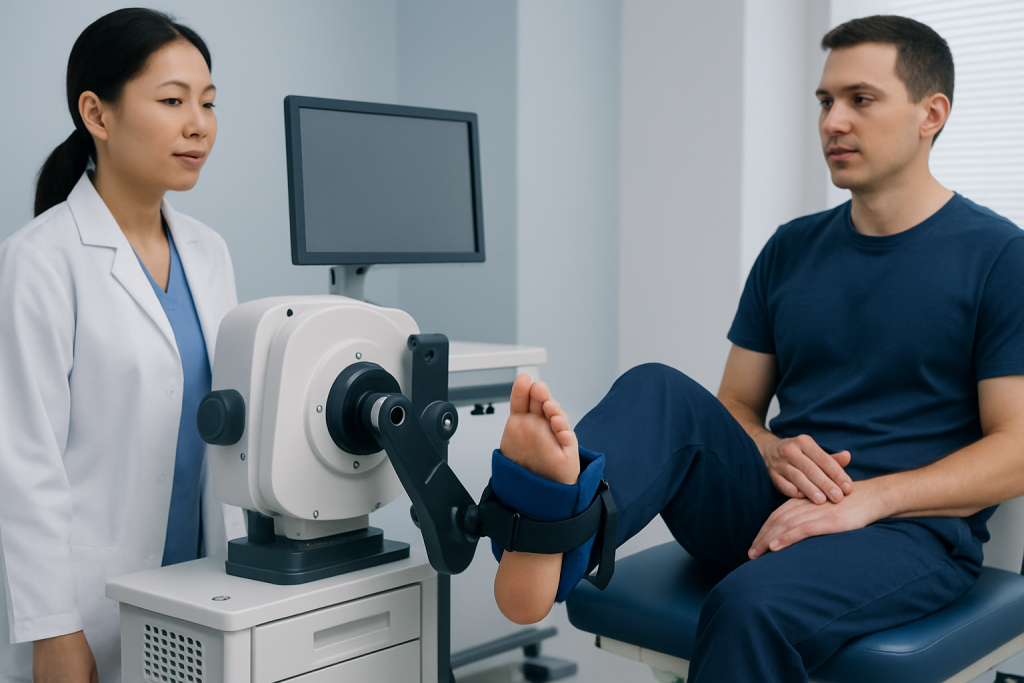
The most common sign is difficulty lifting the front of the foot. Some people describe this as the foot feeling heavy, tight, or unresponsive, especially when walking uphill, on stairs, or after sitting for a while.
Symptoms can appear in different ways depending on the cause. A person may have pain at the front of the ankle, stiffness after rest, weakness when trying to pull the toes upward, or a tendency for the toes to catch on the floor. In some cases, the body compensates by lifting the knee higher than usual to avoid tripping.
- Reduced ankle range of motion
- Pain or swelling around the ankle or top of the foot
- Weakness when lifting the foot or toes
- Numbness, tingling, or burning if a nerve is involved
- Frequent stumbling, toe dragging, or changes in gait
Sudden weakness, new numbness, or an inability to walk normally deserves prompt medical attention, because these features may point to a nerve or more serious structural problem.
Causes & Risk Factors

Dorsiflexion problems can develop after a sprain, from overuse, or because of long-standing stiffness in the ankle. Tight calf muscles and tendon irritation may also limit how far the ankle can move upward.
Sometimes the issue starts higher up the chain. The muscles that create dorsiflexion are controlled by nerves from the lower leg and spine, so conditions that affect the peroneal nerve, the sciatic nerve, or the lumbar spine can lead to weakness. Foot drop, for example, is often associated with nerve injury or compression rather than a simple ankle problem.
Common contributors include:
- Ankle sprains or fractures with later stiffness
- Tendon inflammation or muscle imbalance
- Tight calf muscles or Achilles tendon tightness
- Peripheral nerve compression or injury
- Herniated disc, spinal stenosis, or other back-related nerve issues
- Neuromuscular conditions that weaken the muscles used for walking
People who run, jump, or spend long hours on their feet may notice symptoms sooner, but dorsiflexion difficulties can affect anyone, including those recovering from surgery or prolonged immobilization.
Diagnosis
Diagnosis begins with a history and physical examination. A clinician will usually ask when the problem started, whether there was an injury, and whether the person has pain, numbness, back symptoms, or difficulty walking.
During the exam, the doctor may compare both ankles, check how far the foot can move upward, assess strength, test reflexes, and observe gait. The pattern of weakness or stiffness often gives important clues about whether the source is mechanical, muscular, or neurological.
Depending on the findings, additional tests may be recommended. These can include X-rays for bone or joint issues, MRI for soft tissue or spine concerns, ultrasound in selected tendon problems, or nerve conduction studies and electromyography if a nerve injury is suspected. For international patients, this stepwise approach is especially useful because it helps plan the right testing and treatment before travel or during a short treatment stay.
Treatment Options
Treatment depends on the reason dorsiflexion is limited. Mild stiffness from overuse or a minor sprain may improve with activity modification, short-term rest, ice when appropriate, and guided rehabilitation. The main goal is not only to reduce symptoms, but to restore safe movement and prevent compensation injuries.
Physical therapy is often central to care. Exercises may focus on ankle mobility, calf stretching, strengthening the muscles that lift the foot, and retraining walking patterns. If the foot is weak, a brace or ankle-foot orthosis may help keep the toes clear of the ground while recovery is underway.
Other options may include anti-inflammatory measures, treatment of the underlying nerve or spine condition, or correction of a structural problem if conservative care is not enough. Surgery is not the first choice for most people, but it may be considered for severe tendon, joint, or nerve-related problems when a specialist believes it offers the best chance of recovery.
When patients travel for care, treatment planning should include follow-up arrangements, rehabilitation access at home, and clear guidance on what symptoms should prompt reassessment.
Prevention & Self-care
Not every cause of dorsiflexion problems can be prevented, but good ankle care can reduce the risk of stiffness and some overuse injuries. Warming up before sport, increasing activity gradually, and paying attention to early pain or tightness are sensible habits.
At home, gentle ankle mobility work and calf stretching may help maintain motion if a clinician has said they are appropriate. Supportive footwear can also make walking easier, particularly when the ankle feels unstable or the toes catch unexpectedly.
- Use gradual training increases rather than sudden bursts of activity
- Address ankle pain early, especially after a sprain
- Follow rehabilitation exercises consistently
- Choose footwear that supports stable walking
- Avoid ignoring repeated tripping or new weakness
Self-care should stay within comfortable limits. If movement becomes more painful, the foot becomes weaker, or numbness appears, professional assessment is more useful than trying to stretch or strengthen through the problem.
When to See a Doctor
Medical evaluation is important when dorsiflexion is clearly reduced, symptoms are not improving, or walking feels unsafe. A person should not wait if the foot is dragging, if tripping is becoming frequent, or if the ankle weakness is new.
It is also wise to seek care if there is significant swelling after an injury, pain that limits weight-bearing, numbness or tingling, or symptoms that extend into the leg or back. These findings can help clinicians identify whether the problem is local to the ankle or linked to a nerve or spine condition.
For international patients, it can be helpful to organize prior imaging, medication lists, and a short timeline of symptoms before the appointment. Acibadem Health Point’s multidisciplinary specialists and JCI-accredited hospitals can diagnose and treat dorsiflexion-related problems for international patients, with care coordinated around evaluation, rehabilitation, and follow-up.
Frequently asked questions
What does dorsiflexion mean in simple terms?
Dorsiflexion is the movement that lifts the foot upward toward the shin. It helps the foot clear the ground during walking and is important for balance and smooth steps.
Is limited dorsiflexion always a serious problem?
Not always. Some cases are due to temporary stiffness or overuse, while others may reflect a tendon, joint, nerve, or spine issue. A medical assessment helps sort out the cause.
Can poor dorsiflexion cause tripping?
Yes. If the foot does not lift well, the toes may catch on the ground during walking. This can lead to stumbling, a high-stepping gait, or falls.
What is the difference between stiffness and weakness?
Stiffness means the ankle does not move through its usual range, while weakness means the muscles cannot lift the foot strongly enough. Both can affect dorsiflexion, but they often point to different underlying problems.
How is foot drop related to dorsiflexion?
Foot drop is a condition in which the front of the foot cannot lift normally, often because of nerve or muscle weakness. Dorsiflexion is the movement that is most affected in foot drop.
Can physical therapy help dorsiflexion problems?
Yes, many people benefit from physical therapy. Exercises can improve ankle motion, strengthen the muscles involved, and help restore safer walking patterns when the cause is appropriate for rehabilitation.
References
- American Academy of Orthopaedic Surgeons
- National Institute of Neurological Disorders and Stroke
- Mayo Clinic
- Cleveland Clinic
This article is for general information only and is not a substitute for professional medical advice. Please consult a qualified doctor about your individual situation.
Joint and spine care in Turkey — expert assessment & treatment
JCI-accredited · board-certified surgeons · reply within 24h
Add us as a Preferred Source to see more of our trusted health content across Google Search, AI Overviews and Discover.
More from the Health Library



Related Specialists

Fzt. Elif Tokgöz Nizam
Physical Medicine & Rehabilitation
Fzt. Gizem Aydın
Physical Medicine & Rehabilitation
Dr. Safiye Sayilir
Physical Medicine & Rehabilitation
Dr. Özgün Barış Çolak
Physical Medicine & Rehabilitation