

Does Your Skin Elasticity Predict Your Cosmetic Surgery Result?

Key Takeaways
- Skin elasticity helps shape how skin contracts and settles after cosmetic surgery.
- Good elasticity may support smoother healing, but it does not guarantee a perfect result.
- Age, sun exposure, weight changes, smoking, and genetics can all affect skin quality.
- A surgeon evaluates the whole patient, not just the skin, when planning treatment.
- Preparation, aftercare, and follow-up can all influence comfort and recovery.
Medically reviewed by the Acıbadem clinical team — July 13, 2026
Skin elasticity can influence how the body adapts after cosmetic surgery, but it is only one part of the overall picture. A surgeon also considers age, skin quality, anatomy, health status, and the specific procedure before setting realistic expectations.
Overview
When patients ask whether skin elasticity predicts a cosmetic surgery result, the most accurate answer is: it matters, but it is only one piece of the puzzle. Elastic skin has more ability to stretch and then return toward its original shape, which can help tissue settle more predictably after procedures such as facelifts, tummy tucks, arm lifts, or body contouring.
That said, cosmetic surgery is never judged by one feature alone. A qualified surgeon also looks at skin thickness, fat distribution, muscle tone, previous pregnancies or weight changes, scars, bone structure, and overall health. In real consultations, especially for international patients planning treatment from another country, the discussion is usually about how all of these factors work together rather than about a single yes-or-no test.
Skin elasticity can help guide expectations, but it does not decide the final outcome on its own. A person with very good elasticity may still need careful surgical planning, and someone with looser skin may still achieve a balanced, satisfying improvement with the right procedure and recovery plan.
What Skin Elasticity Means in Cosmetic Surgery
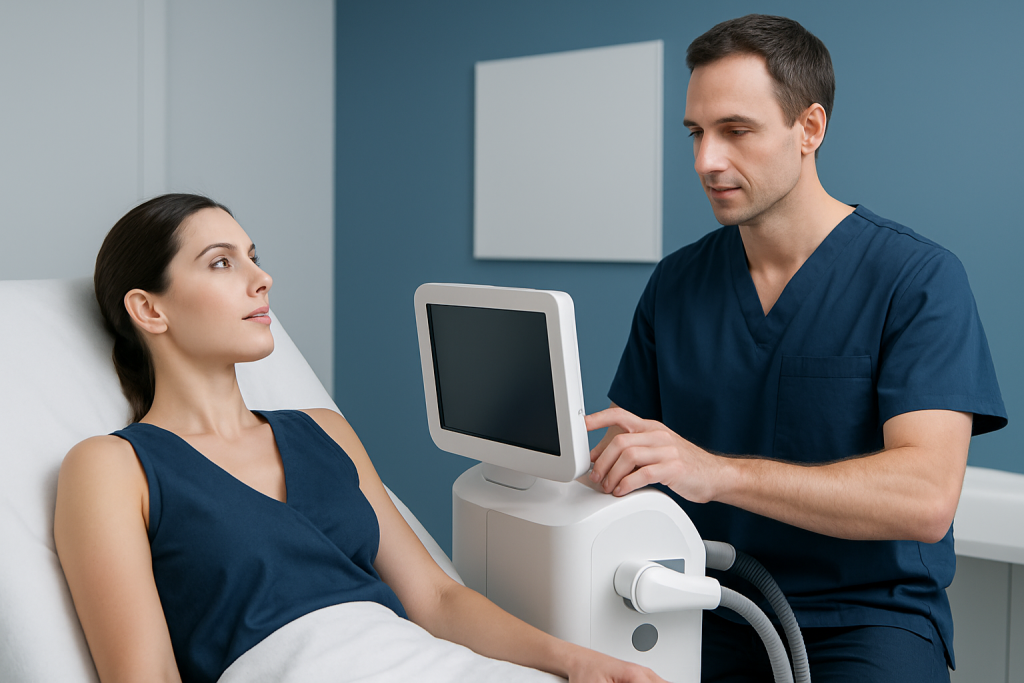
Skin elasticity describes how well skin stretches and recoils. It depends on the strength and organization of collagen and elastin, two structural proteins that support the skin’s framework. Younger skin often has more visible bounce, while mature skin may take longer to settle after being lifted or repositioned.
In cosmetic surgery, elasticity affects how skin drapes over a newly shaped area. For example, after liposuction, skin with better elasticity may contract more easily, while skin with reduced elasticity may remain looser. In facial procedures, elasticity can influence how naturally the skin follows the underlying contours after tightening.
This does not mean that “firm skin” automatically leads to a better cosmetic outcome. Skilled surgical technique, conservative planning, and proper recovery can often improve results in a wide range of skin types. The goal is not to chase an idealized skin texture, but to create an outcome that looks proportionate and fits the person’s anatomy.
Signs That Skin Elasticity May Be Reduced
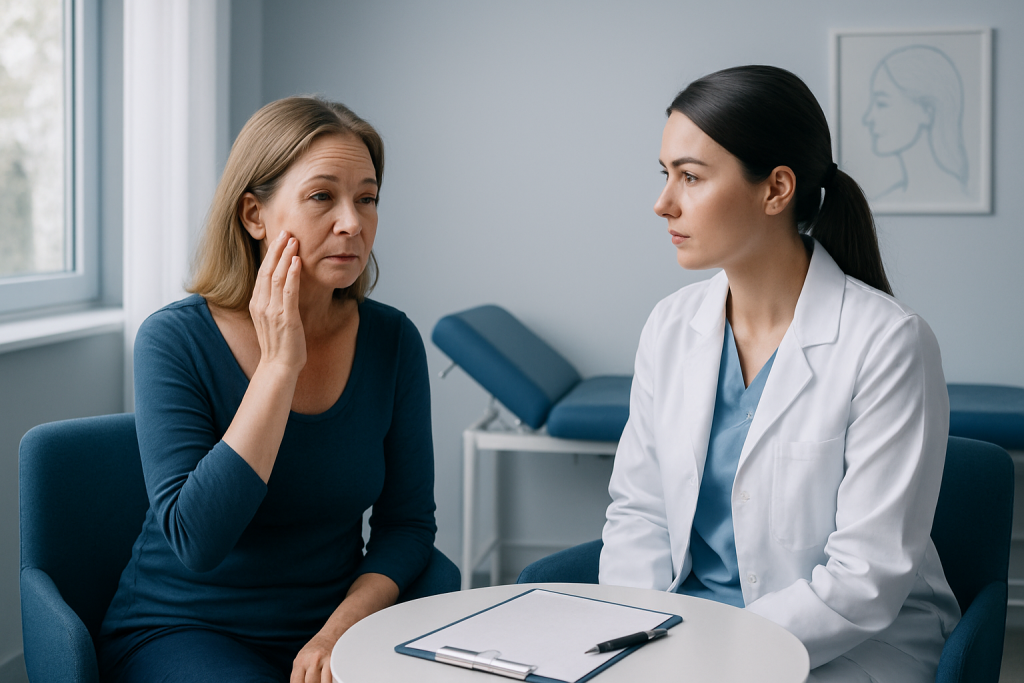
Patients often notice reduced elasticity before any medical test is performed. Skin may take longer to spring back after being gently pinched, or it may appear crepey, thinner, or more lax around the face, abdomen, arms, thighs, or neck. Stretch marks and visible lines can also suggest that the skin has been under repeated tension.
Common factors that reduce elasticity include natural aging, long-term sun exposure, smoking, frequent weight fluctuation, pregnancy, and certain medical conditions that affect connective tissue. Some medications and lifestyle patterns may also influence skin quality over time.
These signs are useful for planning, but they are not a final verdict on surgery. A surgeon may still recommend a procedure if the patient’s concerns are realistic and the tissue response is likely to support a good outcome. In some cases, looser skin is precisely the reason a lifting or tightening procedure is being considered.
Causes and Risk Factors That Shape Surgical Results
Skin elasticity interacts with several other factors that influence cosmetic surgery results. Age is important, but it is not the whole story. Two patients of the same age can have very different skin quality depending on genetics, sun exposure, smoking history, and body-weight stability.
Weight changes are particularly relevant for body-contouring procedures. Skin that has been stretched for a long time may not retract fully after fat removal, which is why a surgeon may recommend combining procedures or timing surgery after weight has stabilized. Hormonal changes, pregnancy, and a person’s overall hydration and nutrition can also affect skin behavior during healing.
Other risk factors are related to the body’s ability to recover smoothly. Poor nutrition, uncontrolled medical conditions, nicotine use, and a history of difficult wound healing can all influence the surgical journey. For international patients, this is one reason pre-travel assessment and clear follow-up planning matter so much: the outcome depends not only on the operation itself, but also on the recovery conditions afterward.
How Surgeons Assess Skin Quality Before Surgery
Before recommending any aesthetic procedure, surgeons typically examine how the skin moves, how thick it is, whether it has enough firmness, and how well it is likely to contract after treatment. They may also review photographs, ask about weight history, and evaluate underlying structures such as muscle tone or facial support.
There is no single universal “elasticity score” used in everyday cosmetic consultations. Instead, the surgeon uses an overall clinical assessment. This may include gently testing the skin, observing how tissues sit in motion, and discussing the person’s goals in detail. The key question is not whether the skin is perfect, but whether it can respond predictably to the planned procedure.
For patients traveling abroad, an in-person or carefully arranged virtual consultation can be especially helpful. It allows the surgical team to explain what can realistically be improved, what may require staged care, and how recovery will be organized once the patient returns home. That planning can be just as important as the operation itself.
Treatment Options and What Elasticity Changes
Different cosmetic procedures rely on skin elasticity in different ways. After liposuction, for example, the skin must contract over the newly reduced contour. In facelifts, neck lifts, arm lifts, thigh lifts, and tummy tucks, the ability of the skin to redrape influences how smooth and firm the treated area may look once swelling decreases.
When elasticity is favorable, a surgeon may be able to achieve a cleaner contour with less tension on the tissues. When elasticity is reduced, the surgeon may discuss alternatives such as combining procedures, adjusting the amount of tissue removed, or setting expectations for some residual looseness. The objective is always a safe, natural-looking result rather than forcing the skin to do more than it can comfortably manage.
Non-surgical options can also support skin quality in some patients, although they cannot replace surgery when significant laxity is present. Depending on the concern, a doctor may discuss skin-care routines, energy-based treatments, or other minimally invasive methods. The most appropriate choice depends on the extent of laxity, the patient’s goals, and how much downtime is acceptable.
For some international patients, access to a multidisciplinary team is reassuring because different specialists can coordinate the plan from consultation through aftercare. At Acibadem Health Point, multidisciplinary specialists and JCI-accredited hospitals diagnose and treat this condition for international patients.
Recovery, Healing, and the Role of Self-Care
Recovery can influence how skin settles after surgery just as much as the tissue quality present before surgery. Swelling, bruising, temporary tightness, and gradual softening are all part of the normal healing process. In many procedures, the early appearance is not the final appearance, and skin may continue to adapt for weeks or months.
Patients are usually advised to follow postoperative instructions closely, wear compression garments if recommended, protect incisions, and avoid activities that could place tension on the healing area. Good nutrition, adequate hydration, and stopping nicotine use when advised can all support recovery. Sun protection is also important, especially after facial procedures, because healing skin can be more sensitive to pigmentation changes.
For people returning to another country after surgery, the follow-up plan should be clear before travel. Patients should know which symptoms are expected, when to send photos or updates, and how to reach the surgical team if anything changes. A well-organized recovery period helps the skin and deeper tissues settle in a safer, more predictable way.
When to See a Doctor
A consultation with a board-certified plastic surgeon is appropriate whenever a person is considering cosmetic surgery and wants an honest assessment of skin quality. This is especially important if there has been major weight loss, pregnancy-related stretching, smoking, previous surgery, or a history of scarring or healing problems.
Medical advice is also important if the skin appears suddenly more lax, painful, inflamed, or discolored, because those changes may point to issues beyond ordinary aging. Patients should seek prompt review if they notice wound opening, increasing redness, fever, unusual swelling, or persistent fluid buildup after a procedure.
Most importantly, the best time to ask about skin elasticity is before the procedure is booked. That allows the surgeon to explain what kind of improvement is realistic, whether a staged approach makes sense, and how to plan for safe travel, recovery, and follow-up if treatment is being arranged internationally.
A Practical Way to Think About the Question
Skin elasticity does influence cosmetic surgery results, but it is not a simple pass-or-fail test. Think of it as one factor in a larger map that includes anatomy, health, surgical technique, and healing. A careful preoperative assessment can help match the procedure to the tissue available rather than promising an outcome the body cannot support.
For many patients, the most useful conversation is not “Is my skin good enough?” but “What is the safest and most realistic way to improve my concern?” That framing helps patients make informed decisions, compare options, and prepare for recovery with fewer surprises.
When the planning is thoughtful, cosmetic surgery can be tailored to a wide range of skin types. The best results usually come from combining honest expectations, experienced surgical care, and well-managed healing.
Frequently asked questions
Can skin elasticity be tested before cosmetic surgery?
Yes. Surgeons usually assess elasticity during a physical examination rather than relying on a single formal test. They look at how the skin moves, how it drapes, and whether it is likely to contract well after surgery.
Does good skin elasticity guarantee better results?
No. Good elasticity can support a smoother result, but it does not guarantee a perfect outcome. Technique, healing, anatomy, and the type of procedure all matter as well.
Can surgery still work if the skin is loose or less elastic?
Often, yes. Many cosmetic procedures are specifically designed to address loose skin, and surgeons can adjust the plan to fit the tissue quality. The result may still be very satisfying when expectations are realistic.
What can a patient do to support skin health before surgery?
General skin and body health matter more than any quick fix. Patients are usually advised to avoid smoking, maintain stable weight, eat well, protect skin from sun damage, and follow their surgeon’s preoperative instructions.
How long does it take for skin to settle after cosmetic surgery?
It varies by procedure and by the person’s tissue quality. Swelling often improves gradually, and skin may continue to adapt for several weeks or months after surgery.
Should international patients arrange follow-up before traveling home?
Yes. A clear follow-up plan is important so the patient knows what to expect after travel and how to contact the surgical team if questions arise. This helps support safer recovery and timely review if needed.
References
- American Society of Plastic Surgeons
- Mayo Clinic
- National Institute of Arthritis and Musculoskeletal and Skin Diseases
- British Association of Aesthetic Plastic Surgeons
- World Health Organization
This article is for general information only and is not a substitute for professional medical advice. Please consult a qualified doctor about your individual situation.
More from the Health Library



Related Specialists

Dr. Serkan Tokgönül
Aesthetic Plastic & Reconstructive Surgery
Dr. Ömercan Yağız Öksüz
Aesthetic Plastic & Reconstructive Surgery
Prof. Dr. Mehmet Veli Karaaltın
Aesthetic Plastic & Reconstructive Surgery
Dr. Nezail Demirciler
Plastic, Reconstructive and Aesthetic Surgery