

Rhinoplasty for Function and Shape: When Both Goals Should Be Treated Together

Key Takeaways
- Rhinoplasty can address both breathing problems and the appearance of the nose in one operation when appropriate.
- A detailed evaluation of nasal anatomy, breathing, and facial balance helps guide the surgical plan.
- Not every nose-related complaint needs surgery; some concerns are better managed with medical treatment or observation.
- Recovery involves swelling, activity limits, and follow-up, with breathing improvement sometimes taking longer than the early cosmetic changes.
- Choosing an experienced surgeon matters because structural work and aesthetic shaping must support each other, not compete.
Medically reviewed by the Acıbadem clinical team — July 13, 2026
Rhinoplasty can reshape the nose while also improving breathing when structural problems are present. When function and appearance are planned together, the surgical plan is often more efficient and more consistent with the patient’s goals.
Overview
Rhinoplasty is often thought of as a procedure that changes the way the nose looks, but its role can be broader than appearance alone. In many patients, the same nasal structures that shape the profile also affect airflow, so a thoughtful operation may need to address both form and function at the same time.
When the goals are combined, the surgeon is not simply “making the nose smaller” or “straightening it.” The plan may include refining the bridge, adjusting the tip, correcting a deviated septum, supporting weak nasal valves, or restoring symmetry after injury. This approach is sometimes called septorhinoplasty when structural breathing correction is part of the operation.
The best candidates are usually people whose concerns are connected: a nose that looks crooked after trauma and also blocks airflow, a dorsal hump with internal deviation, or a narrowed nasal valve that affects both breathing and appearance. In these situations, treating only one problem can leave the other unresolved.
For international patients, rhinoplasty for function and shape is often considered after careful remote review of photos, symptoms, and previous medical history, followed by an in-person exam when travel begins. That planning stage is important because nose surgery is highly individualized and the details of anatomy matter more than any general template.
Symptoms and Signs That Both Goals May Need Attention
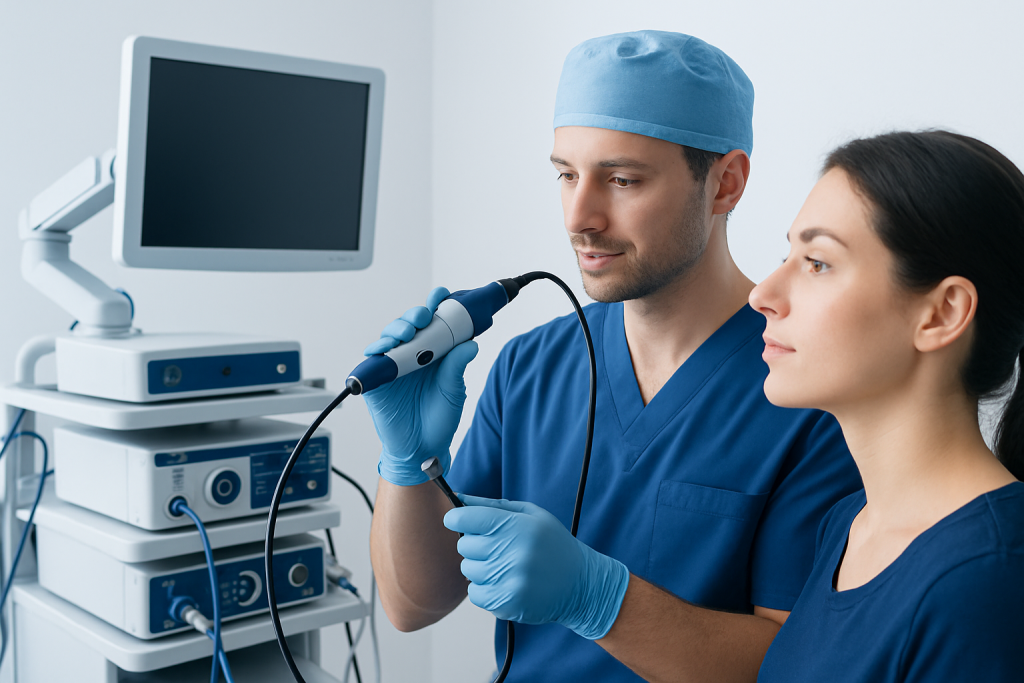
Not every person seeking rhinoplasty has a breathing problem, and not every person with nasal obstruction wants a cosmetic change. However, certain patterns suggest that function and shape may need to be evaluated together. A patient may notice one nostril consistently feels more open than the other, breathing becomes difficult during exercise, or sleep is affected by nasal blockage.
At the same time, the nose may appear twisted, flattened after trauma, overly wide at the base, or structurally uneven from the front or side. These concerns often point to an underlying support issue rather than a surface-only problem. When the nose looks collapsed or pinched, the airway can be narrowed in the same area.
Common features that may prompt a combined assessment include:
- Persistent nasal obstruction, especially on one side
- Frequent mouth breathing or difficulty sleeping comfortably
- A crooked nose after an old fracture or sports injury
- Whistling, collapse, or narrowing when inhaling deeply
- A dorsal hump, drooping tip, or asymmetry with breathing symptoms
Some patients also report repeated sinus discomfort, dryness, or a sense that they never get a full breath through the nose. While these symptoms do not automatically mean surgery is needed, they do support a more detailed nasal examination rather than an aesthetic consultation alone.
Causes and Risk Factors
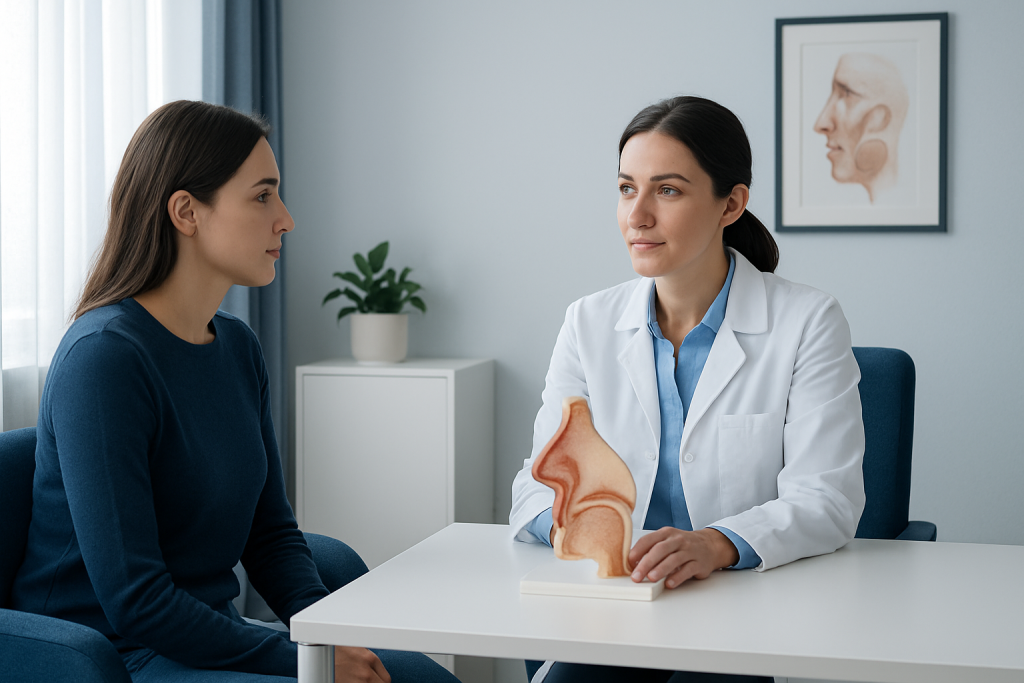
The need for combined functional and cosmetic rhinoplasty usually comes from anatomy, injury, or previous surgery. A deviated septum can reduce airflow on one side, while weak cartilage support can allow the sidewalls to narrow during breathing. These problems may exist from birth or become more noticeable as the face matures.
Trauma is another common reason. A fall, sports injury, or accident can shift the bony bridge, bend the septum, or alter the tip support in one event. Even when the outside shape seems only mildly changed, internal structures may be distorted enough to make breathing difficult.
Prior nasal surgery can also influence the decision. Some patients seek revision rhinoplasty because earlier surgery improved one concern but created another, such as breathing difficulty, asymmetry, or contour irregularity. Scar tissue, weakened support, or limited remaining cartilage can make the second operation more complex.
Other factors that may influence planning include thicker skin, prior fractures, chronic nasal inflammation, and a naturally narrow nasal valve. Patients who have allergies or frequent congestion may notice that structural narrowing feels worse, even if the anatomy alone would not explain every symptom. A surgeon needs to separate reversible inflammation from fixed structural issues before deciding on treatment.
How the Diagnosis Is Made
Diagnosis begins with listening carefully to the patient’s goals. A useful consultation does not treat breathing and appearance as separate complaints; it looks for the way they interact. The surgeon usually asks when the breathing problem started, whether one side is worse, whether trauma occurred, and which visual features matter most to the patient.
The physical examination typically includes inspection of the outside shape, palpation of the nasal framework, and an internal assessment of the septum and airway. Some surgeons use nasal endoscopy to get a clearer view of the internal anatomy. Photographs are often taken for planning and discussion, not as a promise of a final result but as a way to map the current structure.
Depending on the case, additional testing may be useful if another condition is suspected. For example, allergy evaluation may be relevant when congestion is driven by inflammation rather than shape. Imaging is not always required for routine rhinoplasty, but it can be considered when trauma, sinus disease, or other concerns are part of the picture.
The most important diagnostic step is matching the patient’s goals to the anatomy. A good surgical plan explains what can be improved, what may only improve partially, and what should not be expected from surgery. That clarity is especially valuable for international patients, who may have only a limited window for consultation before travel and surgery.
Treatment Options
When function and shape are treated together, the operation is planned so that structural correction supports the aesthetic result. The exact technique depends on the anatomy and the surgeon’s approach, but the central idea is consistent: the nose should look balanced and also remain stable enough to breathe well.
Functional steps may include straightening the septum, reinforcing weak cartilage, widening the internal or external nasal valve, or adjusting the lower lateral cartilages that shape the tip and nostril area. Cosmetic refinements may include smoothing a hump, straightening the bridge, narrowing or reshaping the tip, or improving proportion with the rest of the face. These maneuvers often overlap rather than being separate operations.
Some procedures are done with an open approach, which gives broader access to the framework, while others can be performed with a closed approach through internal incisions. The choice depends on the complexity of the correction, whether Scar Revision Surgery: When Can It Improve Scar Appearance?" class="ahp-ilk">revision surgery is involved, and how much structural rebuilding is needed. In either case, the aim is conservative precision rather than overcorrection.
Not every patient needs surgery. In selected cases, medical treatment for allergies, saline irrigation, or management of inflammation may help if obstruction is mostly functional and not structural. For patients who do need an operation, the discussion should include the possibility that breathing improvement and cosmetic settling do not happen on the same timeline. Swelling can hide detail for months, and subtle internal healing can continue even after the outside looks more normal.
Recovery and Self-care
Recovery from combined rhinoplasty usually begins with a period of swelling, congestion, and temporary pressure around the nose and midface. The early appearance is not the final result, and the early breathing experience may also be misleading because internal swelling can make the nose feel blocked even when the structural correction was successful.
Patients are commonly advised to protect the nose from impact, avoid strenuous activity for a period of time, and keep follow-up visits so the surgeon can monitor healing. Sleeping with the head elevated may reduce swelling in the early phase. Gentle saline care, if recommended by the surgical team, can help keep the nasal passages comfortable during healing.
Because the nose is both a cosmetic and functional structure, self-care should support both goals. Patients should avoid manipulating the nose, wearing pressure on the bridge, or returning too quickly to contact sports or heavy exercise. If splints or dressings are used, they need to stay in place as directed because they help protect the new shape while tissues settle.
International patients benefit from a clear recovery plan before returning home. That plan may include medication guidance from the surgeon, timing for suture or splint removal, instructions for remote follow-up, and a practical understanding of what changes are expected during the first few weeks versus several months later. When travel is involved, coordinated follow-up is especially useful because healing continues long after the journey ends.
When to See a Doctor
A medical evaluation is appropriate when a patient has persistent nasal obstruction, especially if it affects sleep, exercise, or daily comfort. It is also worth seeking specialist advice when the nose changed after trauma, when asymmetry is getting worse, or when prior surgery did not fully address breathing concerns.
Patients should also consult a doctor if they are unsure whether their symptoms are structural, inflammatory, or both. This matters because not every blocked nose is a surgical nose. Some people improve with allergy treatment, medication, or time, while others need a structural plan to restore airflow and stability.
After surgery, it is important to contact the surgical team if breathing becomes suddenly worse, swelling increases unexpectedly, pain escalates rather than improves, or there is bleeding that does not settle. These symptoms do not necessarily mean a serious problem, but they deserve prompt review.
For patients considering treatment abroad, it is sensible to choose a center that can evaluate both the appearance and the airway in a coordinated way. Acibadem Health Point’s multidisciplinary specialists and JCI-accredited hospitals diagnose and treat rhinoplasty cases for international patients with that kind of integrated planning.
A Balanced Result: Why Function and Shape Belong in the Same Conversation
Rhinoplasty is most satisfying when the nose looks natural and works comfortably. If the structural foundation is ignored, cosmetic changes may be less stable over time. If appearance is ignored, a patient may breathe better but remain unhappy with the shape that brought them to surgery in the first place.
That is why combined planning matters. The surgeon’s job is to understand the nose as a living structure that affects airflow, expression, and facial balance all at once. In many patients, the right operation is not a “beauty procedure” with extra steps, but a single carefully designed correction that respects both goals from the start.
For patients coming from another country, the process may feel more involved, but good planning makes it easier. Clear goals, an honest explanation of anatomy, and scheduled follow-up all help the patient move through surgery with more confidence and fewer surprises. In the best outcomes, the nose fits the face more naturally and breathing feels less effortful in everyday life.
Frequently asked questions
What is the difference between cosmetic rhinoplasty and functional rhinoplasty?
Cosmetic rhinoplasty focuses on the appearance of the nose, such as the bridge, tip, or overall proportion. Functional rhinoplasty addresses breathing problems caused by structural issues such as septal deviation or nasal valve collapse. In many patients, both concerns are present and can be treated together.
What is septorhinoplasty?
Septorhinoplasty is surgery that combines septal correction with nasal reshaping. It is often used when a deviated septum affects breathing and the outer shape of the nose also needs refinement. The exact plan depends on the patient’s anatomy and goals.
Can breathing improve after rhinoplasty?
Yes, breathing may improve when the operation corrects obstruction caused by structural narrowing or deviation. However, early swelling can temporarily make the nose feel blocked, so improvement is often gradual. The surgeon should explain what change is realistic in each case.
How long does recovery usually take?
The first phase of recovery usually lasts a few weeks, but swelling can continue longer, especially at the tip. Many patients return to routine daily activities before all swelling is gone. Final refinement may take months, so follow-up is important.
Will rhinoplasty change the way I look very dramatically?
That depends on the plan. Some patients want subtle refinement, while others need more obvious structural correction after injury or previous surgery. A good surgeon aims for a result that fits the face rather than one that looks operated on.
Is rhinoplasty always the right solution for a blocked nose?
No, not always. Blocked breathing can come from allergies, inflammation, enlarged turbinates, or other causes that may need medical treatment instead of surgery. A specialist evaluation helps identify whether the problem is structural, medical, or both.
References
- American Academy of Otolaryngology–Head and Neck Surgery
- American Society of Plastic Surgeons
- Mayo Clinic
- Cleveland Clinic
- National Institute on Deafness and Other Communication Disorders
This article is for general information only and is not a substitute for professional medical advice. Please consult a qualified doctor about your individual situation.
More from the Health Library



Related Specialists

Dr. Serkan Tokgönül
Aesthetic Plastic & Reconstructive Surgery
Dr. Ömercan Yağız Öksüz
Aesthetic Plastic & Reconstructive Surgery
Prof. Dr. Mehmet Veli Karaaltın
Aesthetic Plastic & Reconstructive Surgery
Dr. Nezail Demirciler
Plastic, Reconstructive and Aesthetic Surgery