Crohn’s Disease Treatment Choices: Medicines, Biologics, or Surgery?

Key Takeaways
- Crohn’s treatment is personalized and may change over time as the disease changes.
- Medicines and biologics are often used to calm inflammation and maintain remission.
- Surgery is not a cure, but it can relieve complications and improve quality of life.
- Symptoms, blood tests, imaging, and endoscopy help guide treatment decisions.
- Nutrition, stress management, and regular follow-up support long-term care.
Medically reviewed by the Acıbadem clinical team — June 13, 2026
Crohn’s disease treatment is tailored to the location, severity, and behavior of the inflammation, so there is no single best option for everyone. Many people do well with medicines or biologics, while surgery is sometimes needed for complications or disease that does not respond to treatment.
Overview
Crohn’s disease is a chronic inflammatory bowel disease that can affect any part of the digestive tract, most often the end of the small intestine and the beginning of the colon. Because the inflammation can appear in different places and behave differently from one person to another, treatment is usually planned like a long-term strategy rather than a one-time fix.
For some people, the first step is medicine that reduces inflammation and eases symptoms. Others may need biologic therapy, especially when standard medicines are not enough or when the disease is more active. Surgery enters the picture when Crohn’s causes narrowing, fistulas, abscesses, severe bleeding, or damage that does not improve with medical treatment.
For international patients, treatment planning also includes practical questions: what testing is needed before travel, how long recovery may take, and what follow-up can be arranged after returning home. A good care team looks at the full picture, not just the current flare.
Symptoms
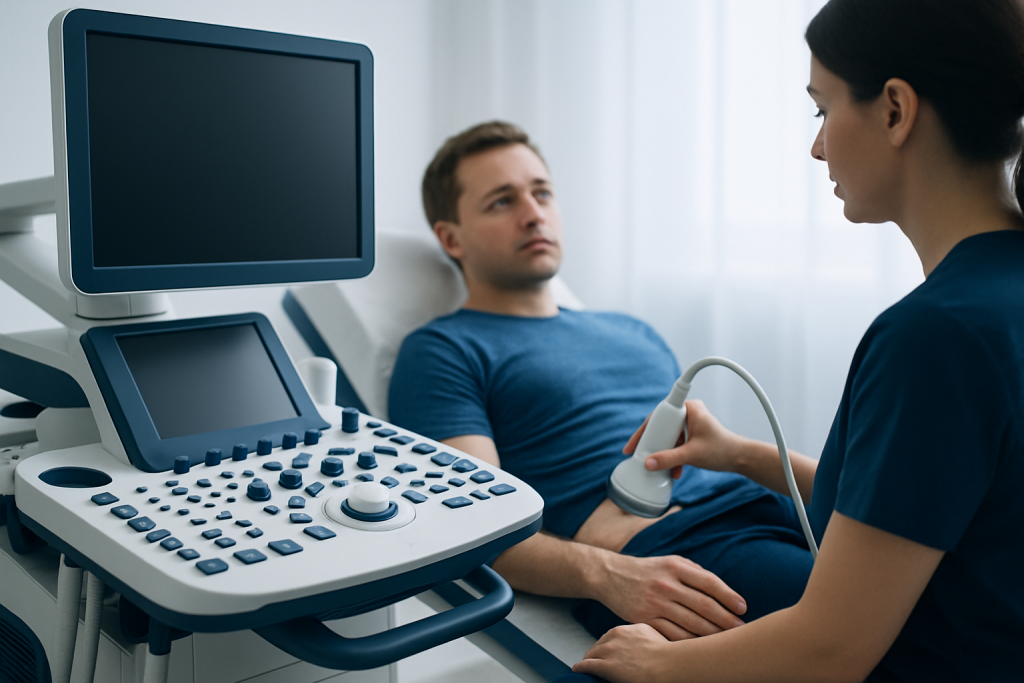
Crohn’s disease can look very different from one person to the next, and symptoms may flare and settle over time. Common digestive symptoms include ongoing diarrhea, abdominal pain or cramping, urgency to use the bathroom, blood in the stool in some cases, and weight loss or reduced appetite.
Some people also notice fatigue, fever during flares, mouth sores, anal pain, or drainage from a fistula. In children and teenagers, slowed growth or delayed puberty may be an important clue that inflammation has been present for some time.
Symptoms do not always reflect the amount of inflammation inside the bowel. A person may feel only mildly unwell while the disease is active, or feel quite uncomfortable when complications such as strictures or abscesses are developing. That is one reason medical assessment matters even when symptoms seem familiar.
Causes & Risk Factors
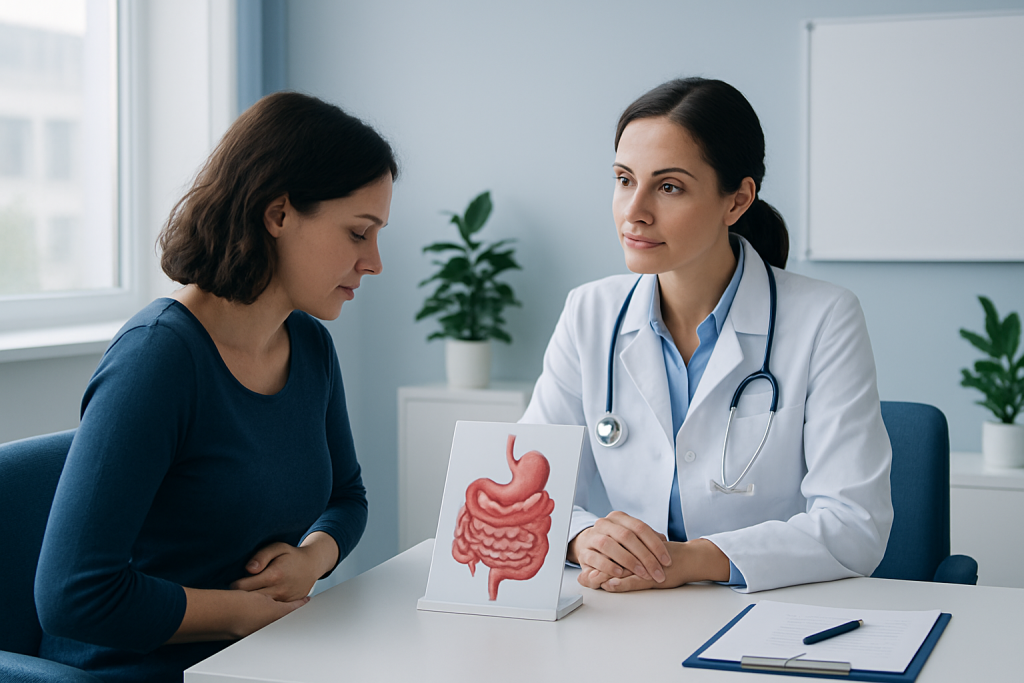
The exact cause of Crohn’s disease is not fully known. Current understanding suggests a combination of immune system changes, genetic predisposition, and environmental triggers that lead the body to attack the digestive tract inappropriately.
Several factors are associated with a higher likelihood of developing Crohn’s disease, including a family history of inflammatory bowel disease, younger age at diagnosis, smoking, and certain environmental exposures. Crohn’s can still develop in people without any obvious risk factors, so the absence of family history does not rule it out.
It is also helpful to understand what Crohn’s is not. It is not caused by a single food, stress alone, or poor hygiene. Stress and diet can influence how symptoms feel, but they do not create the disease on their own.
Diagnosis
Diagnosis usually begins with a careful history and physical examination, followed by tests that look for inflammation, anemia, infection, and nutritional deficiencies. Blood tests and stool studies may be used first, especially when symptoms could also be caused by infection or another bowel condition.
Endoscopy and colonoscopy are central tools because they allow a doctor to view the bowel lining and take biopsies. Imaging such as CT, MRI, or intestinal ultrasound may be needed to map disease deeper in the bowel wall or to check for complications such as abscesses, fistulas, or strictures.
Once Crohn’s is confirmed, treatment is usually guided by disease location, severity, previous response to medicine, and whether there are signs of narrowing or penetrating disease. This staging is especially important for patients traveling from another country, because it helps the team choose tests and treatments that make the most sense within the available time.
Treatment Options
Crohn’s disease treatment is often built in layers. The first layer may include anti-inflammatory medicines, corticosteroids for short-term flare control, immunomodulators that help quiet immune activity, or other supportive treatments depending on the situation. These medicines can reduce symptoms and help bring the disease into remission, but they are chosen carefully because long-term goals and side effects differ from person to person.
Biologic therapies are a major option when Crohn’s is moderate to severe, when there is fistulizing disease, or when standard medicines are not enough. These treatments target specific parts of the immune response that drive inflammation. They are often considered when the goal is deeper, more sustained control, especially for patients who have already tried other therapies.
Surgery is sometimes needed, particularly if Crohn’s has caused a blockage, an abscess, a fistula, heavy bleeding, or diseased bowel that no longer responds well to treatment. Common operations may remove a damaged segment or address complications, but surgery does not eliminate the underlying tendency toward inflammation, so many patients still need medical therapy afterward.
Choosing between medicine, biologics, and surgery is not really about finding one “best” answer forever. It is about matching the treatment to the current pattern of disease, the person’s goals, and the balance between symptom relief, risk reduction, and long-term bowel health.
- Mild or early disease may be managed with carefully selected medicines and close follow-up.
- More active or complicated disease may call for biologics sooner.
- Surgery is reserved for specific complications or medication-resistant disease.
- Many patients need a combination approach over time rather than just one treatment type.
Prevention & Self-care
There is no proven way to prevent Crohn’s disease itself, but day-to-day habits can help reduce symptom burden and support overall health. Smoking cessation is one of the most important steps, since smoking is linked with worse Crohn’s outcomes and more frequent flares.
Nutrition is also personal. During flares, some people do better with simpler, easier-to-digest foods, while during remission they may tolerate a broader diet. Because Crohn’s can affect nutrient absorption, doctors may recommend checking iron, vitamin B12, folate, vitamin D, and other markers depending on the case.
Practical self-care often includes taking medicines exactly as prescribed, keeping follow-up appointments, tracking symptoms, staying hydrated, and identifying foods or situations that seem to worsen symptoms. For people receiving care abroad, it helps to leave with a clear written plan for medication continuity, warning signs, and who to contact after returning home.
When to See a Doctor
Medical review is important when digestive symptoms last more than a short time, keep returning, or interfere with eating, work, school, or sleep. New abdominal pain, persistent diarrhea, unexplained weight loss, rectal bleeding, or ongoing fatigue should not be ignored.
Urgent evaluation is especially important if there are signs of obstruction, such as severe bloating, vomiting, inability to pass stool or gas, or worsening crampy pain. Fever, a painful swelling around the anus, or drainage that suggests an abscess or fistula also deserves prompt attention.
People already diagnosed with Crohn’s should speak with their doctor if medicines stop working, side effects become hard to manage, or a flare feels different from usual. In Acibadem Health Point, multidisciplinary specialists and JCI-accredited hospitals diagnose and treat Crohn’s disease for international patients, with coordinated planning for testing, treatment, and follow-up.
Frequently asked questions
Are medicines usually enough for Crohn’s disease?
Medicines are enough for many people, especially when the disease is caught early or is relatively limited. The best choice depends on how active the inflammation is, where it is located, and whether there are complications. Some patients later need biologics or surgery if the disease changes over time.
What is the difference between biologics and regular medicines?
Regular Crohn’s medicines often calm inflammation more broadly, while biologics target specific parts of the immune system. Biologics are commonly used when the disease is more active or when other treatments have not worked well enough. A doctor decides which approach fits the person’s pattern of disease and treatment history.
Does surgery cure Crohn’s disease?
Surgery can remove damaged bowel and fix complications, but it does not cure Crohn’s disease. Inflammation can return in other areas, so many people still need medication and follow-up after an operation. Surgery is usually used to improve symptoms, prevent complications, or restore bowel function.
How do doctors decide between biologics and surgery?
The decision depends on whether the disease is mainly inflammatory, narrowing, or penetrating, and whether there are complications such as abscesses or fistulas. Biologics are often preferred when the goal is to control inflammation without removing bowel. Surgery becomes more likely when there is a blockage, abscess, or disease that is unlikely to improve enough with medication alone.
Can diet alone manage Crohn’s disease?
Diet can influence comfort and help manage symptoms, but it does not replace medical treatment for Crohn’s disease. Some people benefit from individualized nutrition advice, especially during flares or if they have strictures or nutrient deficiencies. A doctor or dietitian can help tailor food choices to the situation.
When should someone seek urgent care for Crohn’s symptoms?
Urgent care is appropriate for severe abdominal pain, vomiting, signs of bowel obstruction, fever, or a painful anal swelling. These symptoms can suggest a complication that needs prompt assessment. People should not wait for a routine appointment if symptoms are escalating quickly.
References
- National Institute of Diabetes and Digestive and Kidney Diseases
- Crohn's & Colitis Foundation
- American College of Gastroenterology
- World Gastroenterology Organisation
- NHS
This article is for general information only and is not a substitute for professional medical advice. Please consult a qualified doctor about your individual situation.