How to Increase Penis Thickness Safely

Key Takeaways
- Penis thickness varies naturally, and appearance can be influenced by body fat, erection quality, and anatomy.
- There are no proven at-home exercises, pills, or gadgets that reliably and safely increase girth.
- Medical evaluation helps identify whether a concern is cosmetic, functional, or related to another health issue.
- Only trained clinicians should perform or recommend any procedure aimed at changing penile size.
- Healthy weight, good blood flow, and addressing anxiety can improve sexual confidence and function.
Concerns about penis thickness are common, but safe decisions start with understanding normal variation, realistic expectations, and the limits of at-home methods. A qualified doctor can explain medically appropriate options and help rule out concerns that may affect confidence or sexual function.
Overview
Questions about penis thickness are often really questions about confidence, comparison, or sexual comfort. Many men notice the issue during intimate relationships, after seeing online claims, or when they compare themselves with unrealistic images and advice.
From a medical perspective, penis girth has a wide normal range. In many cases, what looks like a size problem may actually reflect body composition, erection firmness, or stress about performance. A careful conversation with a doctor can help separate perception from a true medical concern.
Safe care starts with one simple principle: avoid anything that promises dramatic enlargement without medical supervision. Most quick-fix products sold online are ineffective, and some can cause injury, scarring, or lasting changes in sensation.
Symptoms and Concerns That Often Lead to Treatment Requests
The main concern is usually visual appearance, but some men also describe emotional distress, reduced confidence, or worry that they are “too thin” during sex. Others may notice that the penis appears narrower when flaccid, or that erections do not feel as firm or full as expected.
Sometimes the issue is not true thickness at all. A suprapubic fat pad can hide part of the shaft, and weaker erections may make the penis look slimmer than it is. In other cases, a curvature, previous injury, or scar tissue can create asymmetry that feels like a size problem.
- Feeling dissatisfied with penile girth
- Concern that the penis looks smaller during erection
- Reduced confidence in intimate situations
- Worry about differences noticed after weight change, injury, or age-related changes
When discomfort, embarrassment, or sexual avoidance is present, the concern deserves a respectful medical discussion rather than dismissal.
Causes and Risk Factors
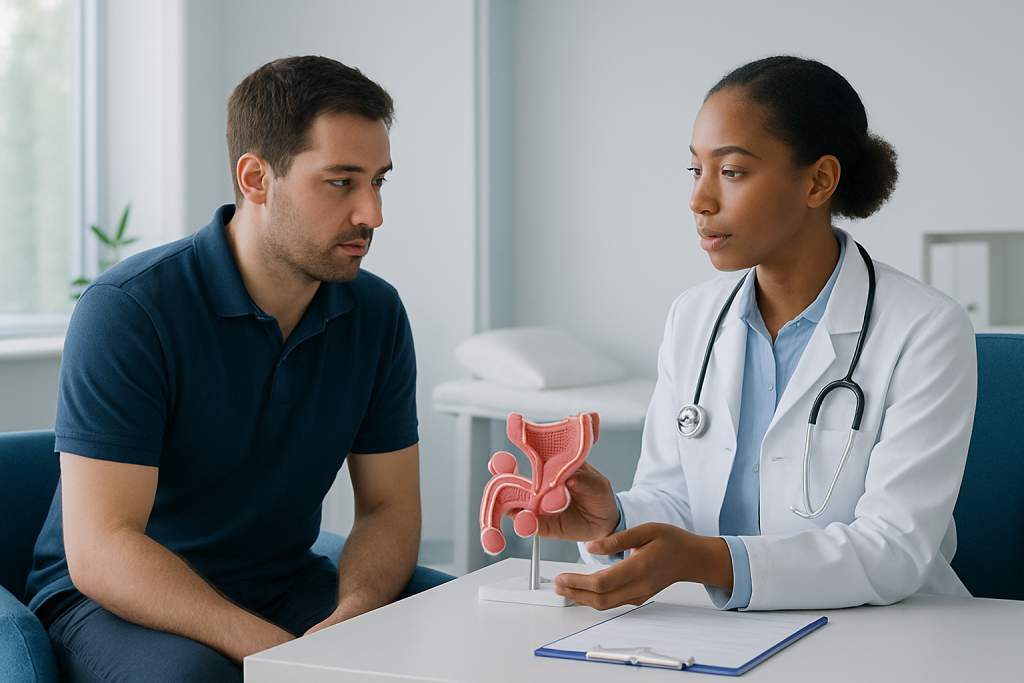
Penis thickness is influenced by anatomy, genetics, hormone exposure during development, and overall body composition. Adult size differences are usually normal and not a sign of disease.
Several factors can make the penis appear thinner or less prominent. Excess weight can conceal part of the shaft, smoking can affect blood flow, and conditions that reduce erection quality can change the look and feel of the erection. Anxiety can also interfere with firmness, making the penis appear less full than it is.
Less commonly, scarring conditions such as Peyronie’s disease, prior trauma, or certain surgical histories may affect shape. Hormonal problems are not a common cause of isolated girth concerns, but they may be considered if there are broader signs such as low libido, fatigue, or reduced facial/body hair.
Diagnosis: What a Doctor May Check
Evaluation usually begins with a straightforward history and physical examination. A doctor may ask when the concern began, whether the change is lifelong or recent, whether erections are firm, and whether pain, curvature, or urinary symptoms are present.
In some cases, measurements taken in a clinical setting help clarify whether there is a genuine structural issue or only a perception problem. If erection quality is part of the concern, the doctor may also review cardiovascular risk factors, medications, mental health, and lifestyle habits that affect blood flow.
Tests are not always necessary. When they are, they may include hormone evaluation, blood sugar screening, or other studies tailored to the person’s symptoms. The aim is not simply to measure size, but to understand the reason behind the concern and guide safe choices.
Treatment Options
There is no universally recommended non-surgical method that safely and reliably increases penis thickness. Products marketed as supplements, creams, suction devices, or “penis exercises” should be viewed carefully, because many lack evidence and some can cause harm.
Medical treatment depends on the underlying issue. If erection firmness is reduced, managing the cause may improve the appearance and quality of the erection. If weight is contributing to a buried appearance, weight loss can sometimes make more of the shaft visible. If anxiety or body image concerns are central, counseling or sex therapy may be helpful.
For men seeking a structural change, a specialist may discuss procedural options. These should only be considered after a detailed consultation, because results, risks, and recovery vary. Possible risks can include uneven appearance, lumps, infection, scarring, changes in sensation, and dissatisfaction with the outcome.
- Do not self-inject unknown substances
- Avoid unregulated fillers or online “enhancement” kits
- Seek only experienced medical providers for any procedure
In selected cases, a multidisciplinary team can explain whether a treatment is appropriate, what it can realistically achieve, and what follow-up would be required after returning home or traveling from abroad.
Prevention and Self-care
Self-care cannot change anatomy dramatically, but it can support healthier erections and better body confidence. Good sleep, regular physical activity, and stopping smoking all help circulation. Managing blood pressure, diabetes, and cholesterol also matters because penile blood flow is closely linked to overall vascular health.
Many men benefit from shifting attention away from online comparisons and toward what is actually happening in their own body. If erections are generally strong and there is no pain or deformity, reassurance may be more helpful than treatment. Wearing a healthier weight and keeping pelvic and general fitness in good shape may also improve how the penis appears.
Communication with a partner can reduce pressure and make intimate situations feel less performance-focused. When worry becomes persistent, a mental health professional or sex therapist can help address shame, obsessive checking, or unrealistic expectations.
When to See a Doctor
A medical visit is worthwhile if the penis has changed shape, if erections are weaker, if there is pain, or if the concern is causing ongoing distress. It is also sensible to seek advice before using any enlargement device, injectable product, or procedure advertised online.
Men should not ignore new curvature, a lump, bruising after injury, difficulty with urination, or sudden changes in erectile function. These symptoms may point to a condition that deserves proper evaluation, even if size is the original worry.
For international patients, planning care in advance helps with safe follow-up. Acibadem Health Point’s multidisciplinary specialists and JCI-accredited hospitals can diagnose and treat this condition for international patients, with coordination that supports consultation, treatment planning, and recovery after travel.
A Practical Way to Think About Enlargement Claims
The safest filter is simple: if a method promises fast, dramatic, permanent girth increase with little effort, it should be treated cautiously. Medical decisions should be based on anatomy, health status, and realistic outcomes, not on pressure or marketing language.
It can help to ask three questions before considering any intervention: Is there evidence it works? Who will perform it? What are the possible complications and what happens if the result is not satisfactory? Clear answers from a qualified clinician are more valuable than anonymous testimonials.
For many men, the best outcome is not necessarily a larger measurement, but a healthier erection, less anxiety, and confidence that the choice they make is medically sound.
Frequently asked questions
What is the safest way to increase penis thickness?
The safest approach is to first get a medical evaluation. In many cases, addressing erection quality, weight, smoking, or anxiety improves appearance and function more safely than trying unproven enlargement methods.
Do pills or supplements work for penis girth?
There is no strong evidence that over-the-counter pills or supplements reliably increase penis thickness. Some products may also be unsafe or interact with other medicines, so they should be discussed with a doctor before use.
Can exercises increase penile thickness?
Exercise can improve circulation and overall sexual health, but it does not reliably increase girth. Aggressive techniques found online may injure tissue, so they are not recommended.
Are there medical procedures to change penis girth?
Some procedures may be discussed by specialists in selected cases, but they are not routine and they carry risks. A qualified doctor can explain whether the expected benefit is reasonable and whether the person is a good candidate.
When is penis thickness concern a sign of another problem?
If the concern is new, painful, associated with curvature, or linked to weaker erections, it may reflect an underlying condition. In that situation, a medical assessment is important.
Can losing weight make the penis look thicker?
Weight loss does not change anatomy, but it can reveal more of the shaft that was hidden by a fat pad. It may also support better erection quality and overall health.
References
- Urology Care Foundation
- American Urological Association
- National Health Service
- Mayo Clinic
- Cleveland Clinic
This article is for general information only and is not a substitute for professional medical advice. Please consult a qualified doctor about your individual situation.
More from the Health Library

Breast Lift With or Without Implants: Which Result Fits Your Volume, Position, and Skin?

Revision Rhinoplasty: When Another Operation Is Too Early