Denatured Alcohol

Key Takeaways
- Denatured alcohol is intended for cleaning, fuel, and industrial use, not human consumption.
- Exposure can cause irritation, dizziness, nausea, and in more serious cases, poisoning symptoms.
- The added chemicals vary by product, so the risk depends on the specific formulation and amount exposed.
- Quick first aid and timely medical evaluation are important after swallowing, inhaling, or heavy skin exposure.
- Prevention starts with careful storage, clear labeling, and using safer alternatives when possible.
Denatured alcohol is ethanol mixed with chemicals that make it unsafe to drink. It is commonly used in industrial and household products, but accidental swallowing, inhalation, or skin exposure can cause harmful effects that deserve prompt attention.
Overview
Denatured alcohol is a type of alcohol that has been intentionally made unfit for drinking by adding bittering agents or toxic chemicals. It is commonly used in laboratories, cleaning products, fuel, cosmetics manufacturing, and some hobby or industrial settings.
For many people, the name is the key clue: it is alcohol that has been altered for a purpose, and that purpose is to keep it out of the beverage supply. Because the additives vary from one product to another, the health risk is not the same for every bottle. Some formulations cause mainly irritation, while others can lead to serious poisoning if swallowed, breathed in heavily, or absorbed in significant amounts.
For international patients or travelers, this matters in practical ways. A product labeled for cleaning or fuel in one country may not be identical to a similar product elsewhere, so labels should never be assumed to mean the same thing across borders. When in doubt, it is safer to treat denatured alcohol as a chemical product rather than a household remedy.
Symptoms
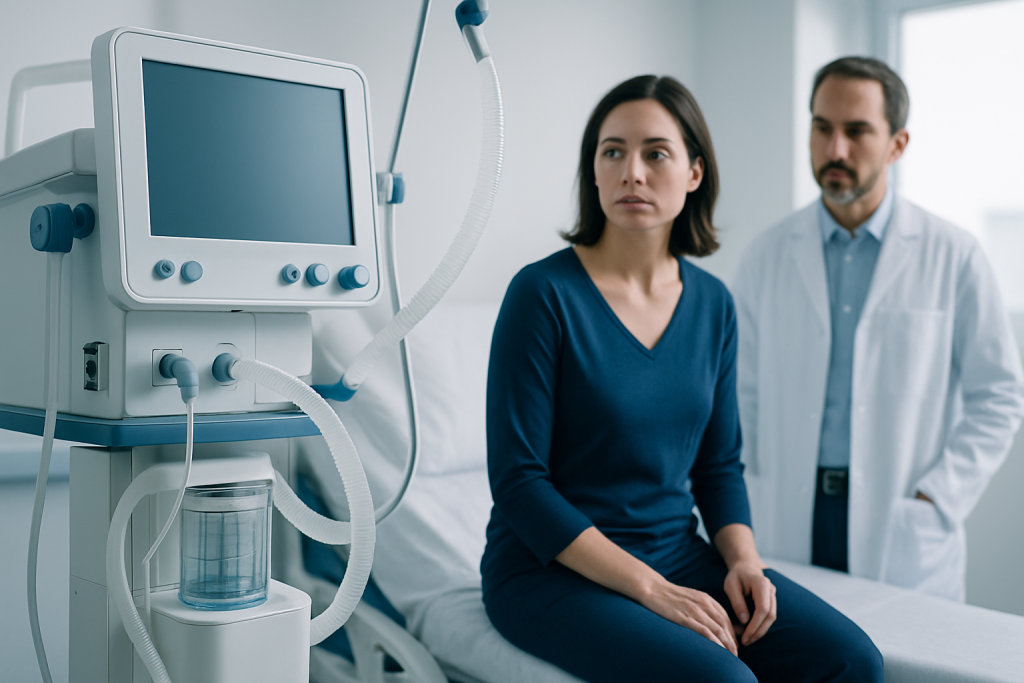
Symptoms depend on how the exposure happened and which chemicals were added. Mild exposure may cause stinging of the eyes, nose, or throat, along with dry or irritated skin. People may also notice headache, lightheadedness, or a strong chemical taste or smell after breathing fumes in an enclosed space.
Swallowing denatured alcohol can produce more concerning symptoms. These may include nausea, vomiting, abdominal pain, confusion, unsteady walking, slowed thinking, or unusual sleepiness. Some products can also lead to more dangerous poisoning patterns, including vision changes, severe weakness, breathing problems, or worsening confusion.
Symptoms may not appear immediately, especially with some toxic alcohols. That delay can make the exposure seem less serious at first, which is why early medical advice is important when a significant amount may have been swallowed or when symptoms continue after exposure.
Causes & Risk Factors

The main cause of harm is accidental or intentional exposure to a product that was never meant for drinking. This can happen when denatured alcohol is mistaken for beverage alcohol, when it is stored in an unlabeled container, or when it is used in a poorly ventilated area. Children, older adults, and people with vision or memory difficulties are often at higher risk for accidental ingestion.
Workplace and hobby exposures are also common. People who use denatured alcohol for cleaning, shellac removal, lab work, camping stoves, or craft projects may inhale fumes or spill it on the skin. Risk rises when gloves are not used, rooms are closed off, or products are transferred into drink bottles or food containers.
Some social situations can add risk as well. In settings where alcohol products are shared or repackaged, a person may not realize that a bottle contains a toxic industrial product. Clear labeling, original containers, and safe storage reduce this risk substantially.
Diagnosis
Diagnosis begins with a careful history of what was exposed and how it happened. A clinician will usually ask about the product name, the amount involved, the time of exposure, and whether symptoms are present. If possible, bringing the container or a clear photo of the label can help medical staff identify the ingredients quickly.
Because different products contain different chemicals, testing may be needed. Depending on the situation, a doctor may check blood chemistry, acid-base balance, kidney function, liver function, and blood levels of certain toxic alcohols if available. Eye symptoms, breathing changes, or mental status changes may prompt closer observation or emergency assessment.
In many cases, the diagnosis is made by combining exposure history with symptoms and laboratory findings. That approach is especially important when the exact chemical is unknown or when the patient presents after traveling, shopping abroad, or using a product purchased outside their home country.
Treatment Options
Treatment depends on the type of exposure and how quickly care begins. If the product only touched the skin or eyes, the first step is usually thorough rinsing with plenty of water and removal of contaminated clothing. If fumes were inhaled, moving to fresh air is often the immediate priority.
When swallowing is involved, urgent medical evaluation is important. Treatment may include supportive care such as fluids, anti-nausea medication, and monitoring of vital signs. For certain toxic alcohol exposures, doctors may use specific antidotal treatment and, in more serious cases, dialysis to remove the toxin and correct dangerous blood abnormalities.
Not every exposure needs the same intervention. The safest approach is to have a clinician or poison center assess the product, the amount, and the timing before deciding what level of care is needed. This is particularly important if the person has confusion, trouble breathing, vision changes, or persistent vomiting.
Prevention & Self-care
Prevention begins with storage. Denatured alcohol should remain in its original container, tightly closed, clearly labeled, and out of reach of children and vulnerable adults. It should never be moved into a beverage bottle, kitchen jar, or any container that might be mistaken for food or drink.
Safe use also matters. Good ventilation reduces inhalation exposure, and gloves can help protect the skin during handling. After spills, surfaces should be cleaned according to the manufacturer’s instructions, and contaminated clothing should be washed or discarded when appropriate.
For self-care after minor skin contact, wash the area with soap and water and monitor for redness or irritation. After eye exposure, rinse with clean water for several minutes. If someone may have swallowed denatured alcohol, avoid home remedies and seek professional guidance promptly rather than waiting for symptoms to fully develop.
- Keep the product in the original labeled container.
- Store it separately from food, drinks, and medicines.
- Use it only in well-ventilated areas.
- Wear protection when handling large amounts.
- Check labels carefully when traveling or buying products abroad.
When to See a Doctor
Medical advice is appropriate any time a person may have swallowed denatured alcohol, especially if the amount is unknown or the product label lists toxic ingredients. It is also wise to seek care if symptoms include vomiting, severe dizziness, confusion, trouble walking, chest discomfort, or breathing difficulty.
Eye exposure, significant skin irritation, or inhalation in a closed space should also be reviewed by a clinician if symptoms do not quickly improve. In children, older adults, and people with other medical conditions, even a modest exposure may deserve a lower threshold for evaluation.
International patients who need assessment after an exposure can often be evaluated with a straightforward history, targeted testing, and follow-up planning that fits travel schedules. Acibadem Health Point’s multidisciplinary specialists and JCI-accredited hospitals diagnose and treat this condition for international patients, with care coordinated around safe recovery and clear next steps.
Living Safely With Chemical Products
Most denatured alcohol problems are preventable with habits that seem simple but make a major difference: read the label, keep chemicals separate from household items, and never assume a liquid is safe because it looks or smells familiar. Small storage mistakes are a common reason for accidental exposure.
When people are traveling, working in unfamiliar settings, or buying products in another language, it helps to pause before using any alcohol-based liquid. If the intended use is unclear, asking a pharmacist, clinician, or local expert is safer than guessing.
For anyone who has had a recent exposure, follow-up is sometimes just as important as the first visit. A doctor may recommend observation, repeat testing, or delayed review if symptoms evolve. Clear instructions and a careful return plan help reduce unnecessary worry while still protecting health.
Frequently asked questions
Is denatured alcohol the same as rubbing alcohol?
No. They are different products and may contain different ingredients and risks. The safest approach is to read the label rather than assuming one type of alcohol can be used like another.
Can denatured alcohol be used on the skin?
It is not meant for routine skin use. Small accidental contact usually causes irritation rather than severe injury, but repeated or large exposure can be harmful, especially if the skin is broken.
What should a person do after swallowing denatured alcohol?
They should seek urgent medical advice right away and bring the product label if possible. Home treatment is not a good substitute, because the ingredients and toxicity can vary widely.
Are fumes from denatured alcohol dangerous?
Brief exposure in a ventilated area is less likely to cause major harm, but heavy inhalation in a closed space can cause symptoms such as headache, dizziness, or nausea. Fresh air and proper ventilation are important.
Why does the danger vary from one bottle to another?
Because denatured alcohol is a category of products, not one single formula. Manufacturers may add different substances to make it unfit for drinking, and some additives are more toxic than others.
When is emergency care needed?
Emergency care is important if there is trouble breathing, confusion, collapse, vision changes, seizures, or a known significant swallowing exposure. Rapid evaluation can help doctors decide whether monitoring, antidotal treatment, or other care is needed.
References
- Centers for Disease Control and Prevention
- National Institute for Occupational Safety and Health
- World Health Organization
- Poison Control
This article is for general information only and is not a substitute for professional medical advice. Please consult a qualified doctor about your individual situation.