Deep Tissue Massage: Benefits and Risks

Key Takeaways
- Deep tissue massage is often used for persistent muscle tightness, postural strain, and some sports-related aches.
- The technique uses slow, targeted pressure rather than a relaxing surface-level approach.
- It should not be painful to the point of distress; communication during the session matters.
- People with certain medical conditions may need to avoid or modify massage therapy.
- A qualified clinician can help determine whether deep tissue massage is suitable as part of a broader care plan.
Medically reviewed by the Acıbadem clinical team — August 19, 2026
Deep tissue massage is a hands-on therapy that uses slow, firm pressure to work on deeper layers of muscle and connective tissue. It may help reduce tension, improve mobility, and support recovery when it is used appropriately and tailored to the person’s needs.
Overview
Deep tissue massage is a therapeutic technique that focuses on the deeper layers of muscle and the connective tissues that surround them. The pressure is usually slower and more deliberate than a relaxation massage, and the aim is not simply to soothe the body, but to address areas that feel chronically tight, restricted, or overworked.
It is often considered in rehabilitation settings, sports recovery plans, or for people who spend long hours at a desk and notice a pattern of neck, shoulder, or lower-back tension. For international patients, it may be discussed alongside physiotherapy or other non-surgical care, especially when muscle guarding or stiffness makes everyday movement feel more limited than it should.
Although the phrase sounds straightforward, deep tissue massage is not one single method. The therapist may use fingers, knuckles, forearms, or elbows, adjusting the approach to the person’s comfort and to the tissue being treated. The best sessions are guided by communication, not endurance.
What it may help with
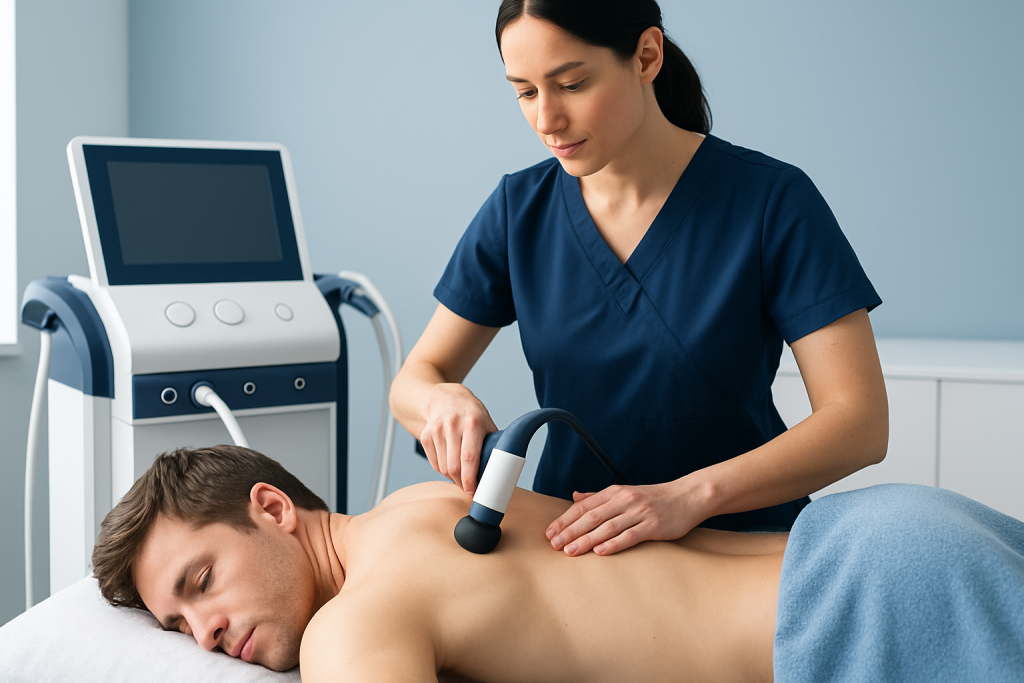
People usually seek deep tissue massage when they have a specific area that feels stubborn rather than general tiredness. It may be used for muscle tension linked to posture, repetitive work, training load, stress-related clenching, or recovery after minor soft-tissue strain. Some people also report that it helps them move more freely after a period of stiffness.
The possible benefits are often practical rather than dramatic. A person may notice that it is easier to turn the head, raise the shoulder, bend at the hips, or sit more comfortably for longer periods. In a rehabilitation context, this can make exercise, stretching, and day-to-day movement feel more manageable.
That said, deep tissue massage is not a cure for every kind of pain. Pain caused by inflammation, joint disease, nerve compression, fracture, infection, or other medical conditions needs proper assessment first. Massage may be part of care, but it should not replace a diagnosis when symptoms are persistent or unusual.
How it feels during a session
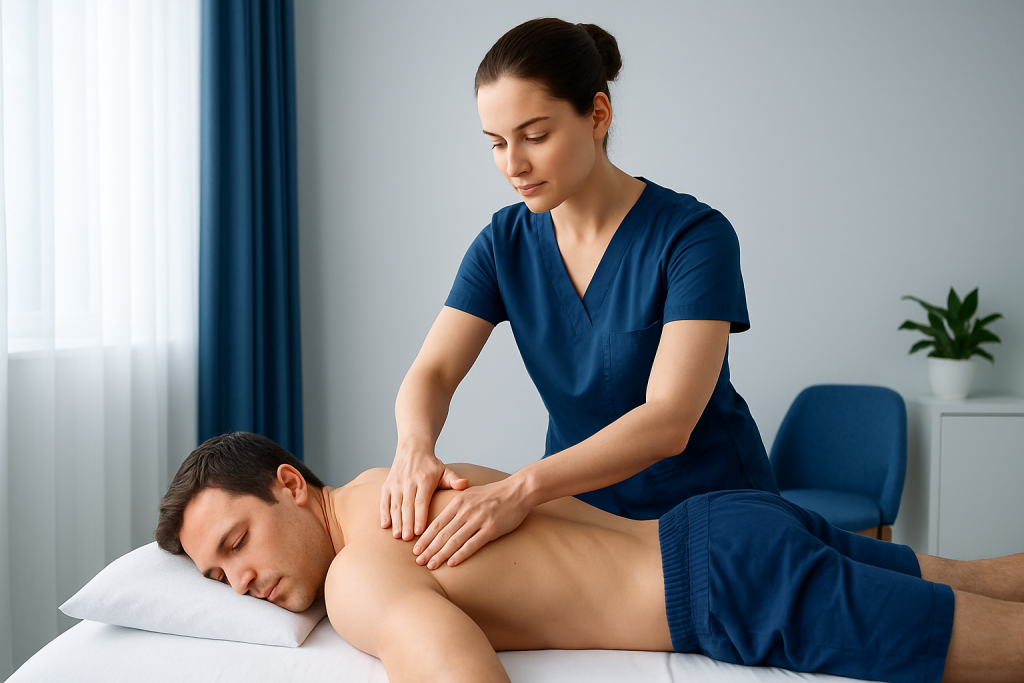
During a deep tissue massage, the therapist usually works slowly into the affected area, pausing where tissue feels restricted. The sensation is often described as firm, intense, or “good pain,” but it should remain tolerable and never feel sharp, burning, or alarming. A skilled therapist will adapt pressure when the body signals that the tissue is guarding or when discomfort becomes too much.
Some areas may feel tender during the session or more sensitive afterward, especially if the muscles were already tight. Mild soreness can happen, similar to the feeling after an unfamiliar workout. Drinking water, resting if needed, and allowing the body time to settle can help.
People who travel for treatment often appreciate knowing that a massage session is usually part of a broader pathway: an assessment first, then treatment, then follow-up guidance. That structure is especially useful when the person will return home and continue recovery remotely.
Causes and risk factors for muscle tightness
Deep tissue massage is usually considered because of the reasons behind muscle tightness, not because massage itself is the problem. Common contributors include prolonged sitting, poor workstation setup, repetitive lifting, stress, deconditioning, sports overuse, and protective muscle tightening after injury. In some people, sleep position or an old movement pattern can keep one region under constant strain.
Certain factors can make tightness more likely or more persistent. These may include low physical activity, weak supporting muscles, limited flexibility, high training volume, and long periods of static posture during work or travel. Emotional stress can also contribute, as people often hold tension in the neck, jaw, shoulders, and back without noticing it.
Because the underlying reason matters, a clinician may ask about work habits, exercise, prior injuries, medications, and pain patterns before recommending massage. That context helps determine whether deep tissue work is appropriate or whether a different approach would be safer and more effective.
Diagnosis and assessment before treatment
Deep tissue massage is not something that should be booked blindly when pain is unexplained. A good therapist or rehabilitation specialist first looks at the person’s history, symptom pattern, and movement limitations. They may ask where the discomfort started, what makes it better or worse, and whether there are warning signs such as numbness, swelling, fever, recent injury, or unexplained weight loss.
Depending on the case, a clinician may perform a brief physical examination or recommend imaging or another medical evaluation before treatment. This is especially important when pain is severe, long-lasting, spreading, or associated with weakness. The goal is to make sure the discomfort is muscular and suitable for hands-on therapy rather than a problem that needs another type of care.
For international patients, this assessment step can be valuable because it creates a shared plan that can travel with them. Clear documentation, written home advice, and follow-up instructions make it easier to continue care safely after returning to another country.
Treatment options and what it can be combined with
Deep tissue massage is usually one part of a larger management plan. It may be combined with stretching, strengthening exercises, posture education, ergonomic changes, heat or cold advice, and physiotherapy. When used this way, the massage is less likely to be a short-lived fix and more likely to support lasting improvement in movement and comfort.
The number of sessions depends on the person’s needs, the nature of the tightness, and how the body responds. Some people benefit from one or two targeted sessions, while others with ongoing strain may need a more gradual plan. The key is to reassess rather than assuming that more pressure is always better.
In some cases, the therapist may suggest a gentler method instead of deep pressure, especially if the person is highly sensitive, recovering from a recent injury, or has a condition that makes stronger manual therapy unsuitable. Good care is flexible, and the best approach is the one the body can tolerate well.
- Stretching and mobility work can help maintain gains after treatment.
- Strength training may reduce repeated overload on the same muscles.
- Ergonomic changes can be important when symptoms are work-related.
- Stress management can help if tension builds during long periods of strain.
Prevention and self-care
Self-care matters because massage works best when the body is not continually pushed back into the same tight pattern. Regular movement breaks, posture changes, hydration, and adequate sleep can all support muscle recovery. For people who sit or travel for long periods, brief walks and gentle mobility exercises may help prevent stiffness from settling in.
It is also useful to notice personal triggers. Some people feel tighter after intense exercise without recovery time, while others stiffen after long hours at a computer or during stressful weeks. Once those patterns are identified, they can often be managed with a simpler routine rather than waiting for pain to build.
After a deep tissue session, people are usually advised to listen to the body and avoid overexertion if the area feels sore. Light movement is often preferable to complete inactivity, but the best advice depends on the person’s condition and the therapist’s guidance. If soreness is unusually strong or lasts longer than expected, the clinician should be informed.
When to see a doctor
Medical review is important if pain is new, severe, steadily worsening, or interfering with sleep and daily activities. A doctor should also be consulted if muscle tightness comes with numbness, tingling, weakness, significant swelling, fever, unexplained bruising, or pain after an injury. These symptoms may point to a problem that needs a different evaluation.
It is also wise to ask for advice before massage if a person is pregnant, taking blood-thinning medicine, has a bleeding disorder, has recently had surgery, or has a history of blood clots or major cardiovascular disease. In those situations, the massage plan may need to be modified or avoided altogether.
For people traveling for care, it helps to have a clear answer to a simple question: is this pain something that can safely be treated with hands-on therapy, or does it need further medical workup first? A careful consultation can clarify that without rushing the decision. At Acibadem Health Point, multidisciplinary specialists and JCI-accredited hospitals can diagnose and treat this condition for international patients as part of a coordinated care pathway.
Frequently asked questions
Is deep tissue massage supposed to hurt?
It may feel firm and somewhat intense, especially in tight areas, but it should not be unbearable. The person should be able to speak up if the pressure is too much, and the therapist should adjust the technique. Pain that feels sharp, burning, or worrying is a sign to stop and reassess.
Can deep tissue massage help back or neck stiffness?
It may help some people with muscular stiffness in the back or neck, especially when posture or repetitive strain is part of the issue. It is most useful when combined with movement advice and other rehabilitation strategies. If the pain is severe, spreading, or linked to numbness or weakness, medical assessment should come first.
How many sessions are usually needed?
The number varies widely because the cause of the tightness matters more than the massage itself. Some people improve after a single session, while others need a short series with exercises and follow-up. The treatment plan should be reviewed based on response rather than fixed in advance.
Are there reasons someone should avoid deep tissue massage?
Yes. Recent injury, unexplained pain, fever, blood clot risk, bleeding disorders, recent surgery, or certain medications can make massage unsuitable or require modification. A clinician can help decide whether it is safe in a specific situation.
What should someone do after a deep tissue massage?
Resting briefly, staying hydrated, and using gentle movement often help the body settle. Mild soreness can be normal, but strong or lasting discomfort should be reported. If the massage is part of rehabilitation, following the exercise or posture plan matters just as much as the session itself.
References
- World Health Organization
- National Center for Complementary and Integrative Health
- Mayo Clinic
- Cleveland Clinic
- NHS
This article is for general information only and is not a substitute for professional medical advice. Please consult a qualified doctor about your individual situation.
Joint and spine care in Turkey — expert assessment & treatment
JCI-accredited · board-certified surgeons · reply within 24h
Add us as a Preferred Source to see more of our trusted health content across Google Search, AI Overviews and Discover.
More from the Health Library



Related Specialists

Fzt. Elif Tokgöz Nizam
Physical Medicine & Rehabilitation
Fzt. Gizem Aydın
Physical Medicine & Rehabilitation
Dr. Safiye Sayilir
Physical Medicine & Rehabilitation
Dr. Özgün Barış Çolak
Physical Medicine & Rehabilitation