Cyst: Symptoms, Causes and Treatment

Key Takeaways
- Cysts are enclosed sacs that can develop in skin, organs, joints, or soft tissues.
- Many cysts cause no symptoms and are found by chance, while others become painful, swollen, or infected.
- Doctors usually diagnose a cyst with an examination and, when needed, imaging or other tests to confirm its type.
- Treatment ranges from watchful waiting to drainage or surgical removal, depending on size, location, and symptoms.
- New, changing, painful, or recurrent lumps should be assessed by a qualified doctor.
Medically reviewed by the Acıbadem clinical team — August 19, 2026
A cyst is a fluid-, air-, or semi-solid-filled sac that can form in many parts of the body. Most cysts are harmless, but some need evaluation if they grow, hurt, change, or affect nearby structures.
Overview
A cyst is a closed pocket of tissue that can contain fluid, pus, air, or a more solid material. It can appear almost anywhere in the body, including the skin, breasts, ovaries, kidneys, liver, thyroid, or joints. The word itself describes the shape of the structure, not a single disease, which is why cysts can behave very differently from one person to another.
Many cysts are benign and stay stable for years. Some are discovered only during imaging for an unrelated reason, while others are noticed because they become visible, tender, or interfere with movement or daily comfort. For international patients, that uncertainty is often the hardest part: a lump may look simple from the outside, yet still need a careful medical assessment to understand what it is and whether anything should be done.
What matters most is not panic, but clarity. A clinician looks at where the cyst is, how long it has been present, whether it is changing, and whether it is causing symptoms. That context usually guides the next step, whether it is observation, testing, treatment, or reassurance.
Symptoms
Some cysts cause no symptoms at all. Others are noticed because they create a new lump under the skin or a sense of fullness, pressure, or discomfort in the affected area. A cyst may be soft or firm, movable or fixed, and it may slowly enlarge over time.
Symptoms often depend on the cyst’s location. A skin cyst may become red or tender if irritated. A cyst inside an organ may not be felt directly, but it can still cause pain, pressure, or changes in how nearby tissues work. In some cases, a cyst can become infected, rupture, or press on nerves or organs, which may lead to more obvious discomfort.
- Visible lump or swelling
- Tenderness or pain
- Redness or warmth if inflamed or infected
- Pressure, heaviness, or a feeling of fullness
- Limited movement if near a joint or tendon
- Changes in nearby organ function, depending on location
Because cysts vary so widely, symptoms alone cannot confirm what a lump is. A new or changing mass deserves medical attention, especially if it grows quickly, becomes painful, or is associated with fever or other warning signs.
Causes & Risk Factors

Cysts form for different reasons depending on the body area involved. Some develop when a duct or gland becomes blocked, trapping fluid or skin cells. Others form after an injury, infection, irritation, inflammation, or a change in tissue growth. Certain cysts are linked to hormones or inherited tendencies, while others arise without a clear cause.
Common risk factors include a history of skin inflammation, repeated friction, chronic irritation, family history for some cyst types, and specific medical conditions that affect organs or hormones. Age can also play a role, since some cysts become more common at certain life stages. That said, many people with a cyst have no obvious risk factor at all.
It is also important to separate cysts from other lumps. Not every round or mobile swelling is a cyst, and not every cyst needs removal. This is one reason why a proper examination matters: the goal is to understand the lesion in context rather than assume the same cause for every lump.
Diagnosis
Diagnosis usually starts with a medical history and physical examination. The clinician may ask when the lump first appeared, whether it has changed, whether there is pain or drainage, and whether similar lumps have occurred before. The appearance, texture, and location often give helpful clues, but they do not always provide a final answer.
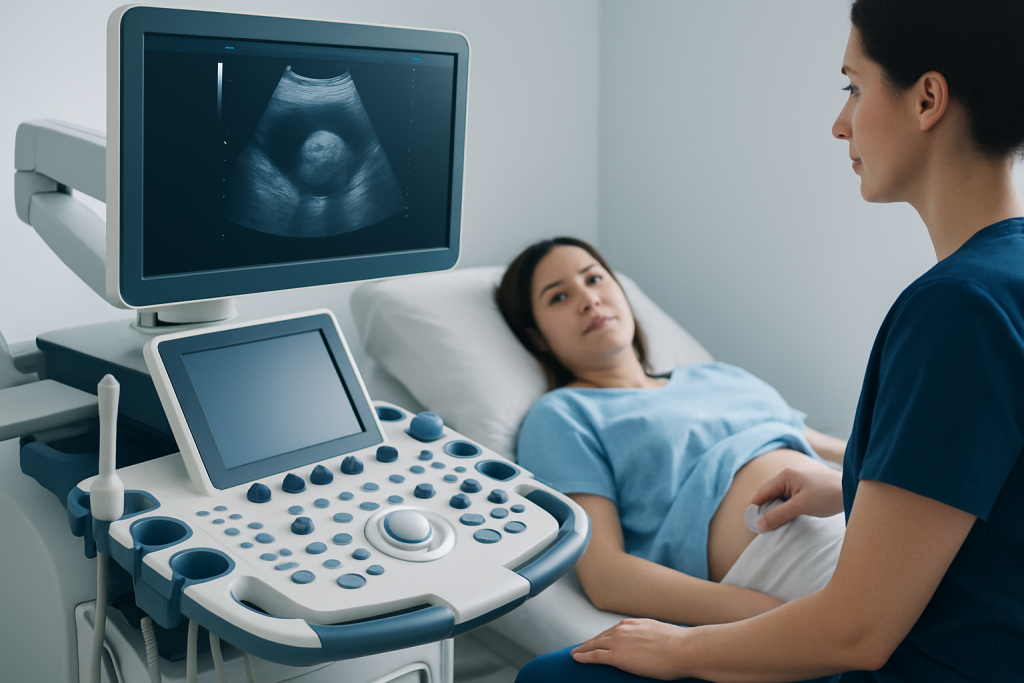
If needed, imaging studies such as ultrasound, CT, or MRI may be used to define the cyst’s size, structure, and relationship to nearby tissues. For some cysts, a needle sample or fluid analysis may help confirm the diagnosis or rule out infection or other conditions. In selected cases, the removed tissue is sent for laboratory examination after surgery.
For patients traveling from another country, it can help to bring prior reports, images, and medication lists to the consultation. Comparing earlier and current studies can show whether the lesion is stable, and that often shapes whether observation is reasonable or whether treatment would be more appropriate.
Treatment Options
Treatment depends on the type of cyst, where it is located, and whether it causes symptoms. Many cysts need no immediate treatment and can simply be monitored. If a cyst is small, stable, and not bothersome, a clinician may recommend periodic review rather than intervention.
When treatment is needed, options may include drainage, aspiration, injection in selected situations, or surgical removal. If a cyst is infected, medical treatment may be required first to calm the inflammation. In some areas of the body, removing the entire cyst wall helps reduce the chance that it returns; in other cases, a less invasive approach is preferred because of the surrounding anatomy.
There is no single best treatment for every cyst. Decisions are usually based on symptoms, the risk of recurrence, cosmetic concerns, possible effects on nearby structures, and the person’s overall health. For international patients, planning also includes recovery time, follow-up imaging, and whether additional care can be safely arranged after returning home.
Prevention & Self-care
Not every cyst can be prevented, especially when the cause is internal or inherited. Still, simple habits can reduce irritation or help a person notice changes early. Skin cysts, for example, may be less troublesome when areas of repeated friction or trauma are protected. Good skin hygiene and avoiding squeezing or picking at lumps can also lower the chance of inflammation.
If a clinician recommends observation, self-care usually means watching for growth, pain, redness, drainage, or new symptoms rather than trying home remedies that might irritate the area. Warm compresses are sometimes suggested for comfort in specific skin conditions, but they are not a substitute for diagnosis. Applying random creams, puncturing a cyst at home, or attempting to drain it can cause infection or scarring.
Keeping a simple record can be helpful: note when the lump was first seen, whether it changes during the month, and whether it affects sleep, movement, or daily activities. This information makes follow-up visits more productive and can help the doctor decide whether continued observation is still appropriate.
When to See a Doctor
Medical review is recommended for any new lump that does not clearly go away, especially if it is growing or causing pain. A doctor should also evaluate a cyst that becomes red, warm, tender, or starts to drain fluid, as those changes may suggest inflammation or infection. If the mass is deep, fixed, or located near an organ, it is best not to wait for it to “settle on its own.”
Prompt assessment is particularly important if the lump is associated with fever, unexplained weight loss, difficulty breathing, trouble swallowing, weakness, numbness, or reduced function in the nearby area. These symptoms do not mean the cyst is dangerous, but they do mean the situation deserves timely medical attention.
People who are planning care while traveling should try to arrange evaluation before symptoms worsen, so treatment options can be chosen calmly and follow-up can be organized in advance. Acibadem Health Point’s multidisciplinary specialists and JCI-accredited hospitals diagnose and treat cysts for international patients, with care coordinated around the full journey from consultation to recovery.
Frequently asked questions
What is a cyst, in simple terms?
A cyst is a sac-like pocket that can hold fluid, air, pus, or other material. It can form in many parts of the body and may or may not cause symptoms.
Are all cysts cancerous?
No. Most cysts are benign, meaning they are not cancer. However, a lump should still be evaluated so a doctor can confirm what it is.
Can a cyst go away on its own?
Some cysts shrink or remain unchanged without treatment, while others persist. Whether it resolves depends on the type and cause of the cyst.
Should a cyst be squeezed or popped at home?
No, that is not recommended. Squeezing or puncturing a cyst can cause infection, irritation, or scarring, and it may not remove the entire cyst wall.
How do doctors decide whether to remove a cyst?
They consider symptoms, size, location, growth, infection risk, and the chance of recurrence. If a cyst is causing problems or the diagnosis is uncertain, removal or further testing may be advised.
Can a cyst come back after treatment?
Yes, some can return, especially if only fluid is drained and the lining remains. The likelihood depends on the cyst type and the treatment used.
References
- Mayo Clinic
- Cleveland Clinic
- National Health Service (NHS)
- American Academy of Dermatology
- Merck Manual Consumer Version
This article is for general information only and is not a substitute for professional medical advice. Please consult a qualified doctor about your individual situation.
Joint and spine care in Turkey — expert assessment & treatment
JCI-accredited · board-certified surgeons · reply within 24h
Add us as a Preferred Source to see more of our trusted health content across Google Search, AI Overviews and Discover.