Cómo Perder Peso Naturalmente

Key Takeaways
- Natural weight loss works best when eating habits, movement, sleep, and stress are addressed together.
- Very restrictive diets often lead to short-term results, but they are harder to maintain and may be unsafe for some people.
- Small, repeatable changes—such as portion awareness, protein-rich meals, and regular activity—can make a meaningful difference over time.
- Sleep quality, emotional eating, and certain medical conditions can affect weight and should not be overlooked.
- A doctor can help rule out underlying causes and recommend a plan that fits a person’s health history and goals.
Medically reviewed by the Acıbadem clinical team — August 19, 2026
Losing weight naturally is usually less about strict rules and more about building steady habits that support energy balance, appetite control, and long-term health. This guide explains practical, evidence-based steps a person can follow safely, including when medical advice is helpful.
Overview
Many people search for Como Perder Peso Naturalmente because they want a plan that feels realistic, not punishing. In practice, natural weight loss means supporting the body with habits that improve calorie balance, reduce overeating triggers, and make healthy choices easier to repeat.
The most dependable approach is usually not a dramatic cleanse or a quick fix. It is a steady pattern of eating in a more mindful way, moving the body regularly, and protecting sleep and mental well-being. For people who travel for medical care, this can also mean learning a plan that fits life after returning home, so the changes remain practical across different routines and food environments.
Weight is influenced by more than willpower. Hormones, medications, stress, sleep, and medical conditions can all play a part. That is why a thoughtful, individualized approach tends to work better than copying someone else’s diet or following trends that ignore personal health needs.
Symptoms and Signs That Weight Is Affecting Health
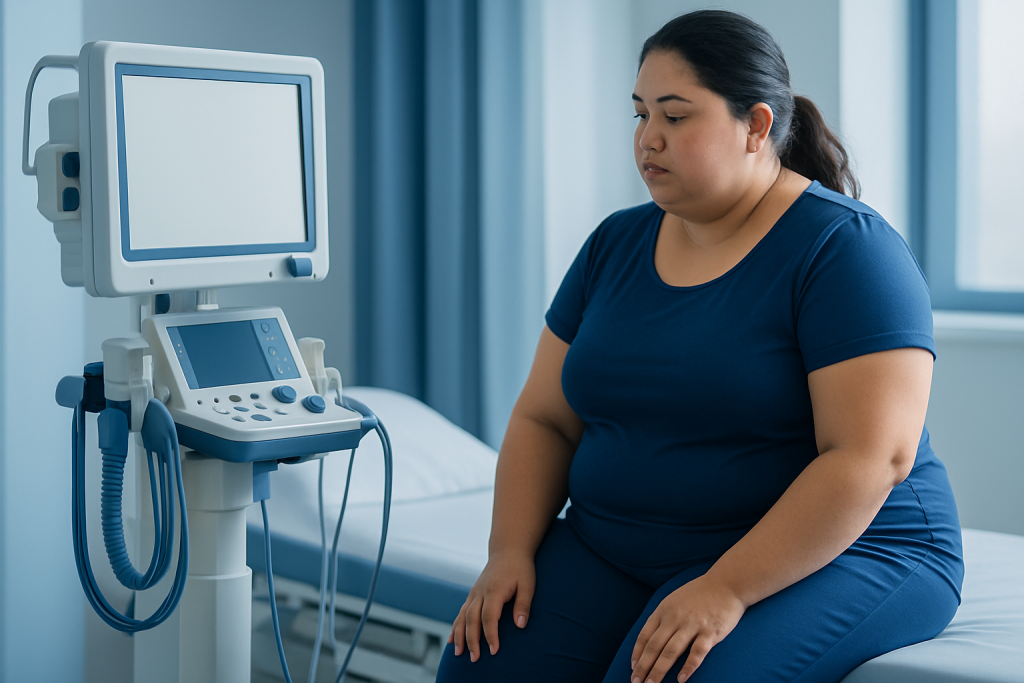
Excess weight does not always cause obvious symptoms, but it can quietly affect daily life. Some people notice tiredness after simple activity, shortness of breath with effort, joint discomfort, snoring, or difficulty keeping up with family routines and travel plans.
Other signs are less physical and more related to habits or mood. Frequent cravings, eating quickly, skipping meals and then overeating later, or feeling stuck in a cycle of “starting over” can all make weight management harder. These patterns are common and manageable, not a sign of failure.
It is also important to pay attention to health conditions that may appear alongside weight gain, such as elevated blood pressure, blood sugar problems, or higher cholesterol. When weight begins to affect sleep, energy, mobility, or laboratory results, it is worth discussing a plan with a clinician.
Causes and Risk Factors

Weight gain usually develops from a mix of factors rather than one single cause. A person may be taking in more energy than the body uses, but the reasons behind that balance can include busy schedules, emotional stress, limited access to healthy foods, sedentary work, or frequent travel.
Medical and biological factors also matter. Thyroid disorders, insulin resistance, polycystic ovary syndrome, menopause, poor sleep, and some medications can make weight management more difficult. Family history can influence appetite, fat storage, and metabolism, which is why two people can respond very differently to the same eating plan.
Risk is also shaped by the environment. Large portions, sugary drinks, ultra-processed snacks, and long periods of sitting make it easier to gain weight over time. Natural weight loss works best when these patterns are identified honestly so they can be adjusted in a sustainable way.
Diagnosis and What a Doctor May Check
When a person asks for help losing weight, a doctor will often begin by reviewing the full picture, not just the scale. This may include weight history, eating patterns, activity level, sleep, medications, menstrual history when relevant, and any symptoms that suggest an underlying condition.
A physical examination and basic tests may be recommended depending on the situation. These can help assess blood sugar, cholesterol, liver health, thyroid function, and other markers linked to metabolic health. The goal is not to judge weight, but to understand what is driving it and what kind of plan is safest.
For international patients, it can be especially helpful to use the medical visit to create a clear follow-up plan before returning home. That plan may include nutrition guidance, activity goals, and advice on which symptoms or changes should prompt another review with a local doctor.
Treatment Options
For most people, the foundation of natural weight loss is a modest, consistent calorie deficit created without extreme restriction. That usually starts with meals that include vegetables, lean protein, high-fiber carbohydrates, and healthy fats in sensible portions. Protein and fiber can help with fullness, which may reduce unplanned snacking later in the day.
Regular movement is another key part of the process. Walking, cycling, swimming, strength training, and other enjoyable activities can all help the body use energy more efficiently while also improving mood and mobility. A person does not need intense workouts to begin; even a gradual increase in activity can matter when it is sustained.
Behavioral strategies often make the biggest difference over time. Useful approaches include eating more slowly, planning meals ahead, keeping trigger foods out of immediate reach, using smaller plates, and paying attention to hunger and fullness cues. For some people, structured support from a dietitian or obesity medicine specialist can make the plan easier to follow.
In selected cases, treatment may need to go beyond lifestyle steps alone. If there are medical conditions contributing to weight gain, those should be treated directly. A clinician may also discuss whether supervised medical therapies are appropriate, especially when weight-related health risks are already present.
Prevention and Self-care
Natural weight loss is more sustainable when the goal is not perfection, but pattern change. People tend to do better when they choose a few habits they can keep on most days, such as preparing breakfast, drinking water instead of sugary beverages, or adding a daily walk after work.
Sleep deserves more attention than it often gets. Short or poor-quality sleep can increase hunger and make cravings harder to manage, so a regular sleep schedule can support weight goals. Stress management also matters, since emotional pressure can lead to distracted eating or late-night snacking.
A few practical self-care ideas can help during busy or travel-heavy periods:
- Build meals around protein, vegetables, and high-fiber foods.
- Keep healthy snacks available for long workdays or flights.
- Plan movement in short blocks if longer workouts are hard to fit in.
- Monitor progress by energy, waist size, and habits as well as scale weight.
- Expect occasional setbacks and return to routine without self-criticism.
People often find that the best plan is the one they can live with at home, at work, and while traveling. A simple routine carried out consistently is usually more effective than an ambitious plan that collapses after a few difficult days.
When to See a Doctor
A doctor’s guidance is important if weight gain is rapid, unexplained, or accompanied by symptoms such as swelling, fatigue, menstrual changes, marked thirst, or changes in appetite. It is also sensible to seek advice if attempts at weight loss keep failing despite steady effort, because an underlying medical issue may be part of the picture.
Medical support is especially helpful for people with diabetes, high blood pressure, sleep apnea, fertility concerns, joint pain, or a history of disordered eating. In those situations, the safest plan is usually personalized and monitored rather than self-directed.
Anyone considering a major diet change should speak with a qualified clinician first if they are pregnant, breastfeeding, older, taking regular medications, or living with a chronic condition. For patients who need coordinated care from abroad, Acibadem Health Point’s multidisciplinary specialists and JCI-accredited hospitals can help diagnose and treat obesity-related concerns in a structured international-patient setting.
Frequently asked questions
What does it really mean to lose weight naturally?
It usually means making lifestyle changes that support a healthier energy balance without relying on extreme diets or unsafe shortcuts. The focus is on eating patterns, physical activity, sleep, and long-term habits that can be maintained.
Can someone lose weight without counting every calorie?
Yes. Many people do well by improving food quality, watching portions, and reducing liquid calories rather than tracking every number. A clinician or dietitian can help if more structure is needed.
Which foods are most helpful for natural weight loss?
Meals built around vegetables, fruit, lean protein, beans, whole grains, and healthy fats tend to be filling and nutritious. These foods can help a person feel satisfied while still supporting a calorie deficit.
How important is exercise for losing weight?
Exercise is very helpful, but it works best together with food habits rather than alone. It supports calorie use, muscle health, mood, and long-term weight maintenance.
Why do some people struggle to lose weight even when they try hard?
Hormones, medications, sleep problems, stress, and medical conditions can all make weight loss harder. A doctor can look for these factors and suggest a safer, more effective plan.
Is it safe to follow internet detoxes or very low-calorie diets?
These approaches can be risky and are often hard to maintain. A safer plan is usually gradual, balanced, and tailored to the person’s health status.
References
- World Health Organization
- Centers for Disease Control and Prevention
- National Institute of Diabetes and Digestive and Kidney Diseases
- NHS
- Mayo Clinic
This article is for general information only and is not a substitute for professional medical advice. Please consult a qualified doctor about your individual situation.
Explore treatments in Turkey — costs, top hospitals & a free quote
JCI-accredited · board-certified surgeons · reply within 24h
Add us as a Preferred Source to see more of our trusted health content across Google Search, AI Overviews and Discover.