Apron Belly: Causes and Treatment

Key Takeaways
- Apron belly is not only a cosmetic concern; it can also cause skin irritation, hygiene challenges, and mobility discomfort.
- It may develop after major weight changes, pregnancy, aging, or abdominal surgery, and sometimes alongside obesity.
- A doctor can help distinguish excess skin and fat from other abdominal conditions and recommend the safest next step.
- Skin care, weight management, and supportive clothing may ease symptoms, while surgery can be considered for persistent cases.
- International patients often benefit from a coordinated evaluation that includes medical assessment, imaging if needed, and recovery planning before travel.
Medically reviewed by the Acıbadem clinical team — August 19, 2026
Apron belly, also called an abdominal pannus, is a fold of excess skin and fat that drapes over the lower abdomen. It can affect comfort, skin health, clothing fit, and self-confidence, and it has both non-surgical and surgical care options depending on the underlying cause and severity.
Overview
Apron belly is a common term for a lower abdominal fold that hangs over the waistline. In medical language, it is often called an abdominal pannus or panniculus. The fold may contain fat, loose skin, or both, and its size can range from a small overhang to a much larger apron-like drape.
It often appears after major weight loss, pregnancy, repeated weight gain, or natural aging of the skin. Some people notice it mainly as a contour change, while others experience daily problems such as rubbing, moisture buildup, odor, or difficulty keeping the area clean and dry.
Because the term is descriptive rather than a diagnosis, a clinician usually looks for the reason the tissue developed and whether it is causing medical or functional symptoms. That assessment matters for international patients too, since the best plan depends on whether the goal is comfort, skin health, body contouring, or all three.
Symptoms
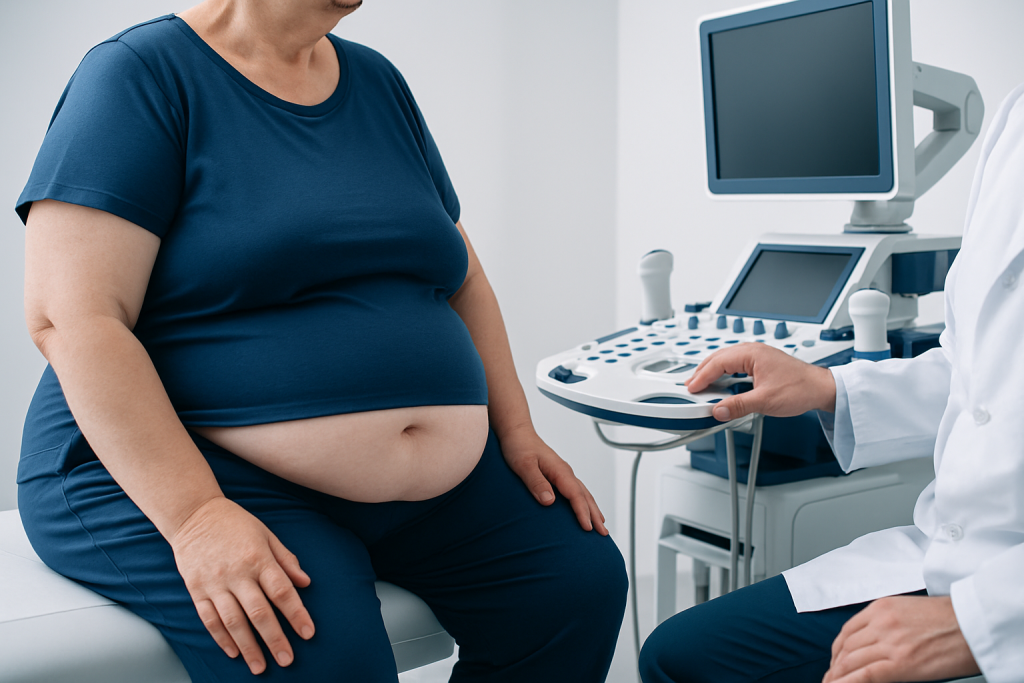
The most visible sign is the overhang itself, but the impact often goes beyond appearance. The skin fold can trap sweat and friction, which may lead to redness, chafing, itching, or a burning sensation. In warmer weather or during activity, these symptoms may become more noticeable.
Some people also report recurrent rashes, fungal infections, skin odor, or soreness beneath the fold. If the apron belly is large, it may make walking, exercise, or bending more difficult, and it can interfere with clothing fit or personal hygiene routines.
- Skin irritation or rawness under the fold
- Rashes, intertrigo, or yeast infections
- Back or posture discomfort in some people
- Trouble with exercise, bathing, or toileting
- Emotional distress or reduced body confidence
Symptoms vary widely. Two people with a similar-looking abdominal fold may have very different experiences, which is why a medical history and examination are more useful than appearance alone.
Causes & Risk Factors

Apron belly develops when the abdomen carries excess skin, fat, or both. Large weight fluctuations are a frequent reason, especially after bariatric surgery or major lifestyle weight loss. When skin has been stretched for a long time, it may not fully tighten again even after the weight changes.
Pregnancy can also stretch the abdominal wall and skin, and the effect may be more noticeable after multiple pregnancies. Aging contributes as skin gradually loses elasticity, making it easier for a lower fold to form. Genetics, body shape, and a history of abdominal surgery may also play a role.
In some people, apron belly is part of a broader pattern of obesity, which can increase the fold’s size and the chance of skin complications. The underlying cause matters because treatment may focus on weight management, skin care, or surgical removal of excess tissue depending on the individual situation.
Diagnosis
Diagnosis usually starts with a careful physical examination. The clinician looks at the size of the fold, the condition of the skin, the presence of rashes or infections, and whether the tissue causes functional problems. A discussion of weight history, pregnancies, prior surgeries, and symptom patterns helps clarify what is contributing to the shape.
Tests are not always needed, but they may be useful if another condition is suspected or if surgery is being considered. For example, imaging or blood work may be ordered to evaluate overall health, rule out abdominal wall problems, or prepare for a procedure. The goal is to build a plan that is safe and realistic rather than to chase a single cosmetic target.
For international patients, it can help to arrive with previous medical records, recent weight history, medication lists, and photographs showing any recurring skin issues. That information can make remote pre-assessment and in-person consultation more efficient once care begins.
Treatment Options
Treatment depends on how much the apron belly affects health, comfort, and daily function. When symptoms are mild, conservative care may be enough. This can include improving skin hygiene, using barrier creams or drying measures, and choosing supportive clothing that reduces friction under the fold.
For people whose apron belly is linked to excess body weight, supervised weight management may reduce the fatty component and lower the risk of skin complications. Still, it is important to know that weight loss does not always remove stretched skin. Some people are left with a persistent fold even after significant progress.
Surgical options may be discussed when the apron belly causes ongoing hygiene problems, recurrent infections, pain, or major interference with daily life. A panniculectomy removes the hanging skin and tissue, while abdominoplasty, often called a tummy tuck, may address both excess tissue and abdominal contour. These are different operations with different goals, so the right choice depends on anatomy, health status, and expectations.
Before any procedure, a surgeon typically reviews overall medical fitness, smoking status, healing risks, and plans for recovery. People traveling from another country should also think ahead about follow-up visits, mobility during the trip home, and how wound care will be managed after discharge.
Prevention & Self-care
Not every apron belly can be prevented, especially when it follows pregnancy, aging, or major weight loss. Even so, some steps can reduce irritation and make the area easier to live with. The most practical focus is keeping the fold clean, dry, and protected from repeated rubbing.
Daily gentle washing and careful drying can help, especially after exercise or hot weather. Breathable fabrics, moisture-wicking underwear, and supportive garments may reduce chafing. If the skin becomes red or irritated, a clinician may suggest barrier products or treatment for a fungal rash rather than trial-and-error self-treatment.
- Maintain stable, healthy weight changes when possible
- Use a soft towel or cool setting to dry skin folds fully
- Choose non-irritating soaps and loose, breathable clothing
- Address recurring rashes early rather than waiting for them to spread
- Stay active within comfort limits to support circulation and strength
Self-care does not replace medical evaluation if symptoms keep returning. A short consultation can often clarify whether the issue is simple irritation or a treatable skin condition.
When to See a Doctor
Medical advice is especially helpful if the apron belly is causing repeated rashes, open skin, foul-smelling discharge, or pain. It is also sensible to seek care if the fold makes walking, exercising, bathing, or using the restroom difficult, since those are signs that the problem is affecting daily function.
A doctor should also evaluate any rapidly changing abdominal swelling, a new firm mass, fever with skin redness, or severe tenderness. Those symptoms may point to a different issue than a simple skin fold and should not be assumed to be part of apron belly.
People who are considering surgery benefit from an early consultation, even if they are still losing weight or planning future travel. At Acibadem Health Point, multidisciplinary specialists and JCI-accredited hospitals can evaluate and treat apron belly for international patients, with care plans designed to support both procedure timing and recovery planning.
Living With Apron Belly
Many people do best when they treat apron belly as a manageable condition rather than a personal failure. The fold can be influenced by biology, pregnancy, surgery, and long-term weight changes, so it is not simply a matter of willpower. Understanding that distinction often makes it easier to seek the right kind of help.
If the main problem is skin irritation, small practical changes may bring real relief. If the concern is persistent excess tissue after weight loss, a surgical discussion may be appropriate once health and recovery needs are reviewed. In both situations, the next step is usually an individualized plan, not a one-size-fits-all answer.
For patients traveling from abroad, the most comfortable path is usually one that includes consultation, clear pre-op instructions, planned follow-up, and enough time locally for early recovery. That structure helps the person return home with a more predictable aftercare plan and fewer surprises.
Frequently asked questions
Is apron belly the same as belly fat?
Not exactly. Apron belly usually refers to a hanging fold of skin and tissue over the lower abdomen, which may include fat, loose skin, or both. Belly fat can contribute to it, but stretched skin is often a major part of the problem.
Can exercise get rid of apron belly?
Exercise may improve overall fitness and reduce body fat, which can lessen the size of the fold in some people. However, exercise cannot always remove excess stretched skin. If loose skin is the main issue, non-surgical methods may have limited effect.
Is apron belly dangerous?
The fold itself is not usually dangerous, but it can create skin problems such as rashes, infections, and soreness. If it interferes with hygiene or mobility, it deserves medical attention. A clinician can help decide whether conservative care or surgery is more appropriate.
What is the difference between panniculectomy and tummy tuck?
A panniculectomy removes the hanging apron of skin and tissue, mainly for comfort and function. An abdominoplasty, or tummy tuck, is more focused on contour and may also tighten the abdominal wall. The best option depends on the person’s anatomy and goals.
Can apron belly come back after surgery?
It can change again if there are major weight fluctuations, pregnancy, or other factors that stretch the abdomen. Long-term results are often more stable when weight is kept relatively steady and recovery advice is followed. A surgeon can explain what to expect before the procedure.
How should someone prepare for consultation if traveling internationally?
It helps to bring records of prior surgeries, weight changes, medications, and any recurring skin infections or rashes. Planning for recovery time, follow-up needs, and travel comfort is also important. A coordinated evaluation can make the process smoother and safer.
References
- American Society of Plastic Surgeons
- Mayo Clinic
- Cleveland Clinic
- National Institute of Diabetes and Digestive and Kidney Diseases
- MedlinePlus
This article is for general information only and is not a substitute for professional medical advice. Please consult a qualified doctor about your individual situation.
Explore treatments in Turkey — costs, top hospitals & a free quote
JCI-accredited · board-certified surgeons · reply within 24h
Add us as a Preferred Source to see more of our trusted health content across Google Search, AI Overviews and Discover.