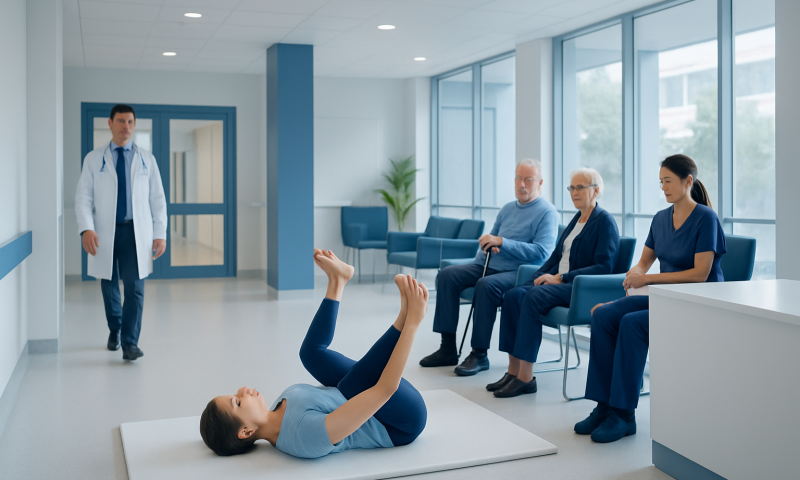
Cobra Pose
Key Takeaways
- Cobra Pose is a low-rise backbend that can support spinal mobility and postural awareness.
- The movement should feel long and controlled, not forced through the lower back.
- People with back, neck, shoulder, or abdominal conditions may need medical guidance before trying it.
- Breathing steadily and using the hands lightly can make the pose safer and more comfortable.
- Pain, numbness, dizziness, or pinching sensations are reasons to stop and reassess the position.
Cobra Pose, also known as Bhujangasana, is a gentle backbend used in many yoga routines to encourage spinal extension, chest opening, and awareness of posture. When practiced carefully, it can be a useful movement for flexibility and recovery, but it is not suitable for every body or every stage of healing.
Overview
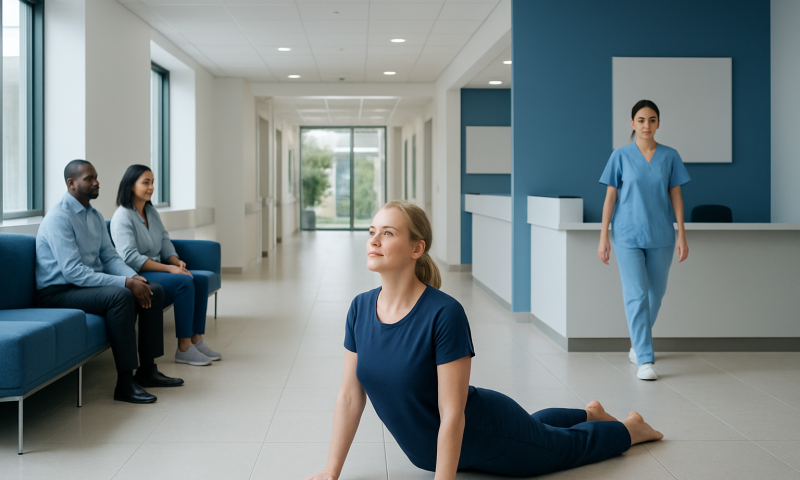
Cobra Pose is one of the best-known yoga backbends. In Sanskrit, it is called Bhujangasana, and in practice it resembles a cobra lifting its head and chest from the ground. The pose is usually done while lying face down, with the upper body gently rising as the pelvis and legs stay grounded.
For many people, the appeal of Cobra Pose is its simplicity. It does not require special equipment, and it can be adapted to different comfort levels. That said, simple does not always mean suitable for everyone. A safe version depends on spinal health, shoulder mobility, breathing comfort, and whether there are recent injuries or medical restrictions.
In rehabilitation-oriented movement programs, Cobra Pose may be used as part of a broader plan to improve trunk extension, encourage more upright posture, and reconnect a person with controlled movement after long periods of sitting. It works best when approached as a careful mobility exercise rather than a performance goal.
What the pose is meant to do
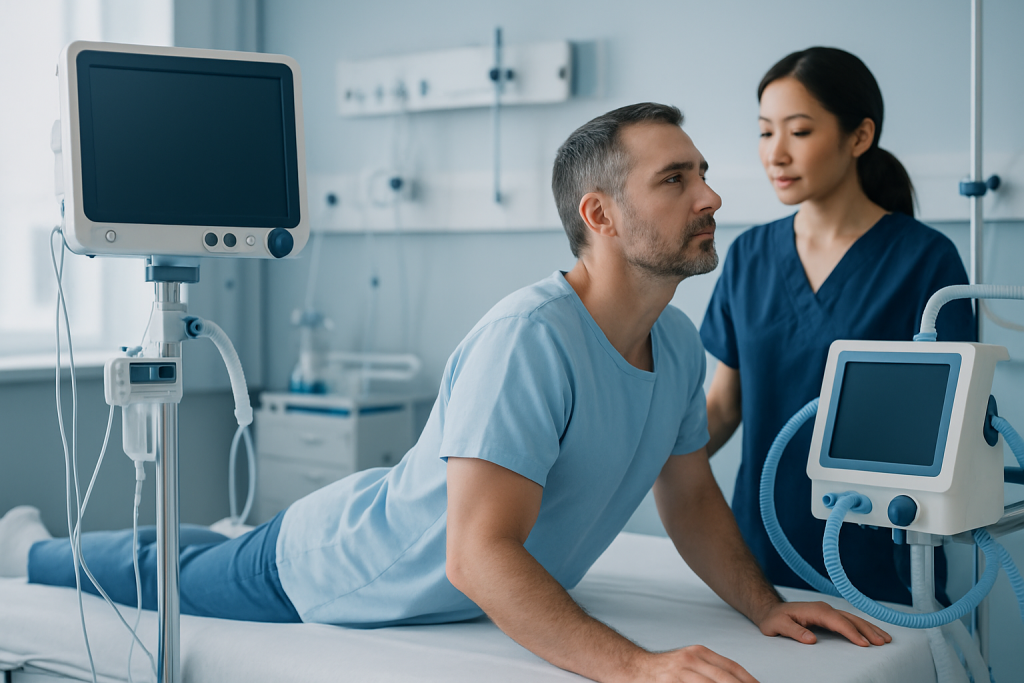
Cobra Pose is often used to create a mild, active extension through the front of the body. That means the chest opens, the abdomen lengthens, and the muscles along the back are gently engaged. When performed well, the movement is smooth and the neck remains long rather than compressed.
People sometimes notice that the pose helps them feel more awake or less hunched after hours at a desk or during travel. Long flights, car rides, and sedentary work can all encourage a rounded posture, and a low, supported backbend may help counter that temporary stiffness. It is not a treatment on its own, but it can be a practical part of a movement routine.
The pose should never feel like a deep bend forced into the lumbar spine. The goal is balanced extension through the whole front body, with enough support from the arms and back muscles to keep the position comfortable and controlled.
Symptoms and sensations people may notice
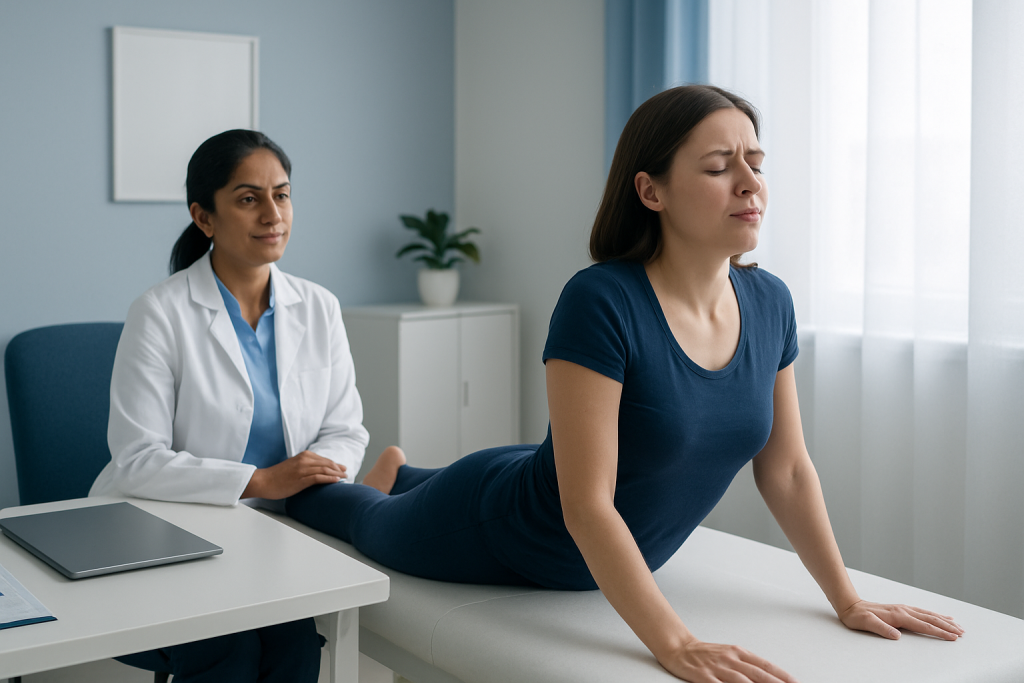
Cobra Pose does not cause symptoms in the medical sense, but it can produce sensations that help a person judge whether the movement is appropriate. A mild stretch in the abdomen, chest, or front of the shoulders is common. Some people also feel light activation along the lower back or between the shoulder blades.
Comfort is the key measure. A suitable version usually feels steady, open, and breathable. If the pose creates sharp pain, pressure in the neck, tingling in the arms, or a pinching feeling in the low back, the position may be too deep or may not be appropriate at that time.
After the pose, a person may notice easier upright posture or a sense of release. Persistent soreness, however, is not the expected outcome of a gentle yoga movement and should prompt a review of technique or a discussion with a clinician or physiotherapist.
Causes & risk factors
Because Cobra Pose is an intentional movement, the main concerns are not “causes” in the disease sense but factors that can make the pose uncomfortable or unsafe. These include reduced spinal flexibility, weak trunk support, recent back strain, neck problems, shoulder irritation, and abdominal healing after surgery.
People with disc disease, spinal arthritis, spondylolisthesis, osteoporosis, or a history of significant back pain may need individualized advice before practicing backbends. The same is true for anyone recovering from childbirth, abdominal procedures, or injuries involving the ribs, pelvis, or arms. Even a mild pose can be unsuitable when tissues are still healing.
Risk also increases when the movement is rushed or copied from a more flexible person. Travelling for care, sitting for long periods, stress, and fatigue can all change how the body responds to back extension, so a pose that felt fine one day may need to be modified the next.
Diagnosis and assessment
Cobra Pose itself does not require a medical diagnosis, but a clinician may assess a person who has pain while trying it. That assessment usually begins with a history of the pain, where it is felt, what movements aggravate it, and whether there has been a recent injury or surgery.
A physical examination may include posture, range of motion, muscle strength, and neurological checks if there are symptoms such as numbness or weakness. If a specific condition is suspected, the clinician may recommend imaging or other tests, but many movement-related concerns are evaluated primarily through a careful exam and discussion.
For international patients, it is often helpful to bring any previous reports, imaging results, medication lists, and a brief description of when the pain started. That makes it easier for the receiving team to judge whether Cobra Pose, a modified backbend, or a different rehabilitation exercise is the safer option.
Treatment options and modifications
If Cobra Pose causes discomfort, the best response is usually to reduce the range of motion rather than abandon movement altogether. A lower version can be done by lifting the chest only slightly, keeping the elbows bent, and allowing the hands to rest lightly on the mat. In some cases, a sphinx-like position with the forearms down is more appropriate than a full Cobra Pose.
Breathing should remain easy and even. The neck can stay neutral instead of craning upward, and the shoulders should avoid bunching toward the ears. For some people, placing a folded towel under the pelvis or practicing on a firmer surface may improve comfort, while others benefit from guidance on how to engage the back muscles without overloading the spine.
If pain is persistent, a tailored rehabilitation plan may include mobility work, core strengthening, hip opening, and postural retraining rather than repeated backbends. This is especially important when pain has a clear structural cause or when recovery needs to be coordinated with other treatments. In such cases, yoga may still have a place, but only in a version chosen by a qualified professional.
Prevention & self-care
Good technique is the main form of prevention. Before entering the pose, warming up with gentle neck, shoulder, and spinal mobility work can make the movement feel more natural. A person should move slowly, stop at the first sign of strain, and avoid pushing the chest higher simply because the shape looks more complete.
Regular self-care also matters outside the yoga mat. Taking movement breaks during long workdays, adjusting chair and screen height, and adding simple back-strengthening and hip-mobility exercises can reduce the stiffness that often leads people to seek backbends in the first place. Sleep quality and stress management also influence how the back feels from day to day.
For people practicing while traveling, it is sensible to use extra caution. Hotel-room yoga, different mattresses, luggage lifting, and long journeys can all affect the spine. A shorter range of motion and more support are usually better than trying to reproduce a familiar routine under unfamiliar conditions.
When to see a doctor
Medical advice is appropriate if Cobra Pose consistently triggers pain, numbness, tingling, weakness, or symptoms that spread into the arms or legs. It is also wise to seek assessment if back pain is severe, follows an injury, or is accompanied by fever, unexplained weight loss, or changes in bladder or bowel control.
People who are pregnant, recently postpartum, or healing after abdominal, spinal, or chest procedures should ask a clinician or rehabilitation specialist before practicing backbends. Anyone with osteoporosis, inflammatory spinal disease, or known disc problems should receive personalized guidance rather than relying on general yoga instructions.
When care is being arranged from another country, it helps to choose a team that can coordinate diagnosis and rehabilitation together. Acibadem Health Point’s multidisciplinary specialists and JCI-accredited hospitals diagnose and treat a wide range of musculoskeletal conditions for international patients, helping them understand whether a pose like Cobra is appropriate and how to return to movement safely.
Frequently asked questions
Is Cobra Pose safe for beginners?
It can be safe for beginners when done gently and without forcing the backbend. A low version with light arm support is usually a better starting point than lifting high right away. Anyone with back, neck, or shoulder pain should get individualized advice first.
What muscles does Cobra Pose use?
Cobra Pose mainly engages the back muscles, shoulders, and muscles that help keep the spine long and supported. It also stretches the front of the body, including the abdomen and chest. The exact effect depends on how high the person lifts and how much arm support is used.
Can Cobra Pose help with back pain?
It may help some people with mild stiffness by encouraging gentle spinal extension and better posture awareness. However, back pain has many causes, and extension-based movements are not right for everyone. If the pose worsens pain, it should be stopped and reviewed with a clinician.
How is Cobra Pose different from Upward-Facing Dog?
Cobra Pose usually keeps the pelvis and legs more grounded and uses less arm pressure. Upward-Facing Dog lifts the thighs off the floor and is generally a deeper backbend. Cobra is often the more suitable choice when a gentler option is needed.
What should a person do if they feel neck pain in the pose?
They should lower the chest, lengthen the back of the neck, and avoid looking too far upward. If the discomfort continues, the pose may need to be modified or replaced with a gentler back extension. Persistent neck pain deserves medical assessment.
Can Cobra Pose be practiced during pregnancy?
Pregnancy changes balance, joint comfort, and abdominal pressure, so this pose is not automatically appropriate. A pregnant person should ask a qualified clinician or prenatal yoga specialist before trying backbends. Safer alternatives are often available.
References
- World Health Organization
- National Center for Complementary and Integrative Health
- Mayo Clinic
- American Academy of Orthopaedic Surgeons
- American College of Physicians
This article is for general information only and is not a substitute for professional medical advice. Please consult a qualified doctor about your individual situation.