Cholesteatoma: Symptoms, Causes and Treatment

Key Takeaways
- Cholesteatoma is not a tumor, but it can behave aggressively inside the ear.
- Persistent ear drainage, hearing loss, and a feeling of pressure are common warning signs.
- Diagnosis usually involves an ear exam, hearing tests, and imaging when needed.
- Treatment is typically surgical, with the goal of removing the growth and preventing complications.
- Follow-up matters because cholesteatoma can recur and may affect hearing over time.
Medically reviewed by the Acıbadem clinical team — August 19, 2026
Cholesteatoma is an abnormal growth of skin cells in the middle ear or mastoid that can slowly damage nearby structures if not treated. Early evaluation by an ENT specialist can help protect hearing, balance, and ear health.
Overview
Cholesteatoma is an abnormal collection of skin cells that grows in a part of the ear where skin is not supposed to be. Most often, it develops in the middle ear behind the eardrum or in the mastoid, the air-filled bone behind the ear. Although it is not cancer, it can slowly enlarge and press on nearby structures.
That gradual growth is why cholesteatoma deserves prompt attention. It may damage the tiny bones used for hearing, irritate the ear, and in some cases affect the facial nerve or the inner ear. For people traveling from another country for treatment, it is often helpful to think of cholesteatoma as a condition that benefits from a clear plan: confirm the diagnosis, remove the growth safely, and arrange follow-up after the trip home.
ENT specialists usually manage cholesteatoma because care depends on the exact location, size, and effect on hearing. Some cases are discovered after months of ear discharge, while others are found during an exam for ongoing hearing problems or repeated ear infections. Early treatment usually makes the path simpler and may preserve more ear function.
Symptoms
The signs of cholesteatoma can be subtle at first. Many people notice a persistent smelly ear discharge, a feeling of fullness, or hearing that has become muffled on one side. Because the symptoms may come and go, the condition is sometimes mistaken for a routine ear infection.
As the growth enlarges, more symptoms can appear. These may include repeated infections, ear pain, dizziness, balance changes, or ringing in the ear. Some people also notice that their hearing does not return to normal after an infection has settled.
- Persistent or recurrent ear drainage
- Gradual hearing loss, often in one ear
- Ear pressure, fullness, or discomfort
- Foul-smelling discharge
- Balance problems or vertigo in some cases
- Less commonly, facial weakness or severe headaches
Any new facial weakness, severe dizziness, or intense headache should be assessed urgently. These are not the usual first symptoms, but they can signal that the condition is affecting nearby structures and needs timely evaluation.
Causes & Risk Factors

Cholesteatoma usually develops when the eardrum or middle ear does not ventilate normally. One common pathway is long-term dysfunction of the Eustachian tube, the channel that helps equalize pressure and drain fluid from the middle ear. When pressure stays abnormal, part of the eardrum can retract and create a pocket where skin cells collect.
Less commonly, cholesteatoma can form after an injury, previous ear surgery, or repeated ear infections. Some children are born with a congenital cholesteatoma, meaning the growth was present from birth even though it may be discovered later.
Risk can be higher in people with a history of chronic ear infections, a retracted eardrum, Tube Dysfunction Treatment" class="ahp-ilk">Eustachian tube dysfunction, or prior middle ear disease. Still, cholesteatoma can occur without a dramatic warning history, which is one reason persistent ear drainage or one-sided hearing changes should not be ignored.
Diagnosis
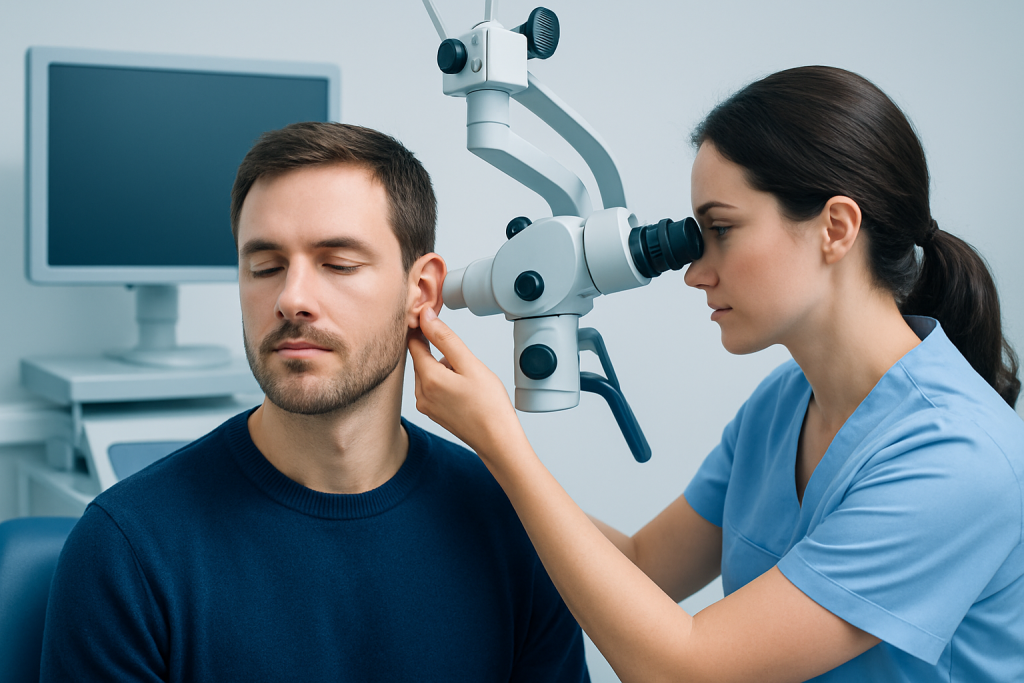
Diagnosis begins with an ear examination, often using a microscope or a specialized lighted instrument to look closely at the eardrum and ear canal. The ENT specialist checks for retraction pockets, debris, drainage, and any sign that the middle ear is involved. A careful history is also important because the pattern of symptoms often reveals how long the ear has been affected.
Hearing tests are commonly used to measure how much hearing has changed and whether the problem is likely related to the middle ear. In many cases, imaging such as a CT scan is ordered to map the extent of disease and plan treatment. Imaging can help the surgeon understand the bony structures around the ear and identify areas that may be involved.
For international patients, diagnosis is often organized in stages during one visit or a short series of visits, especially when travel time is limited. This may include examination, audiology testing, and imaging before the treatment plan is finalized. A coordinated approach helps reduce delays and supports safer surgical planning.
Treatment Options
Surgery is the main treatment for cholesteatoma. The aim is to remove the abnormal skin growth completely, protect the surrounding ear structures, and lower the chance of the condition returning. The exact operation depends on how far the disease has spread and how much the ear has already been affected.
During surgery, the surgeon may also repair the eardrum or reconstruct the small hearing bones if needed. In some cases, the operation is done in stages, especially when the cholesteatoma is extensive or when the team needs to reassess the ear after healing. If hearing has been reduced, a hearing reconstruction plan may be discussed after the main disease has been treated.
Antibiotics or ear drops can sometimes reduce infection or discharge, but they do not remove the cholesteatoma itself. For that reason, medication is usually supportive rather than definitive. Follow-up after surgery is essential because the ear needs to heal, hearing outcomes may evolve over time, and recurrence can occasionally occur.
Recovery planning matters, particularly for people returning to another country soon after surgery. The care team may provide instructions about keeping the ear dry, activity limits, warning signs, and when to arrange follow-up imaging or repeat examinations back home.
Prevention & Self-care
Not every case of cholesteatoma can be prevented, but good ear care and prompt treatment of repeated ear problems may reduce risk. People with chronic ear infections or Eustachian tube dysfunction should take ongoing symptoms seriously rather than waiting for them to settle on their own.
After treatment, self-care focuses on protecting the healing ear and keeping appointments. This usually means following the surgeon’s instructions carefully, avoiding water entry into the ear until cleared, and watching for any return of drainage or hearing change. If packing or dressings are used, they should be managed exactly as directed.
- Do not insert cotton swabs or other objects into the ear
- Keep follow-up appointments, even if symptoms improve
- Report new drainage, pain, fever, or dizziness
- Protect the ear from water until the clinician says it is safe
- Use prescribed medicines only as directed by the care team
It can also help to keep a written record of surgery dates, test results, and the name of the procedure, especially for patients who will continue care in another country. That record makes future ENT visits easier and helps new doctors understand what has already been done.
When to See a Doctor
A doctor should evaluate any persistent ear discharge, unexplained one-sided hearing loss, or repeated ear infections that do not fully resolve. These symptoms do not always mean cholesteatoma, but they are important enough to deserve an ENT assessment. The earlier the cause is identified, the easier it is to plan the right treatment.
Prompt medical attention is especially important if ear symptoms are joined by dizziness, facial weakness, severe pain, fever, or a sudden change in hearing. These signs call for a timely in-person evaluation rather than watchful waiting. Children with recurrent ear disease should also be assessed, because ear problems can affect hearing, speech, and school performance.
For patients seeking care abroad, a consultation with a specialist team can help decide whether surgery should happen soon or whether additional testing is needed first. Acibadem Health Point’s multidisciplinary specialists and JCI-accredited hospitals diagnose and treat cholesteatoma for international patients, with an emphasis on coordinated evaluation and follow-up planning.
Frequently asked questions
Is cholesteatoma a type of cancer?
No. Cholesteatoma is not cancer, and it does not spread through the body in the way cancer does. Even so, it can damage important ear structures if it is not treated, so it should still be taken seriously.
Can cholesteatoma go away without surgery?
In general, no. Antibiotics or ear drops may help control infection or drainage, but they do not remove the abnormal skin growth itself. Surgery is usually needed to treat the underlying problem.
What happens if cholesteatoma is left untreated?
It can continue to grow and erode nearby structures in the ear. This may lead to worsening hearing loss, repeated infection, dizziness, or, in advanced cases, complications involving nearby nerves or the inner ear.
How is cholesteatoma surgery planned?
Planning depends on the size and location of the growth, hearing test results, and imaging findings. The surgeon may also discuss whether the eardrum or hearing bones need repair, and whether treatment will be done in one stage or more than one.
Will hearing return to normal after treatment?
Hearing may improve if the problem was mainly caused by infection, blockage, or damage that can be repaired. However, results vary depending on how much the ear was affected before treatment, so the ENT team usually explains expected outcomes in individual terms.
Does cholesteatoma come back after surgery?
It can recur in some cases, which is why follow-up is important. The care team may recommend repeat examinations and sometimes imaging to make sure the ear remains healthy over time.
References
- World Health Organization
- American Academy of Otolaryngology–Head and Neck Surgery
- NHS
- Mayo Clinic
- Merck Manual Professional Edition
This article is for general information only and is not a substitute for professional medical advice. Please consult a qualified doctor about your individual situation.
Explore treatments in Turkey — costs, top hospitals & a free quote
JCI-accredited · board-certified surgeons · reply within 24h
Add us as a Preferred Source to see more of our trusted health content across Google Search, AI Overviews and Discover.