Celebrity With Cleft Palate

Key Takeaways
- A cleft palate is a split in the roof of the mouth that forms before birth and can affect feeding, speech, hearing, and dental development.
- Treatment is usually planned by a team that may include pediatric surgeons, ENT specialists, speech therapists, dentists, and orthodontists.
- Surgery is the main treatment, but long-term care often includes speech therapy, hearing checks, and dental or orthodontic support.
- Many people with cleft palate lead full, active lives, including public-facing careers, when they receive timely and individualized care.
- Families traveling for treatment should look for clear follow-up planning, especially if care continues after returning home.
Medically reviewed by the Acıbadem clinical team — July 13, 2026
Interest in a celebrity with cleft palate often starts a wider conversation about what a cleft palate is, how it affects speech and feeding, and what treatment can achieve. With timely surgical repair and coordinated follow-up, most children and adults can make steady progress in function, confidence, and quality of life.
Overview
The phrase celebrity with cleft palate often brings attention to a condition that is far more common than many people realize. Public figures can help make a congenital difference feel more familiar, but the medical story behind cleft palate is the same regardless of fame: it is a structural opening in the roof of the mouth that develops before birth and may affect feeding, speech, hearing, and dental growth.
A cleft palate may appear on its own or together with a cleft lip. The opening can be small or more extensive, and the impact varies widely from person to person. Some children need surgery early in life and continued therapy as they grow, while others require additional procedures later to refine speech or support facial development.
For families, the diagnosis can feel overwhelming at first, especially when they are making decisions across borders or planning care in a different country. A good treatment plan is not only about the operation itself; it is about the sequence of care, the specialists involved, and the support system that follows the patient over time.
Symptoms

The signs of cleft palate are often noticed soon after birth, although milder forms may be found later. Because the roof of the mouth helps separate the nose from the mouth, an opening in this area can interfere with normal feeding and with the way air moves during speech.
Common features may include:
- Milk coming through the nose during feeding
- Difficulty creating suction for breastfeeding or bottle feeding
- Speech that sounds nasal or is harder to understand
- Frequent ear infections or fluid in the middle ear
- Hearing concerns
- Dental differences, such as missing, crowded, or misaligned teeth
Not every child will have every symptom. Some problems become more noticeable only as the child begins to eat solid foods, learn to speak, or go through growth phases that affect the jaw and teeth.
Causes & Risk Factors
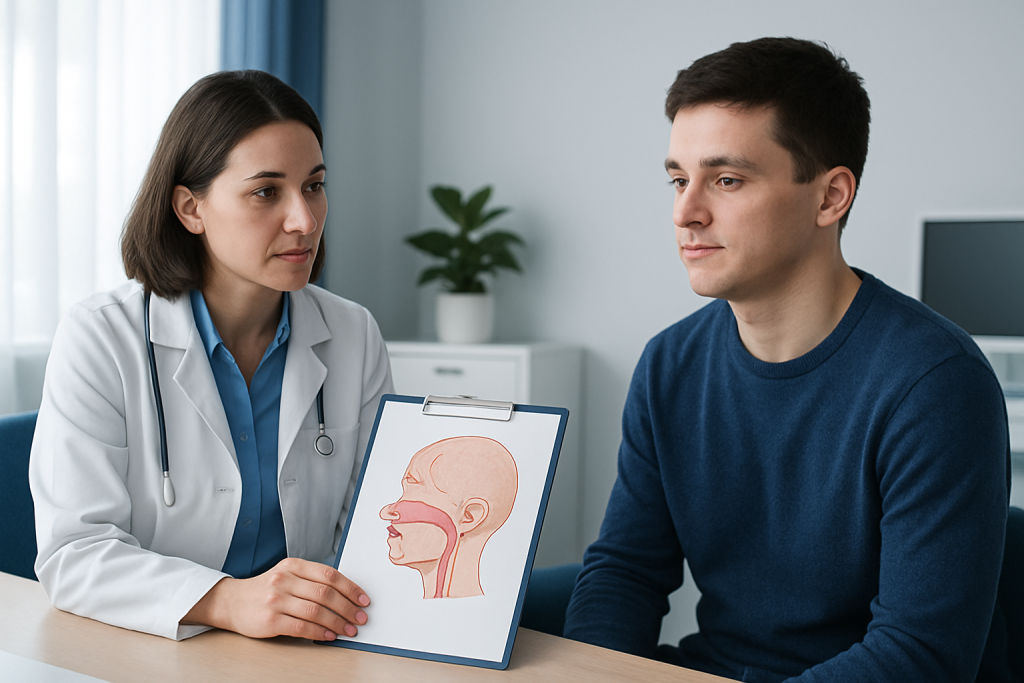
Cleft palate develops very early in pregnancy when the tissues that form the roof of the mouth do not join fully. In many cases, no single cause is identified. It is usually the result of a combination of genetic and environmental influences rather than something a parent did or did not do.
Risk can be higher when there is a family history of cleft lip or palate, certain genetic conditions, or exposures during pregnancy that affect fetal development. Some factors linked with increased risk include smoking, heavy alcohol use, poorly controlled diabetes, and some medicines, though the relationship can vary and should be discussed with a doctor in individual cases.
It is important for families to know that cleft palate is not caused by ordinary day-to-day behavior in pregnancy. When a child is born with a cleft, the focus should shift from blame to coordinated care, counseling, and practical planning for treatment.
Diagnosis
Many cleft palates are identified at birth during the newborn exam, when a clinician looks inside the mouth and checks feeding and breathing. Some clefts are part of a broader pattern that may also include a cleft lip, smaller jaw, or other differences, so the first evaluation often looks beyond the palate alone.
Before surgery, a child is usually assessed by several specialists. Depending on the center, this may include a pediatric surgeon or plastic surgeon, an ENT specialist, a speech and language therapist, a dentist or orthodontist, and a hearing specialist. This team-based approach helps shape a plan that matches the child’s age, anatomy, and functional needs.
For international patients, diagnosis may begin in one country and continue in another. Good care depends on sharing records, photographs, imaging if available, and feeding or speech notes so the receiving team can understand what has already been done and what still needs attention.
Treatment Options
Surgery is the main treatment for cleft palate. The goal is to close the opening and rebuild the muscles of the soft palate so the mouth can function more normally for feeding and speech. Timing is individualized, but the operation is usually planned in infancy or early childhood, based on the child’s growth and the team’s approach.
Repair does not always end treatment. Some children need speech therapy after surgery to help them use their palate effectively for language development. Others may need ear tubes for recurrent fluid or infections, and many require orthodontic care as the teeth and jaw develop. In some cases, additional surgery is considered later if speech or facial growth needs further support.
Care is often most successful when it is coordinated rather than fragmented. That may mean one center follows the child from infancy through school age, or it may mean the family returns home with a clear schedule for local speech therapy, hearing checks, and follow-up visits with surgical specialists.
Prevention & Self-care
Not every cleft palate can be prevented, but healthy pregnancy habits may reduce some known risks and support overall fetal development. People who are planning a pregnancy may be advised to review medications with a doctor, manage chronic conditions carefully, avoid tobacco and alcohol, and take recommended prenatal vitamins.
After birth, practical day-to-day care matters just as much as medical planning. Babies with cleft palate may need special feeding bottles, paced feeding, or guidance from a feeding specialist so they can gain weight safely and comfortably. Families often do best when they receive hands-on instruction before leaving the hospital.
As the child grows, self-care shifts toward routine follow-up. That includes keeping speech therapy appointments, monitoring hearing, caring for teeth and gums, and watching for changes in speech clarity or facial growth. For families traveling internationally, it is especially helpful to leave with written instructions and a clear way to reach the treating team if questions arise later.
When to See a Doctor
A doctor should be involved as soon as cleft palate is suspected or diagnosed. Early evaluation helps with feeding support, hearing assessment, and treatment planning, and it allows families to understand the likely sequence of care rather than making rushed decisions alone.
After treatment has started, follow-up is important if a child has poor weight gain, repeated ear infections, persistent nasal speech, trouble being understood, or difficulty with feeding after surgery. These concerns do not necessarily mean something has gone wrong, but they do signal that the plan may need adjustment.
Families seeking care abroad should choose a center that offers coordinated follow-up and has experience caring for children across different stages of growth. Acibadem Health Point’s multidisciplinary specialists and JCI-accredited hospitals diagnose and treat cleft palate for international patients, with attention to both the surgical plan and the longer recovery journey.
Frequently asked questions
What is the difference between cleft lip and cleft palate?
Cleft lip affects the upper lip, while cleft palate affects the roof of the mouth. A child can have one condition or both. The treatment plan depends on which structures are involved and how they affect feeding, speech, and growth.
Can a cleft palate affect speech?
Yes. Because the palate helps direct air and shape speech sounds, a cleft can make speech sound nasal or less clear. Surgery often improves function, but some children also benefit from speech therapy after repair.
Does every child with cleft palate need surgery?
Most children do need surgical repair because the opening does not close on its own. The timing and number of procedures vary, and some children need additional treatment later for speech, hearing, or dental concerns.
Can babies with cleft palate feed normally?
Many babies need special feeding strategies because they cannot create normal suction. With the right bottle, pacing, and guidance, feeding can often become much easier and safer for both the baby and family.
Is cleft palate hereditary?
It can run in families, but many cases happen without a clear family history. Genetics, pregnancy-related factors, and other influences may all play a role, so a doctor or genetic counselor may be helpful in selected cases.
How long does follow-up last after cleft palate repair?
Follow-up often continues for years because speech, hearing, teeth, and jaw growth change as a child develops. Many people benefit from periodic review through childhood and sometimes into the teenage years.
References
- World Health Organization
- Centers for Disease Control and Prevention
- American Cleft Palate-Craniofacial Association
- National Institute of Dental and Craniofacial Research
- Mayo Clinic
This article is for general information only and is not a substitute for professional medical advice. Please consult a qualified doctor about your individual situation.