Cost Hernia Operation

Key Takeaways
- Hernia surgery costs are influenced by the hernia type, the repair technique, and whether the procedure is planned or urgent.
- Hospital fees, anesthesia, diagnostic tests, and follow-up care can all shape the total price.
- Minimally invasive surgery may reduce recovery time, but the best option depends on the individual case.
- Patients seeking care abroad should also consider travel, accommodation, and postoperative follow-up when budgeting.
- A surgeon can explain the likely cost range after assessment and help identify the most suitable treatment plan.
Medically reviewed by the Acıbadem clinical team — July 13, 2026
The cost of hernia operation can vary widely depending on the type of hernia, the surgical method, the hospital setting, and the level of care needed before and after surgery. Understanding these factors helps patients compare options more confidently and plan treatment with fewer surprises.
Overview
When people search for the cost hernia operation, they are usually trying to answer a practical question: what will treatment involve, and what makes one estimate different from another? The answer is rarely a single figure. Hernia surgery pricing is shaped by the type of hernia, the repair method, the hospital stay, the anesthesia plan, and whether the procedure is routine or more complex.
A hernia occurs when tissue, often part of the intestine or abdominal fat, pushes through a weak spot in the muscle wall. Some hernias cause little discomfort at first, while others become painful, enlarge over time, or create a risk of trapping tissue. Because hernias do not usually resolve on their own, surgery is often the definitive treatment when symptoms, size, or risk make repair advisable.
For international patients, cost planning is not only about the operation itself. It may also include preoperative consultations, scans, lab work, travel, time away from home, and postoperative checks once the patient returns. A clear treatment plan helps patients understand both the medical decision and the financial commitment.
What influences the cost
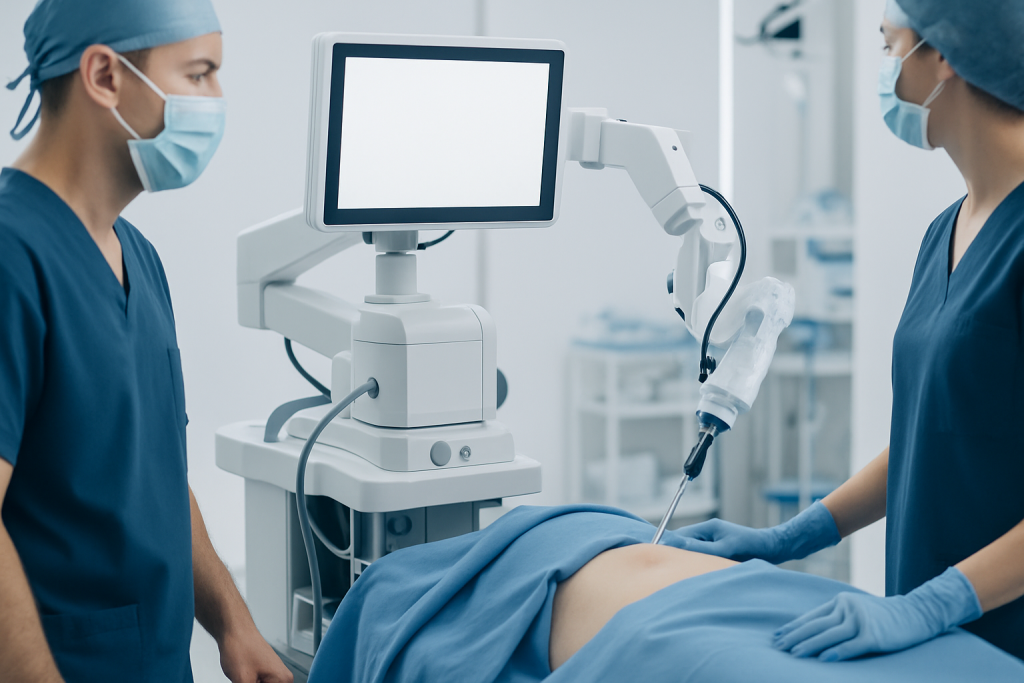
Several details can change the final bill for hernia repair. The first is hernia type and complexity. An inguinal hernia, umbilical hernia, incisional hernia, or hiatal hernia may each require different techniques and levels of surgical expertise. Recurrent hernias or larger defects can also make the procedure more involved.
The second major factor is the surgical approach. Open surgery and minimally invasive surgery are both widely used, but they differ in equipment needs, operating room time, and recovery profile. Some patients are suitable for laparoscopic or robotic-assisted repair, while others may do better with an open procedure based on anatomy, prior operations, or the surgeon’s judgment.
Other common cost drivers include:
- Surgeon and anesthesia fees
- Operating room and hospital charges
- Mesh or other repair materials
- Imaging tests such as ultrasound or CT scan
- Preoperative blood work and medical clearance
- Length of hospital stay and pain control needs
- Follow-up visits and wound care
Urgent surgery can also cost more than a planned repair, especially if the hernia has caused bowel obstruction, strangulation, or other complications. In those situations, the medical priority is prompt treatment rather than price comparison.
Types of hernia repair and why they matter financially

Patients often compare hernia surgery by technique because technique affects both the experience and the cost. Open repair is a traditional approach in which the surgeon accesses the hernia through an incision near the defect. It may be recommended for some straightforward hernias and is often familiar to many surgical teams.
Laparoscopic repair uses small incisions and a camera to guide the surgeon. In suitable patients, it may mean less postoperative pain and a quicker return to everyday activity. That said, it can require specialized instruments, added operating room setup, and a surgeon experienced in minimally invasive methods, all of which may influence pricing.
Robotic-assisted repair is another minimally invasive option used in certain centers. It may offer technical advantages in selected cases, especially for complex repairs, but it is not necessary for every patient. The best approach is the one that fits the hernia, the patient’s overall health, and the surgeon’s plan rather than the most technologically advanced option on paper.
Diagnosis and preoperative planning
Before any cost estimate is finalized, a doctor usually confirms the diagnosis and evaluates how urgent the repair is. In many cases, a physical examination is enough to identify the hernia. If the picture is less clear, imaging tests may help define the size, location, or contents of the hernia.
Preoperative planning can add to the cost, but it also reduces the chance of unexpected findings on the day of surgery. Patients may need blood tests, an ECG, or medical review if they have diabetes, heart disease, lung conditions, or a history of previous abdominal surgery. These steps help the team choose anesthesia safely and anticipate recovery needs.
For patients traveling from another country, planning may also include reviewing prior scans, medical records, and medication lists before arrival. This can make the assessment more efficient and help the surgical team prepare an individualized estimate. A well-organized preoperative visit often saves time later by limiting delays and unnecessary repeat testing.
Treatment options and what recovery may involve
Not every hernia needs immediate surgery, but when repair is recommended, the aim is to close the defect and reinforce the area so the tissue does not protrude again. Depending on the case, the surgeon may use sutures alone or combine them with mesh for added support. The choice depends on hernia size, location, tissue quality, and previous repairs.
Recovery time is another important part of the real-world cost. A patient who can return home the same day has different needs from someone who stays overnight or longer. Pain medication, dressing changes, limited activity, and follow-up appointments all contribute to the practical cost of recovery, even if they are not always obvious at the start.
Most patients are advised to avoid heavy lifting and strenuous exertion for a period of time after surgery. The exact timeline varies, but it is usually based on the operation performed and the speed of healing. For international patients, this means planning enough time in the destination country for early follow-up and safe travel readiness before returning home.
How patients can budget more confidently
It can help to ask for a written estimate that separates the main parts of care. A useful quote often includes the surgeon’s fee, anesthesia, hospital charges, routine tests, and whether mesh or other materials are included. Patients can then compare similar packages more fairly rather than focusing on a single headline number.
It is also wise to ask what is not included. Some estimates leave out preoperative consultation, additional imaging, complications, extra nights in hospital, or postoperative medicines. For patients who are considering treatment abroad, travel costs, companion expenses, airport transfers, and accommodation should be added to the budget early.
A thoughtful budget is not just about finding the lowest figure. It is about understanding value: safe care, clear communication, experienced surgical planning, and support after discharge. When those elements are transparent, patients are better equipped to choose care that feels medically and financially manageable.
Prevention and self-care before and after surgery
While a hernia itself cannot always be prevented, certain habits may reduce strain on the abdominal wall and support overall health. Maintaining a healthy body weight, treating chronic cough, avoiding constipation, and using proper lifting techniques can all help limit repeated pressure on weak areas. For some patients, these steps may also reduce discomfort while waiting for surgery.
Before surgery, patients are usually encouraged to follow the surgical team’s instructions closely. This may include fasting guidance, medication review, smoking reduction, and arranging help at home for the first few days after the procedure. Following instructions carefully can support a smoother anesthetic and recovery experience.
After surgery, gentle walking is often encouraged, while strenuous activity should wait until the surgeon says it is safe. Patients should watch the incision as directed, keep follow-up appointments, and contact their care team if pain worsens, fever develops, or the wound appears concerning. Good self-care is not a substitute for medical review, but it is an important part of healing.
When to see a doctor
A hernia should be assessed by a doctor if it causes pain, grows larger, limits daily activities, or becomes difficult to push back in. Even a hernia that seems mild can benefit from evaluation, because the safest timing for repair depends on its features and the patient’s overall health.
Urgent medical attention is needed if the hernia becomes suddenly very painful, firm, red, or associated with nausea, vomiting, abdominal swelling, or inability to pass stool or gas. These symptoms can suggest a complication that should be treated promptly.
Patients comparing surgical options from abroad can ask for a consultation that explains the likely repair method, expected recovery, and estimated cost range in plain language. Acibadem Health Point’s multidisciplinary specialists and JCI-accredited hospitals diagnose and treat hernia conditions for international patients, with coordinated planning that can make treatment easier to navigate from first consultation to follow-up.
Frequently asked questions
Why does the cost of hernia operation vary so much?
The final cost depends on the type of hernia, the surgical technique, and whether the case is straightforward or complex. Hospital stay, anesthesia, tests, and follow-up care also affect the total. Because each patient’s situation is different, a personalized estimate is usually the most reliable way to plan.
Is laparoscopic hernia repair always more expensive than open surgery?
Not always, but minimally invasive surgery can involve specialized equipment and expertise that may change pricing. In some settings, a shorter recovery or shorter hospital stay may balance part of that difference. The best choice depends on medical suitability, not cost alone.
Does insurance usually cover hernia surgery?
Coverage varies by country, insurer, and whether the surgery is considered medically necessary. A hospital or insurer can usually explain what documentation is needed and what parts of care may be covered. Patients should confirm details before scheduling whenever possible.
What costs are easy to miss when planning hernia surgery abroad?
Travel, accommodation, companion expenses, airport transfers, and extra days for recovery are often overlooked. Some patients also need repeat visits, medications, or additional tests after arriving. Asking for an itemized estimate can reduce surprises.
How long does recovery affect the overall cost?
Recovery can influence cost through time off work, pain medications, dressing supplies, and follow-up appointments. If a patient needs overnight observation or longer stay, the expense can increase. Planning for recovery time is part of realistic budgeting.
When should a hernia be treated urgently rather than planned electively?
If the hernia becomes painful, hard, red, or is linked with vomiting or abdominal swelling, urgent assessment is important. These signs can indicate a trapped hernia that needs prompt medical attention. A doctor should decide how quickly treatment is needed.
References
- World Health Organization
- American College of Surgeons
- NHS
- Mayo Clinic
- International Federation for the Surgery of Obesity and Metabolic Disorders
This article is for general information only and is not a substitute for professional medical advice. Please consult a qualified doctor about your individual situation.