Best Over The Counter Medicine For Urinary Tract Infections

Key Takeaways
- OTC products may relieve pain, burning, or urinary urgency, but they do not eliminate the bacteria causing most UTIs.
- An antibiotic prescribed by a clinician is usually needed when a UTI is confirmed.
- Hydration and rest can support recovery, but they are not substitutes for diagnosis and treatment.
- People with fever, flank pain, pregnancy, recurrent infections, or symptoms lasting more than a day or two should seek medical care promptly.
- Some OTC urinary pain relievers and common pain medicines can be useful, but they should be chosen carefully based on age, health history, and other medicines.
Medically reviewed by the Acıbadem clinical team — July 13, 2026
Over-the-counter products can sometimes ease the discomfort of a urinary tract infection, but they do not cure the infection itself. Understanding which options may help—and when antibiotics and medical evaluation are needed—can prevent delays in proper treatment.
Overview
When people search for the best over the counter medicine for urinary tract infections, they are usually looking for fast relief from burning, pressure, and the constant urge to urinate. That instinct makes sense: UTI symptoms can interrupt sleep, travel, work, and everyday routines very quickly.
The important distinction is this: over-the-counter medicines may help a person feel more comfortable, but they generally do not cure the infection. Most UTIs are caused by bacteria, and treating the infection itself often requires a clinician’s evaluation and, when appropriate, prescription antibiotics.
For someone deciding whether to manage symptoms at home or seek care, the goal is not to guess perfectly. It is to understand which OTC options can safely ease discomfort, which ones are not enough on their own, and which warning signs suggest that medical assessment should happen sooner rather than later.
Symptoms
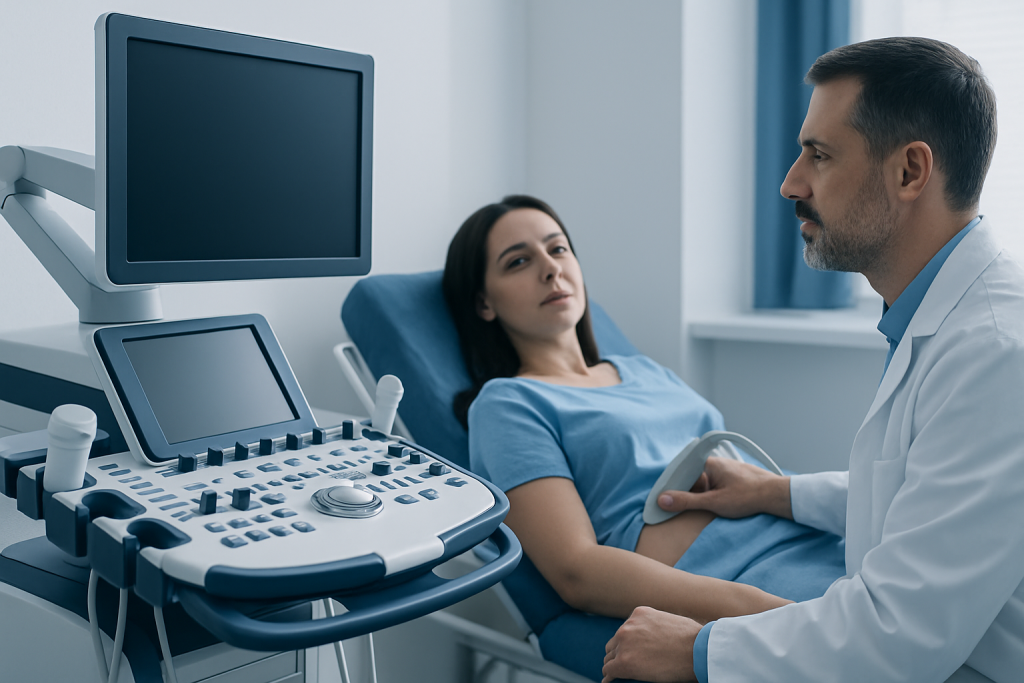
A UTI can start with a subtle change and then become hard to ignore. Common symptoms include a burning sensation during urination, passing urine more often than usual, a sudden urge to go, cloudy or strong-smelling urine, and lower abdominal discomfort.
Some people also feel pressure in the pelvis or notice that they are passing only small amounts of urine. In uncomplicated bladder infections, these symptoms are often localized to the urinary tract and do not affect the whole body much.
Certain symptoms suggest that the infection may be more serious or that it may involve the kidneys rather than just the bladder. These can include fever, chills, back or flank pain, nausea, vomiting, or feeling generally unwell. In those situations, over-the-counter symptom relief should not replace medical evaluation.
- Burning or pain during urination
- Urgent, frequent urination
- Lower belly pressure or discomfort
- Cloudy, bloody, or foul-smelling urine
- Fever, back pain, or nausea may indicate a more serious infection
Causes & Risk Factors

Most urinary tract infections begin when bacteria enter the urethra and travel upward into the bladder. This can happen even when a person has done nothing obviously wrong. In many cases, the bacteria come from the digestive tract and move into the urinary tract by chance.
Certain factors can make UTIs more likely. These include being female, sexual activity, using a diaphragm or spermicide, menopause-related changes, urinary retention, dehydration, kidney stones, and a history of repeated infections. In men, UTIs are less common and should be assessed carefully because they can sometimes signal another underlying issue.
For international patients, travel can complicate the picture. Long flights, reduced fluid intake, delayed bathroom breaks, and unfamiliar access to medical care may allow symptoms to worsen before treatment begins. That is one reason persistent urinary symptoms should not be assumed to be minor, even if they seem manageable at first.
Diagnosis
Because UTI symptoms can overlap with other conditions, the safest approach is usually to confirm the diagnosis before relying on treatment. A clinician may ask about symptoms, medical history, pregnancy status, recent antibiotic use, and whether there is pain in the back or fever.
Urine testing is commonly used to help identify infection. A urinalysis can show signs of inflammation or bacteria, and a urine culture may be ordered when the diagnosis is unclear, symptoms are recurrent, or a more tailored antibiotic choice is needed.
In a travel or international-care setting, diagnosis can be especially helpful because it reduces guesswork. A person may arrive hoping for a quick OTC fix, but a properly interpreted urine test can help distinguish a simple bladder infection from a condition that needs different treatment or closer follow-up.
Treatment Options
The best over the counter medicine for urinary tract infections depends on the symptom that needs relief. For pain or fever, common pain relievers may help, provided they are appropriate for the person’s age and health history. For urinary burning, some countries offer urinary analgesics designed to numb irritation in the urinary tract, but these are for comfort only and do not treat the infection itself.
Antibiotics are often needed when a true bacterial UTI is confirmed. These are prescription medicines chosen by a clinician based on the likely bacteria, local resistance patterns, pregnancy status, other medical conditions, and the results of urine testing when available. Finishing the prescribed course exactly as directed is important, even when symptoms improve quickly.
Other supportive measures may also be suggested, such as increased fluid intake if appropriate and rest. However, “natural” or nonprescription approaches should be viewed as supportive care, not a replacement for diagnosis. If a person is unsure which product is safe, especially during pregnancy, with kidney disease, or while taking other medications, it is better to ask a doctor or pharmacist before starting anything new.
- Symptom relief: general pain relievers or urinary pain relievers where available
- Definitive treatment: clinician-prescribed antibiotics when indicated
- Supportive care: fluids, rest, and avoiding bladder irritants if they worsen symptoms
Prevention & Self-care
Self-care can make a meaningful difference in comfort and may help reduce the chance of repeat infections. Drinking enough fluids, not delaying urination for long periods, and emptying the bladder after sex are common practical steps that many clinicians recommend.
For some people, avoiding products that irritate the bladder may also help with comfort. Caffeine, alcohol, and heavily perfumed hygiene products can sometimes make urinary symptoms feel worse, even though they are not usually the root cause of a UTI.
Prevention becomes more important for people with repeated infections or for those traveling frequently between countries. Carrying a list of medications, knowing where to access care abroad, and seeking assessment early when symptoms begin can prevent a simple infection from becoming a disrupted trip or a more complicated illness.
- Stay hydrated unless a clinician has advised fluid restriction
- Do not hold urine for long periods
- Urinate after sexual activity if this is part of a clinician’s advice
- Avoid using leftover antibiotics without medical guidance
When to See a Doctor
Medical evaluation is the right next step if urinary symptoms last more than a day or two, worsen instead of improving, or keep returning. A person should also seek care quickly if they are pregnant, older, immunocompromised, male with urinary symptoms, or have a history of kidney disease or urinary tract abnormalities.
Prompt care is especially important when there is fever, back or side pain, vomiting, confusion, blood in the urine, or difficulty keeping fluids down. These features can suggest a more complicated infection or another cause that needs attention beyond OTC symptom relief.
For patients traveling from abroad, timely diagnosis matters because it helps avoid unnecessary delay and uncertainty. Acibadem Health Point’s multidisciplinary specialists and JCI-accredited hospitals diagnose and treat urinary tract infections for international patients, with care that can be coordinated from evaluation through follow-up.
If symptoms are mild but persistent, or if the person is unsure whether a medicine is appropriate, speaking with a qualified doctor or pharmacist can clarify the safest path forward. The aim is not just relief today, but proper treatment that lowers the chance of complications tomorrow.
Practical Ways to Choose an OTC Product Safely
Not every over-the-counter option is suitable for every person. A good choice depends on whether the main issue is pain, urgency, fever, or general discomfort, and on whether the symptoms are truly consistent with a UTI. A pharmacist can help compare products, check for interactions, and explain which ingredients are appropriate for someone’s situation.
It is also wise to read labels carefully. Some products marketed for urinary symptoms can contain multiple ingredients, which may not be necessary and may create avoidable risks for people with liver disease, stomach problems, high blood pressure, or allergies. When in doubt, simpler is often safer.
The most reliable plan is usually this: use OTC medication only for temporary relief, get tested when UTI is suspected, and follow clinician advice if an antibiotic is needed. That approach is safer than trying to “wait it out” with symptom medicine alone.
- Match the product to the symptom, not the marketing claim
- Check for interactions with current medicines
- Do not use leftover antibiotics or share prescriptions
- Seek care if symptoms are not clearly improving
Frequently asked questions
What is the best over the counter medicine for urinary tract infections?
There is no OTC medicine that cures a UTI. Some products may reduce pain or burning, but bacterial infections often need a clinician’s evaluation and prescription antibiotics.
Can cranberry products treat a UTI?
Cranberry products are not a treatment for an active UTI. Some people use them for prevention, but they should not be relied on when symptoms are already present.
Can pain relievers help with UTI symptoms?
Yes, common pain relievers may help ease discomfort if they are safe for the person to take. They do not treat the infection, so medical evaluation is still important when a UTI is suspected.
How long should someone wait before seeing a doctor?
If symptoms are not improving within a day or two, or if they worsen at any point, medical care is recommended. Fever, back pain, vomiting, pregnancy, or recurrent infections should prompt earlier evaluation.
Is it okay to use leftover antibiotics for a UTI?
No, leftover antibiotics should not be used without medical guidance. The wrong antibiotic, dose, or duration can delay recovery and make treatment less effective.
Do men with UTI symptoms need medical attention?
Yes, urinary symptoms in men should generally be assessed by a clinician. UTIs are less common in men and can sometimes be linked to another underlying problem.
References
- National Institute of Diabetes and Digestive and Kidney Diseases
- American Urological Association
- Mayo Clinic
- NHS
- World Health Organization
This article is for general information only and is not a substitute for professional medical advice. Please consult a qualified doctor about your individual situation.