Nebulizer Machine
Key Takeaways
- A nebulizer delivers medicine as a mist that is inhaled through a mask or mouthpiece.
- It is often used for asthma, COPD, bronchitis, and some other breathing conditions.
- Correct cleaning matters because moisture can allow germs to grow in the device.
- A nebulizer is not a substitute for medical evaluation when breathing symptoms are new, severe, or worsening.
- The right device, medicine, and technique should be chosen with a clinician’s guidance.
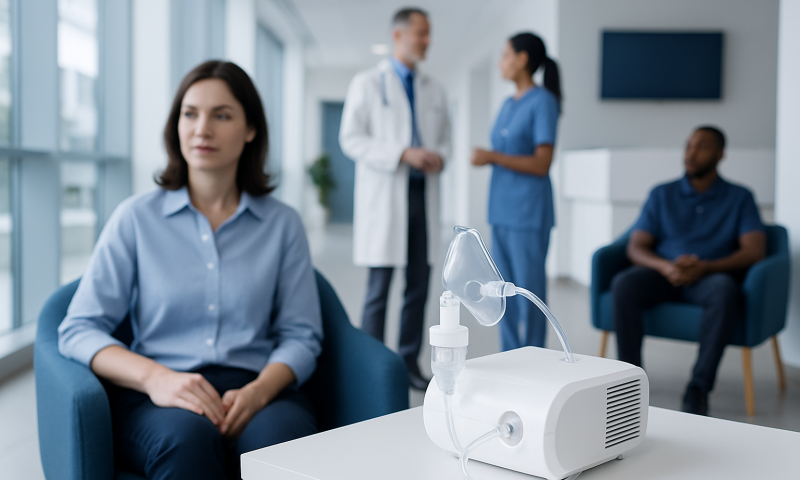
A nebulizer machine turns liquid medicine into a fine mist that can be breathed directly into the lungs. It is commonly used for conditions that make breathing medicines easier to take, especially when symptoms or age make inhaler use difficult.
Overview
A nebulizer machine is a device that changes liquid medicine into a fine aerosol mist so it can be breathed into the lungs. For many people, that makes treatment feel simpler and more natural than using a handheld inhaler, especially during breathlessness, coughing spells, or in very young or older patients who have difficulty coordinating a spray inhaler.
In everyday care, nebulizers are used for medicines that help open the airways, calm airway inflammation, or loosen mucus. They are most often discussed in relation to asthma and chronic obstructive pulmonary disease, but they may also be used in other respiratory situations depending on a doctor’s judgment. The machine itself does not treat the disease; it is a delivery system that helps the prescribed medicine reach the right place.
For international patients, nebulizer use is often part of a broader respiratory plan that begins with diagnosis, includes a careful review of symptoms and triggers, and continues with clear instructions for home use after travel. The device is only one piece of care, but it can be an important one when a patient needs dependable symptom relief and easy treatment access.
Symptoms
People do not usually seek a nebulizer machine because of the device itself; they seek it because breathing has become harder to manage. Symptoms that commonly lead clinicians to consider nebulized treatment include wheezing, chest tightness, shortness of breath, frequent coughing, and mucus that is difficult to clear. Some patients also notice that symptoms worsen at night, with exercise, during a chest infection, or after exposure to smoke, dust, or allergens.
Children may be prescribed nebulized treatment when they are too young to use an inhaler properly or when their breathing pattern makes inhaler use less effective. Older adults, people with hand weakness, and patients recovering from respiratory illness may also find nebulization easier to use. In these situations, the symptom pattern and the person’s ability to use the device are both important.
It is helpful to remember that a nebulizer is usually recommended for a known condition or a specific treatment plan. If symptoms are new, unusual, or more intense than expected, the device should not delay medical assessment. Breathlessness can have many causes, and the correct treatment depends on the diagnosis.
Causes & Risk Factors
Nebulizer therapy is most often linked to conditions that narrow or irritate the airways. Asthma is a common reason, as are COPD, bronchitis, and some infections or flare-ups that create mucus and airway swelling. In certain cases, nebulized medicine may also be used after surgery or in rehabilitation settings when the focus is on easier breathing and secretion clearance.
Risk factors for needing this kind of treatment are usually the same factors that increase the chance of respiratory symptoms in general. These can include a personal history of asthma or COPD, smoking exposure, air pollution, allergies, recurrent chest infections, occupational irritants, and family history of airway disease. Children with reactive airways or adults with chronic lung disease may both be more likely to need a home nebulizer plan.
Travel can add practical challenges. A patient may not have the right supplies, may lose access to a regular inhaler regimen while abroad, or may need help understanding how a prescribed medicine should be used after returning home. For that reason, the decision to use a nebulizer should always be tied to a clear diagnosis, a specific medication plan, and guidance on how the treatment fits into daily life.
Diagnosis
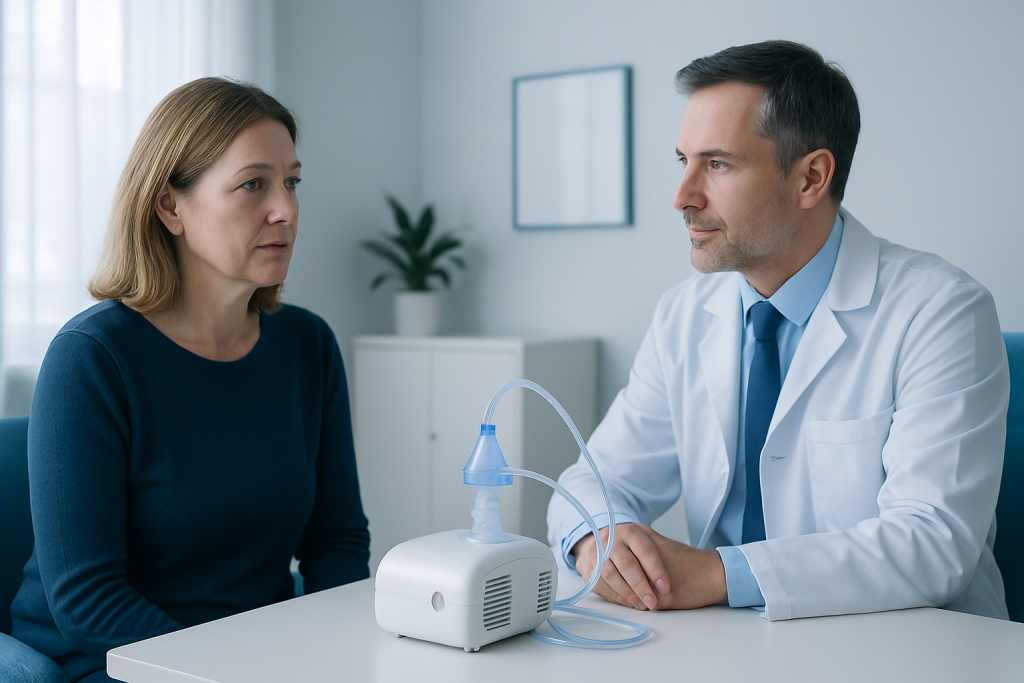
A nebulizer machine is not diagnosed in the same way a disease is; rather, a clinician decides whether it is an appropriate delivery method. That decision usually starts with a medical history and physical examination, including questions about wheezing, triggers, previous attacks, medication use, and how well the person can use an inhaler.
Depending on the suspected condition, doctors may recommend lung function tests such as spirometry, pulse oximetry, peak flow measurement, or chest imaging. If infection, allergy, or another cause is suspected, additional tests may be ordered. The goal is to understand why breathing symptoms are happening and whether nebulized medication is the best way to deliver treatment.
For patients seeking care internationally, the evaluation may also include a review of any medicines already being used at home, plus instructions that can be followed after discharge or travel. A good treatment plan should be specific, practical, and easy to continue without confusion. That matters as much as the machine itself.
Treatment Options
A nebulizer machine can be used with several different types of medicine, depending on the condition being treated. Some medicines help relax tightened airway muscles, some reduce inflammation, and others help thin mucus or ease breathing during a flare-up. The choice of medicine is made by a clinician and should never be improvised from one person’s prescription to another’s.
There are several forms of nebulizer devices, including compressor nebulizers, ultrasonic models, and mesh nebulizers. Each works a little differently, but all are designed to turn liquid into a mist that can be inhaled. A healthcare professional can help match the device to the patient’s needs, age, coordination, and travel routine. For some people, a handheld inhaler may still be the better option; for others, nebulization is easier and more reliable.
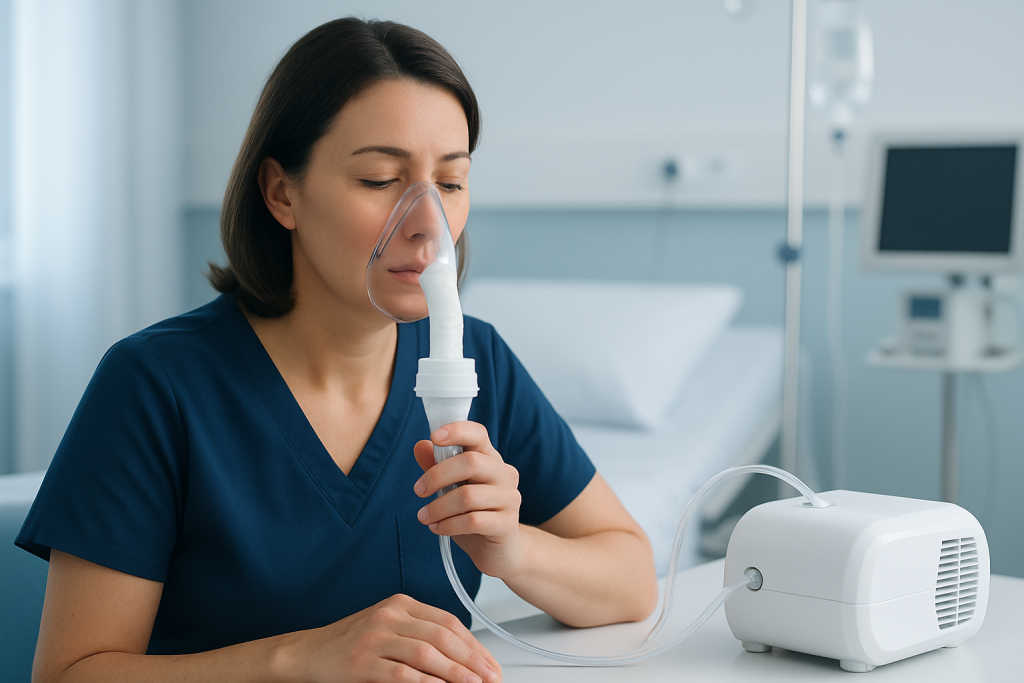
Typical treatment instructions include sitting upright, breathing calmly through the mouthpiece or mask, and continuing until the medication is finished. The device should be assembled and cleaned exactly as instructed. If a patient is using multiple respiratory medicines, the sequence and timing may matter, so the plan should be explained clearly before the patient leaves clinic or hospital care.
It is also important to understand what a nebulizer is not meant to do. It is not a universal rescue tool for all breathing problems, and it does not replace emergency care when symptoms suggest a serious attack or another urgent illness. The medication, the diagnosis, and the delivery method all need to fit together.
Prevention & Self-care
Good self-care with a nebulizer begins with cleanliness. Because the device uses moisture, the parts that touch the medicine or the mouth can become contaminated if they are not washed and dried properly. Patients should follow the manufacturer’s instructions for cleaning, disinfecting, replacing tubing or masks, and storing the device in a dry place.
Self-care also means using the device only as prescribed. Sharing a nebulizer between family members is not advisable unless a clinician explicitly instructs otherwise and proper cleaning protocols are followed. Medicines should be checked for the correct name, appearance, and expiration date before use, especially when supplies are being carried during travel.
Other practical steps can support respiratory health alongside nebulizer treatment:
- Avoid smoke and known triggers when possible.
- Keep follow-up appointments, even if symptoms improve.
- Carry written medication instructions when traveling.
- Know how to recognize signs that treatment is not working well enough.
- Use the device in a calm, seated position to support steady inhalation.
Patients who are managing a long-term lung condition often do best when they have a simple routine. Clear labeling, spare parts when appropriate, and a plan for refills or replacement can make ongoing care more dependable, particularly for international visitors who may need to continue treatment after returning home.
When to See a Doctor
Medical advice should be sought before starting nebulizer treatment if the diagnosis is not clear, if symptoms are recurring, or if a person has never used the prescribed medicine before. A clinician can confirm whether nebulization is appropriate and whether another device would work better. This is especially important for children, older adults, and anyone with heart, lung, or neurologic conditions that may affect breathing or device use.
Prompt evaluation is also important when breathing symptoms become more frequent, a cough lingers longer than expected, or the patient needs the device more often than usual. If a person feels that the treatment is not helping as it should, the medication or diagnosis may need to be reviewed. A device can only help when it is matched to the right condition and used correctly.
Emergency care is needed for severe shortness of breath, blue lips, confusion, fainting, chest pain, or breathing that worsens rapidly. Those signs should not be managed at home with repeated doses alone. For international patients, follow-up planning matters too, and Acibadem Health Point’s multidisciplinary specialists and JCI-accredited hospitals can diagnose and treat respiratory conditions for patients who need coordinated care while abroad or after returning home.
Frequently asked questions
What does a nebulizer machine do?
A nebulizer turns liquid medicine into a fine mist that can be inhaled into the lungs. This helps deliver treatment directly to the airways, which can be useful when breathing is difficult or when a person has trouble using an inhaler correctly.
Is a nebulizer better than an inhaler?
Neither is automatically better for everyone. The best choice depends on the medicine, the condition being treated, and the patient’s ability to use the device properly.
Can children use a nebulizer machine?
Yes, children are commonly treated with nebulizers when a clinician feels it is the most practical option. A mask is often used for younger children, while older children may use a mouthpiece if they can manage it well.
How often should a nebulizer be cleaned?
Cleaning should be done according to the manufacturer’s instructions, usually after each use or on a regular schedule recommended by the care team. Clean, dry parts help reduce the risk of contamination and keep the device working properly.
Can the same nebulizer be shared by family members?
Sharing is generally not recommended because respiratory devices can carry germs if they are not handled exactly right. If a clinician advises shared use in a special situation, strict cleaning and part replacement rules should be followed.
When should a person seek medical help instead of using the nebulizer again?
If symptoms are severe, suddenly worse, or not improving as expected, medical help should be sought. Signs such as marked breathlessness, chest pain, blue lips, or confusion need urgent evaluation.
References
- World Health Organization
- American Lung Association
- National Heart, Lung, and Blood Institute
- American Thoracic Society
- Mayo Clinic
This article is for general information only and is not a substitute for professional medical advice. Please consult a qualified doctor about your individual situation.