Bumex: Uses, Dosage and Side Effects

Key Takeaways
- Bumex is a loop diuretic that helps the body remove excess salt and water through urine.
- It is commonly prescribed for edema linked to heart, kidney, or liver conditions.
- Common side effects include increased urination, dizziness, and changes in electrolytes.
- Regular monitoring of blood pressure, kidney function, and electrolytes is often important.
- People should not stop or change Bumex on their own without medical advice.
Medically reviewed by the Acıbadem clinical team — August 19, 2026
Bumex is a prescription loop diuretic used to help the body remove extra fluid in conditions such as heart failure, Kidney Disease Treatment" class="ahp-ilk">kidney disease, and liver-related swelling. This article explains how it works, what to expect, and how to use it safely with medical guidance.
Overview
Bumex is the brand name for bumetanide, a prescription medicine that helps the body get rid of extra fluid. It belongs to a group called loop diuretics, sometimes described as “water pills,” because they increase urine output and reduce swelling caused by fluid buildup.
For many patients, the reason to take Bumex is not simply comfort, but relief from strain on the heart, lungs, liver, or kidneys. When excess fluid is carefully removed, breathing may feel easier, swollen legs may lessen, and daily movement may become more manageable.
Because Bumex affects fluid balance fairly strongly, it is usually prescribed with clear instructions and follow-up. That is especially important for people who travel for care, since dose timing, hydration, and lab monitoring need to fit into a practical plan after leaving the clinic or hospital.
Symptoms and Conditions It Helps Relieve
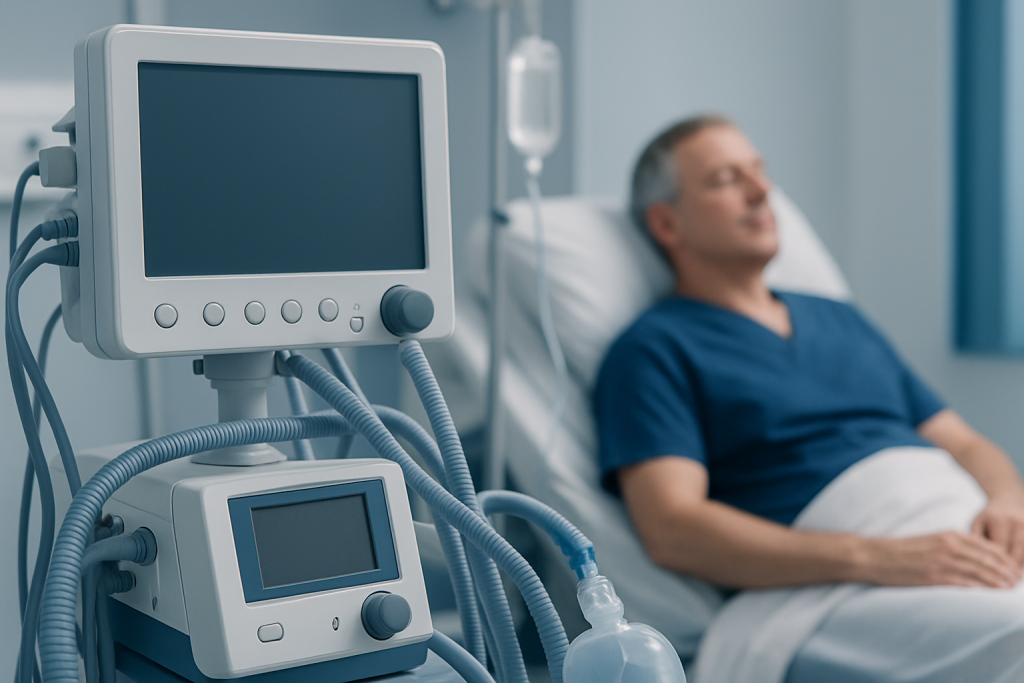
Bumex does not treat the underlying disease by itself, but it can ease symptoms caused by fluid retention. People may notice swelling in the ankles, feet, legs, hands, or abdomen, along with tight shoes, a sense of heaviness, or weight gain related to fluid rather than fat.
It may also help when fluid collects in the lungs or around the body in a way that contributes to shortness of breath, especially when lying flat or during mild activity. In some cases, a doctor may prescribe it as part of a broader plan for heart failure, kidney disease, liver disease, or certain other causes of edema.
- Swelling from heart failure
- Edema related to kidney disorders
- Fluid buildup from liver disease
- Other medically evaluated causes of retained fluid
If swelling develops suddenly, is one-sided, or occurs with chest pain or severe breathlessness, that pattern should be evaluated promptly because it may point to a different problem than simple fluid overload.
How Bumex Works

Bumex acts on a specific part of the kidney called the loop of Henle. There, it helps prevent the body from reabsorbing too much sodium and water, so more fluid leaves the body through urine.
That process can lower swelling and reduce pressure from excess fluid, but it can also change levels of important minerals such as potassium, sodium, and magnesium. For that reason, doctors often monitor blood tests and adjust care if needed.
People sometimes notice that the medicine begins to work relatively soon after a dose, with increased urination as one of the earliest effects. Even so, the goal is not simply “more urination”; it is finding the right balance between relieving congestion and preserving safe hydration and kidney function.
Causes and Risk Factors for Needing It
Bumex is usually prescribed when a health condition leads to fluid overload. Heart failure is a common reason, because a weakened heart may not pump efficiently and fluid can back up into the legs or lungs. Kidney disease can also make it harder for the body to regulate salt and water.
Some liver conditions can cause low protein levels and fluid buildup in the abdomen or legs. Certain medicines, high salt intake, and changes in mobility can worsen swelling as well, though the root cause should always be checked by a clinician.
People may be more likely to need careful diuretic treatment if they are older, already taking blood pressure medicines, or have a history of dehydration, low blood pressure, or abnormal kidney tests. International patients who arrive with incomplete records may benefit from bringing prior lab results, imaging reports, and a current medication list so the treatment plan can be tailored safely.
Diagnosis and Medical Assessment
Before prescribing Bumex, a doctor usually reviews the cause of swelling, the patient’s current medicines, and recent symptoms such as weight change, breathlessness, or reduced urine output. A physical examination can help confirm whether the swelling appears to be from fluid retention.
Tests often include kidney function, electrolytes, and sometimes liver testing or heart evaluation, depending on the suspected cause. Blood pressure and daily weight trends may also be useful, especially when treatment needs to be adjusted over time.
In international care settings, this assessment may happen during a short hospital stay or a coordinated outpatient visit. The aim is to avoid treating swelling blindly and instead match the medicine to the condition driving the fluid buildup.
Treatment Options and Safety Considerations
Bumex is often one part of a larger treatment plan. Depending on the diagnosis, a doctor may recommend limiting dietary sodium, adjusting other medications, treating heart or kidney disease, or using a different diuretic approach if response is not adequate.
Safety matters because diuretics can sometimes cause dehydration, low blood pressure, dizziness, or electrolyte changes. People who feel faint, very weak, unusually confused, or notice muscle cramps should contact a clinician, since those symptoms can signal that the fluid balance needs review.
It is important not to double doses, stop the medicine suddenly, or change the schedule without medical guidance. People with diabetes, gout, hearing problems, or kidney impairment may need closer monitoring because these conditions can affect how treatment is managed.
- Take the medicine exactly as prescribed
- Keep follow-up lab appointments
- Track body weight if advised
- Report rapid swelling changes or lightheadedness
Prevention and Self-care
Self-care with Bumex focuses on helping the medicine work safely and predictably. Many patients are advised to take it earlier in the day so sleep is not interrupted by frequent urination, though the exact timing should follow the prescriber’s instructions.
Monitoring weight at home can be useful, because a sudden increase may suggest fluid returning, while a fast drop may suggest dehydration. A consistent diet with attention to sodium intake can also reduce the strain on the treatment plan, especially for people who are trying to recover after a hospital stay or while traveling back home.
Staying in touch with the care team matters even more when follow-up is happening across countries. Patients should know which symptoms require quick contact, how to access laboratory testing after discharge, and how to store and carry their medicines safely during travel.
When to See a Doctor
Medical advice should be sought if swelling is worsening, urine output drops sharply, or breathing becomes more difficult. New dizziness, fainting, confusion, palpitations, or severe weakness also deserve prompt attention, as they may reflect a change in blood pressure or electrolytes.
People should contact a doctor before using Bumex if they are pregnant, breastfeeding, already taking multiple blood pressure medicines, or have a history of kidney problems or hearing changes. It is also wise to ask about interactions if a new medicine has been added recently.
For patients considering care away from home, a coordinated clinic can help with diagnosis, treatment planning, and follow-up after discharge. Acibadem Health Point’s multidisciplinary specialists and JCI-accredited hospitals can diagnose and treat conditions that require bumetanide-based care for international patients, with attention to continuity and recovery planning.
Frequently asked questions
What is Bumex used for?
Bumex is used to reduce excess fluid in the body. Doctors commonly prescribe it for swelling linked to heart failure, kidney disease, or liver disease.
How quickly does Bumex work?
Bumex often starts increasing urine output relatively soon after a dose. The exact timing and strength of the effect can vary from person to person and depend on the condition being treated.
What side effects should patients watch for?
Common side effects can include frequent urination, dizziness, and thirst. Because it can change electrolytes, symptoms like muscle cramps, marked weakness, or confusion should be reported to a doctor.
Should Bumex be taken with food?
It may be taken with or without food unless the prescribing doctor gives different instructions. The most important point is to take it consistently and follow the recommended schedule.
Can Bumex be used for high blood pressure?
It is not usually the first medicine chosen for high blood pressure alone. Doctors mainly use it to remove excess fluid, although lowering fluid volume can also affect blood pressure.
Is it safe to stop Bumex if swelling improves?
Bumex should not be stopped or changed without medical advice. Swelling may return if the underlying condition is still active, and abrupt changes can disrupt fluid balance.
References
- U.S. Food and Drug Administration
- National Health Service
- Mayo Clinic
- MedlinePlus
- British National Formulary
This article is for general information only and is not a substitute for professional medical advice. Please consult a qualified doctor about your individual situation.
Explore treatments in Turkey — costs, top hospitals & a free quote
JCI-accredited · board-certified surgeons · reply within 24h
Add us as a Preferred Source to see more of our trusted health content across Google Search, AI Overviews and Discover.