

Buccal Fat

Key Takeaways
- Buccal fat is a natural facial fat pad that contributes to cheek fullness and contour.
- Buccal fat removal is usually considered for people who want a more defined lower face, not for weight loss.
- The procedure may not suit everyone, especially those with naturally narrow faces or who may lose facial volume with age.
- A careful consultation should include facial balance, medical history, and realistic expectations about long-term change.
- Recovery is usually straightforward, but swelling, temporary numbness, and eating adjustments can occur.
- People traveling for surgery should plan follow-up care before returning home.
Buccal fat is a normal pad of fat in the lower cheek that helps shape the face. In cosmetic care, removing or reducing this fat can create a slimmer cheek contour, but the choice should be individualized because facial structure changes over time.
Overview
Buccal fat sits deep in the lower cheek, between the facial muscles. It is part of normal anatomy, and its size can influence how rounded or sculpted the face appears. Some people have fuller cheeks because of this fat pad, while others have a naturally narrower midface.
In aesthetic medicine, buccal fat removal is a procedure used to reduce a portion of this cheek fullness. The goal is not to make the face thin in a general sense, but to refine facial contours in selected patients. Because the face naturally changes with age, experienced surgeons consider how the cheeks will look years later, not only in the mirror today.
For international patients, this kind of decision often begins with a careful photo review, a discussion of long-term expectations, and an honest conversation about whether cheek reduction will truly match the rest of the face. A good consultation focuses on balance, not trend-driven ideals.
Symptoms
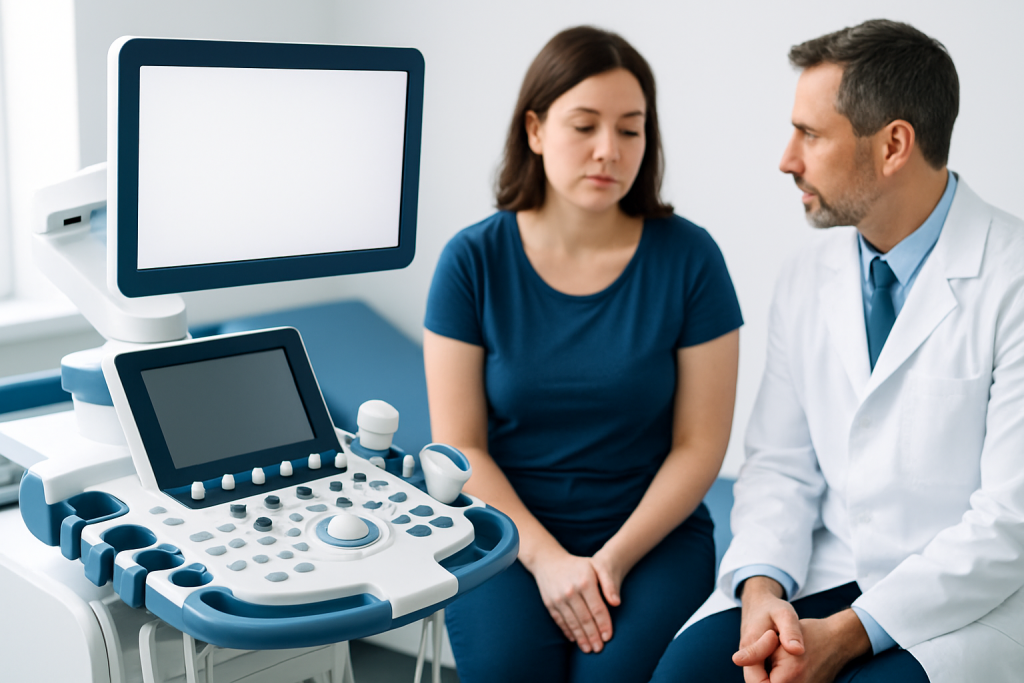
Buccal fat itself does not cause symptoms in the medical sense. The topic usually comes up because a person notices persistent cheek fullness, roundness in the lower face, or a face that appears heavier than expected despite a stable body weight.
Some people seek advice because makeup, haircut, or weight changes have not altered the appearance they want. Others are concerned that their cheeks make them look younger or softer than they feel, especially in photos or video calls. In these situations, the discussion is cosmetic and personal rather than related to disease.
It is also important to distinguish normal cheek fat from facial swelling. If fullness appears suddenly, is painful, or affects one side more than the other, it should be assessed by a doctor because inflammation, dental problems, salivary gland issues, or other conditions may be responsible.
Causes & Risk Factors

Buccal fat prominence is usually due to a mix of anatomy, genetics, and overall facial structure. Some faces naturally have fuller lower cheeks regardless of body size, while others have a leaner shape that may not change much with age or weight fluctuations.
People may be more likely to consider buccal fat removal if they have:
- persistent lower-cheek fullness that feels out of proportion to the rest of the face
- a stable weight and generally healthy lifestyle, yet still dislike the cheek shape
- good skin elasticity and a face that can tolerate subtle contour change
- realistic expectations about what the procedure can and cannot achieve
Not everyone is a good candidate. Individuals with very thin faces, marked facial asymmetry, or a tendency toward age-related volume loss may be at higher risk of looking hollow later. Smoking, poor wound healing, and uncontrolled medical conditions may also affect surgical planning and recovery.
Diagnosis
There is no laboratory test for buccal fat. Diagnosis is based on a clinical facial assessment by a qualified plastic surgeon or facial aesthetic specialist. The doctor examines cheek fullness, jawline definition, skin quality, bite alignment, and the overall relationship between the cheeks, temples, and lower face.
The consultation often includes medical history, current medications, previous facial procedures, dental or jaw concerns, and the patient’s reasons for seeking change. In some cases, photographs from different angles help the doctor explain whether the fullness is mainly from buccal fat or from another factor such as general facial volume, swelling, or muscle structure.
For patients traveling from abroad, a remote pre-consultation may be useful for early planning. Even so, an in-person examination before surgery remains important, because facial anatomy is best judged directly and subtle differences can affect candidacy.
Treatment Options
When a patient is a suitable candidate, buccal fat removal is usually performed through a small incision inside the mouth. This means there is typically no visible external scar. The surgeon carefully accesses part of the buccal fat pad and removes a controlled amount to create a slimmer contour.
The procedure is generally done under local anesthesia with sedation or under general anesthesia, depending on the surgical plan and the patient’s needs. It is usually an outpatient treatment, although the exact approach depends on the center, the patient’s health, and whether other facial procedures are being done at the same time.
Not every facial fullness requires removal of fat. In some cases, a doctor may recommend non-surgical approaches instead, such as weight stabilization, facial balancing procedures, or simply observation. The best plan depends on the cause of fullness, the patient’s age, and whether a more conservative contour change would be safer over time.
Common short-term recovery effects can include swelling, tenderness, mild bruising inside the mouth, and temporary difficulty with chewing. These usually improve as healing progresses, but follow-up is important so the surgeon can monitor recovery and answer questions about diet, oral care, and activity.
Prevention & Self-care
Buccal fat itself cannot be “prevented,” because it is a normal part of facial anatomy. What matters more is thoughtful decision-making before any cosmetic procedure. A careful consultation helps prevent dissatisfaction later by matching the treatment to the right face, the right age, and the right goal.
Patients can support a smooth recovery by following the surgical team’s instructions closely. This often includes keeping the mouth clean, choosing soft foods at first, staying hydrated, avoiding tobacco, and limiting activities that could strain healing tissues. If stitches are used inside the mouth, oral hygiene guidance is especially important.
For people traveling internationally, self-care also includes planning ahead for rest, escort support if needed, and enough time in the country for early follow-up. It is wise to clarify how to reach the surgical team after returning home, especially if swelling changes, fever, increasing pain, or drainage develops.
When to See a Doctor
A doctor should be consulted before considering buccal fat removal, especially if the goal is to change the overall shape of the face. A qualified specialist can explain whether the cheeks are truly fuller because of buccal fat, or whether another feature is creating the appearance of roundness.
Medical review is also important if cheek fullness appears suddenly, is painful, or comes with fever, dental symptoms, trouble opening the mouth, or one-sided swelling. Those patterns are not typical cosmetic concerns and deserve prompt assessment.
After surgery, a patient should contact the care team if recovery seems to be moving in the wrong direction rather than gradually improving. New or worsening pain, significant swelling, bleeding, signs of infection, or concerns about facial asymmetry should be discussed without delay. Acibadem Health Point’s multidisciplinary specialists and JCI-accredited hospitals can diagnose and treat this condition for international patients as part of coordinated facial aesthetic care.
Frequently asked questions
What is buccal fat?
Buccal fat is a normal pocket of fat located deep in the lower cheek. It helps shape the midface and gives some people a naturally fuller appearance.
Who is usually a candidate for buccal fat removal?
Candidates are typically adults who have stable facial fullness in the lower cheeks and want a more defined contour. A surgeon also considers age, facial balance, skin quality, and whether future volume loss could make the face look too hollow later.
Does buccal fat removal leave a visible scar?
The incision is usually made inside the mouth, so there is generally no visible external scar. Healing inside the mouth still requires careful hygiene and follow-up.
How long does recovery take?
Initial swelling and tenderness often improve over days to weeks, but the face may continue to settle for longer. The exact timeline depends on the surgical plan and the individual’s healing response.
Can buccal fat return after removal?
The removed fat does not grow back in the same way, but facial appearance can still change over time because of aging, weight changes, and natural shifts in facial volume. That is one reason long-term planning matters before surgery.
Is buccal fat removal the same as weight loss?
No. It is a targeted cosmetic procedure for facial contour, not a method of losing weight or changing the whole body shape. A doctor can help determine whether the concern is truly buccal fat or another facial feature.
References
- American Society of Plastic Surgeons
- Cleveland Clinic
- Mayo Clinic
- National Health Service (NHS)
This article is for general information only and is not a substitute for professional medical advice. Please consult a qualified doctor about your individual situation.
More from the Health Library

Plastic Surgery Recovery From Home: What Follow-Up Looks Like After You Leave Turkey

What a Plastic Surgery Quote Usually Includes—and What Can Add to the Final Cost

How Long Should You Stay in Turkey After Cosmetic Surgery? A Procedure-by-Procedure Timeline
Related Specialists

Dr. Serkan Tokgönül
Aesthetic Plastic & Reconstructive Surgery
Dr. Ömercan Yağız Öksüz
Aesthetic Plastic & Reconstructive Surgery
Prof. Dr. Mehmet Veli Karaaltın
Aesthetic Plastic & Reconstructive Surgery
Dr. Nezail Demirciler
Plastic, Reconstructive and Aesthetic Surgery