

Breast Reduction Abroad: How Doctors Estimate the Size Change You Can Realistically Expect

Key Takeaways
- The final size after breast reduction is planned around body proportions, symptoms, and safety—not only cup size.
- Doctors estimate reduction by examining breast tissue, skin quality, breast shape, and the relationship between the breasts and chest wall.
- Cup sizes are not standardized, so surgeons usually discuss grams removed, proportions, and symptom relief instead.
- Traveling abroad for surgery adds planning for consultation, aftercare, and follow-up, which should be arranged before the trip.
- A good result balances smaller size with nipple position, symmetry, scarring, and long-term comfort.
Medically reviewed by the Acıbadem clinical team — June 13, 2026
Breast reduction can make breasts lighter, more proportionate, and easier to live with, but the amount of size change varies from person to person. Surgeons estimate the result by looking at anatomy, tissue composition, measurements, and the patient’s goals rather than promising a specific cup size.
Overview
Breast reduction surgery is often chosen by people who want lighter breasts, less strain on the neck and shoulders, improved posture, or a shape that feels more balanced with the rest of the body. For international patients considering breast reduction abroad, one of the most common questions is simple: how much smaller will the breasts actually become?
The answer is more personal than many people expect. Surgeons do not work from a single cup-size formula. They estimate the change by studying the amount of breast tissue, the amount of skin that must be removed, the position of the nipples, chest width, and the patient’s goals. In other words, the target is not just “smaller,” but smaller in a way that remains natural, safe, and suitable for that person’s frame.
Because cup sizes vary widely between brands and countries, many surgeons avoid promising one exact size. Instead, they explain the likely range of change and discuss how the breasts will look and feel after healing. This approach is especially helpful for patients traveling from abroad, where limited in-person visits make careful planning essential.
How surgeons estimate the size change
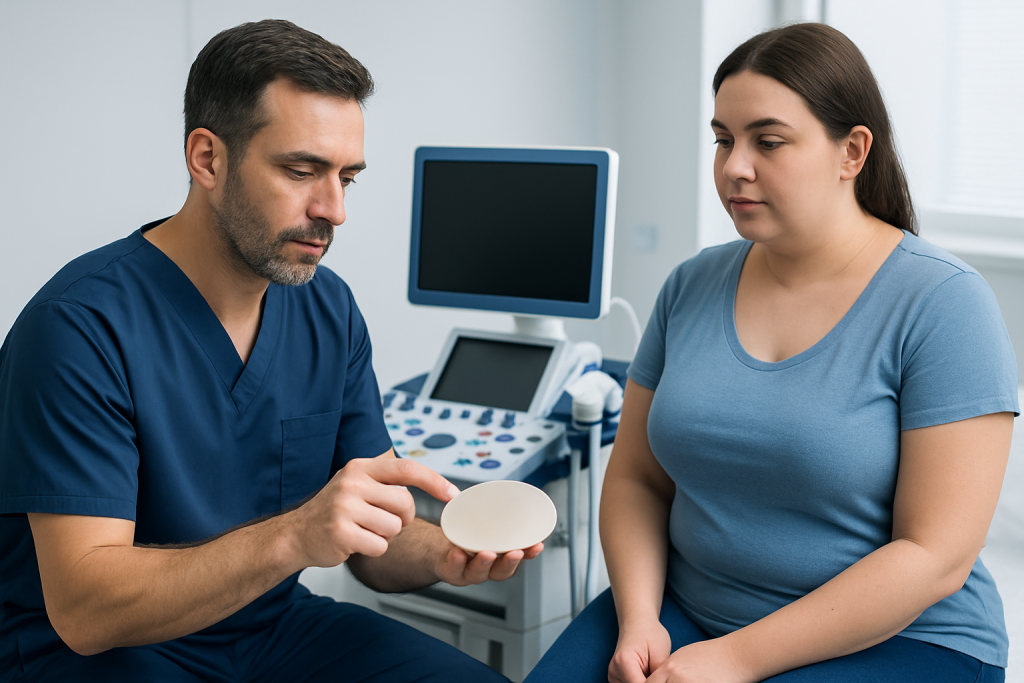
Before surgery, the surgeon typically begins with a detailed physical examination. They assess the volume of breast tissue and fat, breast width, skin elasticity, degree of sagging, and where the nipples sit in relation to the breast fold. These details help the surgeon estimate how much tissue can be removed while still keeping the breast shape stable and the blood supply to the nipple safe.
Measurements are often used alongside photographs, 3D imaging in some centers, and a discussion of the patient’s preferences. Some patients want a dramatic reduction for symptom relief, while others prefer a moderate reduction that preserves more upper fullness. The surgeon translates those wishes into a practical plan based on anatomy rather than guessing a cup size.
It is also important to understand that surgery outcomes are influenced by the starting point. Two patients who both ask for a “small C cup” may end up with quite different results because their chest widths, tissue density, and skin characteristics are different. For this reason, surgeons often speak in terms of proportion, grams of tissue removed, and expected contour rather than using retail bra sizing as the main guide.
Why cup size is a poor measuring tool

Cup size sounds precise, but it is not a reliable medical measurement. Bra sizing standards differ by country, manufacturer, and style. A person may wear different sizes depending on the brand, and the same breast can appear to fit multiple sizes depending on the band measurement. This is why surgeons rarely promise a specific letter size before breast reduction.
Patients traveling abroad sometimes arrive with a desired cup size in mind because that is the language commonly used in everyday life. A good consultation turns that preference into something more useful. The surgeon may ask what the patient wants to be able to do after surgery, which clothes they hope to wear comfortably, and how much reduction feels realistic for their body type.
Some clinics may estimate the result by the approximate amount of tissue to be removed from each breast, but even this does not perfectly predict the final size. Healing, swelling, tissue settling, and the body’s own shape all affect the appearance in the months after surgery.
What influences the final result
Several factors shape how much smaller the breasts can become. The amount of available tissue is one, but the quality of the skin matters too. If the skin is loose or stretched, the surgeon may need to remove more skin and reshape the breast differently. If the breasts are dense and heavy, the result may feel smaller even if the visual change appears moderate.
The surgeon must also protect the nipple and areola. In some cases, the blood supply to the nipple limits how aggressively tissue can be removed in a single operation. Safety always comes first, because an overly aggressive reduction can increase the risk of complications or affect nipple sensation and healing.
Other factors include body proportions, overall weight, whether the patient plans future pregnancies, and whether there is asymmetry between the breasts. A person’s lifestyle can matter too. Someone who exercises frequently may prioritize support and ease of movement, while another patient may focus on relief from bra straps and chronic discomfort. A realistic plan takes all of these into account.
- Starting breast volume and breast shape
- Skin elasticity and degree of sagging
- Chest width and overall body frame
- Safe nipple repositioning limits
- Desired balance between size reduction and natural contour
- Whether one breast is larger than the other
Diagnosis and preoperative consultation
Breast reduction is not a diagnostic procedure in the usual sense, but the preoperative assessment is thorough. The surgeon reviews medical history, medications, smoking status, prior breast surgery, family history, and any previous imaging. They may examine for signs of skin irritation, shoulder groove marks, posture issues, or discomfort that supports the need for surgery.
For international patients, the consultation may happen partly by telemedicine before travel. Photos, measurements, and a discussion of goals can help the surgeon build an initial plan. However, final decisions are usually made after an in-person exam, because small differences in tissue thickness or skin stretch can affect surgical choices.
Patients are also advised to ask practical questions before committing to surgery abroad. These may include how long they should stay locally after surgery, who will change dressings, how follow-up is arranged once they return home, and what to do if they notice swelling or pain after travel. Good planning makes the recovery period calmer and more predictable.
Treatment options and surgical techniques
Breast reduction is usually performed under general anesthesia. The surgeon removes excess breast tissue, fat, and skin, then reshapes the breast and repositions the nipple to a higher, more natural position. The technique used depends on the amount of reduction needed, the patient’s anatomy, and the surgeon’s judgment.
Different incision patterns may be used. Some techniques create scars around the areola and vertically down the breast, while others add an incision in the crease beneath the breast. The choice is made to achieve the best balance of reshaping, blood flow, and scar placement. The goal is not only a smaller breast, but one that sits properly on the chest and heals with stable support.
In many cases, the surgeon can explain the expected change by showing where the new breast mound will sit and how much tissue will likely be removed from each side. Patients should understand that the breasts may look fuller or firmer right after surgery because of swelling. The final shape usually becomes clearer over several months as the tissues settle.
Recovery, self-care, and what affects the appearance during healing
Healing after breast reduction is a gradual process. Swelling, bruising, and a sense of tightness are common early on. During the first weeks, the breasts may appear higher, firmer, or slightly uneven. This does not usually reflect the final result. As swelling decreases and tissues relax, the contour becomes more natural.
Self-care commonly includes wearing supportive garments as advised, avoiding heavy lifting, protecting the incisions, and attending scheduled follow-up visits. Patients traveling abroad should confirm how long they need to remain close to the surgical team before flying home. Air travel too soon can be uncomfortable and may make recovery more difficult, especially if swelling is still significant.
Emotional adjustment is part of recovery too. Some people feel immediate relief because the weight and pressure are gone. Others need time to get used to a new body shape. This is normal. It can help to remember that the breast reduction result is judged over time, not only in the first mirror check after surgery.
When to see a doctor
Patients should contact their surgical team if they notice signs that do not fit the normal recovery pattern, such as increasing redness, fever, unusual drainage, worsening pain, or sudden swelling on one side. These symptoms do not always mean something serious, but they do deserve prompt medical attention.
It is also wise to seek advice if the breasts seem significantly different in size after the swelling should have started to settle, or if there are concerns about nipple color, wound opening, or persistent numbness. A planned follow-up visit can help the surgeon assess whether healing is progressing as expected.
For people arranging breast reduction abroad, choosing a center with clear communication, organized postoperative instructions, and access to revision advice if needed can make the process much easier. Acibadem Health Point’s multidisciplinary specialists and JCI-accredited hospitals can diagnose and treat breast reduction candidates for international patients with coordinated preoperative and postoperative care.
Frequently asked questions
Can a surgeon promise a specific bra size after breast reduction?
Usually, no. Bra sizes are not standardized enough to be used as a precise surgical target. Surgeons can estimate the degree of reduction and discuss the likely shape, but they avoid guaranteeing one exact cup size.
How do doctors decide how much tissue to remove?
They look at the patient’s anatomy, skin quality, breast width, nipple position, and the amount of tissue that can be safely removed. The plan also depends on the patient’s symptoms and desired proportion rather than only cosmetic preference.
Will my breasts look the same size immediately after surgery?
Not necessarily. Early swelling and healing changes can create temporary differences in size or shape. The final result becomes clearer over several months as the tissues settle.
Does traveling abroad make breast reduction more difficult?
Travel adds planning, but it does not make the surgery less effective when care is well organized. The key is arranging proper consultation, recovery time, and follow-up before returning home.
How much scarring should I expect?
Scarring depends on the technique used and how the body heals. Scars usually fade over time, but they do not disappear completely. The surgeon can explain where scars are likely to be placed and how to care for them.
Can breast reduction improve symptoms as well as appearance?
Yes. Many people seek surgery because heavy breasts cause discomfort, skin irritation, or activity limits. A well-planned reduction aims to improve both comfort and body balance.
References
- American Society of Plastic Surgeons
- NHS
- Mayo Clinic
- International Society of Aesthetic Plastic Surgery
This article is for general information only and is not a substitute for professional medical advice. Please consult a qualified doctor about your individual situation.
More from the Health Library

Facelift or Less-Invasive Lift: Which Option Fits Your Age, Skin, and Downtime?

Facelift or Less-Invasive Lift: Which Option Fits Your Age, Skin, and Downtime?

After Major Weight Loss: What Your Surgeon Checks Before Recommending a Body Contouring Plan
Related Specialists

Dr. Cemile Alçay
Gynecology & Obstetrics
Prof. Dr. Ufuk Aydınlı
Orthopedic Surgery & Traumatology
Dt. Anil Yavuzyilmaz
Oral & Dental Health
Dr. Gonca Saraç
Dermatology