BMP Blood Test

Key Takeaways
- A BMP is a blood test that measures several substances linked to kidney function, electrolytes, and glucose.
- It is commonly ordered to evaluate symptoms, monitor treatment, or check overall health before and after medical care.
- Abnormal results do not always mean a serious problem, but they usually deserve follow-up with a clinician.
- Preparation is often simple, though some patients may need to fast depending on the reason for testing.
- Results are best interpreted together with symptoms, medical history, and any other lab tests.
Medically reviewed by the Acıbadem clinical team — August 19, 2026
A BMP, or basic metabolic panel, is a common blood test that helps doctors check important body functions such as kidney health, fluid balance, and blood sugar. It is often used as a routine screening tool or to follow up on symptoms, medications, and ongoing conditions.
Overview
A basic metabolic panel, usually called a BMP, is one of the most common blood tests in everyday medical practice. It gives clinicians a quick view of how the body is managing key functions such as fluid balance, nerve and muscle activity, kidney performance, and blood sugar regulation.
Because the BMP is broad rather than highly specialized, it is often used early in the diagnostic process. A doctor may order it during a routine checkup, when someone has symptoms like weakness or dehydration, or when a medication or illness could affect the body’s chemistry.
For international patients, the test is often part of an initial workup before imaging, surgery, or specialist review. It helps the care team decide what needs attention first and whether more focused tests are needed next.
What a BMP Measures
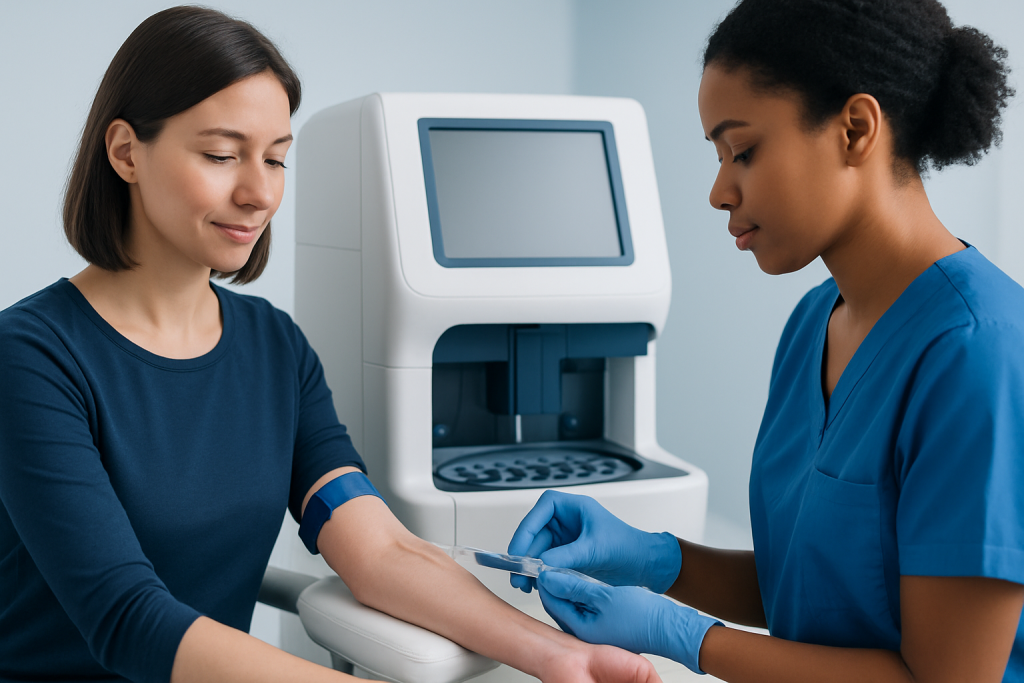
A BMP usually includes eight blood measurements: glucose, calcium, sodium, potassium, chloride, bicarbonate, blood urea nitrogen (BUN), and creatinine. Each one reflects a different part of the body’s chemistry, but the results are most useful when viewed together.
Glucose helps show current blood sugar levels. Sodium, potassium, chloride, and bicarbonate are electrolytes that support hydration, heart rhythm, muscle function, and acid-base balance. BUN and creatinine help assess how well the kidneys are clearing waste from the blood.
Calcium also appears in the panel because it plays a role in bones, nerves, and muscle function. If one value is outside the expected range, the pattern across the full panel often gives the clearest clue about what may be going on.
Symptoms and Situations That May Lead to Testing

Doctors may order a BMP when a person reports symptoms that are not specific but could point to a chemistry imbalance. These can include fatigue, nausea, dizziness, confusion, muscle cramps, swelling, frequent urination, or signs of dehydration such as thirst and dry mouth.
The test is also commonly used when there is concern about kidney stress, uncontrolled diabetes, vomiting, diarrhea, infection, or the effects of certain medications. It may be part of an emergency evaluation or a routine check before starting treatment.
Sometimes the BMP is not ordered because of symptoms at all. It may simply be part of preventive care, hospital admission testing, or follow-up after a hospital stay, especially when the clinician wants to confirm that a person’s body chemistry is stable.
Causes and Risk Factors for Abnormal Results
Many different issues can influence BMP results, and a single abnormal number does not point to one diagnosis on its own. Dehydration, overhydration, kidney disease, blood sugar disorders, and medication effects are among the more common reasons a value may be outside the normal range.
Electrolyte changes can also happen after vomiting, diarrhea, heavy sweating, poor intake, or large changes in fluid consumption. Some blood pressure medicines, diuretics, diabetes treatments, and pain relievers can affect kidney markers or electrolytes as well.
People with chronic kidney disease, diabetes, heart failure, or recent illness are more likely to have changes that show up on a BMP. Even so, the pattern should always be interpreted in context rather than as a stand-alone answer.
How the Test Is Done and How Doctors Interpret It
A BMP is performed with a standard blood draw, usually from a vein in the arm. The procedure is quick, and most people return to normal activities soon afterward. If fasting is needed, the care team usually explains that in advance, although many BMPs do not require it.
Results are reviewed alongside symptoms, medications, physical examination findings, and other tests. For example, a slightly elevated creatinine may lead a doctor to ask about hydration, recent illness, or kidney history, while an abnormal potassium result may prompt more urgent follow-up because of its effect on the heart.
Clinicians often look for patterns rather than isolated findings. A BMP may be repeated, combined with a urinalysis, or expanded into a comprehensive metabolic panel if more information is needed.
Treatment Options When the BMP Is Abnormal
A BMP is a diagnostic tool, not a treatment. If the results are outside the expected range, the next step depends on the cause. That might mean improving hydration, adjusting a medication, managing blood sugar more carefully, or investigating kidney function in greater detail.
Some abnormalities are mild and temporary, while others need prompt attention. A doctor may recommend repeat testing, additional lab work, or specialist review, especially if the result could affect safe treatment decisions.
When people are traveling for care, it can help to bring prior lab reports, medication lists, and a clear timeline of symptoms. This makes it easier for the receiving team to compare results and avoid unnecessary repetition or delays.
Prevention and Self-care
There is no way to prevent every abnormal BMP result, but everyday habits can support stable blood chemistry. Drinking appropriate fluids, taking medications as prescribed, and keeping follow-up appointments are practical ways to reduce avoidable disruptions.
People with diabetes, kidney disease, or heart disease usually benefit from regular monitoring because small changes can matter more in these conditions. If a clinician has advised dietary limits on sodium, potassium, or fluids, those instructions should be followed carefully and individualized guidance should take priority.
It is also sensible to share all prescription drugs, over-the-counter medicines, supplements, and herbal products with the care team. Some products can affect kidney function or electrolyte levels, and that information helps doctors interpret the BMP more accurately.
When to See a Doctor
A doctor should review BMP results if any value is abnormal, especially when the person has symptoms or a condition such as diabetes or kidney disease. Follow-up is also important if results were taken before a procedure, during an illness, or after medication changes.
Urgent medical attention is appropriate if a person has severe weakness, confusion, chest symptoms, fainting, marked dehydration, or vomiting and diarrhea that prevent normal fluid intake. These signs can reflect a meaningful electrolyte or kidney problem and should not be ignored.
For patients seeking care across borders, having a clear plan for result review is helpful. Acibadem Health Point works with multidisciplinary specialists in JCI-accredited hospitals to help international patients diagnose and treat this condition with coordinated follow-up when needed.
Frequently asked questions
What is a BMP test used for?
A BMP helps doctors check kidney function, electrolyte balance, and blood sugar. It is often used during routine care, illness evaluations, and treatment monitoring.
Do I need to fast before a BMP?
Not always. Some BMP tests can be done without fasting, but a doctor may request fasting depending on the reason for testing or if other blood tests are being done at the same time.
Is a BMP the same as a CMP?
No. A CMP, or comprehensive metabolic panel, includes the BMP tests plus additional liver-related measurements and proteins. Doctors choose the panel that best matches the clinical question.
Can dehydration affect BMP results?
Yes. Dehydration can change several BMP values, including sodium, BUN, and creatinine. The pattern helps doctors decide whether fluid balance may be part of the issue.
Should abnormal BMP results always be worrying?
Not necessarily. Many abnormal results are mild, temporary, or related to medications or hydration, but they should still be reviewed by a doctor. The meaning depends on the full clinical picture.
How soon are BMP results available?
Turnaround time varies by laboratory and setting. In many hospitals and clinics, results are available quickly enough to guide same-day decisions, but the exact timing depends on local processes.
References
- MedlinePlus
- Mayo Clinic
- National Kidney Foundation
- Cleveland Clinic
- American Association for Clinical Chemistry
This article is for general information only and is not a substitute for professional medical advice. Please consult a qualified doctor about your individual situation.
Explore treatments in Turkey — costs, top hospitals & a free quote
JCI-accredited · board-certified surgeons · reply within 24h
Add us as a Preferred Source to see more of our trusted health content across Google Search, AI Overviews and Discover.