How To Get Rid Of Love Handles

Key Takeaways
- Love handles cannot be removed from one area alone; overall fat loss is usually needed.
- Strength training, aerobic activity, and daily movement work better together than any single exercise.
- Food choices, sleep, stress, and alcohol intake can all influence waist fat.
- A doctor can check for underlying causes such as hormonal or metabolic conditions if weight changes are difficult.
- Sustainable habits are more effective than crash diets or quick fixes.
Medically reviewed by the Acıbadem clinical team — August 19, 2026
Love handles are a common pattern of fat storage around the waist, and reducing them usually means lowering overall body fat rather than targeting one spot. A balanced plan that combines nutrition, movement, sleep, and medical guidance can help people make steady, realistic progress.
Overview
Love handles are the soft fat deposits that sit on the sides of the waist, just above the hips. Many people notice them when clothing feels tighter around the midsection or when fat collects more visibly during periods of weight gain. They are common, and having them does not automatically mean something is wrong with a person’s health.
From a medical point of view, love handles are usually part of overall body fat distribution. That means the most effective way to reduce them is not by chasing one special exercise or product, but by lowering total body fat over time. For people planning care from another country, this often starts with a simple question: is the goal cosmetic shaping, general weight loss, or a deeper review of health factors that may be affecting weight?
Understanding that distinction helps set realistic expectations. Some people are able to slim the waist through lifestyle changes alone, while others need a more detailed assessment from a doctor, dietitian, or weight-management specialist before progress becomes easier to achieve.
Symptoms and What People Usually Notice
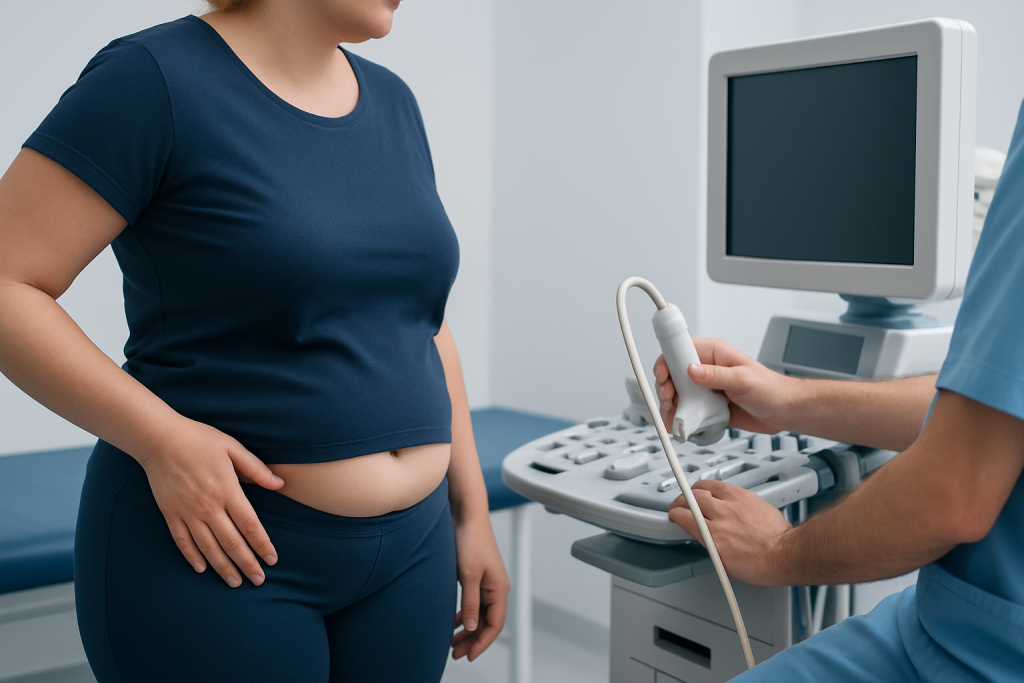
Love handles are not a medical disease, but they are often noticed in a few familiar ways. Clothing may fit differently at the waist, the sides of the torso may look fuller in photographs, or a person may feel that weight gathers around the middle more than the arms or legs. In many cases, this pattern becomes more obvious with age, reduced activity, or gradual weight gain.
People sometimes feel frustrated that belly-focused routines do not seem to change the waistline quickly. That is because the body decides where it loses fat first and last, and the sides of the waist are often among the slower areas to change. This can be discouraging, but it is not a sign that the plan is failing.
What matters most is whether the overall trend is moving in the right direction. Improvements in energy, blood pressure, blood sugar, stamina, and waist measurement may appear before the love handles are fully gone.
Causes and Risk Factors
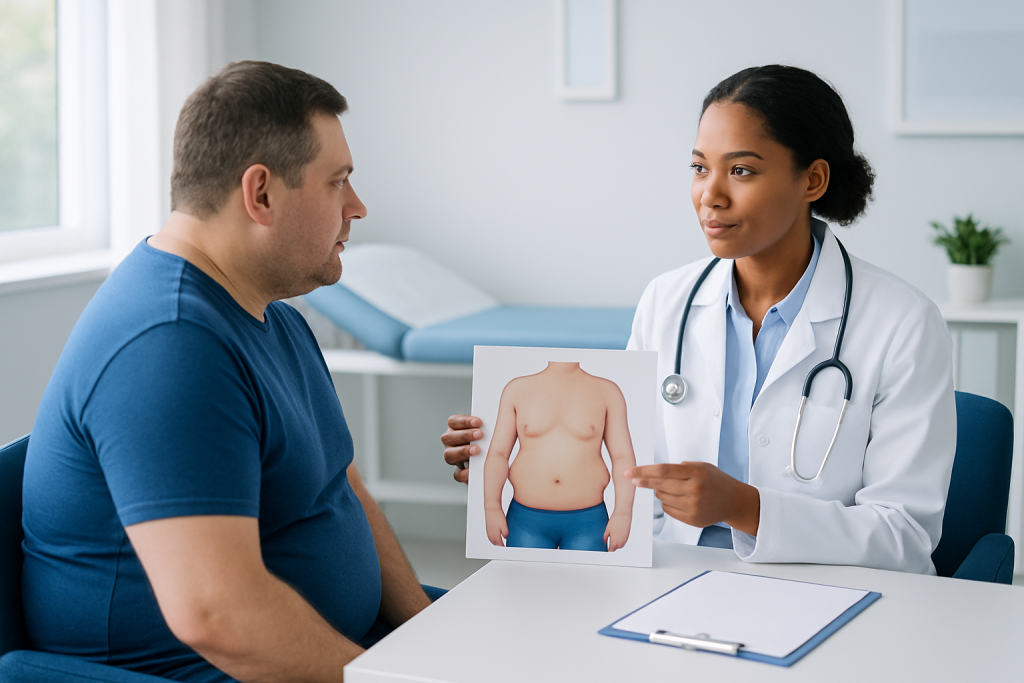
Love handles develop when the body stores more fat than it uses. This can happen for many reasons, and it is usually a combination of lifestyle, genetics, age, and hormones rather than a single cause. Some people naturally store more fat around the waist, while others notice this area changing after periods of stress, poor sleep, or reduced physical activity.
Diet patterns matter as well. Regular intake of calorie-dense foods, sugary drinks, frequent snacking, or large portions can lead to gradual weight gain. Alcohol can also contribute, especially when it becomes a regular habit, because it adds calories and may lower awareness of fullness.
Several factors may make waist fat more likely:
- Genetic tendency to store fat around the abdomen or hips
- Long periods of sitting or low daily movement
- Poor sleep or irregular sleep schedules
- Chronic stress, which can affect eating habits and hormones
- Menopause or other hormonal shifts
- Medical conditions or medications that influence weight
For some international patients, it is helpful to use a specialist consultation to sort out whether the issue is mainly lifestyle-related or whether an underlying medical factor deserves attention before starting a weight-loss plan.
Diagnosis and Health Assessment
There is no special test for love handles themselves. Instead, a doctor evaluates the larger picture: body weight, waist measurement, blood pressure, family history, activity level, diet pattern, and any symptoms that suggest a metabolic or hormonal issue. In many cases, this assessment is enough to build a sensible plan without needing advanced testing.
If weight gain has been rapid, stubborn, or accompanied by tiredness, changes in menstrual cycles, increased thirst, or other health changes, a clinician may recommend blood tests. These can help look for conditions such as thyroid problems, insulin resistance, or other metabolic concerns that can affect body shape and energy balance.
For people traveling for care, a structured evaluation can be especially useful because it helps make the most of a short visit. A doctor can review previous records, explain likely causes, and outline next steps that can continue safely at home after the appointment.
Treatment Options
The main treatment for love handles is gradual fat loss through a combination of eating habits, exercise, and long-term behavior change. There is no reliable way to remove fat only from the sides of the waist through one exercise, but certain strategies can help reduce total body fat and improve body composition.
Nutrition is usually the starting point. Many people do better with a consistent pattern that emphasizes vegetables, fruits, lean protein, fiber-rich carbohydrates, and healthy fats, while reducing highly processed snacks and sugary beverages. The goal is not extreme restriction, but a routine that is easier to maintain than the habits that caused weight gain.
Exercise works best in two parts. Aerobic activity such as brisk walking, cycling, swimming, or dancing helps burn energy and supports heart health. Strength training helps preserve muscle, which can improve the shape of the body as fat decreases. Core exercises may strengthen the waist and improve posture, but they do not directly melt away love handles on their own.
In some cases, a doctor may discuss medical weight-loss treatment or, for selected patients, procedures that support significant weight reduction. These options are usually considered when lifestyle measures have not been enough or when excess weight is affecting health. The right choice depends on the person’s health history, goals, and readiness for follow-up care.
Prevention and Self-care
Preventing love handles is often about keeping small daily habits from drifting over time. Regular meals, adequate sleep, and consistent physical activity help the body maintain a healthier energy balance. Many people find that a simple routine is more effective than trying to be perfect for short bursts.
Self-care choices can make a visible difference around the waist:
- Walk more during the day, even in short sessions
- Choose filling meals with protein and fiber
- Limit sugary drinks and frequent alcohol intake
- Protect sleep by keeping a regular bedtime when possible
- Use stress-management tools such as breathing exercises, stretching, or journaling
- Track waist measurement occasionally, not obsessively, to see progress over time
People who travel for work or family may find routines disrupted by flights, hotels, and restaurant meals. Planning for those situations in advance, such as choosing protein-rich meals and building in walking time, can reduce setbacks without making the trip feel restrictive.
When To See a Doctor
It is sensible to speak with a doctor if waist fat is increasing despite steady efforts, if weight is changing quickly, or if there are other symptoms such as fatigue, sleep problems, menstrual changes, or signs of blood sugar issues. A medical review can help determine whether there is a treatable cause behind the pattern.
Medical advice is also useful when a person wants to lose weight safely but has heart disease, diabetes, joint pain, or another condition that affects exercise and nutrition choices. In these situations, a tailored plan is usually safer and more effective than following a general online routine.
International patients often appreciate a step-by-step approach, especially when they need answers before returning home. Acibadem Health Point’s multidisciplinary specialists and JCI-accredited hospitals can help diagnose and treat weight-related concerns for international patients, with care plans that can be continued after travel.
Urgent evaluation is not usually needed for love handles alone, but sudden unexplained weight change should never be ignored, especially if it comes with other health symptoms. A qualified clinician can help determine whether the change is simply lifestyle-related or part of a broader medical picture.
A Practical Way to Think About Results
People are often more successful when they set goals around habits rather than appearance alone. For example, consistent walks, regular meals, and stronger sleep routines can improve health first, and the waistline usually follows more slowly. This approach is especially helpful because it keeps attention on changes that are controllable.
Progress may show up in stages. Clothing may fit better before the love handles disappear completely, and strength or stamina may improve before the scale changes much. These early wins matter because they show that the plan is working even if the mirror is slower to reflect it.
If results stall, it does not always mean failure. Sometimes the program needs a small adjustment, a more detailed health assessment, or support from a specialist who can help match the plan to the person’s life, travel schedule, and long-term goals.
Frequently asked questions
Can love handles be targeted with specific exercises?
Not really. Exercises can strengthen the muscles around the waist, but fat loss happens across the body, not in one exact spot. A combination of diet, activity, and time is usually needed to slim the area.
How long does it take to lose love handles?
The timeline varies widely depending on starting weight, activity level, eating habits, and overall health. Steady progress is usually more realistic than quick change, and waist fat may be one of the slower areas to respond.
Do crunches or side bends remove waist fat?
They can strengthen the core, improve posture, and support fitness, but they do not directly remove fat from the sides of the waist. Aerobic exercise and overall calorie balance matter more for fat reduction.
Are love handles always caused by being overweight?
No. Genetics, age, hormones, stress, sleep, and activity levels can all influence where fat is stored. Even people at a healthy weight can notice some fullness around the waist.
Should someone use supplements to get rid of love handles?
Supplements are not a dependable solution for waist fat, and some may not be safe or well studied. It is better to ask a doctor before using any product marketed for quick weight loss.
When should a person get medical help for belly or waist weight gain?
Medical advice is wise if the change is rapid, difficult to explain, or linked with other symptoms such as fatigue or blood sugar concerns. A clinician can check for underlying conditions and suggest a safer plan.
References
- National Institutes of Health
- Centers for Disease Control and Prevention
- World Health Organization
- Mayo Clinic
- American Heart Association
This article is for general information only and is not a substitute for professional medical advice. Please consult a qualified doctor about your individual situation.
Explore treatments in Turkey — costs, top hospitals & a free quote
JCI-accredited · board-certified surgeons · reply within 24h
Add us as a Preferred Source to see more of our trusted health content across Google Search, AI Overviews and Discover.