Ant Bites: Symptoms, Treatment and Prevention

Key Takeaways
- Most ant bites cause brief pain, itching, redness, or small swollen bumps that settle with basic care.
- Some species, especially fire ants, can cause more painful skin reactions and pustules.
- Allergic symptoms such as facial swelling, breathing trouble, or widespread hives need urgent medical help.
- Cleaning the area, using cool compresses, and avoiding scratching can reduce discomfort and lower the risk of infection.
- People who travel, hike, or work outdoors should use practical prevention steps to reduce future bites.
Medically reviewed by the Acıbadem clinical team — August 19, 2026
Ant bites are usually minor skin reactions, but the amount of redness, itching, or swelling can vary depending on the ant species and a person’s sensitivity. Most cases improve with simple home care, while signs of allergy or infection deserve medical attention.
Overview
Ant bites are common skin injuries, and most are more irritating than dangerous. They happen when an ant bites, stings, or both, leaving behind a small local reaction that may itch, burn, or swell for a short time.
The exact appearance depends on the ant species and the person’s skin response. For many people, the reaction is mild and fades within hours to a few days. In some cases, especially after fire ant exposure, the skin can develop more intense pain, raised bumps, or small pus-filled spots later on.
For international travelers, ant bites can be a simple nuisance during outdoor walks, garden visits, or resort stays, but it helps to know the difference between a routine reaction and a problem that needs medical review. A calm, step-by-step approach usually makes the experience easier to manage.
Symptoms
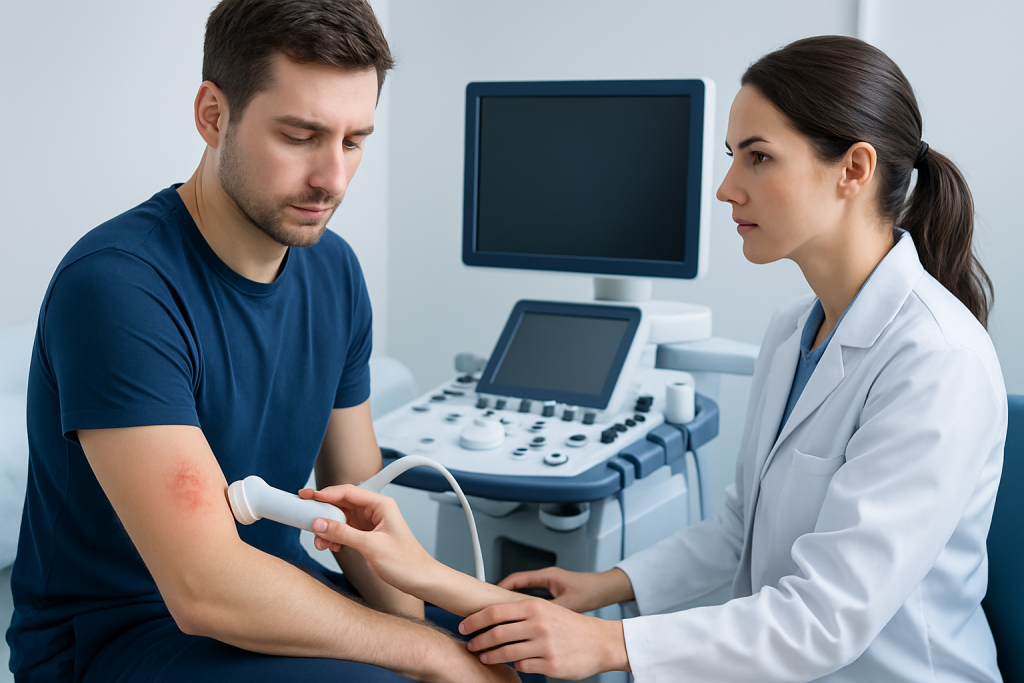
Typical ant bite symptoms begin soon after the bite and stay limited to the skin. A person may notice sharp pain, a small red spot, warmth, itching, or a firm bump at the site. Mild swelling around the area is also common, especially on the hands, feet, or ankles.
Some ant species cause a slightly different pattern. Fire ant reactions may form multiple itchy spots, then a blister-like or pustule-like center over the next day or so. Scratching can make the area look larger, more inflamed, or irritated even when the bite itself is healing normally.
Symptoms that suggest a more serious reaction are less common but important to recognize. These include swelling of the lips or face, widespread hives, wheezing, dizziness, or trouble breathing. Increasing redness, pus, fever, or worsening pain after the first day can point toward infection or another complication.
Causes & Risk Factors

Ant bites happen when a person disturbs an ant nest, brushes against ants in grass or soil, or handles food and trash that attract them. The bite itself is a defensive response. Some ants bite with their jaws, while others also inject venom, which can intensify the skin reaction.
Risk is higher in places where ants are common: gardens, parks, forests, picnic areas, and certain warm climates. Children may be bitten more often because they sit on the ground, explore nests, or react quickly to discomfort by scratching. Hikers, campers, agricultural workers, and travelers staying in unfamiliar outdoor settings can also encounter bites more easily.
People with a history of strong allergic reactions to insect stings or bites may need extra caution. Even when a past ant bite was mild, future reactions can occasionally be different, so observation matters after any new exposure.
Diagnosis
In most cases, ant bites are diagnosed by appearance and by the story of what happened outdoors. A clinician usually asks when the symptoms started, whether the person saw ants, how the skin has changed, and whether there are any allergy symptoms. This is often enough to confirm a routine bite reaction.
When the reaction looks unusual or lasts longer than expected, a doctor may consider other causes such as mosquito bites, contact dermatitis, cellulitis, or another insect exposure. If there is concern about infection, the skin may be examined more closely for warmth, spreading redness, drainage, or tenderness.
If a patient has had breathing problems, hives, or swelling beyond the bite area, evaluation becomes more urgent. In that setting, the goal is not only to identify the bite, but also to make sure the allergic response is controlled and future risk is understood.
Treatment Options
Most ant bites improve with simple comfort measures. Cleaning the area with soap and water, applying a cool compress, and keeping the skin dry can ease irritation. If itching is bothersome, a clinician may suggest general over-the-counter options such as an oral antihistamine or a soothing topical preparation, depending on the person’s age and health history.
It is usually best to avoid scratching, squeezing, or popping any blister or pustule that forms. These actions can slow healing and increase the chance of infection. If the skin breaks open, gentle cleansing and a clean bandage may be enough while the area heals.
Medical treatment is needed when symptoms are more than local and mild. An allergic reaction may require urgent care, and an infection may need prescription treatment after examination. For people with known severe insect allergy, a doctor may discuss an emergency action plan and whether carrying emergency medication is appropriate.
Prevention & Self-care
Prevention starts with reducing direct contact with ants. In outdoor spaces, closed shoes, socks, and long trousers can help, especially around lawns, trails, and picnic areas. It also helps to avoid sitting directly on the ground when the soil may contain nests.
Food, drinks, and crumbs attract ants quickly, so keeping picnic areas clean and sealed is practical. At home, checking window edges, garden corners, pet feeding areas, and trash containers can reduce surprises. Travelers staying in unfamiliar accommodations may find it useful to look over balcony corners, outdoor seating, and paths before placing bags or blankets on the ground.
After a bite, self-care is usually straightforward: wash the site, use a cold compress, and monitor the skin for changes. If a person tends to react strongly to insect bites, it is sensible to note where the exposure happened and whether the symptoms stayed local or spread, since that information helps a doctor give more tailored advice later.
When to See a Doctor
Medical advice is recommended if the reaction keeps spreading after the first day, becomes increasingly painful, or starts to look infected. Fever, pus, red streaks, or marked warmth around the area should not be ignored, as these signs suggest the need for a proper examination.
Urgent care is needed if there is swelling of the face, tongue, or throat, trouble breathing, chest tightness, faintness, or widespread hives. Those symptoms can reflect a serious allergic reaction and should be treated without delay.
People who are traveling should seek care locally if symptoms are escalating, rather than waiting until they return home. Acibadem Health Point’s multidisciplinary specialists and JCI-accredited hospitals can help diagnose and treat ant bites and related allergic or skin concerns for international patients, with attention to safe follow-up planning after travel.
Living With Recurrent Ant Bites
Some people are bitten repeatedly because of work, travel, or lifestyle rather than poor hygiene or bad luck. In those situations, the goal is not only treating each bite, but also reducing exposure patterns that make bites more likely. Small changes in footwear, clothing, outdoor habits, and food storage can make a meaningful difference.
If the skin reacts strongly each time, keeping a brief symptom record can be useful. Notes about the species if known, where the bite occurred, how fast the reaction spread, and whether there were allergy symptoms can help a clinician decide whether further evaluation is needed. That is especially helpful for patients who travel internationally and may need care in a different health system from the one they usually use.
Frequently asked questions
Are ant bites and ant stings the same thing?
Not always. Some ants bite with their jaws, while others can also sting or inject venom, which may make the skin reaction more painful or itchy. The practical advice is similar at first: clean the area, cool it, and watch for worsening symptoms.
How long do ant bite symptoms usually last?
Mild symptoms often improve within a day or two, though itching or redness can sometimes last a little longer. If swelling, pain, or redness keeps increasing after the first day, a doctor should check the area.
What should be done right after an ant bite?
Wash the skin with soap and water, then apply a cool compress to ease discomfort. Avoid scratching, and observe the bite for spreading redness, drainage, or signs of allergy.
Can ant bites become infected?
Yes, especially if the skin is scratched open. Infection is more likely when the area becomes increasingly red, warm, tender, or starts draining pus, and medical evaluation is appropriate in that case.
When is an ant bite an emergency?
It is an emergency if there is trouble breathing, swelling of the face or throat, faintness, or widespread hives. These symptoms can indicate a serious allergic reaction and need immediate medical attention.
Do all ant bites need medical treatment?
No, most are minor and improve with home care. Medical treatment is usually reserved for allergic reactions, signs of infection, severe swelling, or bites that do not begin to settle as expected.
References
- Centers for Disease Control and Prevention
- American Academy of Dermatology
- Mayo Clinic
- World Health Organization
This article is for general information only and is not a substitute for professional medical advice. Please consult a qualified doctor about your individual situation.
Explore treatments in Turkey — costs, top hospitals & a free quote
JCI-accredited · board-certified surgeons · reply within 24h
Add us as a Preferred Source to see more of our trusted health content across Google Search, AI Overviews and Discover.