Anesthesia Tech

Key Takeaways
- An anesthesia tech supports the anesthesia team by preparing and checking equipment, supplies, and monitoring tools.
- The role is behind the scenes but important for safety, organization, and smooth surgical workflow.
- Anesthesia techs do not decide anesthesia plans; anesthesiologists and nurse anesthetists manage clinical anesthesia care.
- Patients can prepare by sharing their medical history, asking questions, and following pre-op instructions carefully.
- Good communication with the surgical team is especially helpful for international patients navigating care away from home.
An anesthesia tech is a trained support professional who helps keep anesthesia equipment, supplies, and the operating room ready for safe care. Understanding this role can make surgery feel less unfamiliar, especially for patients traveling for treatment and meeting a new care team.
Overview
An anesthesia tech is a member of the operating room team who helps prepare and maintain the equipment used for anesthesia care. Their work is mostly behind the scenes, but it supports one of the most important parts of surgery: keeping the anesthesia process organized, ready, and safe.
For patients, this role may not be visible during the day of surgery, yet it contributes to how smoothly the team can respond to the needs of the anesthesiologist or nurse anesthetist. In many hospitals, the anesthesia tech helps create the conditions for careful, efficient care before, during, and after a procedure.
This is especially relevant for patients who travel abroad for surgery. When care happens in a new hospital, in a different language or health system, knowing that multiple trained professionals are involved can make the experience feel more understandable and less intimidating.
Symptoms
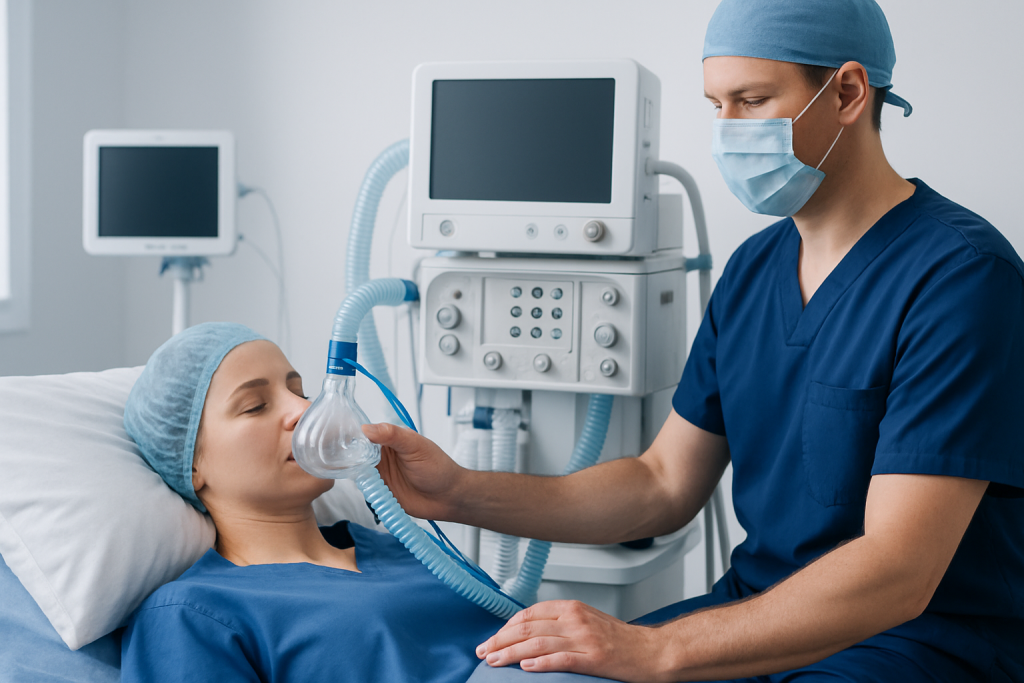
Anesthesia techs are not involved in diagnosing symptoms in the usual sense, but their work matters because patients often arrive with concerns that affect anesthesia planning. These may include a history of nausea after anesthesia, difficulty with previous intubation, allergies, sleep apnea, asthma, heart disease, or fear about waking up during surgery.
Patients may notice the anesthesia team asking detailed questions before surgery. That conversation helps identify risks and allows the team to choose the most appropriate monitoring, equipment, and medication strategy for the individual.
Because anesthesia preparation is tied to the person’s medical history, symptoms and past experiences should be described clearly and honestly. Even details that seem small, such as a bad reaction to medicine or a family history of anesthesia problems, can matter.
Causes & Risk Factors

Anesthesia techs are needed because anesthesia care depends on precise equipment, correct setup, and consistent readiness. Surgery often involves time-sensitive decisions, and the team must have machines, airway tools, oxygen delivery systems, suction devices, and monitoring equipment ready in advance.
Patient-related factors can make anesthesia planning more complex. These may include older age, obesity, pregnancy, chronic lung or heart conditions, diabetes, reflux disease, smoking, or previous complications with anesthesia. In these situations, careful preparation becomes even more valuable.
Traveling for surgery can also introduce practical challenges. International patients may arrive with records from another country, unfamiliar medication names, or limited time for pre-operative testing, so organized anesthesia support helps the team work through those details efficiently.
Diagnosis
There is no diagnosis for the anesthesia tech role itself, but the anesthesia team performs a pre-operative assessment to understand the patient’s health status and plan safe care. This may include reviewing medical records, past surgeries, current medications, allergies, and any previous anesthesia experiences.
Before surgery, the patient may be asked about fasting instructions, breathing problems, chest pain, snoring, blood thinners, and other conditions that affect anesthesia choices. Depending on the procedure and the person’s health, the team may request blood tests, heart testing, or imaging.
An anesthesia tech often helps ensure the equipment and supplies needed for this planned care are available and functioning. That preparation supports the clinical decision-making of the anesthesia provider, who determines the actual anesthesia plan.
Treatment Options
Because an anesthesia tech is not a prescribing clinician, there is no direct “treatment” from this role. Instead, the tech supports the delivery of anesthesia by preparing machines, checking monitors, organizing airway equipment, and assisting the operating room team during procedures.
From the patient’s perspective, anesthesia care may involve general anesthesia, regional anesthesia, sedation, or a combination of methods. The exact approach depends on the surgery, the patient’s health, and the goals of the procedure. The anesthesiologist or nurse anesthetist explains the plan and manages it throughout the operation.
The role of the anesthesia tech becomes especially practical when the team needs to respond quickly. If additional equipment is required, or if the room needs a rapid reset for another case, the tech helps keep the environment prepared so the clinical team can focus on the patient.
- Checking anesthesia machines and monitoring devices
- Preparing airway and oxygen equipment
- Organizing supplies for the operating room
- Supporting cleanliness and readiness of anesthesia work areas
- Helping the team maintain efficiency between procedures
Prevention & Self-care
Patients cannot control every aspect of anesthesia, but they can take meaningful steps to support safer care. The most helpful action is to share accurate medical information early, including previous anesthesia problems, allergies, medication lists, and details about any chronic illness.
Following pre-operative instructions is also important. That may include fasting rules, guidance on certain medications, and instructions about when to stop smoking or adjust blood-thinner use if the doctor advises it. These directions are individual, so patients should always follow their own care team’s plan rather than general advice from the internet.
For people traveling internationally for surgery, self-care includes practical preparation as well. Bringing records in an organized format, arranging translation support if needed, and planning time for rest after the operation can all help the experience run more smoothly.
When to See a Doctor
A doctor should be contacted before surgery if the patient has had a previous anesthesia reaction, a difficult airway, severe snoring or sleep apnea, uncontrolled blood pressure, chest pain, breathing trouble, or a new illness such as a fever or infection. These issues can change the timing or type of anesthesia that is safest.
Patients should also speak up if they do not understand the pre-op instructions, especially when care is being arranged from another country. Clear communication about medication names, fasting times, arrival plans, and recovery expectations helps reduce preventable confusion.
After surgery, medical advice should be sought for concerning symptoms such as persistent vomiting, shortness of breath, severe pain that is not improving, or confusion that seems unusual. Most recovery experiences are routine, but any unexpected change deserves prompt attention.
For international patients, it can be reassuring to know that multidisciplinary specialists and JCI-accredited hospitals, such as those at Acibadem Health Point, can coordinate anesthesia evaluation and surgical care with attention to both clinical detail and travel-related needs.
Living With an Upcoming Surgery
Waiting for surgery often brings more uncertainty than people expect. Questions about anesthesia are common, especially for patients who have never had an operation or who had an uncomfortable experience in the past. A calm, step-by-step discussion with the care team usually helps the process feel more manageable.
It can help to write down questions before the pre-op visit. Patients may want to ask who will give the anesthesia, what monitoring will be used, how pain will be managed afterward, and what recovery will feel like on the first day. Clear answers can turn a vague worry into a practical plan.
When surgery is scheduled in another country, the same questions become even more valuable. Understanding the role of each team member, including the anesthesia tech, can make the operating room feel less mysterious and support a more confident recovery journey.
Frequently asked questions
What does an anesthesia tech do during surgery?
An anesthesia tech prepares and checks equipment used for anesthesia care, including monitors, airway tools, and oxygen supplies. The role supports the anesthesia provider and operating room team, but the tech does not decide the anesthesia plan.
Is an anesthesia tech the same as an anesthesiologist?
No. An anesthesiologist is a physician who evaluates the patient, plans anesthesia, and manages it medically. An anesthesia tech provides important technical and equipment support behind the scenes.
Should patients talk to the anesthesia team before surgery?
Yes, and they should share complete information about medications, allergies, prior surgeries, and any past anesthesia problems. That conversation helps the team choose the safest and most appropriate plan.
Why is anesthesia preparation important for international patients?
Traveling for surgery can mean different medical records, medication names, or language barriers. Careful preparation helps the team review details clearly and reduce avoidable confusion before the procedure.
What questions are worth asking before anesthesia?
Patients may ask who will provide the anesthesia, how pain will be managed, what side effects are common, and what recovery will be like afterward. It is also reasonable to ask how to follow fasting and medication instructions correctly.
When should a patient mention a previous bad reaction to anesthesia?
They should mention it as early as possible, ideally during the first pre-operative discussion. Even if the reaction seemed minor or happened years ago, it can still help the team plan safer care.
References
- American Society of Anesthesiologists
- MedlinePlus
- Mayo Clinic
- NHS
This article is for general information only and is not a substitute for professional medical advice. Please consult a qualified doctor about your individual situation.