And Antibodies

Key Takeaways
- Antibodies are part of the body’s defense system and help identify specific threats.
- An antibody test may show recent or past exposure to an infection, vaccination response, or an autoimmune pattern.
- A single result rarely gives the full answer; symptoms, history, and other tests matter too.
- Positive or negative results are not always straightforward and should be interpreted by a doctor.
- Traveling for testing or treatment may require sharing previous records and planning follow-up care at home.
Antibodies are proteins the immune system makes to recognize and respond to germs and other substances. Antibody tests can help doctors understand past infections, immune responses, and some autoimmune conditions, but results always need clinical context.
Overview
Antibodies are specialized proteins made by the immune system. Their job is to recognize something the body sees as foreign—such as a virus, bacteria, or, in some autoimmune conditions, the body’s own tissues—and attach to it so the immune system can respond more effectively.
When people hear the word “antibodies,” they often think only about infection. In reality, antibodies also help doctors investigate autoimmune diseases and evaluate how the immune system has reacted to vaccination or previous exposure. That is why an antibody result is best read as one piece of a larger picture, not as a stand-alone diagnosis.
For international patients, antibody testing is often part of a broader evaluation before travel, before surgery, or during workup for symptoms that have not yet been explained. A clear conversation about why the test is being ordered can make the process feel much more manageable.
Symptoms and Why Antibodies Matter
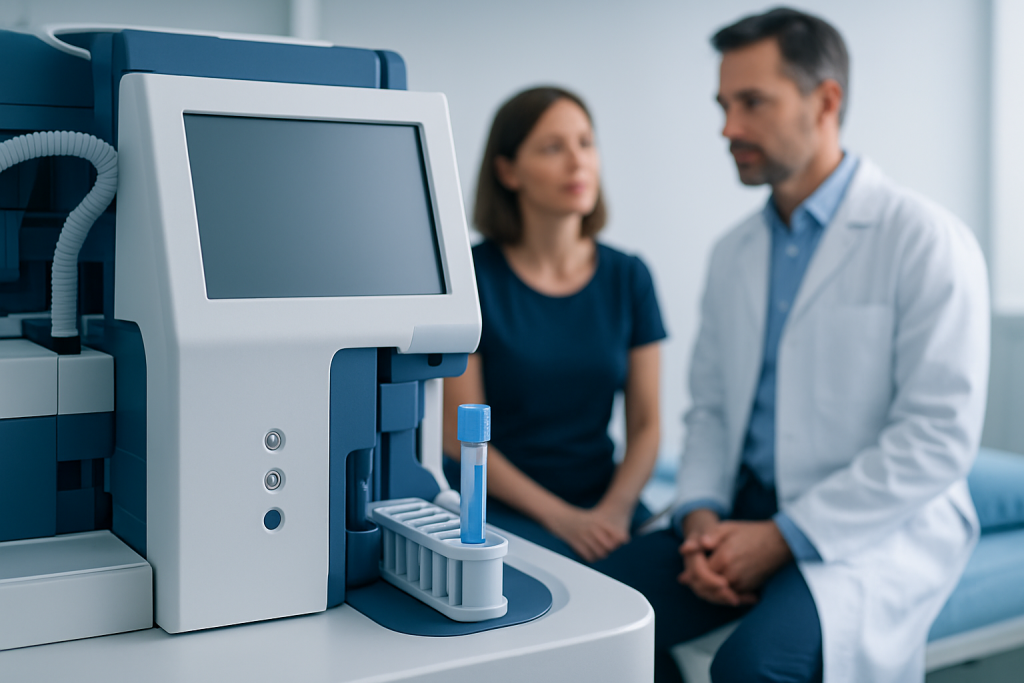
Antibodies themselves do not usually cause symptoms. Instead, they are markers of what the immune system has encountered. A person may have an antibody test because a doctor is trying to understand a fever, fatigue, rash, joint pain, repeated infections, or another concern that has not settled with time.
In some situations, symptoms point toward a recent infection and the antibody test may help show whether the body has already responded. In others, the concern is autoimmunity, where the immune system mistakenly targets normal tissues and produces autoantibodies. These results can support the diagnosis, but they do not replace a careful medical history and examination.
Common reasons antibody testing is considered include:
- Checking for evidence of past infection
- Assessing whether a person has responded to a vaccine
- Looking for autoimmune antibodies linked to specific conditions
- Evaluating unexplained inflammation, fatigue, or recurrent illness
Causes & Risk Factors

The “cause” of an antibody result depends on what type of antibody is being measured. After an infection or vaccination, the immune system may produce antibodies that stay in the blood for months or years. In autoimmune disease, the immune system can create antibodies that react against the body’s own cells or organs.
Risk factors vary by situation. Exposure to contagious illnesses, certain travel histories, incomplete vaccination records, and close contact with infected individuals may increase the chance of a positive infection-related antibody test. For autoimmune antibodies, risk may be influenced by genetics, sex, age, and other immune or hormonal factors, though no single factor explains every case.
It is also important to know that antibody tests can be affected by timing. Testing too early after an exposure may miss antibodies that have not yet developed, while some positive results may reflect a past event rather than a current illness.
Diagnosis and How Antibody Tests Are Read
Antibody testing is usually done with a blood sample. The lab looks for specific antibodies, often named according to the infection or condition being investigated. Some tests report “positive,” “negative,” or “equivocal,” while others give numerical values that still require interpretation by a clinician.
Doctors consider several questions when reading the result: Was there a recent infection or vaccination? Are there current symptoms? Could another condition explain the findings? A positive antibody test may mean prior exposure, immunity, or autoimmune activity depending on the test. A negative result may mean no exposure, too-early testing, or a person whose immune response is weak or delayed.
Sometimes doctors pair an antibody test with other studies, such as antigen tests, polymerase chain reaction (PCR) tests, inflammatory markers, or imaging, to reach a more reliable conclusion. This stepwise approach is especially useful for international patients who may arrive with partial records from different health systems.
Treatment Options
Antibodies themselves are not treated in isolation. Instead, treatment focuses on the underlying issue that the antibody test helped identify. If the test suggests a recent infection, care may include rest, fluids, monitoring, and, when appropriate, specific medication guided by the type of infection.
If autoimmune antibodies are found, treatment depends on the organ involved and how active the disease is. Some people need medicines that calm immune activity, while others may need symptom-targeted care and regular follow-up. The right plan is individualized, because the presence of antibodies does not always mean a person needs immediate treatment.
For people traveling for care, treatment planning should include how long they will stay, whether repeat testing is expected, and who will follow up after returning home. A good plan often includes copies of results, a clear explanation of what the test means, and guidance on what symptoms should prompt reassessment.
Prevention & Self-care
There is no way to prevent the body from ever making antibodies, and that is a healthy part of immune function. What people can do is support the immune system and reduce the chance of confusing or unnecessary testing by keeping vaccinations, medical records, and symptom notes organized.
Practical self-care steps include staying current with recommended vaccines, washing hands regularly, and seeking evaluation when symptoms are persistent or unusual. If an antibody test has already been ordered, it helps to ask whether any preparation is needed and whether the timing of the test matters relative to a recent exposure or vaccine.
For patients receiving care across borders, a simple health folder can make a real difference. Include prior lab reports, vaccination dates, medication lists, and a short timeline of symptoms. That record helps new doctors interpret antibody results in context rather than in isolation.
When to See a Doctor
Medical review is appropriate when symptoms are ongoing, unexplained, or changing. This includes fatigue that does not improve, repeated infections, joint swelling, rashes, fevers, or neurologic symptoms such as weakness or numbness. It is also wise to seek medical advice if an antibody result is confusing or seems inconsistent with how a person feels.
Urgent evaluation may be needed if there are signs of a severe infection, trouble breathing, chest pain, confusion, fainting, or rapidly worsening symptoms. Even then, the antibody test is only one part of the evaluation; doctors usually rely on a combination of history, examination, and additional studies.
International patients may benefit from arranging follow-up before traveling home, especially if repeat labs, medication changes, or specialist review are expected. At Acibadem Health Point, multidisciplinary specialists and JCI-accredited hospitals diagnose and treat many immune-related conditions for international patients, with care plans designed to continue smoothly after discharge.
Living With the Results and Planning Follow-up
Antibody results can be reassuring, surprising, or simply unclear. A person may learn that a past infection has left antibodies behind, that vaccination triggered a response, or that additional testing is needed before any conclusion can be made. None of these outcomes should be read as a verdict; they are information for the next medical decision.
When follow-up is recommended, ask what the result means in practical terms, whether any repeat testing is needed, and how quickly the next step should happen. If care began in another country, request written results in a language you can share with your doctor at home. That makes ongoing care much easier and reduces the chance of duplicated or missed testing.
The most useful approach is often a calm one: understand what the antibody test was looking for, how the result fits the bigger picture, and what plan comes next. That is usually where the real value of antibody testing lies—turning a complex immune signal into a clear, actionable medical step.
Frequently asked questions
What are antibodies in simple terms?
Antibodies are proteins made by the immune system to recognize and help fight things the body sees as harmful. They can target infections, respond to vaccines, or, in autoimmune disease, react against the body’s own tissues.
What does a positive antibody test mean?
A positive result usually means the immune system has seen the target before, but that can mean different things depending on the test. It may reflect past infection, vaccination, or an autoimmune antibody pattern, so the result should be interpreted by a doctor.
Can an antibody test show a current infection?
Sometimes, but not always. Antibody tests are often better at showing past exposure than an active infection, so doctors may order other tests if they need to know whether an infection is happening now.
Why might my antibody test be negative even if I was exposed?
The test may have been done too early, before antibodies had time to develop. Some people also make a weaker antibody response, especially if their immune system is affected by illness or medication.
Do antibody tests diagnose autoimmune disease by themselves?
No. Autoimmune antibody tests can support a diagnosis, but doctors usually combine them with symptoms, examination findings, and other laboratory tests before making a conclusion.
Should I bring old lab results when I see a new doctor?
Yes, especially if you are seeking care in another country or from a different health system. Previous results, medication lists, and vaccination records can make antibody testing much easier to interpret.
References
- World Health Organization
- Centers for Disease Control and Prevention
- Mayo Clinic
- MedlinePlus
- National Institute of Allergy and Infectious Diseases
This article is for general information only and is not a substitute for professional medical advice. Please consult a qualified doctor about your individual situation.
Joint and spine care in Turkey — expert assessment & treatment
JCI-accredited · board-certified surgeons · reply within 24h
Add us as a Preferred Source to see more of our trusted health content across Google Search, AI Overviews and Discover.