Anasarca: Causes, Symptoms and Treatment

Key Takeaways
- Anasarca is not a diagnosis by itself; it usually signals another health problem affecting fluid balance.
- Swelling can involve the legs, arms, face, abdomen, and sometimes the lungs, making movement and breathing harder.
- Common causes include heart, kidney, liver, and severe nutrition-related conditions, as well as certain medications.
- Doctors diagnose the cause through examination, blood and urine tests, imaging, and sometimes heart or kidney testing.
- Treatment focuses on the underlying condition and may include salt restriction, diuretics, and careful monitoring of body fluid status.
Medically reviewed by the Acıbadem clinical team — August 19, 2026
Anasarca is a medical term for extensive swelling of the body caused by fluid buildup in the tissues. It is a sign of an underlying condition that needs proper medical evaluation, especially when it develops quickly or affects breathing, urination, or daily function.
Overview
Anasarca describes marked, widespread swelling throughout the body. Unlike mild puffiness in one ankle or hand, this pattern of swelling is usually diffuse and noticeable in several areas at once. It often reflects an imbalance between how the body holds onto fluid and how it removes it.
For patients and families, the important point is that anasarca is a warning sign rather than a final diagnosis. It can develop in people who are already known to have heart, kidney, or liver disease, but it can also be the first clue that something deeper is going on. In international care settings, doctors usually start by asking when the swelling began, how fast it changed, and whether there are related symptoms such as shortness of breath or reduced urine output.
Because widespread swelling can have many causes, the treatment plan is rarely one-size-fits-all. The goal is to identify the reason fluid is accumulating and then address both the swelling and the underlying condition in a safe, coordinated way.
Symptoms
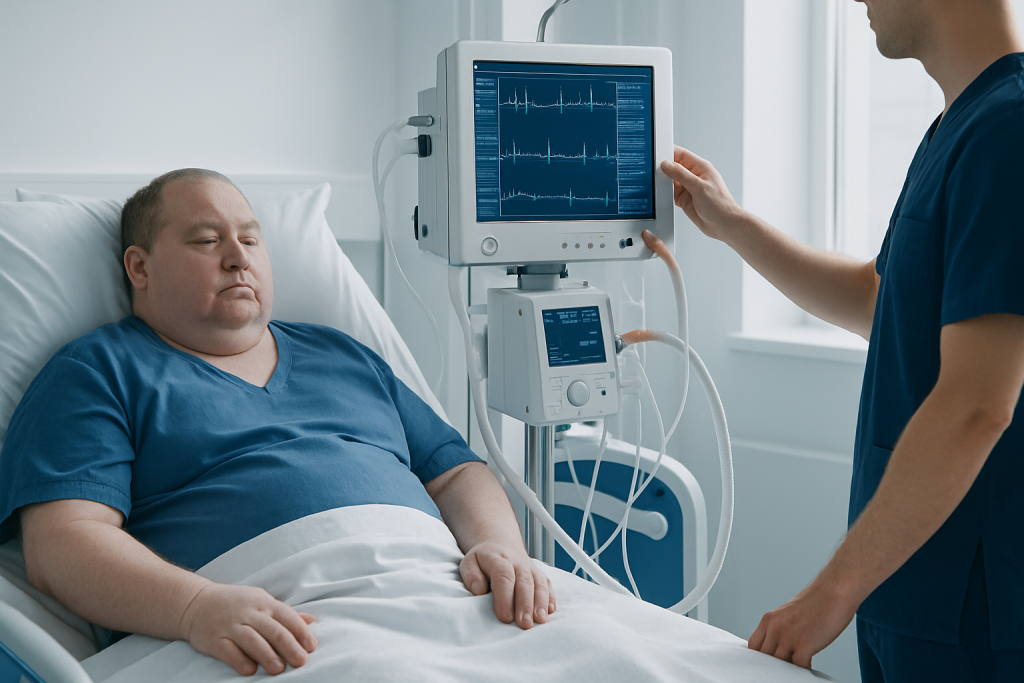
The swelling in anasarca is usually visible and felt as tightness, heaviness, or a stretched appearance of the skin. It may begin in the feet or lower legs and then extend to the thighs, abdomen, hands, arms, face, or genitals. Some people notice that rings, shoes, or watches suddenly become uncomfortable or no longer fit.
Other symptoms depend on the cause. If fluid collects in the abdomen, the belly may look distended and feel uncomfortable after meals. If fluid affects the lungs or chest, breathing may become more difficult, especially when lying flat or walking uphill. Reduced urine output, fatigue, rapid weight gain, and a sense of fullness are also common clues.
Skin affected by long-standing swelling may feel taut and fragile. In some cases, the swelling leaves a pit or indentation when pressed, which is called pitting edema. Even when the swelling seems “just cosmetic,” it should be evaluated because it may be tied to a systemic problem.
- Swelling of legs, ankles, feet, hands, or face
- Abdominal bloating or distension
- Shortness of breath or trouble lying flat
- Rapid weight gain over a short period
- Decreased urination or darker urine
Causes & Risk Factors

Anasarca develops when fluid shifts out of the bloodstream and into the surrounding tissues, or when the body cannot clear fluid efficiently. Heart failure can cause blood to back up in the veins, kidney disease can reduce fluid and sodium removal, and liver disease can lower the proteins that help keep fluid in the circulation. Severe malnutrition or low protein levels can have a similar effect.
Other causes may include certain medications, major inflammation, thyroid disease, allergic reactions, infections, venous or lymphatic obstruction, and prolonged immobility. In some patients, several factors are present at the same time, which is why the evaluation often needs to be broader than a single lab test or scan.
Risk is higher in people with known chronic illness, recent hospitalization, pregnancy-related complications, or a history of kidney, heart, or liver problems. Long-distance travel, dehydration followed by fluid shifts, and recovery after surgery can make existing fluid-balance issues more noticeable. For international patients, clinicians often review prior records carefully to understand whether the swelling is a new issue or an escalation of an existing condition.
Diagnosis
Diagnosis begins with a detailed medical history and physical examination. A doctor will look at where the swelling is located, whether it is pitting, how fast it appeared, and whether there are signs of heart, kidney, liver, or hormonal disease. Blood pressure, weight, breathing pattern, and urine output are often important parts of the assessment.
Testing usually aims to identify the underlying cause rather than simply confirm the swelling. Blood tests may assess kidney function, liver function, protein levels, electrolytes, thyroid function, and markers of inflammation. Urine tests can detect protein loss or kidney damage. Depending on the situation, imaging such as an ultrasound, chest X-ray, echocardiogram, or CT scan may be recommended.
In more complex cases, doctors may need to assess how the heart pumps, how much fluid is retained, or whether the lymphatic system is involved. The exact workup is individualized, especially if the patient is traveling from another country and needs a concise but complete plan that can continue safely after discharge.
Treatment Options
Treatment focuses on the cause and the degree of swelling. If heart failure is contributing, therapy may target circulation and fluid removal. If kidney or liver disease is involved, management may include disease-specific treatment plus careful fluid and salt control. When low protein levels are part of the picture, nutritional support and treatment of the underlying condition become especially important.
Diuretics are commonly used to help the body remove excess fluid, but they must be selected and monitored carefully. Doctors may also recommend limiting sodium intake, tracking daily weight, and adjusting fluids if appropriate. In certain cases, hospitalization is needed for closer observation, especially when breathing is affected, kidney function is changing, or swelling is progressing quickly.
Other measures may include compression therapy for selected patients, treatment of infections or inflammatory conditions, and review of medications that might worsen fluid retention. Because anasarca often reflects a broader medical problem, a coordinated plan between specialties can make treatment safer and more effective. For international patients, that coordination can also support a smoother transition back home with clear follow-up instructions.
Prevention & Self-care
Not every case of anasarca can be prevented, but people with known risk factors can lower the chance of severe swelling by managing their underlying condition consistently. Taking prescribed medicines as directed, attending follow-up visits, and monitoring weight changes can help detect fluid buildup early. A sudden increase in weight over a few days often deserves medical attention even before swelling becomes obvious.
Daily habits may also help. Reducing excess salt, staying active within personal limits, elevating swollen legs when advised, and avoiding prolonged sitting or standing can all support fluid balance. Patients should ask their doctor before using over-the-counter remedies, herbal products, or compression garments, since these are not suitable for everyone.
For people recovering after surgery or medical Varicose Vein Treatment Abroad: When Stockings Are Enough and When Procedures Help More" class="ahp-ilk">treatment abroad, it helps to leave with a written plan that explains warning signs, medication changes, and when to seek reassessment. If swelling is part of a chronic disease, keeping copies of test results and imaging can make future care faster and safer.
When to See a Doctor
Any new, unexplained, or rapidly worsening swelling should be evaluated by a doctor. This is especially important when swelling affects both sides of the body, spreads to the face or abdomen, or appears along with fatigue, reduced urination, or a sense of tightness in the skin.
Immediate medical care is advisable if swelling is accompanied by shortness of breath, chest discomfort, confusion, fainting, or inability to lie flat comfortably. These symptoms can indicate a serious problem with the heart, lungs, kidneys, or circulation and should not be observed at home without guidance.
Patients who are traveling should not wait until returning home if the swelling is getting worse or disrupting breathing, walking, or urination. A prompt evaluation can clarify whether the issue is temporary, medication-related, or part of a condition that needs active treatment. Acibadem Health Point’s multidisciplinary specialists and JCI-accredited hospitals can diagnose and treat anasarca for international patients in a coordinated setting.
Living With the Underlying Condition
Once the cause has been identified, the day-to-day challenge is often learning how to monitor fluid balance without becoming overwhelmed by it. Some patients need regular blood tests, repeated medication adjustments, or periodic imaging. Others may need nutrition support, heart or kidney follow-up, or liver disease management over time.
It can help to keep a simple symptom log noting weight, swelling pattern, breathing changes, and urine output. This record becomes especially valuable if care is shared between a home doctor and a specialist team abroad. Clear communication about what changed, when it changed, and what treatments were tried makes future decisions more precise.
With the right diagnosis and treatment plan, many patients see meaningful improvement in swelling and comfort. The key is to treat anasarca as a sign that deserves attention, then work steadily toward the cause rather than only the visible fluid.
Frequently asked questions
Is anasarca the same as edema?
Anasarca is a severe, widespread form of edema. Edema can affect a small area, such as one ankle, while anasarca usually involves many parts of the body. Because it is more extensive, it often suggests a systemic medical problem.
Can anasarca go away on its own?
It may improve if the underlying cause is temporary and treated, but it should not be ignored. Since it often reflects heart, kidney, liver, or nutritional problems, medical evaluation is important even if the swelling seems to ease for a short time.
What tests are most commonly used?
Doctors often begin with blood and urine tests to check kidney function, liver function, protein levels, and other markers. Imaging such as an ultrasound, chest X-ray, or echocardiogram may be added depending on the suspected cause.
Does salt really affect swelling?
Yes, salt intake can influence fluid retention in many people. A doctor may recommend limiting sodium, especially if heart, kidney, or liver disease is involved, but the exact plan should be individualized.
When is swelling an emergency?
Swelling becomes more urgent when it comes with shortness of breath, chest discomfort, confusion, fainting, or very low urine output. These symptoms may point to a serious underlying condition and need prompt medical care.
Can travel make anasarca worse?
Long periods of sitting, changes in routine, and delayed follow-up can make swelling more noticeable or harder to manage. Travelers with known fluid-retention problems should carry medical records and seek care early if symptoms change.
References
- Mayo Clinic
- Merck Manual Professional Edition
- National Heart, Lung, and Blood Institute
- National Institute of Diabetes and Digestive and Kidney Diseases
- MedlinePlus
This article is for general information only and is not a substitute for professional medical advice. Please consult a qualified doctor about your individual situation.
Explore treatments in Turkey — costs, top hospitals & a free quote
JCI-accredited · board-certified surgeons · reply within 24h
Add us as a Preferred Source to see more of our trusted health content across Google Search, AI Overviews and Discover.