Amniotic Fluid Embolism

Key Takeaways
- Amniotic fluid embolism is rare, but it is a medical emergency that needs immediate care.
- Symptoms may begin suddenly and can include breathing difficulty, low blood pressure, and bleeding.
- It is not usually predictable, and most cases are not linked to something the patient did wrong.
- Treatment focuses on rapid support for breathing, circulation, and heavy bleeding if present.
- Care often continues in intensive care, with follow-up for physical and emotional recovery.
Amniotic fluid embolism is a rare but serious emergency that can happen during labor, delivery, or shortly after birth. Fast recognition and immediate hospital treatment are essential to support breathing, circulation, and blood clotting.
Overview
Amniotic fluid embolism, often shortened to AFE, is an uncommon emergency that can occur during labor, delivery, or in the hours after birth. It happens when a pregnant or recently delivered person suddenly becomes very unwell, usually with breathing problems, a drop in blood pressure, and sometimes severe bleeding.
The condition is rare, but because it can change quickly, it is treated as a critical obstetric emergency. The exact mechanism is still not fully understood. Rather than a simple “blockage,” it is thought to involve a sudden and intense reaction that affects the lungs, heart, and blood-clotting system.
For patients traveling internationally for maternity care, the most important point is not to try to predict AFE at home. Instead, it is helpful to know that reputable maternity hospitals are prepared to respond immediately, with obstetric, anesthesia, intensive care, and blood bank teams working together if a crisis occurs.
Symptoms
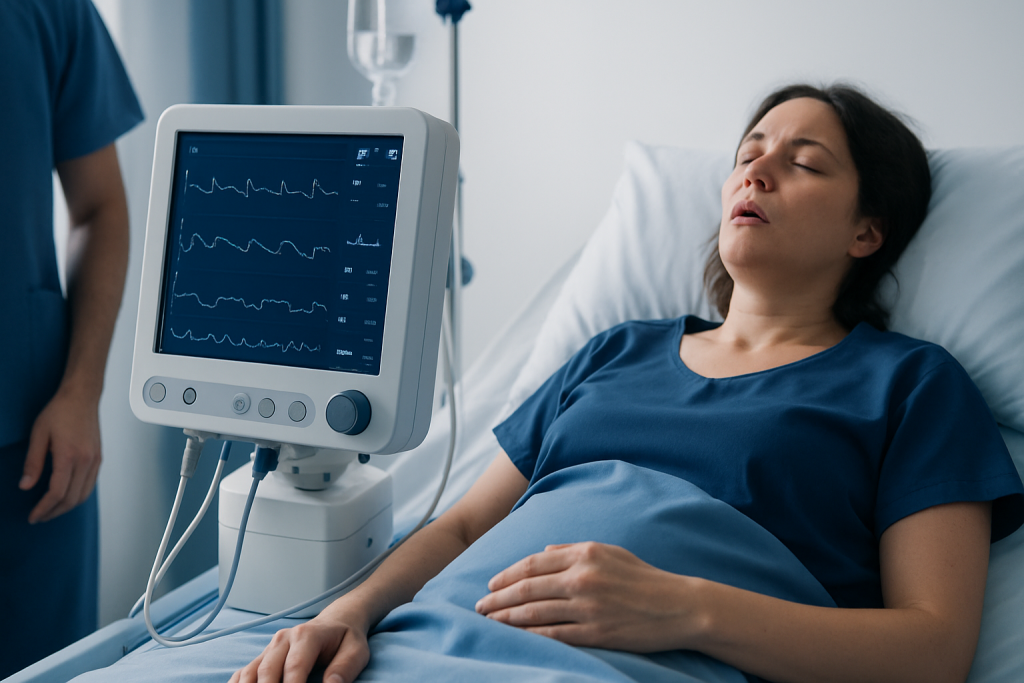
The first signs of amniotic fluid embolism often appear without warning. A person who seemed stable may suddenly feel short of breath, anxious, or faint, or may collapse during labor or shortly after delivery. In some cases, the baby is already born and the mother’s condition changes quickly afterward.
Common warning signs can include:
- Sudden shortness of breath or low oxygen levels
- A drop in blood pressure, dizziness, or collapse
- Rapid heartbeat
- Confusion, agitation, or a sense that something is very wrong
- Bleeding that becomes heavy or difficult to control
- Seizures in some cases
Not every person has the same pattern. Some develop early breathing and circulation problems first, while others show signs of abnormal bleeding because the body’s clotting system has been affected. Any sudden collapse around childbirth should be treated as an emergency until proven otherwise.
Causes & Risk Factors

The precise cause of amniotic fluid embolism remains uncertain. Doctors believe it may involve a complex response to materials related to pregnancy entering the mother’s circulation and triggering severe cardiopulmonary and inflammatory changes. This is why the condition can resemble both a sudden shock state and a clotting disorder.
Because AFE is uncommon and unpredictable, it is not possible to reliably prevent it in most people. Some situations have been associated with a higher chance of occurrence, including advanced maternal age, labor induction, cesarean delivery, placental problems, multiple pregnancy, or certain uterine complications. Even so, most people with these factors do not develop AFE.
It is important for patients to know that amniotic fluid embolism is not caused by poor personal choices during pregnancy. When it happens, it is a medical event requiring immediate hospital treatment, not a situation that could have been identified with certainty in advance.
Diagnosis
There is no single test that confirms amniotic fluid embolism right away. Diagnosis is usually based on the sudden pattern of symptoms and the need to rule out other emergencies that can look similar, such as severe bleeding, a blood clot in the lung, anaphylaxis, heart problems, or eclampsia.
Doctors typically assess breathing, oxygen levels, blood pressure, heart rhythm, and signs of bleeding or clotting problems. Blood tests may be used to check blood counts, clotting factors, oxygenation, and organ function. Imaging or heart tests may be considered once the person is stable enough, especially if another diagnosis is being explored.
In real-world maternity care, the diagnosis is often made while treatment is already underway. That is normal and appropriate, because in AFE the first priority is stabilizing the patient, not waiting for a perfect label before acting.
Treatment Options
Treatment for amniotic fluid embolism begins immediately and usually takes place in a hospital setting, often with transfer to intensive care. The main goals are to keep oxygen flowing, support the heart and blood pressure, and manage heavy bleeding if it occurs.
Care may include oxygen therapy, airway support, fluids, medications to raise blood pressure, blood transfusions, and products that help the blood clot properly. If the uterus is the source of bleeding, additional obstetric treatment may be needed. In some cases, urgent delivery by cesarean section is performed if the baby has not yet been born and the situation requires it.
The exact treatment plan depends on how the person responds minute by minute. A team may include obstetricians, anesthesiologists, critical care specialists, nurses, blood bank staff, and neonatal specialists. For Myomectomy Recovery for International Patients: The Usual Travel Timeline" class="ahp-ilk">international patients, hospitals experienced in emergency obstetrics are especially valuable because these conditions require rapid coordination across several departments.
Prevention & Self-care
There is no proven way to prevent amniotic fluid embolism, and that can be difficult for patients to hear. Still, there are practical steps that help reduce danger from any childbirth emergency: receiving regular prenatal care, delivering in a well-equipped hospital, and making sure the care team knows the person’s full medical and pregnancy history.
Patients can also prepare by asking where emergency blood products are available, whether the maternity unit has intensive care support, and how urgent consultations are handled after hours. These questions are especially useful for those planning birth abroad, where understanding the hospital’s emergency pathway can provide reassurance.
After recovery, self-care may include rest, gradual activity as advised by the care team, follow-up visits, and emotional support. Experiencing a near-fatal childbirth emergency can be traumatic, so counseling or peer support may be helpful for both the patient and family.
When to See a Doctor
Any sudden breathing difficulty, collapse, seizure, or heavy bleeding during labor or within the hours after birth needs immediate emergency attention. These symptoms should never be watched at home or explained away as “just exhaustion” after delivery.
After discharge, a patient should contact a doctor promptly if they have persistent shortness of breath, chest discomfort, worsening swelling, severe weakness, heavy vaginal bleeding, fever, or concerns about recovery from a critical birth event. Follow-up may involve obstetric review, blood tests, heart or lung evaluation, and mental health support.
For families who traveled for maternity care, it is wise to keep copies of discharge summaries and test results before returning home. If ongoing treatment is needed, Acibadem Health Point’s multidisciplinary specialists and JCI-accredited hospitals can diagnose and treat amniotic fluid embolism for international patients, with coordinated follow-up that supports both medical recovery and continuity of care.
Living After an AFE Event
Recovery after amniotic fluid embolism can be physically and emotionally demanding, and the pace is different for each person. Some patients need time to rebuild strength after intensive care, blood transfusions, or a longer hospital stay. Others may also need support for concerns such as sleep problems, anxiety, or memories of the emergency.
Follow-up care often focuses on healing from childbirth, monitoring anemia or organ recovery if relevant, and discussing future pregnancy planning when the patient is ready. If the baby required neonatal care, the family may also be coping with a separate set of emotions and appointments, which is why clear communication from the care team matters.
A thoughtful discharge plan can make a real difference. It should explain warning signs, medication instructions if any, activity limits, and when to seek help. When patients return to another country, a concise medical summary helps local doctors continue care without gaps.
Frequently asked questions
What is amniotic fluid embolism?
Amniotic fluid embolism is a rare obstetric emergency that can happen during labor, delivery, or shortly after birth. It causes sudden breathing and circulation problems and may also affect the blood-clotting system.
Can amniotic fluid embolism be predicted before birth?
In most cases, no. Some pregnancy or delivery factors may be linked with a higher chance, but AFE usually cannot be reliably predicted or prevented in advance.
Is amniotic fluid embolism the same as an amniotic fluid blockage?
Not exactly. The condition is more complex than a simple blockage, and doctors believe it involves a sudden body response that affects the lungs, heart, and clotting system.
How is amniotic fluid embolism treated?
Treatment is immediate and supportive, often in intensive care. It may include oxygen, medications for blood pressure, blood transfusion, clotting support, and treatment for heavy bleeding.
Can a person recover after amniotic fluid embolism?
Yes, recovery is possible, but it can take time and may require close follow-up. Some people need ongoing care for physical healing and emotional recovery after the event.
Should families seek help after returning home from birth abroad?
Yes. If recovery is still ongoing, it is important to arrange follow-up with a qualified doctor and share the hospital discharge summary and test results. This helps the next care team continue treatment safely.
References
- American College of Obstetricians and Gynecologists
- Merck Manual Professional Edition
- National Institute of Child Health and Human Development
- Mayo Clinic
This article is for general information only and is not a substitute for professional medical advice. Please consult a qualified doctor about your individual situation.
More from the Health Library



Related Specialists

Prof. Dr. A. Taner Usta
Gynecology & Obstetrics
Prof. Dr. Ahmet Tayyar
Gynecology & Obstetrics
Prof. Dr. Ahmet Cem Batukan
Gynecology & Obstetrics
Dr. Sevgi Selen
Gynecology & Obstetrics