

Liposuction Before a Big Event: How Far in Advance Should You Plan?

Key Takeaways
- Liposuction is not an instant event-day solution; the body needs time to heal and contours need time to refine.
- Many patients should plan several weeks to months ahead, depending on the treatment area and extent of surgery.
- Swelling, bruising, and temporary firmness are normal parts of recovery and can affect how clothing fits at first.
- A surgeon’s advice on compression garments, activity limits, and travel timing is important for both safety and results.
- International patients should build extra time into their schedule for consultation, surgery, follow-up, and a possible change in recovery pace.
Medically reviewed by the Acıbadem clinical team — June 13, 2026
Liposuction can be planned around a wedding, holiday, reunion, or other major event, but timing matters as much as the procedure itself. A realistic schedule allows swelling to settle, incisions to heal, and results to look more natural and comfortable.
Overview
When a major event is on the calendar, it is natural to wonder whether liposuction can fit neatly into the schedule. A wedding, reunion, vacation, or milestone celebration may create a strong deadline, but liposuction recovery does not follow a countdown clock. The body usually needs time to settle after surgery, and the most flattering result often appears gradually rather than immediately.
For that reason, the most useful question is not simply whether liposuction can be done before an event, but how much time should be left for healing. The answer depends on the size of the treatment area, the amount of fat removed, the technique used, and how quickly the person’s body responds to surgery. Planning early gives the surgeon room to create a safer schedule and gives the patient a calmer recovery period.
For people traveling from another country, timing becomes even more important. Consultation appointments, pre-operative testing, the surgery itself, early follow-up visits, and the chance of needing extra rest should all be included in the timeline. A well-planned trip is usually more comfortable than a rushed one, especially when the goal is to look and feel ready for a specific event.
Why timing matters more than many people expect
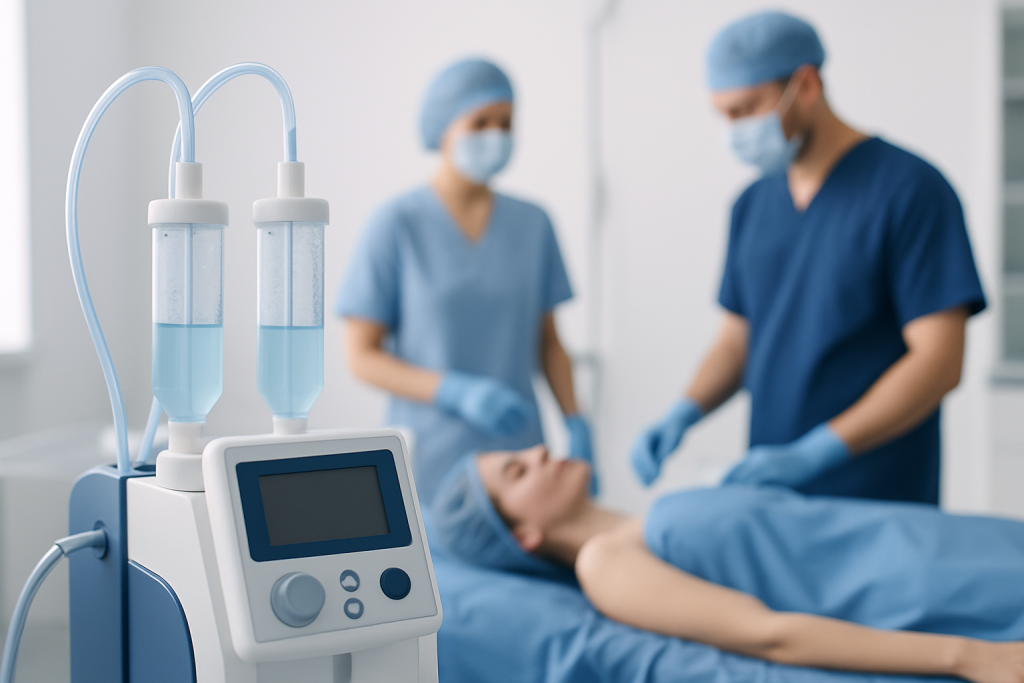
Liposuction changes the shape of the body by removing fat from selected areas, but the visible result is influenced by more than the procedure alone. Right after surgery, swelling and bruising can temporarily hide the new contour. The skin and tissues also need time to adapt, which means the body may look uneven or firm at first even when healing is progressing normally.
This is one of the most common surprises for people with an upcoming event. They may expect a quick transformation, only to discover that the early recovery phase is not the same as the final result. Clothing may fit differently from week to week, and there can be days when the treated area looks fuller before it looks slimmer. That variation is part of healing, not necessarily a problem.
Because of these changes, the ideal timing usually leaves a buffer between surgery and the event. A buffer allows swelling to decrease, movement to feel easier, and any minor healing issues to settle without adding pressure. It also reduces the risk that a person will feel forced to hide discomfort or limit normal movement during an important celebration.
How much time should be left before the event?
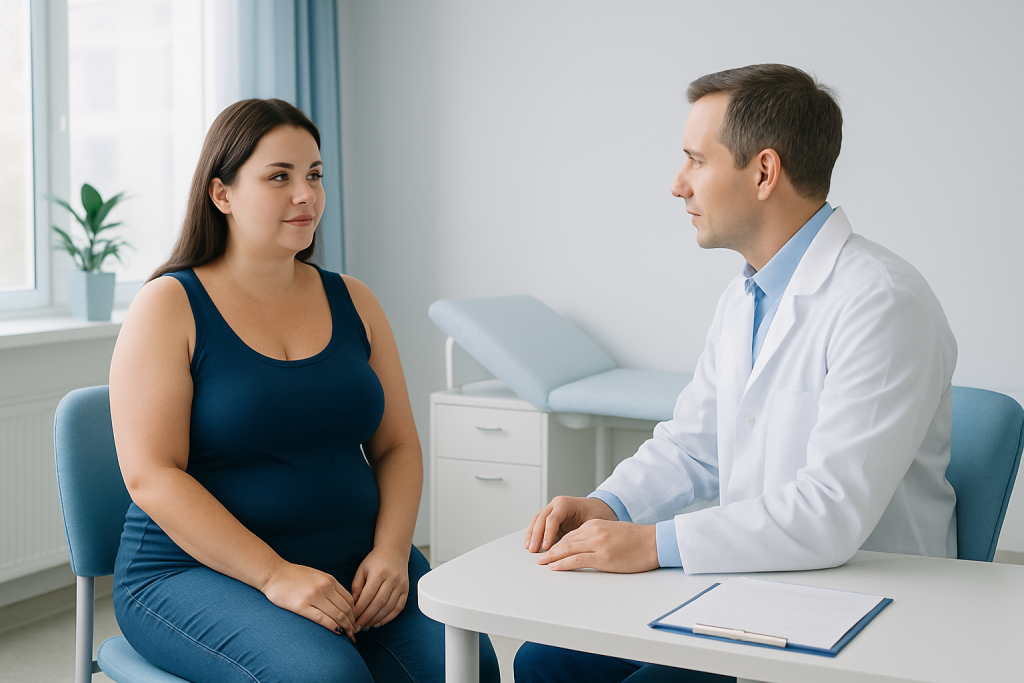
There is no single schedule that suits every patient, but many people benefit from thinking in stages. For smaller areas and straightforward procedures, a few weeks may be enough for basic recovery, though the body may still be refining its shape. For larger treatment areas or combined procedures, more time is usually needed before the result feels event-ready.
As a practical planning guide, many surgeons advise allowing at least several weeks for initial healing and more time when the goal is a polished appearance in fitted clothing or formalwear. If the event involves travel, standing for long periods, dancing, or other physically demanding activities, the recovery window should be even more generous. Comfort matters just as much as appearance, especially when the day is meant to be enjoyable rather than stressful.
People often do best when they consult the surgeon early enough to discuss their exact calendar. The surgeon can explain what level of swelling is typical for the planned areas, when compression garments are usually worn, and which activities should wait. That advice is more reliable than social media timelines or stories from friends, because recovery is highly individual.
- Minor areas may settle sooner than larger or multi-area procedures.
- Complex contouring usually needs a longer recovery buffer.
- Formal events often call for extra time beyond simple wound healing.
- Travel plans should include both the procedure and follow-up care.
What recovery usually looks like in the first weeks
In the early stage after liposuction, it is normal to see swelling, bruising, soreness, and a sense of tightness. Some patients describe the area as feeling “heavy” or “stiff” before it becomes comfortable. These symptoms usually improve gradually, but the pace can differ from one person to another.
Compression garments are often part of the recovery plan because they can help support the tissues as healing begins. Walking is commonly encouraged early on, while strenuous exercise, lifting, or movements that strain the body are usually postponed. The surgeon’s instructions matter here, since returning too quickly to intense activity can interfere with recovery.
For an upcoming event, the main issue is not whether the person can function at all, but whether they will feel at ease. A wedding guest or traveler may be able to attend an occasion before recovery is fully complete, but it may be hard to enjoy fitted clothing, long ceremonies, or social photographs if the body is still swollen or tender. A realistic timeline helps manage those expectations from the start.
Factors that can change the recovery timeline
Not everyone heals at the same pace. The amount of fat removed, the number of areas treated, whether liposuction is combined with another procedure, and the person’s general health all influence recovery. Even small differences in technique or post-operative care can change how quickly swelling eases.
Age, smoking status, circulation, and certain medical conditions may also affect healing. A patient who has a physically demanding job or family responsibilities may notice that recovery feels longer because the body has fewer chances to rest. International patients should also remember that travel fatigue, time zone changes, and long flights can make the early days after surgery feel more demanding.
Clothing choices can matter too. Tight event wear may highlight swelling or make the treated area feel more uncomfortable than expected. A fitting that looked perfect before surgery might need to be revisited later. For this reason, some people schedule garment selection after the body has had a chance to settle rather than assuming the immediate post-op shape will remain the same.
How to plan liposuction around a wedding, vacation, or other milestone
Good planning begins with the event date and works backward. The consultation should happen early enough to allow time for medical assessment, questions, and a full discussion of what recovery will realistically involve. If the event is fixed, the surgeon can help decide whether the procedure should be moved earlier, postponed, or avoided for that season.
For a wedding, this may mean planning liposuction well in advance so the body has time to heal before dress fittings and photographs. For a beach holiday, it may be wiser to wait until after the trip if sun exposure, swimming, or active sightseeing would interfere with aftercare. For a reunion or professional event, the important factor may be whether the person wants to feel comfortable sitting, standing, or moving freely for several hours.
International patients should also factor in pre-operative preparation and follow-up. A short visit may not be enough if the procedure requires several days of local recovery or repeat assessment. When the procedure is booked with time for rest, check-ups, and a safe return home, the experience tends to feel more orderly and less rushed.
Prevention, preparation, and self-care before surgery
Although liposuction is a cosmetic procedure, preparation is medical preparation. Patients usually do best when they follow the surgeon’s instructions closely, share their full health history, and mention all medications and supplements they use. This helps the team reduce avoidable risks and decide whether the timing is suitable.
It can also help to prepare the home or travel setting before surgery. Comfortable clothing, easy access to water and meals, a place to rest, and a plan for transportation after the procedure can all make recovery smoother. People traveling internationally may want to arrange extra support during the first days after surgery rather than assuming they will be fully independent right away.
Self-care after surgery typically includes rest, hydration, following wound-care instructions, wearing compression garments as directed, and attending scheduled follow-up visits. The team’s guidance about showering, activity, and sleep positioning should be followed carefully. These small details often make a bigger difference than patients expect.
- Ask the surgeon how long swelling is usually noticeable for the planned areas.
- Confirm when travel, exercise, and social events are realistically safe.
- Arrange someone to help during the early recovery period if possible.
- Keep the event date in mind, but prioritize healing over appearance deadlines.
When to see a doctor
It is important to contact the surgical team if recovery seems to be moving in an unexpected direction or if the patient is unsure whether a symptom is normal. Pain, swelling, and bruising are expected to some degree, but they should gradually improve rather than become more troublesome. Any concern is worth checking, especially before travel or a major event.
Medical advice should be sought promptly for warning signs such as fever, significant redness, worsening pain, drainage that concerns the patient, or sudden changes in how the treated area looks or feels. A surgeon should also be contacted if there is uncertainty about wearing compression garments, returning to exercise, or attending an event while healing is still underway. It is safer to ask early than to guess.
For people planning care from abroad, coordination is especially valuable. Acibadem Health Point’s multidisciplinary specialists and JCI-accredited hospitals diagnose and treat liposuction candidates for international patients with a focus on clear planning and follow-up. The most comfortable results usually come from thoughtful timing, honest expectations, and a recovery plan that leaves enough room for the body to heal well.
Frequently asked questions
How far in advance should liposuction be planned before a wedding?
Many patients do better when they plan several weeks to months ahead, rather than close to the date. The exact timeline depends on the size of the treatment area, whether other procedures are combined, and how much swelling is expected. A surgeon can help estimate a safer window after examining the patient.
Can someone attend an event a few days after liposuction?
Some people may feel well enough to be present at a low-key event, but the body is usually still in the early healing phase. Bruising, swelling, and discomfort can affect both comfort and appearance. It is best to ask the surgeon whether the event is realistic for the specific recovery plan.
When will the final liposuction result be visible?
The contour usually improves gradually as swelling fades and tissues settle. Early changes are not always the final result, and the shape may look different over several weeks or longer. The timeline varies with the treated area and the extent of surgery.
Is liposuction recovery harder if the patient is traveling internationally?
Travel can make recovery feel more demanding because of fatigue, sitting for long periods, and the need for follow-up visits. Long flights may also be uncomfortable soon after surgery. International patients should build extra time into the trip and confirm the surgeon’s travel advice before booking.
What if the event date is too close for safe surgery?
If there is not enough time for proper healing, it is usually better to postpone the procedure than to rush it. Surgery should fit the body’s recovery needs, not just the calendar. A surgeon can help decide whether the event or the procedure should take priority.
Does wearing a compression garment mean the result is final?
No. A compression garment supports healing, but it does not remove swelling instantly or guarantee the final contour. The body still needs time to adapt, and the appearance may continue to change after garment use ends.
References
- American Society of Plastic Surgeons
- International Society of Aesthetic Plastic Surgery
- Mayo Clinic
- NHS
This article is for general information only and is not a substitute for professional medical advice. Please consult a qualified doctor about your individual situation.
More from the Health Library

Prominent Ears in Adults: When Surgery Is About Proportion, Not Just Appearance

Liposuction Before a Big Event: How Far in Advance Should You Plan?


