Body Contouring After Weight Loss: Which Areas Usually Need Staging Instead of One Big Surgery

Key Takeaways
- Large skin-removal plans are often divided into stages when several body areas need treatment.
- Common areas that may be staged include the abdomen, breasts, arms, thighs, back, and upper body.
- The right plan depends on health, skin quality, weight stability, and how long the surgery would take.
- Recovery from staged procedures can be easier to manage than one very long operation.
- A board-certified plastic surgeon can explain what can be combined safely and what should wait.
After major weight loss, many people want to remove loose skin and reshape areas that no longer match their new body. In some cases, surgeons recommend staging the procedures rather than doing everything in one operation to support safety, healing, and more predictable results.
Overview
Body contouring after weight loss is designed to address the changes that can remain once the scale has moved. Skin that has been stretched for years may not contract fully, and the underlying tissues may also have changed shape. For many people, the goal is not dramatic transformation but a more comfortable fit in clothing, easier movement, and a body outline that better reflects the effort already invested in weight loss.
When several areas have loose skin at the same time, a surgeon may suggest a staged plan rather than one large operation. Staging means treating some areas first and returning later for additional procedures, once healing has progressed and the body has recovered enough for the next step. This approach is especially common for patients traveling internationally, because the treatment plan has to fit both medical needs and the practical realities of time away from home.
There is no single formula for every patient. Some people do well with a combined operation, while others are safer and more comfortable with two or more separate surgeries. The decision is usually based on the length of surgery, estimated blood loss, recovery demands, overall health, and the number of areas that need attention.
Which Areas Often Need Staging
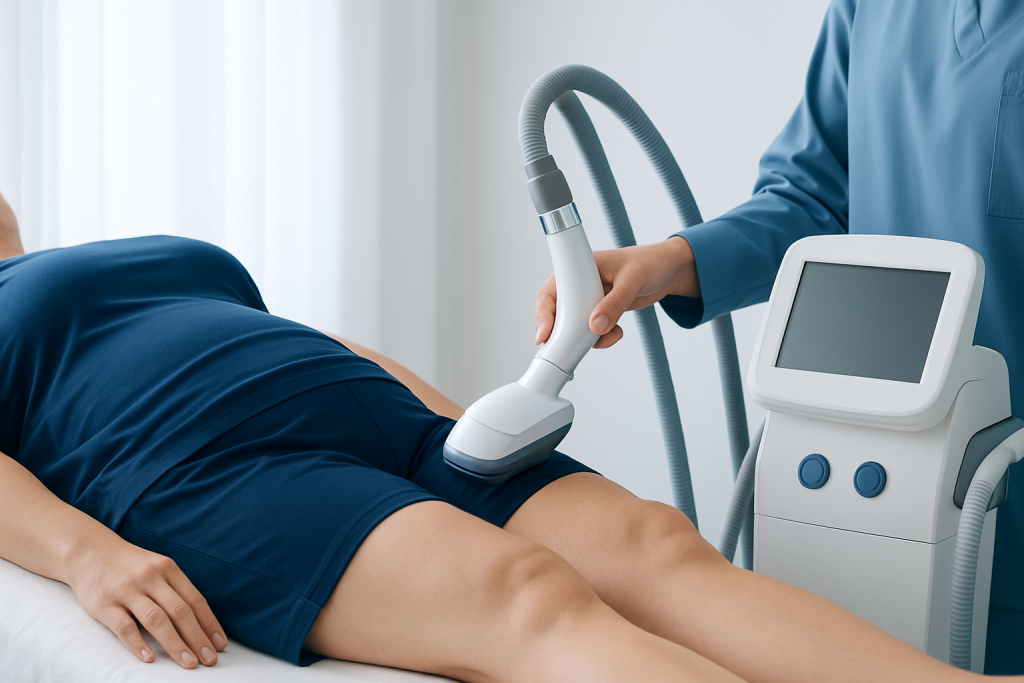
Certain areas tend to be more commonly separated into different operations because they are large, involve deeper tissue work, or require recovery positions that are difficult to combine in one week. The abdomen is often a central focus after major weight loss, but it is not always paired with every other area at the same time. A tummy tuck or lower body lift may already place meaningful demands on the body, so adding several additional sites can make the operation much longer and recovery more complicated.
The breasts and chest are another area where staging is often considered. For women, a breast lift, reduction, or implant-related revision may be planned separately from abdominal or thigh surgery. For men, chest contouring after weight loss may also be handled as its own stage. Arms and thighs are frequently treated in separate sessions because both areas can be uncomfortable when done together, and each requires distinct positioning during surgery and healing.
Back rolls, flank contouring, upper body lifts, and buttock or posterior trunk procedures are other areas that may be scheduled apart from the front of the body. When multiple regions are treated at once, the result can be a very long operative time and a more demanding postoperative period. A staged sequence helps the surgical team focus on one zone at a time while still working toward a balanced overall result.
- Abdomen and lower body lift
- Breasts or chest
- Upper arms
- Inner or outer thighs
- Back, flanks, and posterior trunk
- Buttock or lower torso contouring
In many cases, the first stage is chosen because it will create the most functional improvement or the biggest change in comfort. Later stages are then planned once the patient has fully healed, weight has remained stable, and the surgeon can reassess how the tissues have settled.
Why Surgeons Choose Staging Instead of One Big Surgery

The main reason for staging is safety. Body contouring after weight loss may involve removing a large amount of skin and reshaping tissue across multiple sites, and each additional area adds time, fluid shifts, and healing demands. Even when the patient is otherwise healthy, long combined procedures can make anesthesia management more complex and can increase the strain on the body afterward.
Staging can also improve the quality of recovery. After a major contouring procedure, a patient may need help walking, changing dressings, wearing compression garments, and sleeping in a modified position. If several large areas are healing at once, simple activities can become much harder. By dividing surgery into stages, the person can regain mobility between procedures and approach each next step from a stronger baseline.
Another reason is aesthetic precision. Once one area is corrected, the surgeon can see how the body’s proportions have changed and adjust the next procedure accordingly. This is particularly useful after massive weight loss, because the final shape often becomes clearer only after the first healing phase. Staging allows for better decision-making rather than trying to predict every contour in one session.
How a Surgeon Plans the Sequence
The order of procedures is customized. A surgeon will usually begin with a detailed examination of skin excess, scars, fat distribution, muscle laxity, and any areas where the skin folds are causing irritation or hygiene problems. They will also review medical history, recent weight changes, nutritional status, smoking exposure, medications, and any previous operations such as bariatric surgery.
In a practical sense, the surgeon is balancing three questions: what will give the greatest benefit, what can the body safely tolerate, and what recovery is realistic for the patient’s life situation. Someone traveling from another country may need a plan that considers hotel stays, follow-up visits, support from a companion, and the timing of the return flight. That is why a staged approach is often easier to organize than a single marathon surgery with many body areas.
Typical factors that influence staging include:
- Overall health and anesthesia risk
- How much skin needs to be removed
- Whether muscle tightening is needed
- Expected operating time
- Need for drains, compression, or limited movement
- How quickly the patient can safely return for follow-up
Some surgeons prefer to address the lower body first, while others begin with the area causing the most discomfort or the most obvious clothing fit problem. There is no universal sequence; the best plan is the one that fits the person’s anatomy and recovery needs.
What the Recovery Journey Usually Feels Like
Recovery after body contouring is often described in stages of its own. In the first days, swelling, tightness, bruising, and tiredness are common. Most patients need help with basic tasks at home or in temporary lodging, especially after a procedure involving the abdomen, back, or thighs. The surgical team may recommend compression garments, walking soon after surgery, and careful wound care to support healing.
If procedures are staged, the interval between them gives the body time to rebuild strength and allows the surgeon to monitor how the tissues settle. This pause can be especially valuable for people coming from abroad, because follow-up visits may need to be coordinated around travel dates. It also gives the patient time to assess how one area feels before deciding on the next one.
Recovery is not only physical. Many people feel relieved after the first stage but also more aware of areas that remain untreated. That is normal. A staged plan should be understood as a pathway, not a delay or a sign that the first operation was incomplete. The process is intentionally gradual so the result is safer and more controlled.
Preparing for Treatment and Travel
Preparation starts well before the surgery date. Surgeons usually want weight to be stable for a period of time, because continued weight loss or regain can change the result. Nutritional health matters too, since protein, hydration, and key vitamins support wound healing. Patients are commonly asked to stop smoking and to review all medications and supplements, especially those that may affect bleeding or anesthesia.
For international patients, logistics deserve as much attention as the medical plan. It helps to arrange enough time in the destination country for preoperative assessment, surgery, early follow-up, and the first phase of recovery. A companion is often useful, particularly if more than one area is being treated. Comfortable clothing, accessible lodging, and the ability to rest without frequent transport can make the experience much smoother.
Before committing to surgery, patients should ask which procedures can safely be combined, which should be separated, and what signs would mean the schedule needs to change. Clear expectations reduce stress and help the patient make an informed decision. When the plan is realistic from the start, both healing and satisfaction tend to be better.
When to See a Doctor
Anyone considering body contouring after weight loss should begin with a consultation with a qualified plastic surgeon, ideally one experienced in post-weight-loss reconstruction. This is especially important if there are concerns such as anemia, diabetes, a history of blood clots, heart or lung conditions, or a recent weight change. A careful evaluation helps determine whether the person is ready for surgery now or would benefit from more preparation first.
After surgery, medical advice should be sought promptly if there is increasing pain rather than gradual improvement, fever, heavy drainage, marked redness, shortness of breath, calf swelling, or any wound change that appears unusual. Most recoveries involve swelling and bruising, but new or worsening symptoms should always be checked.
For patients comparing options abroad, a center with multidisciplinary support can be helpful because body contouring may involve not just surgery, but also anesthesia review, nutritional guidance, and coordinated follow-up. Acibadem Health Point offers this type of coordinated care through multidisciplinary specialists and JCI-accredited hospitals for international patients.
Frequently asked questions
Why isn’t all body contouring usually done in one operation after weight loss?
When several large areas are treated at once, the surgery can become longer and the recovery more demanding. Staging helps reduce strain on the body and gives the surgeon a chance to reassess the shape after the first healing phase. It can also make aftercare more manageable.
Which area is most often done first?
The first area is usually the one causing the greatest functional concern or the most significant loose skin. For some patients, that is the abdomen or lower body; for others, it may be the breasts, chest, or arms. The sequence is individualized rather than fixed.
Can the arms and thighs be done together?
Sometimes they can, but many surgeons prefer to separate them because both areas can make movement and daily care more difficult during recovery. The choice depends on the amount of tissue involved, the patient’s health, and how long the combined procedure would take. Safety and recovery comfort guide the decision.
How long should weight be stable before body contouring?
Surgeons usually want weight to be stable before proceeding, because ongoing weight change can alter the result. The exact timeline varies by patient and by the type of surgery being planned. A consultation is the best way to determine readiness.
Is staging a sign that the patient is not a good candidate?
No. In many cases, staging is simply the safer and more thoughtful way to reach the desired result. It often reflects good surgical planning rather than a problem with candidacy.
What should a patient ask during the consultation?
It helps to ask which areas can be combined, which should be separated, how long each surgery may take, and what recovery support will be needed. Patients traveling from another country should also ask about follow-up timing and how long they should remain nearby after surgery. Clear answers make planning much easier.
References
- American Society of Plastic Surgeons
- International Society of Aesthetic Plastic Surgery
- National Institute of Diabetes and Digestive and Kidney Diseases
- American Society for Metabolic and Bariatric Surgery
- Mayo Clinic
This article is for general information only and is not a substitute for professional medical advice. Please consult a qualified doctor about your individual situation.
More from the Health Library

Liposuction Abroad: When It Is a Shape-Change Procedure and When It Is Not

How Long Do You Need in Turkey After Cosmetic Surgery? A Procedure-by-Procedure Planning Guide