Adapalene: Uses, Dosage and Side Effects

Key Takeaways
- Adapalene is a topical retinoid most often prescribed or recommended for acne.
- It helps unclog pores, reduce inflammation, and prevent new breakouts.
- Mild dryness, peeling, or stinging can happen early in treatment and often improves with time.
- Daily sun protection and a gentle skin-care routine can make adapalene easier to tolerate.
- Results usually develop gradually, so consistency matters more than quick changes.
- A clinician can help decide whether adapalene is appropriate, especially for sensitive skin, pregnancy planning, or more severe acne.
Medically reviewed by the Acıbadem clinical team — August 19, 2026
Adapalene is a topical retinoid commonly used to treat acne and support clearer, smoother-looking skin. Understanding how it works, how to use it consistently, and what to expect can make treatment feel more manageable and effective.
Overview
Adapalene is a topical medicine from the retinoid family. It is commonly used for acne because it helps keep pores from becoming blocked and can calm the inflammation that makes breakouts red and sore. For many people, it becomes part of a long-term skin routine rather than a short-term fix.
What makes adapalene appealing is that it addresses several acne processes at once. It supports faster skin cell turnover inside the pore, which can reduce blackheads and whiteheads, and it can also help limit the formation of new blemishes. In practical terms, this means the skin often improves gradually rather than overnight.
People considering treatment from another country often want to know whether a skin medicine is “strong enough” or “gentle enough.” Adapalene is often chosen because it sits in a useful middle ground: effective for many common acne patterns, yet generally manageable when introduced carefully and paired with good skin-care habits.
Symptoms and What Adapalene May Help With
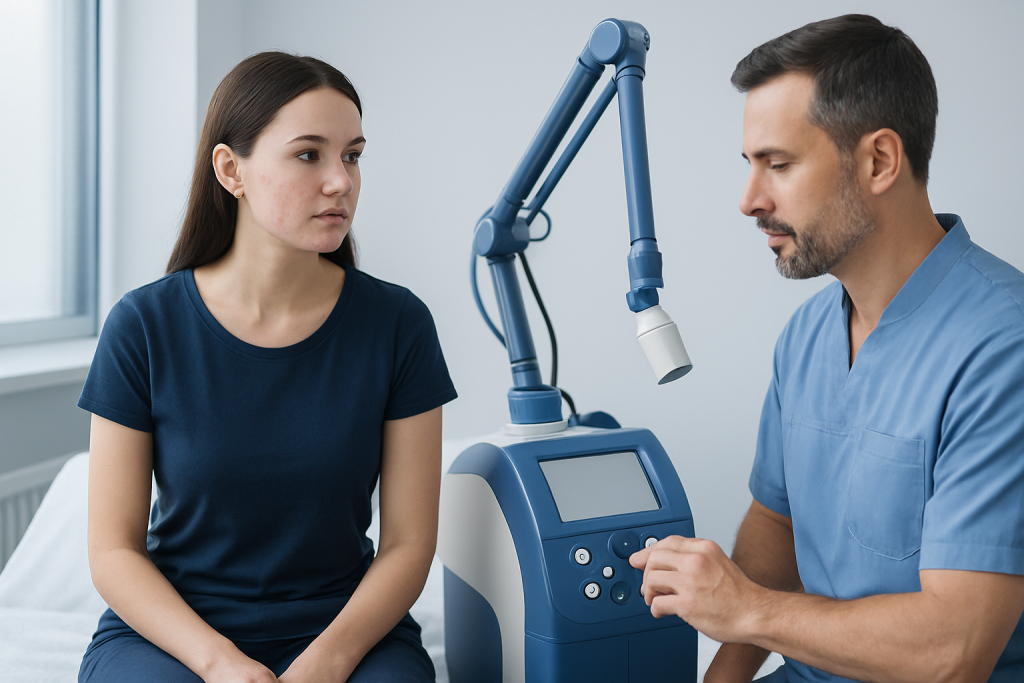
Adapalene is used for acne symptoms that arise when pores become clogged and inflamed. It is especially helpful for blackheads, whiteheads, small bumps under the skin, and some red inflammatory pimples. It is not a quick cover-up for a single blemish; it is designed to change the environment in the skin so new lesions are less likely to form.
Some people notice that their skin looks a little worse before it looks better, particularly during the first weeks. That does not always mean the treatment is failing. As clogged pores begin to clear, old blockages may surface before the skin settles into a steadier pattern.
Less often, adapalene may be part of a plan for people with acne-prone skin who also want smoother texture and fewer recurring clogged pores. A clinician may pair it with other treatments depending on whether acne is mild, moderate, hormonal, or leaving marks.
Causes & Risk Factors

Adapalene is not a cause of acne; it is a treatment for acne. To understand why it is prescribed, it helps to know what drives breakouts in the first place. Acne develops when oil, dead skin cells, bacteria, and inflammation interact inside the hair follicle and create plugged pores.
Certain factors can make acne more likely or more persistent. These include adolescence and hormonal shifts, a family history of acne, oily skin, some cosmetic products that clog pores, sweat and friction from helmets or tight clothing, and in some people, stress or medication-related changes.
Because acne can be shaped by several overlapping factors, adapalene is often only one piece of a broader plan. Skincare choices, lifestyle habits, and sometimes additional medicines may all matter. A dermatologist can help identify which triggers are most relevant for a particular person.
Diagnosis
Most of the time, acne is diagnosed through a clinical skin examination rather than specialized tests. A clinician looks at the type of lesions present, where they appear on the body, how long they have been present, and whether there is scarring or deeper inflammation. This helps determine whether adapalene alone is suitable or whether a combination approach is better.
For international patients, diagnosis may begin before travel with photographs, a telemedicine review, or a referral summary. That can be especially useful when trying to decide whether in-person dermatology care is needed urgently or whether a planned visit would be more efficient. Clear communication about past treatments and skin sensitivity usually helps the consultation go more smoothly.
Sometimes what looks like acne is actually another skin condition, such as rosacea, folliculitis, perioral dermatitis, or medication-related eruptions. When the pattern is not straightforward, a dermatologist may recommend a closer examination before starting adapalene or may adjust the plan if irritation develops unexpectedly.
Treatment Options
Adapalene is usually applied to clean, dry skin in a thin layer. Because it works over time, regular use is more important than applying more product. Many clinicians suggest starting gradually if the skin is sensitive, then increasing use as tolerated. This approach can help the skin adapt while reducing dryness and irritation.
It is common for treatment plans to include a gentle cleanser, a non-comedogenic moisturizer, and daily sunscreen. These measures do not replace adapalene, but they often make the routine much easier to tolerate. Some patients also use benzoyl peroxide, topical antibiotics, or other acne treatments depending on the type and severity of breakouts.
Possible early side effects include dryness, redness, peeling, warmth, or mild stinging. These are usually manageable, especially when the product is introduced slowly and not combined with harsh scrubs or strong exfoliating acids. If irritation is intense or persistent, the treatment plan should be reviewed by a clinician rather than pushed through without guidance.
Adapalene is intended for external use on the skin only. It should not be applied to broken, eczematous, or sunburned areas unless a clinician has advised otherwise. People who are pregnant, trying to conceive, or breastfeeding should ask a doctor before starting any retinoid-based product, even if it is available over the counter in some regions.
Prevention & Self-care
Skin care matters a great deal when someone is using adapalene. A simple routine is often better than a complicated one. Gentle cleansing, a light moisturizer if dryness appears, and sunscreen during the day can help the skin stay comfortable enough for the medicine to be used consistently.
It also helps to avoid habits that worsen irritation. Harsh scrubs, alcohol-heavy toners, frequent picking, and layering multiple exfoliating products can make the skin barrier more fragile. Makeup and skincare products labeled non-comedogenic are often better choices for acne-prone skin.
International patients sometimes need a routine they can carry across travel days and climate changes. Dry airplane air, new water hardness, and different weather can all affect skin tolerance. Keeping the routine basic during travel and confirming the exact product strength and schedule with the prescribing clinician can reduce confusion after returning home.
- Use a gentle cleanser rather than an abrasive face wash.
- Apply moisturizer if the skin becomes dry or tight.
- Wear sunscreen daily, since retinoids can increase sensitivity.
- Introduce new products one at a time so it is easier to spot irritation.
- Do not pick at acne lesions, which can worsen marks and scarring.
When to See a Doctor
A doctor should be consulted if acne is painful, widespread, leaving scars, or not improving after a reasonable period of consistent treatment. It is also wise to seek advice if the skin becomes very irritated, swollen, or unusually darkened after starting adapalene, or if the person is unsure whether the product is being used correctly.
Medical review is especially important when acne begins suddenly in adulthood, appears with irregular periods or other hormone-related symptoms, or is accompanied by signs of infection. A dermatologist can determine whether adapalene is enough on its own or whether another treatment is needed to get better control.
For people traveling for care, follow-up matters almost as much as the first prescription. A treatment that is working in the clinic still needs monitoring once the patient is back home, because skin tolerance, routine changes, and local product availability can all influence the outcome. Acibadem Health Point’s multidisciplinary specialists and JCI-accredited hospitals diagnose and treat this condition for international patients, helping coordinate care across the consultation, treatment, and recovery stages.
Living With Adapalene: Setting Realistic Expectations
Adapalene tends to reward patience. Many people want a fast visible change, but acne treatment is usually measured in steady improvement rather than instant clearing. That can be frustrating at first, especially if the skin feels dry before it looks better, but consistency is often what makes the difference.
It can help to think of the routine as a partnership between medicine and skin care. The medicine addresses clogged pores and inflammation, while supportive habits protect the skin barrier so treatment remains tolerable. When this balance is right, people often find it easier to stay with the plan long enough to see meaningful change.
Questions about whether to continue, pause, or combine adapalene with other acne therapies are best answered by a clinician who can see the full skin picture. That is particularly valuable for international patients, who may need a clear written plan to follow once they leave the hospital or clinic.
Frequently asked questions
What is adapalene used for?
Adapalene is mainly used to treat acne, especially blackheads, whiteheads, and mild to moderate inflammatory breakouts. It works by helping prevent clogged pores and reducing inflammation. Many people use it as part of a longer-term skin routine.
How long does adapalene take to work?
Adapalene usually works gradually, so visible improvement may take time. Some people notice early changes in a few weeks, while fuller benefit often takes longer with regular use. Patience and consistent application are important.
Can adapalene make skin dry or peel?
Yes, dryness, peeling, redness, and mild stinging can happen, especially at the beginning. These effects often improve as the skin adjusts. A gentle cleanser, moisturizer, and sunscreen can help make treatment easier to tolerate.
Should adapalene be used with other acne products?
Sometimes, yes, but it depends on the person’s skin and the type of acne. Other treatments may include benzoyl peroxide or topical antibiotics, but combining products too quickly can increase irritation. A dermatologist can suggest a suitable routine.
Is adapalene safe for sensitive skin?
It may be suitable for some people with sensitive skin, but it should usually be introduced carefully. Starting slowly and using supportive skin care can reduce irritation. If the skin reacts strongly, medical advice is recommended.
Can adapalene be used during pregnancy?
People who are pregnant, planning pregnancy, or breastfeeding should ask a doctor before using adapalene. Even though it is a topical medicine, retinoid-based products should be reviewed carefully in these situations. A clinician can suggest safer alternatives if needed.
References
- American Academy of Dermatology
- National Health Service
- Mayo Clinic
- DermNet
- U.S. Food and Drug Administration
This article is for general information only and is not a substitute for professional medical advice. Please consult a qualified doctor about your individual situation.
Explore treatments in Turkey — costs, top hospitals & a free quote
JCI-accredited · board-certified surgeons · reply within 24h
Add us as a Preferred Source to see more of our trusted health content across Google Search, AI Overviews and Discover.