Actinic Keratosis: Symptoms, Causes and Treatment

Key Takeaways
- Actinic keratosis develops after repeated sun or tanning exposure and usually appears on areas most often exposed to light.
- It may feel rough, scaly, or tender, even when the spot seems small or flat.
- A clinician can confirm the diagnosis and decide whether the lesion should be treated or monitored.
- Treatment options include freezing, topical medicines, and other office-based procedures depending on the skin change.
- Sun protection helps lower the chance of new lesions and supports long-term skin health.
Medically reviewed by the Acıbadem clinical team — August 19, 2026
Actinic keratosis is a common skin change caused by long-term ultraviolet exposure. It often appears on sun-exposed areas and is usually treatable, especially when found early.
Overview
Actinic keratosis is a rough, scaly patch that develops after years of ultraviolet exposure, usually from the sun or indoor tanning. It most often shows up on the face, ears, scalp, neck, forearms, and the backs of the hands—areas that collect the day-to-day history of sun exposure.
Although many people first notice it as a tiny dry spot, actinic keratosis matters because it is considered a precancerous skin lesion. That does not mean every lesion will turn into cancer, but it does mean the skin change deserves proper medical attention rather than being treated as ordinary dryness or “just another age spot.”
For international patients, this condition is often evaluated alongside other sun-related skin findings during a dermatology visit. A specialist can compare old and new lesions, decide whether treatment is needed, and create a follow-up plan that fits travel schedules and recovery at home.
Symptoms
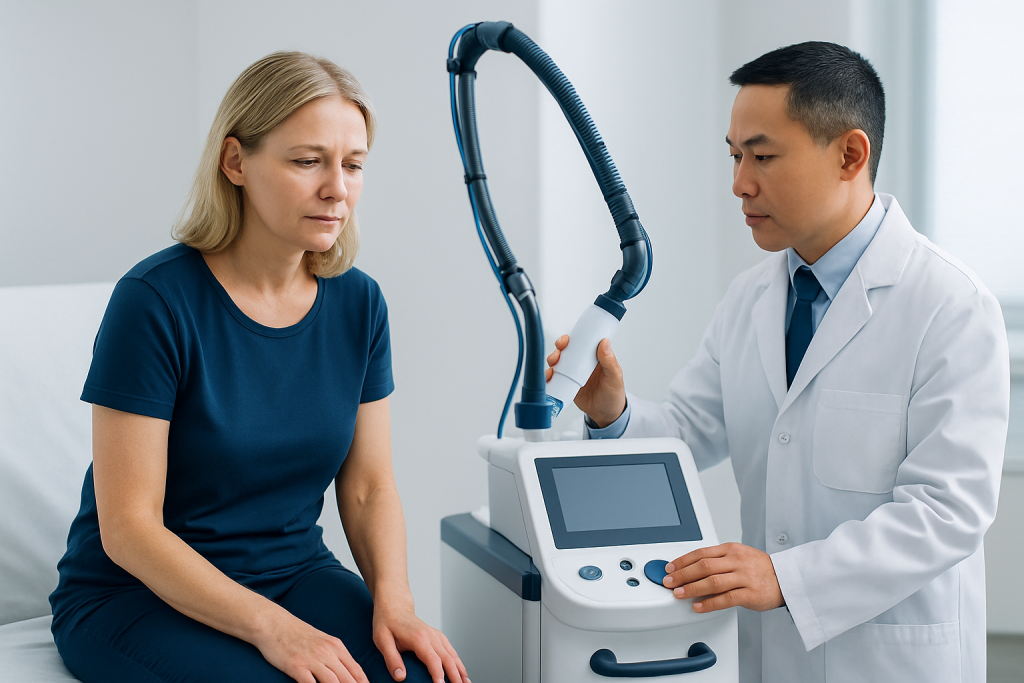
Actinic keratosis can look subtle at first. Many people feel it before they clearly see it, noticing a patch that is rough like sandpaper or a small area that catches on fingertips or clothing. The color can vary from skin-colored to pink, red, brown, or a mix of shades.
Common signs include:
- Dry, scaly, or crusted patches
- Flat or slightly raised spots
- Tenderness, itching, or burning
- Skin that is easier to notice by touch than by sight
- Lesions that appear on sun-exposed areas
Some lesions are isolated, while others appear in clusters. In people with extensive sun damage, the surrounding skin may also feel uneven or thickened, making it harder to identify which area needs treatment without a clinical examination.
Causes & Risk Factors
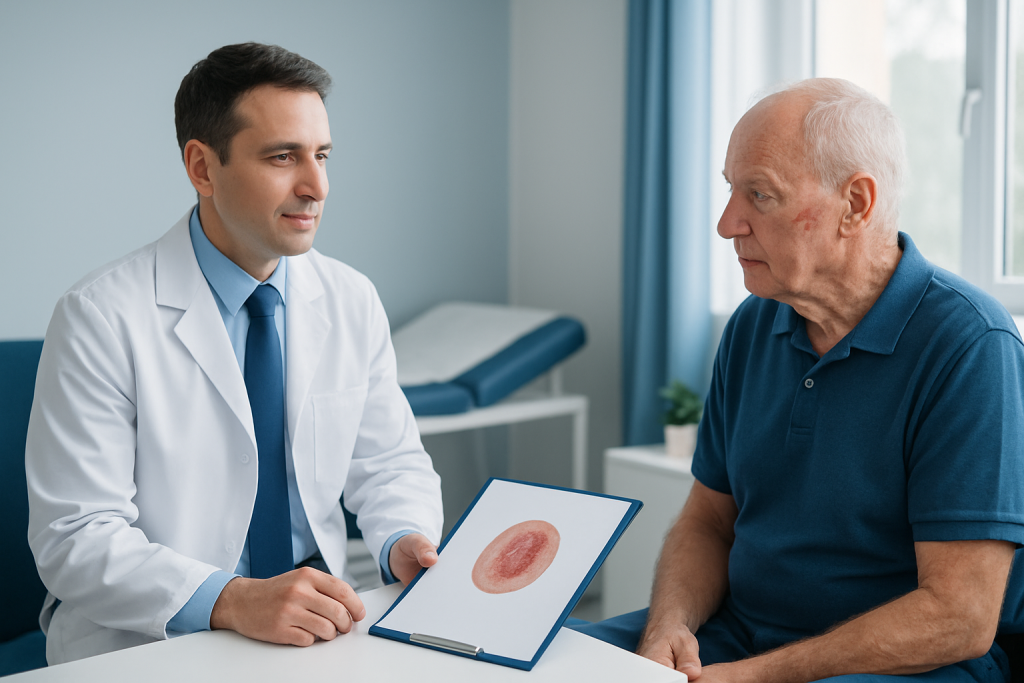
The main cause of actinic keratosis is cumulative ultraviolet damage. Sunlight gradually alters skin cells over time, and those changes can eventually lead to these rough lesions. Tanning beds and prolonged outdoor exposure increase the risk in the same way, even when a person has not had a memorable sunburn recently.
Risk is higher in people who spend many years outdoors for work or recreation, have fair skin, light eyes, or a tendency to freckle or burn. Older age, a history of frequent sunburns, weakened immune function, and living in sunny climates can also contribute. That said, actinic keratosis can appear in many skin types, so it should not be dismissed based on appearance alone.
Some patients notice a greater number of lesions after years of travel or outdoor sports, especially when sunscreen use has been inconsistent. Because the damage accumulates slowly, the skin change may reflect habits from many seasons ago, not just recent sun exposure.
Diagnosis
Diagnosis usually begins with a careful skin examination. A dermatologist will look at the spot’s surface, color, texture, size, and location, then check whether nearby skin shows signs of sun damage as well. In many cases, the lesion can be recognized clinically without complex testing.
When a lesion looks unusual, grows quickly, bleeds, becomes thickened, or does not respond as expected, the doctor may recommend a biopsy. This means removing a small sample of skin for laboratory review. Biopsy helps distinguish actinic keratosis from other skin conditions and from early skin cancers that can look similar.
For patients traveling from abroad, it can be helpful to bring a list of all skin treatments already tried, photos of the lesion if its appearance has changed over time, and any prior pathology reports. These details can make the evaluation more efficient and support a clear plan for treatment and follow-up.
Treatment Options
Treatment depends on how many lesions are present, where they are located, and whether the doctor is treating one visible spot or a broader area of sun-damaged skin. Sometimes the goal is to remove a single lesion; in other cases, therapy targets several spots or the “field” of damaged skin around them.
Common treatment options include freezing the lesion with liquid nitrogen, applying prescription creams or gels, using chemical or light-based therapies, or removing the area with a minor procedure when needed. The choice depends on the lesion’s thickness, the patient’s skin type, and whether the doctor wants a quick office treatment or a more comprehensive approach to multiple lesions.
Some treatments cause temporary redness, peeling, crusting, or sensitivity as the skin heals. This is expected in many cases and does not necessarily mean something is wrong. A clinician can explain what to expect so the patient can plan around work, travel, and sun exposure during recovery.
If a lesion is especially thick, painful, or suspicious, the doctor may recommend biopsy or a different procedure rather than routine treatment alone. The aim is to treat actinic keratosis effectively while also making sure a more serious lesion is not overlooked.
Prevention & Self-care
Sun protection is the most practical long-term step. Daily use of broad-spectrum sunscreen, along with hats, sunglasses, and protective clothing, helps reduce further ultraviolet injury. Seeking shade and avoiding indoor tanning are equally important, because the skin does not distinguish between “intentional” and “incidental” damage.
Regular self-checks are also useful. People who have had actinic keratosis should pay attention to spots that grow, thicken, crust, bleed, or simply feel different from the rest of the skin. A phone photo taken in the same light every few weeks can help track change, especially when follow-up will happen after travel.
Helpful habits include:
- Using sunscreen every day on exposed skin
- Reapplying protection during prolonged outdoor time
- Wearing a wide-brimmed hat and sun-protective clothing
- Avoiding tanning beds
- Scheduling regular skin checks if sun damage has already occurred
For patients recovering away from the treating clinic, it is wise to keep the discharge plan, medication instructions, and any warning signs in a clearly stored copy. That makes remote follow-up easier if questions arise after returning home.
When to See a Doctor
Any persistent rough, scaly, or tender spot that does not improve should be examined by a clinician. This is especially important if the lesion is on the face, ears, scalp, lips, or backs of the hands, or if it has started to thicken, bleed, or become more painful.
Medical review is also advisable if a lesion looks different from prior sun spots, changes quickly, or returns after previous treatment. A doctor can decide whether the spot is actinic keratosis, another benign skin condition, or something that needs closer assessment.
Prompt evaluation is a sensible step rather than a cause for alarm. In the right setting, dermatology treatment is straightforward, and many patients benefit from having an experienced specialist confirm the diagnosis before deciding on the most appropriate next step. Acibadem Health Point’s multidisciplinary specialists and JCI-accredited hospitals diagnose and treat actinic keratosis for international patients in a coordinated way.
Living With Follow-Up Care
Actinic keratosis is often manageable, but follow-up matters because new lesions can appear over time on skin that has already been sun damaged. After treatment, clinicians may recommend periodic skin checks to look for recurrence, to address other lesions early, and to keep an eye on any changes that need biopsy.
For international patients, the follow-up plan should be practical. That may mean arranging a review before travel home, receiving written instructions for wound care or topical treatment, and knowing which changes would justify contacting a local doctor. Clear communication helps the patient move between clinics without losing continuity of care.
Skin health after actinic keratosis is less about a single procedure and more about long-term habits: protecting the skin, noticing new changes, and seeking assessment when something does not heal in the usual way. That steady approach offers the best chance of keeping sun-damaged skin under control.
Frequently asked questions
Is actinic keratosis the same as skin cancer?
Not exactly. It is considered a precancerous change, which means some lesions can progress if they are not treated, but many do not. Because it can resemble early skin cancer, it should be checked by a clinician.
Can actinic keratosis go away on its own?
Some spots may seem to fade temporarily, but the underlying sun-damaged cells can remain. A medical evaluation is still important, especially if the lesion persists, changes, or returns.
Does every actinic keratosis need treatment?
Most lesions are treated, particularly if they are symptomatic, thick, or in a high-risk location. In some situations a doctor may monitor a very small lesion, but that decision should be made after examination.
What is field therapy?
Field therapy treats a broader area of sun-damaged skin rather than only one visible spot. It can be helpful when there are multiple lesions or when the surrounding skin also shows widespread sun injury.
How can a patient tell actinic keratosis from dry skin?
Dry skin usually improves with moisturizing, while actinic keratosis often stays rough, scaly, or tender in one specific area. If a patch does not resolve or feels different from the rest of the skin, it should be checked.
Is there anything a patient should avoid after treatment?
Patients are usually advised to protect the treated area from sun exposure and to follow the clinician’s wound or medication instructions. Picking at crusts or scabs should be avoided unless the treating doctor says otherwise.
References
- American Academy of Dermatology
- Mayo Clinic
- National Cancer Institute
- DermNet NZ
- British Association of Dermatologists
This article is for general information only and is not a substitute for professional medical advice. Please consult a qualified doctor about your individual situation.
Hair transplant in Turkey — costs, graft counts & a free assessment
JCI-accredited · board-certified surgeons · reply within 24h
Add us as a Preferred Source to see more of our trusted health content across Google Search, AI Overviews and Discover.