Do I Need Glasses? Test Your Vision Changes
A do I need glasses test may help a person notice possible changes in vision, but only a professional eye examination can confirm whether glasses are needed and provide an accurate prescription. Blurry vision, frequent squinting, headaches during close work, and difficulty seeing road signs are common reasons to arrange an eye check.
Do I need glasses? Start with a proper vision check
A do I need glasses test can be a useful first step when vision seems less clear than usual. If a person is squinting to read signs, holding books farther away, experiencing eye strain, or finding screens harder to use comfortably, glasses may help. However, these symptoms can also have other causes, so they should not be used alone to choose glasses.
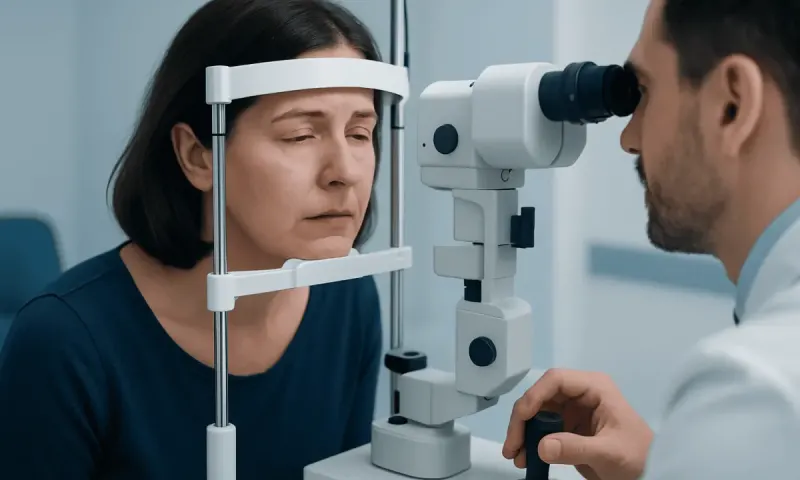
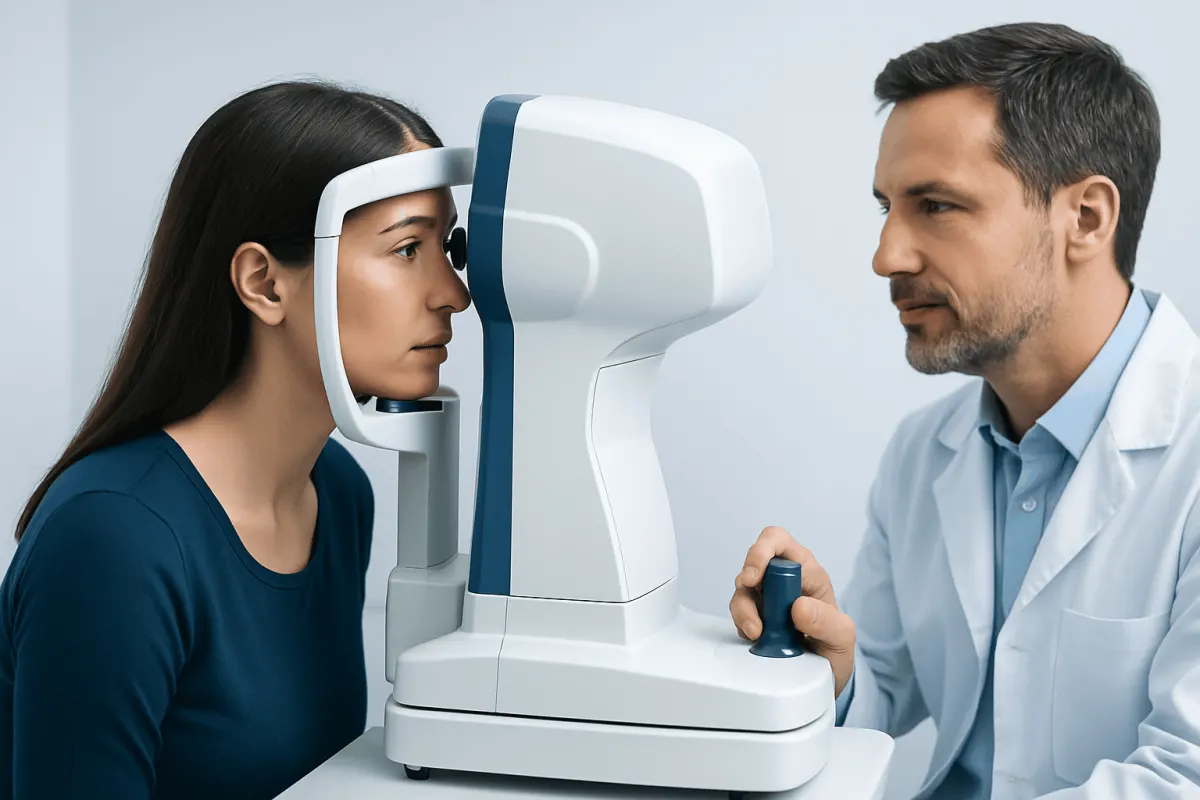
A full eye examination with an optometrist or ophthalmologist is the reliable way to determine whether a refractive error is present and whether a prescription is needed. The assessment checks how clearly each eye sees, measures the focusing correction needed, and examines the health of the eyes. It can also identify problems that glasses alone do not correct.
Vision can change gradually, making it easy to adapt without realizing it. Children, adults who work intensively on screens, drivers, and people over about age 40 may all benefit from periodic eye examinations based on their age, symptoms, health history, and the advice of an eye-care professional.
Will an eye exam tell me if I need glasses?
Yes. An eye exam will tell a person whether glasses are likely to improve vision and, if so, what prescription is appropriate. During refraction testing, the clinician asks which lens choices make letters or symbols clearer. This helps measure near-sightedness, farsightedness, astigmatism, and, when relevant, age-related difficulty focusing up close.
The eye examination is also important because blurred vision is not always caused by a simple need for glasses. Dry eye, cataracts, glaucoma, retinal conditions, diabetes-related eye changes, and some medications can affect sight. An eye-health assessment helps distinguish these possibilities and guides further care when needed.
For children, an examination may include additional testing of eye alignment, focusing, and visual development. Detecting vision problems early matters because untreated focusing or alignment issues can interfere with learning and may affect how vision develops.
What are the first signs of needing glasses?
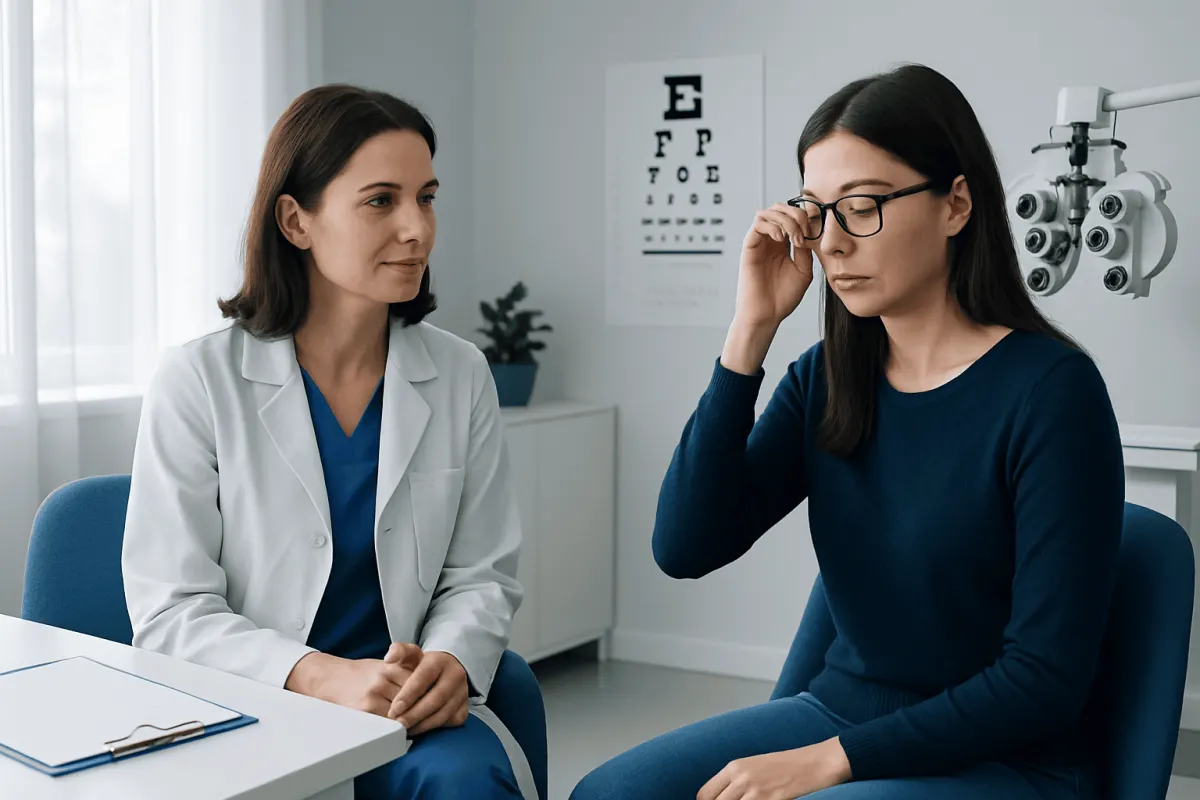
The first signs of needing glasses vary according to the type of focusing problem and a person’s daily activities. Some people notice distance blur first, such as trouble reading classroom boards, television captions, or road signs. Others have difficulty with near tasks, including reading, sewing, using a phone, or working at a computer.
Common symptoms that can suggest a vision check is needed include:
- Blurred or fluctuating vision at a distance or up close
- Squinting, blinking often, or moving closer to screens and signs
- Headaches or eye fatigue after reading, driving, or computer use
- Difficulty seeing clearly at night, including glare from headlights
- Needing brighter light for close work
- Holding reading material unusually close or far away
- Children rubbing their eyes, losing their place while reading, or avoiding close work
Headaches and tired eyes do not automatically mean someone needs glasses. Screen habits, dry eyes, lack of sleep, migraine, and other health concerns may contribute. Persistent or recurring symptoms are a good reason to schedule an eye examination rather than self-prescribing reading glasses.
Is minus 2.00 eyesight bad?
A prescription of minus 2.00, often written as -2.00 diopters, usually means a person has near-sightedness, also called myopia. Minus values indicate that distance vision needs correction; the higher the number away from zero, the stronger the lens power generally required. A -2.00 prescription is commonly considered mild to moderate myopia.
It does not mean the eyes are “bad,” damaged, or unhealthy. Without correction, a person with this prescription may see nearby objects clearly but find distant signs, faces, classroom boards, or driving details blurry. Glasses or contact lenses can usually sharpen vision effectively, provided the prescription is accurate.
The number alone does not assess eye health or predict every future vision concern. Regular eye checks are still valuable, particularly if the prescription is changing, vision has become suddenly different, or there is a family history of eye disease. People with myopia can learn more about the condition through myopia information.
How do I test if I need glasses at home?
A do I need glasses test at home can help a person notice whether one eye sees differently from the other or whether distance and near vision seem less clear. For a simple screen, a person can cover one eye at a time and compare how clearly they can read the same familiar text at a normal reading distance or recognize a stable object at a known distance. The test should be done in good lighting, while wearing any current glasses or contact lenses as directed by an eye-care professional.
A do I need glasses test online free may use letter charts or simple visual tasks. These tools can encourage someone to seek care, but they are not a substitute for an examination. Screen size, display brightness, viewing distance, lighting, and unrecognized eye conditions can all affect results. An online test also cannot accurately assess eye pressure, examine the retina, or ensure that a prescription is safe and suitable.
A person should avoid buying prescription glasses solely from a do I need glasses test online or a do I need glasses test free result. Ready-made reading glasses may be appropriate for some adults with uncomplicated age-related near-vision changes, but they do not correct unequal prescriptions, astigmatism, eye alignment concerns, or underlying eye disease. A new or worsening problem should be checked professionally.
Why vision changes and what can help
The most common reason for needing glasses is a refractive error, meaning the eye does not focus light precisely on the retina. Myopia causes distance blur; hyperopia, or farsightedness, may affect near vision and sometimes distance vision; and astigmatism can create blur or distortion at multiple distances. Many adults also develop presbyopia, a gradual loss of close focusing ability that becomes more noticeable with age.
Glasses are a simple, non-invasive correction for many refractive errors. Contact lenses may be another option for suitable patients, and some people may be assessed for laser eye surgery when they meet clinical criteria. The best option depends on the prescription, corneal measurements, age, eye health, lifestyle, and personal preferences.
Comfort measures can reduce visual strain but do not replace a needed prescription. Taking regular breaks from close work, adjusting screen distance and lighting, blinking consciously during screen use, and treating dry eye when advised may help. A balanced diet, not smoking, and protective eyewear for sports or hazardous work also support long-term eye health.
Do I need a vision test for license renewal or Real ID?
Requirements for a driving license renewal vary by country, state, age, driving category, and medical history. Some licensing authorities require a vision screening at renewal, while others do not unless a person has a reported vision concern or falls into a specific age group. The vision standard may also differ for private and commercial drivers.
For example, people asking, “Do I need vision test to renew license NY?” should check the current New York Department of Motor Vehicles requirements directly, as rules and renewal processes may change. A clinician’s eye examination and a licensing authority’s vision screening serve different purposes: the first evaluates vision and eye health in detail, while the second determines whether an applicant meets the applicable driving standard.
Real ID is an identification standard, not a medical evaluation. Whether a person needs a vision test for Real ID usually depends on the process for obtaining or renewing the underlying driver license in their jurisdiction, rather than on Real ID status itself. Checking the official local licensing website before an appointment is the most dependable approach.
When to seek medical care
A routine eye appointment is appropriate for ongoing blur, frequent eye strain, changing reading needs, night-driving difficulty, or concerns that a child is not seeing well. People with diabetes, high blood pressure, autoimmune disease, a strong family history of glaucoma, or previous eye surgery may need eye examinations at intervals recommended by their clinician.
Urgent medical assessment is needed for sudden loss of vision, a new dark curtain or shadow in the field of view, significant eye pain, a red painful eye with nausea, sudden double vision, new flashes of light, or a sudden large increase in floaters. These symptoms may have causes that need prompt treatment and should not be managed with an online vision test.
Acıbadem Health Point’s multidisciplinary specialists and JCI-accredited hospitals assess vision concerns and eye conditions for international patients. A qualified eye-care professional can explain examination findings, discuss appropriate correction options, and advise when further testing is needed.
Frequently asked questions
01Can I tell if I need glasses without an eye exam?
Symptoms such as blurry vision, squinting, and eye strain can suggest that glasses may help, but they cannot confirm the cause. A professional eye examination is needed to measure an accurate prescription and check for eye-health problems that may also affect vision.
02Can an online eye test give me a glasses prescription?
Online tests may provide a basic estimate of visual acuity in controlled circumstances, but they have important limits. They do not replace a full refraction and eye-health examination, and they may miss conditions that require medical care.
03Do headaches mean I need glasses?
Headaches can occur with uncorrected vision problems, particularly after reading, screen work, or driving. However, they have many possible causes, so persistent or new headaches should be discussed with a healthcare professional rather than assumed to be a glasses issue.
04How often should adults have an eye exam?
The right interval depends on age, symptoms, current prescription, medical conditions, and family history. An eye-care professional can recommend a schedule, while anyone with new or changing vision should arrange an assessment sooner.
05Are pharmacy reading glasses safe to use?
For some adults with straightforward age-related near-vision difficulty, ready-made readers can be a temporary convenience. They are not suitable for everyone because both eyes may need different strengths or because astigmatism, eye alignment, or an eye condition may be present.
06Does a minus prescription mean my eyesight will keep getting worse?
A minus prescription indicates near-sightedness and does not by itself determine how vision will change over time. Prescriptions may remain stable or change gradually, so regular reviews are useful when vision changes or as advised by an eye-care clinician.
This article is for general information only and is not a substitute for professional medical advice. Please consult a qualified doctor about your individual situation.
Explore treatments in Turkey — costs, top hospitals & a free quote
JCI-accredited · board-certified surgeons · reply within 24h
Add us as a Preferred Source to see more of our trusted health content across Google Search, AI Overviews and Discover.