

Sleeping With Eyes Open: Causes and When to Seek Care
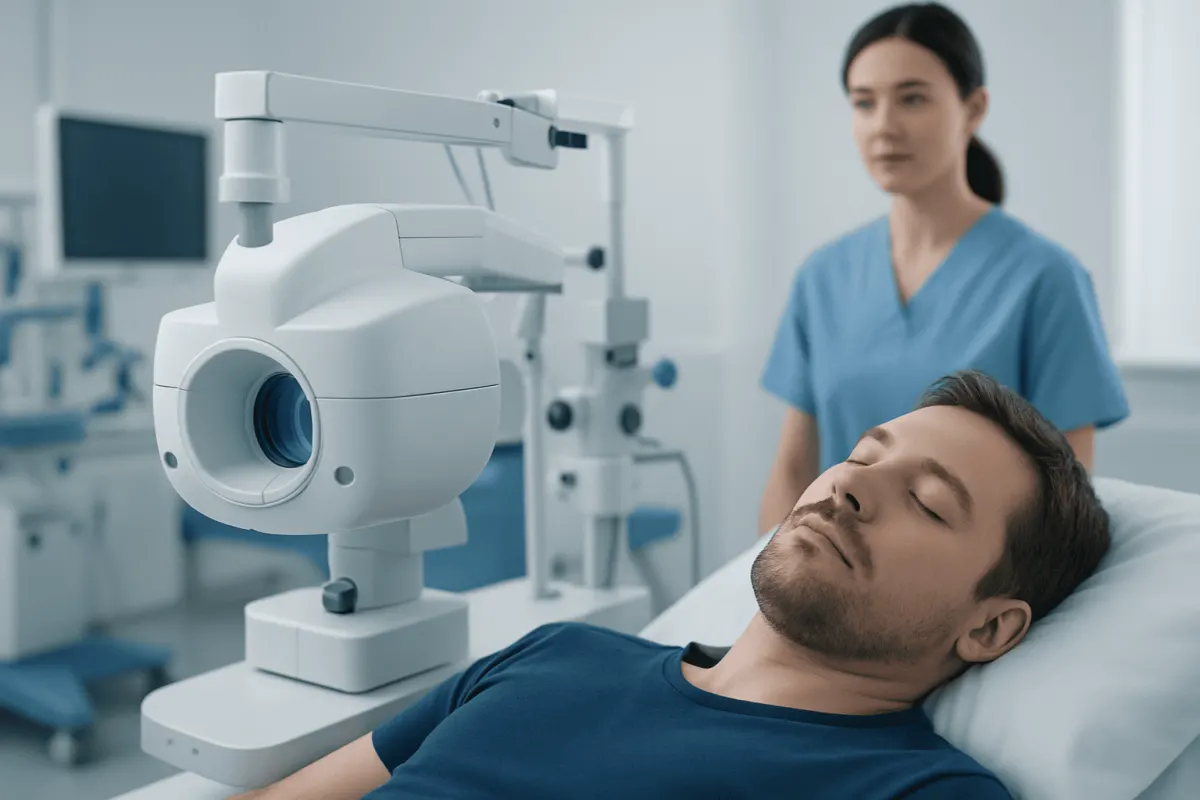
Sleeping with the eyes partly open is usually caused by incomplete eyelid closure, also called nocturnal lagophthalmos. It can be mild and unnoticed, but ongoing exposure of the eye surface may cause dryness, irritation, or blurred vision and deserves assessment when symptoms persist.
Overview: Can a Person Sleep With Their Eyes Open?
People can sleep with their eyes partly open, although the more accurate description is usually incomplete eyelid closure during sleep. This is commonly called nocturnal lagophthalmos. A small gap may be visible between the eyelids, or the person may simply wake with dry, gritty, red, or blurry eyes. In many cases it is mild and not dangerous, especially when it happens occasionally and causes no eye symptoms.
The eyelids normally close during sleep to spread tears across the surface of the eye and protect the cornea, the clear front layer of the eye. When they do not close completely, tears can evaporate overnight. Repeated exposure may lead to dryness and inflammation, and in more significant cases can damage the corneal surface. It is therefore useful to distinguish an occasional observation by a partner from persistent symptoms that need eye care.
Trying to deliberately sleep with the eyes open is not recommended. The eyes need their normal protective closure and tear film during sleep. If a person suspects that their eyes remain open at night, the goal is not to train the eyelids differently, but to identify whether the eye surface is being affected and why the lids are not fully closing.
What It May Feel Like in the Morning
Some people have no symptoms and learn about the issue only because a family member notices a narrow opening between their eyelids while they sleep. Others experience symptoms soon after waking, when the eye surface has been exposed and dried overnight. Symptoms may affect one eye or both eyes.
Possible signs include a scratchy, sandy, burning, or tight sensation in the eyes; redness; excessive tearing; crusting; sensitivity to light; and temporarily blurred vision that improves after blinking or using lubricating drops. Paradoxically, dry eyes can water more because irritation triggers reflex tearing. These symptoms can overlap with other eye-surface problems, including dry eye syndrome, so an eye examination may be needed to clarify the cause.
More substantial corneal exposure can cause significant pain, persistent blurred vision, or the feeling that something is stuck in the eye. These symptoms should not be ignored, particularly if they are new or worsening. Early treatment can often protect the cornea and relieve discomfort.
Why Eyelids May Stay Partly Open During Sleep

There is not one single cause of sleeping with the eyes open. In some people, it relates to natural eyelid shape or a small gap in lid closure that becomes more noticeable when facial muscles relax during sleep. Prominent eyes, loose eyelid tissues, or scarring around the eyelids can also make complete closure more difficult.
Facial nerve problems are another important cause. The facial nerve controls the muscles used to close the eyelids, so weakness on one side of the face may prevent one eye from closing fully. This may occur with conditions such as Bell's palsy, after facial trauma or surgery, or less commonly with other neurological disorders. New facial drooping, trouble smiling, speech difficulties, arm weakness, or severe headache needs urgent medical assessment.
Eye and thyroid-related conditions may contribute as well. Thyroid eye disease can cause the eyes to protrude or the eyelids to retract, increasing exposure. Previous eyelid or cosmetic surgery, injury, burns, inflammation, and certain skin conditions can change the lid position. Sedating medicines, alcohol, and very deep sleep may make an existing mild closure gap more apparent, although they are not usually the underlying explanation for persistent lagophthalmos.
In children, a small degree of incomplete eyelid closure can sometimes be observed during sleep without causing harm. However, recurrent redness, rubbing, light sensitivity, discharge, or concerns about vision should be reviewed by a pediatrician or eye specialist.
How a Doctor Checks the Cause
An optometrist, ophthalmologist, or other qualified clinician will begin by asking about morning symptoms, eye injury or surgery, medical conditions, medicines, sleep habits, and whether symptoms affect one or both eyes. Information from a partner or a brief photo taken while the person is asleep may be helpful, but it is not required and should not delay care if symptoms are significant.
The examination usually includes checking eyelid position and blink strength, asking the person to gently and firmly close their eyes, and looking for facial asymmetry. The clinician may assess tear production and tear-film stability, examine the cornea with a microscope called a slit lamp, and use a harmless dye to identify dry or injured areas on the eye surface.
If facial weakness, thyroid disease, nerve dysfunction, or another underlying condition is suspected, further assessment may be arranged. This can involve a neurological examination, thyroid testing, or referral to an appropriate specialist. The purpose of testing is both to protect vision and to address the reason incomplete closure is occurring.
Treatment Options and Nighttime Eye Protection
Treatment depends on the severity of the exposure and its cause. For mild cases, clinicians may recommend preservative-free lubricating eye drops in the daytime and a thicker lubricating gel or ointment before sleep. These products can reduce tear evaporation and protect the cornea overnight. A clinician or pharmacist can help identify an appropriate option, especially for people who use other eye medicines or wear contact lenses.
Other short-term measures may include a moisture-retaining eye shield, protective sleep goggles, or medical tape used in a specific way to support eyelid closure. Taping should be discussed with an eye professional first. Incorrect placement, adhesive irritation, or pressure on the eye can cause problems, and a person should not forcefully tape an eye closed if there is pain, injury, infection, or unexplained vision loss.
If eyelid position, facial nerve weakness, thyroid eye disease, or scarring is involved, treating the underlying problem is important. In selected cases, specialists may consider procedures that improve eyelid closure or protect the cornea. Options range from temporary measures while nerve function recovers to reconstructive eyelid procedures. Oculoplastic surgery may be considered when an eyelid problem is persistent and conservative care is insufficient.
For people with symptoms of eye-surface dryness, a comprehensive dry eye treatment plan may include lubrication, management of eyelid inflammation, and individualized measures to improve comfort and protect the eye surface. The right approach depends on the examination findings rather than on the appearance of the eyes during sleep alone.
Practical Self-Care While Awaiting Advice
A person with mild morning dryness can take steps to reduce overnight irritation while arranging non-urgent care. Keeping the bedroom free from direct airflow from fans or air conditioning, avoiding smoke exposure, and using a clean humidifier if indoor air is very dry may reduce tear evaporation. Regular sleep and hydration habits can support general comfort, although they do not correct an eyelid closure problem.
It is sensible to avoid rubbing the eyes, particularly on waking, because the cornea may be dry and more easily irritated. Contact lens wearers who develop pain, redness, discharge, or reduced vision should remove their lenses and seek prompt professional advice. They should not wear lenses overnight unless specifically prescribed for that purpose.
People should not use redness-relieving drops as a substitute for lubrication or rely on home remedies placed in or around the eye. Oils, herbal products, and non-sterile liquids can irritate the eye or increase infection risk. A clinician can recommend safe eye-surface protection tailored to the person’s symptoms and medical history.
When to Seek Medical Care
Routine medical review is appropriate when a person regularly wakes with dry, painful, red, or blurry eyes; when someone repeatedly notices incomplete eyelid closure during sleep; or when symptoms do not improve with simple lubrication. An ophthalmologist can check whether the cornea is exposed and determine whether eyelid anatomy, dry eye, facial weakness, or another condition is contributing.
Prompt, same-day eye care is advisable for significant eye pain, marked redness, sensitivity to light, discharge, persistent blurred vision, or a sensation of a foreign body in the eye. These symptoms can indicate corneal irritation or injury and should be assessed rather than managed at home.
Emergency care is needed if incomplete eye closure begins suddenly alongside new facial drooping, weakness or numbness in an arm or leg, speech or swallowing difficulty, confusion, a severe sudden headache, or double vision. These symptoms may have causes that require urgent evaluation. Acıbadem Health Point’s multidisciplinary specialists and JCI-accredited hospitals can assess eyelid, eye-surface, neurological, and related concerns for international patients.
Frequently asked questions
01Is it normal to sleep with your eyes open?
A small amount of eyelid opening during sleep can occur and may cause no problems. However, regular incomplete closure can dry the eye surface, especially if there is morning irritation, redness, pain, or blurred vision. An eye professional can assess persistent symptoms.
02Can sleeping with eyes open damage vision?
Mild, occasional incomplete closure does not usually cause permanent harm. If the cornea is repeatedly exposed and becomes dry or injured, vision can be temporarily affected and complications are possible without treatment. Protecting the eye surface and addressing the cause reduces this risk.
03Why does one eye stay open when sleeping?
One-sided incomplete closure may occur because of eyelid shape, prior injury or surgery, or weakness of the facial muscles on that side. Facial nerve conditions, including Bell's palsy, can make it difficult to close one eye fully. New facial weakness should be assessed promptly.
04How can a person tell if they sleep with their eyes open?
A partner may notice a gap between the eyelids during sleep. Recurrent morning dryness, grittiness, redness, tearing, or blurred vision can also be clues. Only an examination can confirm whether incomplete closure is causing meaningful corneal exposure.
05Should someone tape their eyes shut to sleep?
Eye taping may be appropriate for some people, but it should be done only after guidance from an eye clinician. The technique and type of tape matter, and it may not be suitable if there is eye pain, infection, recent injury, or an unexplained change in vision. Lubrication or a moisture shield may be safer alternatives in some cases.
06Does sleeping with the eyes open mean a person has a neurological condition?
No. Many cases are related to mild eyelid anatomy or eye-surface dryness rather than a neurological disorder. Still, new one-sided facial weakness or difficulty closing an eye can involve the facial nerve and should be evaluated, particularly when accompanied by other neurological symptoms.
This article is for general information only and is not a substitute for professional medical advice. Please consult a qualified doctor about your individual situation.
Explore treatments in Turkey — costs, top hospitals & a free quote
JCI-accredited · board-certified surgeons · reply within 24h
Add us as a Preferred Source to see more of our trusted health content across Google Search, AI Overviews and Discover.


